What is the function of a horizontal tube furnace during carbonization? Optimize Pore Structure & Carbon Quality
Updated 3 months ago
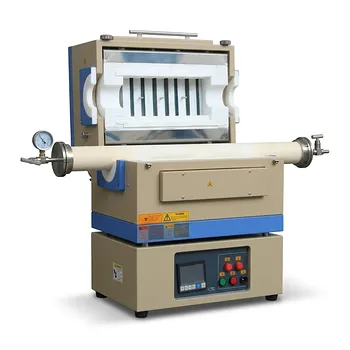
The horizontal tube furnace serves as the primary thermal reactor for converting Black Alder biomass into a stable carbon precursor. Specifically, it provides a controlled high-temperature environment—typically maintained at 750 °C—to facilitate thermal decomposition while preventing the raw material from combusting. By managing the atmosphere and temperature, the furnace removes non-carbon elements as volatiles, effectively building the initial porous skeleton required for subsequent activation stages.
The horizontal tube furnace is the foundation of the carbonization process, acting as a controlled environment that balances volatile removal with structural preservation to create a high-strength carbon framework.
Facilitating Thermal Decomposition and Carbon Enrichment
High-Temperature Thermal Processing
The furnace provides a stable thermal environment, specifically calibrated to 750 °C for Black Alder, to initiate the breakdown of organic polymers. This heat triggers the chemical transformation of the biomass without allowing the material to reach its ignition point in the presence of oxygen.
Removal of Non-Carbon Volatiles
Through the processes of dehydration and decarboxylation, the furnace facilitates the escape of oxygen, hydrogen, and nitrogen. These elements are released as volatile gases, leaving behind a material with a significantly higher concentration of fixed carbon.
Enrichment of Carbon Content
As volatiles are expelled, the furnace environment induces the enrichment of the carbon matrix. This stage is critical for achieving the high thermal stability and chemical resistance necessary for the resulting activated carbon to function in harsh environments.
Establishing the Structural Foundation
Building the Porous Carbon Skeleton
The exit of volatile matter during carbonization creates a network of rudimentary voids within the material. The horizontal tube furnace ensures this initial porous skeleton is formed uniformly, providing the "blueprint" for the advanced pore structures developed later.
Providing Structural Strength
Beyond chemistry, the furnace provides the thermal conditions necessary for structural rearrangement. This results in a carbon framework with the mechanical integrity required to withstand the physical and chemical stresses of the activation phase.
Inducing Preliminary Pore Development
By maintaining precise heating rates, often around 10 °C/min, the furnace prevents the carbon structure from collapsing. This controlled approach induces the development of micropore and mesopore volumes, which are essential for the material's eventual surface area.
Maintaining a Controlled Atmospheric Environment
Preventing Oxidative Loss
The sealed structure of the horizontal tube furnace allows for a strict nitrogen (N2) atmosphere. This anaerobic environment is the physical basis for preventing biomass combustion, ensuring the carbon is preserved rather than turned to ash.
Uniform Thermal Exposure
In many configurations, the horizontal orientation (sometimes involving a rotating quartz reactor) ensures that the biomass remains in a state of continuous movement. This prevents localized "hot spots" and ensures every particle of Black Alder undergoes an identical degree of carbonization.
Understanding the Trade-offs and Limitations
Batch vs. Continuous Processing
Most laboratory-grade horizontal tube furnaces operate on a batch basis, which can limit production throughput compared to industrial vertical kilns. While batch processing offers superior control over parameters, it requires more downtime for cooling and reloading.
Thermal Gradients
In larger horizontal tubes, maintaining a perfectly uniform temperature across the entire length can be challenging. Localized temperature fluctuations can lead to inconsistent carbonization, where some material is over-processed while others retain too much volatile matter.
Gas Flow Dynamics
The efficiency of volatile removal depends heavily on the gas flow rate within the tube. If the nitrogen flow is too low, displaced volatiles may linger and undergo secondary reactions (coking) on the carbon surface, potentially clogging the very pores the process intends to create.
How to Apply This to Your Project
Recommendations for Carbonization Success
To achieve the best results when using a horizontal tube furnace for Black Alder-based activated carbon, consider your specific production goals:
- If your primary focus is Maximum Surface Area: Prioritize a slow heating rate (5-10 °C/min) and a consistent nitrogen purge to ensure a clear, unclogged initial pore structure.
- If your primary focus is Structural Integrity: Maintain the temperature strictly at 750 °C to balance the removal of volatiles with the preservation of the carbon walls.
- If your primary focus is Process Consistency: Use a furnace with multi-zone heating or a rotating tube to eliminate thermal gradients and ensure a homogeneous precursor.
The horizontal tube furnace is the indispensable tool that transforms raw Black Alder into a high-performance carbon scaffold, bridging the gap between raw biomass and functional activated carbon.
Summary Table:
| Parameter/Feature | Function in Carbonization Process |
|---|---|
| Processing Temp | Stable 750 °C for Black Alder organic breakdown |
| Atmosphere Control | Inert Nitrogen (N2) to prevent combustion and oxidation |
| Heating Rate | 5-10 °C/min to induce micropore and mesopore volumes |
| Key Outcome | Removal of volatiles and enrichment of fixed carbon content |
| Mechanism | Precise dehydration and decarboxylation within a sealed tube |
Master Your Carbonization Process with THERMUNITS
Achieving the perfect porous structure in activated carbon requires absolute thermal precision. THERMUNITS is a leading manufacturer of high-temperature laboratory equipment, empowering material science and industrial R&D with advanced thermal processing solutions.
Our comprehensive range includes Tube, Muffle, Vacuum, and Atmosphere furnaces, as well as specialized Rotary kilns, CVD/PECVD systems, and Vacuum Induction Melting (VIM) furnaces. Whether you are developing Black Alder-based precursors or advanced carbon frameworks, our equipment ensures the uniform heating and atmospheric control necessary for high-strength results.
Take your research to the next level—Contact our thermal experts today for a tailored solution!
References
- Irina Kandić, Marija Stojmenović. Examination of the Anti-Biofilm Properties of Lignocellulose-Based Activated Carbon from Black Alder for Water Treatment Applications. DOI: 10.3390/pr12112383
Mentioned Products
- Multi Position Tube Furnace 1100C for Laboratory Material Research and Advanced Industrial Thermal Processing
- 1200°C 10-Zone Split Tube Furnace with Horizontal and Vertical Mounting for Multi-Zone Thermal Gradients and Large Diameter Material Processing
- Ten Zone Multi Orientation Laboratory Tube Furnace for 1200C High Temperature Gradient Thermal Processing
- Split Vertical Tube Furnace with 1200C Quartz Tube and Stainless Steel Vacuum Flanges for Rapid Thermal Processing
- High Temperature 1700C Vertical Tube Furnace for Powder Spherification and Material Sintering
People Also Ask
- Why use a tube furnace for oxygen annealing LaCrO3/LaMnO3? Optimize Phase Transition & Magnetic Performance.
- What key role does a laboratory high-temperature tube furnace play in the production of carbon nanofibers? Guide
- How is a laboratory high-temperature tube furnace utilized to research the products of aluminothermic reduction? Advanced Metallurgical Solutions
- What is the role of a laboratory tube furnace in the carbonization process of porous carbon foam (PCF)? Master 3D Synthesis
- What role does a laboratory tube furnace play in the pyrolysis and carbonization of biomass? Optimize Thermal Research.

Tech Team · ThermUnits
Last updated on Jun 02, 2026
Related Products
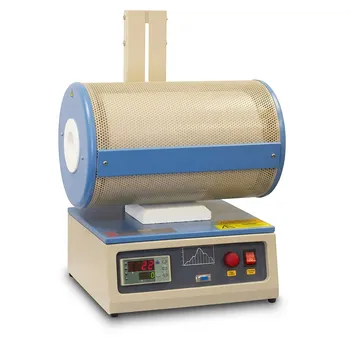
Multi Position Tube Furnace 1100C for Laboratory Material Research and Advanced Industrial Thermal Processing
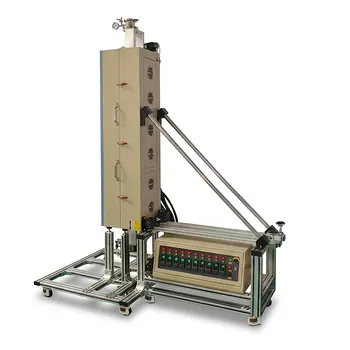
1200°C 10-Zone Split Tube Furnace with Horizontal and Vertical Mounting for Multi-Zone Thermal Gradients and Large Diameter Material Processing
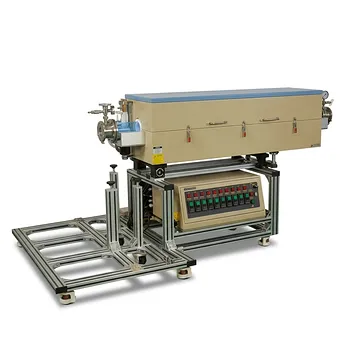
Ten Zone Multi Orientation Laboratory Tube Furnace for 1200C High Temperature Gradient Thermal Processing
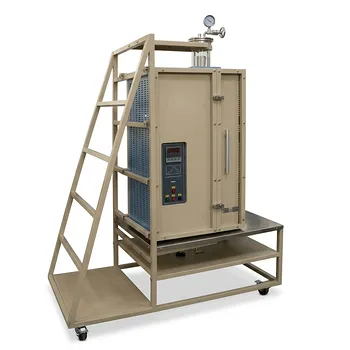
Split Vertical Tube Furnace with 1200C Quartz Tube and Stainless Steel Vacuum Flanges for Rapid Thermal Processing

High Temperature 1700C Vertical Tube Furnace for Powder Spherification and Material Sintering

Vertical 1700C Vacuum and Atmosphere Tube Furnace with 80mm Alumina Tube

1200°C 5 Inch Vertical Quartz Tube Furnace with Stainless Steel Vacuum Flanges
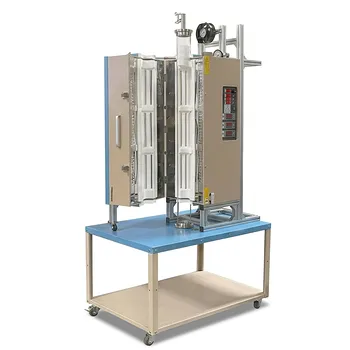
1200C Three Zone Split Vertical Tube Furnace 4 Inch Quartz Tube Stainless Steel Vacuum Flanges
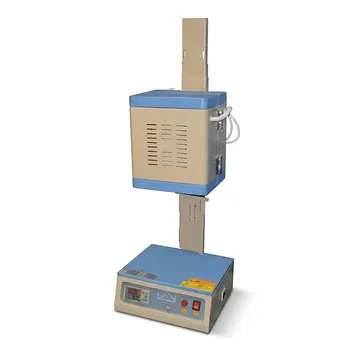
High Temperature Vertical Split Tube Furnace with PID Temperature Controller for 1 and 2 Inch Processing Tubes
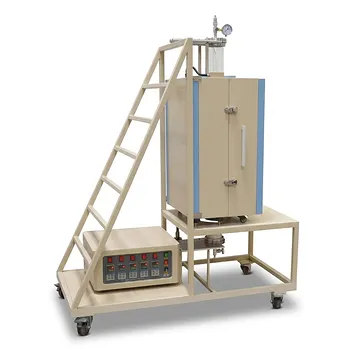
Five Zone Split Vertical Tube Furnace 1200C Max with 4 Inch Quartz Tube and Stainless Steel Vacuum Flanges
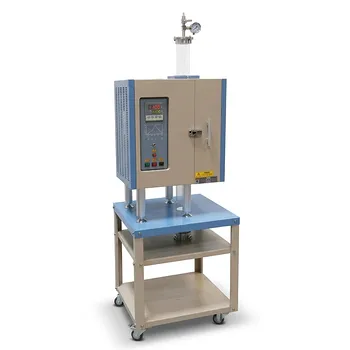
1100°C Split Vertical Tube Furnace with 80mm Quartz Tube and Stainless Steel Vacuum Flanges

Compact Vertical Split Quartz Tube Furnace with Stainless Steel Vacuum Flanges for Rapid Thermal Quenching and Controlled Atmosphere Material Processing

High Temperature 1700C Six Zone Split Tube Furnace with Alumina Tube and Water Cooled Flanges
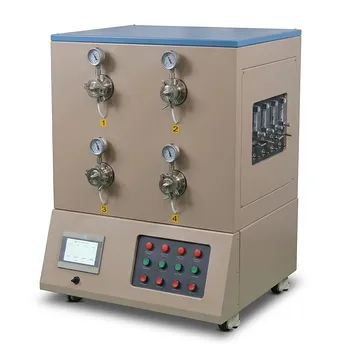
High Throughput 1200C Four Channel Tube Furnace with 3 Inch Quartz Tubes for Multi Zone Annealing and Material Research
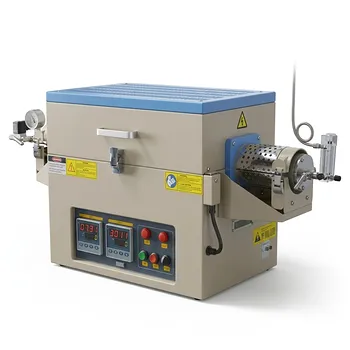
1100C Dual Zone Hydrogen Gas Tube Furnace with Quartz Tube and Integrated H2 Leak Detection System
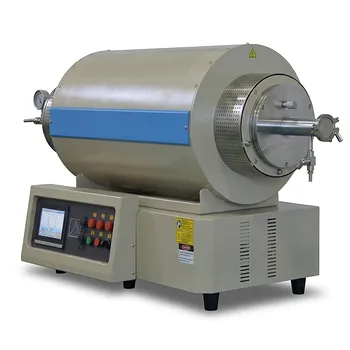
1200C Max Three Zone Tube Furnace 6 Inch OD Max with Tube and Flange
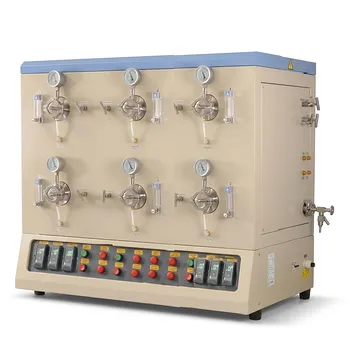
1200C High Throughput Multi Channel Tube Furnace with 50mm Quartz Tubes for Annealing and Material Phase Diagram Research
1500C Eight Zone Split Tube Furnace for Thermal Gradient Processing and Advanced Material Research

1100C Tube Furnace with Vacuum Flange and Programmable Temperature Controller for Material Science and Industrial Heat Treatment
