What is the function of a laboratory atmosphere tube furnace in the preparation of carbon-based solid acid catalysts?
Updated 3 months ago
The laboratory atmosphere tube furnace is the critical instrument for high-temperature carbonization and structural stabilization. It provides a precisely controlled, oxygen-free environment—typically using nitrogen—to facilitate the pyrolysis of hydrothermal carbon spheres or biomass precursors. By removing unstable functional groups and volatile impurities, the furnace transforms raw organic precursors into a mechanically strong, thermally stable, and graphitized carbon framework capable of supporting active acid sites.
Core Takeaway: The atmosphere tube furnace serves as the foundational tool for creating the "backbone" of carbon-based solid acid catalysts. It uses high-temperature pyrolysis to convert precursors into a stable, amorphous, or graphitized carbon carrier that can withstand the subsequent chemical loading of sulfonic acid groups.
Facilitating the Carbonization Process
High-Temperature Pyrolysis and Volatile Removal
The furnace provides the heat necessary for secondary carbonization, often reaching temperatures around 600°C. In this stage, biomass or hydrothermal precursors undergo dehydration, decarboxylation, and dehydrogenation.
This process effectively strips away non-carbon components and volatile impurities. By removing these unstable elements, the furnace increases the overall elemental carbon content of the material.
Maintaining an Inert Protective Atmosphere
A continuous flow of inert gas, such as nitrogen, is essential to prevent the carbon from combusting. This oxygen-free environment allows the material to degrade thermally without being consumed by oxidation.
The protective shield ensures that the chemical reactions are limited to pyrolysis and polycondensation. These reactions are what ultimately transform the precursor into a solid, carbon-based substance.
Engineering the Carbon Framework
Enhancing Mechanical and Thermal Stability
One of the primary functions of the furnace is to rearrange chemical bonds within the carbon material. This rearrangement significantly improves the mechanical strength of the resulting spheres or particles.
High-temperature treatment also increases the degree of graphitization. A more graphitic structure provides the thermal stability required for the catalyst to remain effective during high-temperature industrial reactions.
Creating a Support for Acid Sites
The furnace prepares the carbon surface for the subsequent loading of sulfonic acid groups. Without this high-temperature "curing" process, the carbon framework would be too unstable to maintain its structure during functionalization.
The result of the furnace treatment is an amorphous carbon carrier with a stable framework. This framework acts as the permanent house for the active catalytic sites that drive chemical transformations.
Precision Control and Chemical Tailoring
Fine-Tuning Doping and Morphology
By adjusting temperature gradients (often between 600°C and 800°C), researchers can control the morphology of nitrogen or sulfur species within the carbon substrate. This level of precision determines the catalyst's final selectivity and efficiency.
Consistent temperature compensation within the furnace is vital for uniformity. If the heat is not distributed evenly, the resulting batch of catalyst will have inconsistent activity levels and poor reproducibility.
Managing Microporous Evolution
The initial stages of heating in the furnace begin the formation of a preliminary microporous structure. This porosity is essential for ensuring that reactants can later access the acid sites deep within the catalyst particles.
Precise thermal control allows for the optimization of the surface area. Researchers must balance the temperature to maximize porosity while maintaining the structural integrity of the pores.
Understanding the Trade-offs
Balancing Temperature and Surface Area
While higher temperatures (above 700°C) increase graphitization and mechanical stability, they can also cause pore collapse. This reduction in surface area may limit the number of available acid sites, potentially lowering the catalyst's overall activity.
The Risk of Over-Carbonization
Excessive residence time in the furnace can lead to a framework that is too chemically inert. If the surface becomes completely graphitized, it may become difficult to effectively attach the sulfonic acid groups required for the catalyst's "acid" functionality.
How to Apply This to Your Project
Selecting Furnace Parameters for Success
- If your primary focus is Maximum Stability: Utilize higher carbonization temperatures (600°C–800°C) to ensure a highly graphitized and rigid carbon backbone.
- If your primary focus is High Catalytic Activity: Use moderate temperatures and precise nitrogen flow to maximize the retention of a microporous structure and surface functional groups.
- If your primary focus is Chemical Doping: Implement strict temperature gradient controls to precisely manage the incorporation of nitrogen or sulfur species into the carbon matrix.
The atmosphere tube furnace is not merely a heater, but a sophisticated reactor that defines the structural and chemical destiny of the carbon-based solid acid catalyst.
Summary Table:
| Key Function | Mechanism | Technical Benefit |
|---|---|---|
| Carbonization | High-temp pyrolysis (~600°C) | Removes volatiles and increases elemental carbon content |
| Atmosphere Control | Inert gas flow (e.g., Nitrogen) | Prevents oxidation and ensures pure polycondensation |
| Framework Stability | Chemical bond rearrangement | Enhances mechanical strength and thermal durability |
| Site Support | Surface functionalization prep | Creates a stable carrier for loading sulfonic acid groups |
| Porosity Tuning | Precise thermal gradients | Optimizes surface area and preliminary micropore evolution |
Precision Thermal Solutions for Advanced Material R&D
Elevate your research with THERMUNITS, a leading manufacturer of high-temperature laboratory equipment for material science and industrial R&D. We specialize in providing the precise thermal environments necessary for synthesizing high-performance catalysts and advanced materials.
Our comprehensive range of thermal processing solutions includes:
- Atmosphere & Tube Furnaces: Perfect for carbonization and controlled pyrolysis.
- CVD/PECVD Systems: For advanced chemical vapor deposition needs.
- Vacuum & Hot Press Furnaces: For specialized structural stabilization.
- Rotary Kilns & Dental Furnaces: Catering to diverse industrial and lab applications.
Whether you are refining carbon-based solid acid catalysts or developing next-generation ceramics, our equipment offers the uniformity and control your project demands.
Ready to optimize your heat treatment process?
Contact our technical experts today to find the perfect furnace for your laboratory.
References
- Lulu Zhang, Qingyi Wang. Influence of pH on the synthesis of carbon spheres and the application of carbon sphere-based solid catalysts in esterification. DOI: 10.1515/rams-2024-0060
Mentioned Products
- Compact Hybrid Muffle and Tube Furnace for 1000C Controlled Atmosphere Laboratory Material Sintering
- 1000C Mini Tube Furnace with 20mm Quartz Tube and Vacuum Flanges for Material Science Research and Controlled Atmosphere Small Sample Processing
- 1700C High Temperature Alumina Tube Furnace with 18 Inch Heated Zone and Vacuum Sealing Flanges
- 1200C Hybrid Muffle and Tube Furnace for Material Research with Dual Atmosphere Control Quartz Tubes
- Multi Position Tube Furnace 1100C for Laboratory Material Research and Advanced Industrial Thermal Processing
People Also Ask
- Why is an atmosphere-controlled tube furnace required for the pre-sulfidation of NiMo/gamma-Al2O3 catalysts?
- Why is an atmosphere-controlled tube furnace required for 800 °C CNF annealing? Essential for Oxidative Protection.
- Why is an atmosphere-controlled tube furnace required for [email protected]/C preparation? Key for Purity & Structure
- Why is an atmosphere-controlled tube furnace required for single-atom sensor calcination? Ensure Atomic Dispersion.
- What is the function of a controlled atmosphere tube furnace in LiGa alloying? Achieving High-Purity Thermal Synthesis

Tech Team · ThermUnits
Last updated on Jun 02, 2026
Related Products
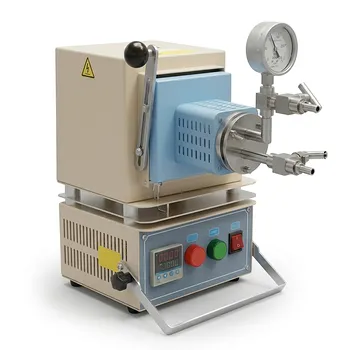
Compact Hybrid Muffle and Tube Furnace for 1000C Controlled Atmosphere Laboratory Material Sintering
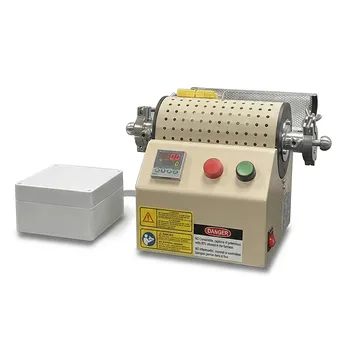
1000C Mini Tube Furnace with 20mm Quartz Tube and Vacuum Flanges for Material Science Research and Controlled Atmosphere Small Sample Processing
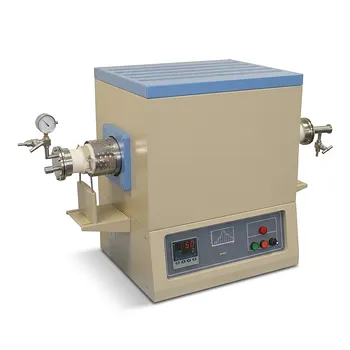
1700C High Temperature Alumina Tube Furnace with 18 Inch Heated Zone and Vacuum Sealing Flanges
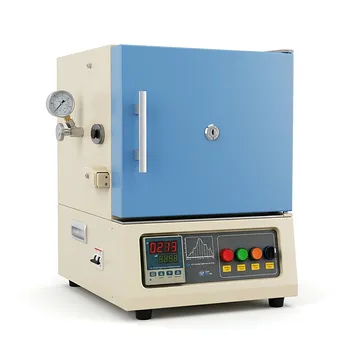
1200C Hybrid Muffle and Tube Furnace for Material Research with Dual Atmosphere Control Quartz Tubes
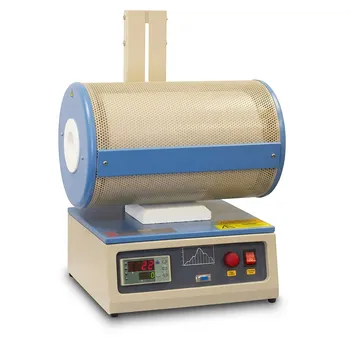
Multi Position Tube Furnace 1100C for Laboratory Material Research and Advanced Industrial Thermal Processing
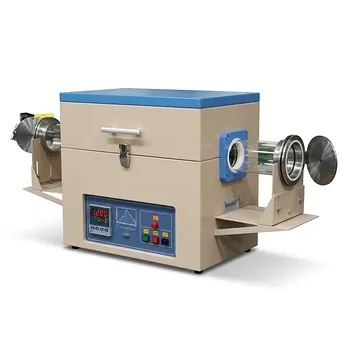
High Temperature 1200C Split Tube Furnace with Hinged Vacuum Flanges and 4 Inch Quartz Tube for Laboratory Research
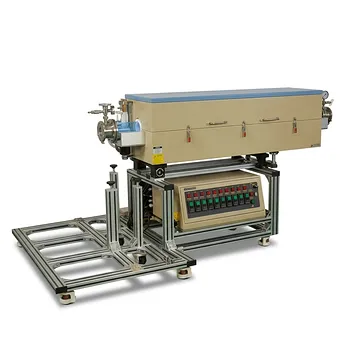
Ten Zone Multi Orientation Laboratory Tube Furnace for 1200C High Temperature Gradient Thermal Processing

High Temperature Automated 5 Inch Tube Furnace for Autonomous Material Research and Advanced Laboratory R&D

Vertical 1700C Vacuum and Atmosphere Tube Furnace with 80mm Alumina Tube

1800C High Temperature Compact Vacuum Tube Furnace with 60mm OD Alumina Tube and Kanthal MoSi2 Heating Elements
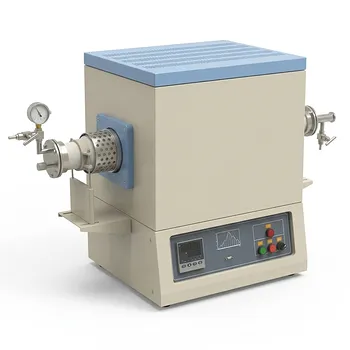
1750°C High Temperature Benchtop Vacuum Atmosphere Tube Furnace with Kanthal Super 1800 Heating Elements and 60mm Alumina Processing Tube
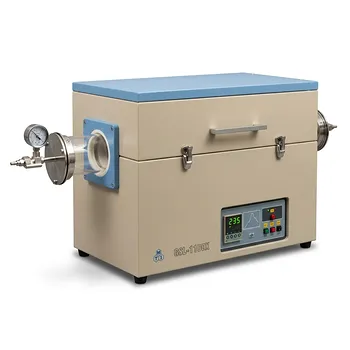
Single Zone Tube Furnace 5 Inch Quartz Tube 36 Inch Heating Zone Vacuum Flanges
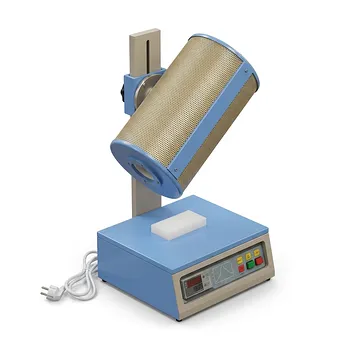
1100°C Vertical Laboratory Furnace for DIY Tubular Reactors with PID Temperature Controller
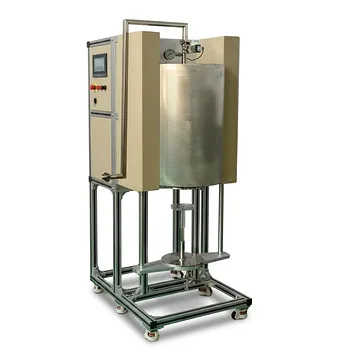
1200°C Atmosphere Controlled Automatic Bottom Loading Furnace with 6 Inch Quartz Tube
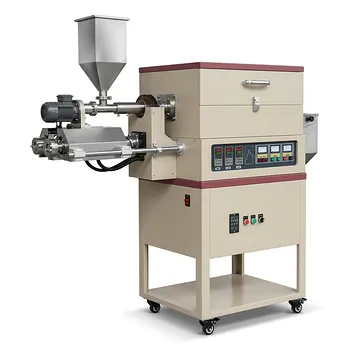
Laboratory Tilting Rotary Tubular Furnaces for Material Science and Industrial Heat Treatment
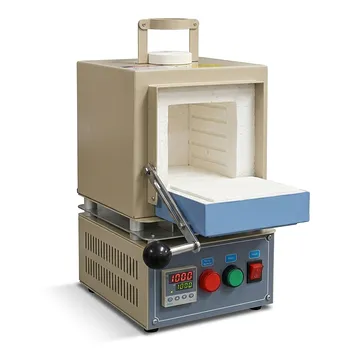
Compact 1000C Muffle Furnace with Programmable Controller and 2 Inch Top Port for Vacuum and Atmosphere Material Research
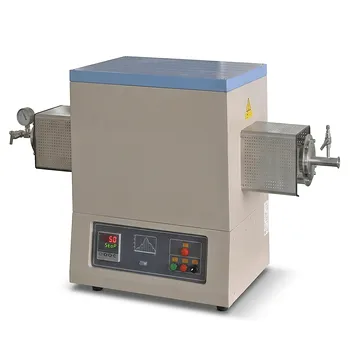
High Temperature 1700C Tube Furnace with 4 Inch OD Alumina Tube and Vacuum Sealing Flanges
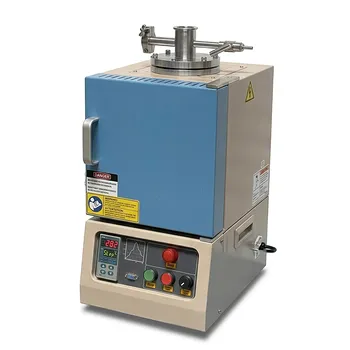
High Temperature Hybrid Muffle and Tube Furnace with Vacuum Capability and PID Control
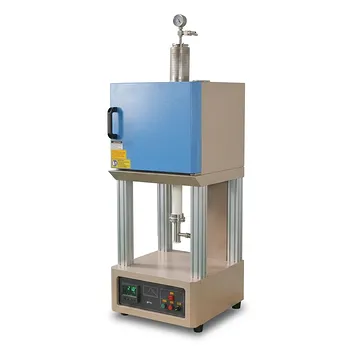
Hybrid High Temperature Tube and Box Furnace 1700C with 2 Inch Alumina Tube for Material Research
