What is the function of a laboratory horizontal tube furnace in alloy preparation? Master Hydrogen Reduction Processes
Updated 3 months ago
To prepare alloys through hydrogen reduction, a laboratory horizontal tube furnace acts as a sealed, high-precision thermal reactor that isolates metal oxide powders from the ambient atmosphere. By maintaining a stable temperature field and enabling a controlled flow of hydrogen gas, the furnace facilitates the chemical deoxygenation of the oxides and promotes the mutual diffusion of metal atoms to synthesize a homogeneous alloy structure in situ.
Core Takeaway: The horizontal tube furnace is the fundamental tool for alloy synthesis via reduction because it integrates precise isothermal control with a high-purity gas environment, ensuring that metal oxides are fully converted into metallic alloys without re-oxidation or contamination.
Atmospheric Isolation and Gas Management
Establishing a High-Purity Reduction Environment
The primary function of the furnace is to provide a sealed chamber, typically utilizing a quartz tube, to separate the reactants from oxygen and nitrogen in the air. This isolation is critical because any exposure to ambient air at high temperatures would lead to the re-oxidation of the metal powders or the formation of unwanted nitrides.
Facilitating Controlled Hydrogen Flow
The horizontal configuration allows for the continuous introduction of high-purity hydrogen gas across the surface of the powder bed. This ensures that the water vapor produced during the reduction reaction is constantly flushed out, shifting the thermodynamic equilibrium in favor of complete deoxygenation and the formation of metallic particles.
Pre-Reduction Purging and Safety
Before the reduction begins, the furnace allows for the introduction of inert gases, such as helium or nitrogen, to displace air within the tube. This purging step is essential for laboratory safety when working with hydrogen at elevated temperatures and prevents explosive mixtures from forming within the reaction zone.
Precision Thermal Control for Phase Transformation
Regulating Reduction Kinetics
The furnace provides a precisely controlled thermal field that allows researchers to dictate the rate of the reduction reaction. By maintaining specific temperatures—often ranging from 375 °C for iron ore to 1000 °C for more complex alloys—the furnace ensures that the reduction follows a controlled phase transformation sequence, moving from oxide to pure metal.
Promoting Solid-State Diffusion and Homogeneity
Once the oxides are reduced to their metallic state, the furnace maintains a stable high-temperature environment to facilitate mutual atomic diffusion. This solid-state reaction is what allows separate metal particles to merge into a single, homogeneous alloy phase without the need for traditional melting.
Managing Particle Morphology and Growth
Advanced tube furnaces utilize precise step-wise temperature control to influence the final microstructure of the alloy. By strictly regulating the heating profile, the furnace can inhibit particle coarsening and excessive sintering, allowing for the preparation of ultra-fine or nano-sized alloy powders with high surface area and catalytic activity.
Understanding the Trade-offs and Pitfalls
The Risk of Thermal Gradients
In a horizontal tube furnace, the "hot zone" is finite; if the powder boat is placed too far from the center, thermal gradients can lead to uneven reduction and a non-homogeneous alloy. Users must ensure the sample is positioned accurately within the uniform temperature zone of the heating elements.
Material Compatibility and Contamination
While quartz tubes are ideal for transparency and purity, they have temperature limitations and can react with certain aggressive metal vapors at high heat. Choosing the wrong tube material (e.g., using quartz when alumina is required for temperatures exceeding 1200 °C) can lead to structural failure or sample contamination.
Gas Flow and Mass Transfer Limitations
If the hydrogen flow rate is too low, the local concentration of water vapor around the powder can rise, stalling the reduction process. Conversely, excessive flow rates might blow fine metal powders out of the reaction boat, leading to material loss and potential equipment damage.
How to Apply This to Your Alloy Project
Making the Right Choice for Your Goal
- If your primary focus is maximizing alloy homogeneity: Ensure your furnace has a long "constant temperature zone" and allow for extended dwell times to promote complete atomic diffusion.
- If your primary focus is preventing particle coarsening: Utilize a furnace with rapid cooling capabilities and high-precision controllers to stop the sintering process as soon as reduction is complete.
- If your primary focus is high-purity synthesis: Prioritize a system with vacuum-tight seals and mass flow controllers to maintain a strict, oxygen-free environment throughout the heating and cooling cycles.
By mastering the balance between gas flow dynamics and precise thermal management, the horizontal tube furnace becomes a powerful instrument for the bottom-up synthesis of specialized metallic materials.
Summary Table:
| Function | Impact on Alloy Synthesis | Technical Benefit |
|---|---|---|
| Atmospheric Isolation | Prevents re-oxidation and contamination | Ensures high-purity metallic phases |
| Hydrogen Flow Management | Flushes out water vapor (by-product) | Drives thermodynamic equilibrium for complete reduction |
| Precision Thermal Control | Regulates reaction kinetics and atomic diffusion | Achieves homogeneous alloy structures and controlled grain size |
| Safety Purging | Displaces air with inert gases (He/N2) | Prevents explosive conditions during hydrogen introduction |
Elevate Your Alloy Research with THERMUNITS
Are you looking to achieve superior homogeneity and purity in your material synthesis? THERMUNITS is a leading manufacturer of high-temperature laboratory equipment specifically designed for material science and industrial R&D. Our horizontal tube furnaces provide the airtight precision and stable thermal environments essential for successful hydrogen reduction and alloy preparation.
Our comprehensive range of thermal processing solutions includes:
- Laboratory Furnaces: Muffle, Vacuum, Atmosphere, and Tube furnaces.
- Advanced Systems: CVD/PECVD systems, Rotary, and Hot Press furnaces.
- Industrial & Specialized: Electric rotary kilns, Vacuum Induction Melting (VIM) furnaces, and Dental furnaces.
- Components: High-quality Thermal Elements and heat treatment accessories.
Don't let inconsistent thermal fields or poor gas control limit your research potential. Contact THERMUNITS today to discuss your specific requirements and discover how our advanced thermal solutions can optimize your laboratory’s efficiency and results!
References
- Arun Kamalasekaran, Christopher Hulme. Synthesis of Copper–Nickel and Iron–Nickel Alloys by Hydrogen Reduction of Mixtures of Metal Oxide Powders. DOI: 10.1007/s40831-024-00886-3
Mentioned Products
- 1200°C 10-Zone Split Tube Furnace with Horizontal and Vertical Mounting for Multi-Zone Thermal Gradients and Large Diameter Material Processing
- Multi Position Tube Furnace 1100C for Laboratory Material Research and Advanced Industrial Thermal Processing
- Ten Zone Multi Orientation Laboratory Tube Furnace for 1200C High Temperature Gradient Thermal Processing
- Vertical 1700C Vacuum and Atmosphere Tube Furnace with 80mm Alumina Tube
- Split Vertical Tube Furnace with 1200C Quartz Tube and Stainless Steel Vacuum Flanges for Rapid Thermal Processing
People Also Ask
- What is the primary engineering purpose for using a customized ventilation hood when operating a split tube furnace? RCF Safety
- What are the technical advantages of using a multi-zone independently controlled tube furnace in the modified USP process?
- How does a split tube furnace contribute to the thermal stabilization of Clignin@H-TiO2? Achieve Structural Precision
- What are the specific advantages and use cases for a split tube furnace? Optimize Lab Efficiency & Material Research
- What are the advantages of using a split tube furnace for heating a catalytic reactor? Boost Efficiency and Precision

Tech Team · ThermUnits
Last updated on Jun 02, 2026
Related Products
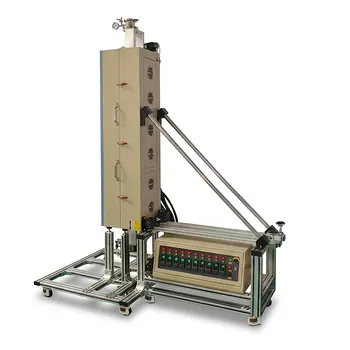
1200°C 10-Zone Split Tube Furnace with Horizontal and Vertical Mounting for Multi-Zone Thermal Gradients and Large Diameter Material Processing
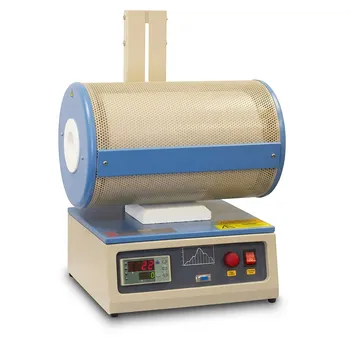
Multi Position Tube Furnace 1100C for Laboratory Material Research and Advanced Industrial Thermal Processing
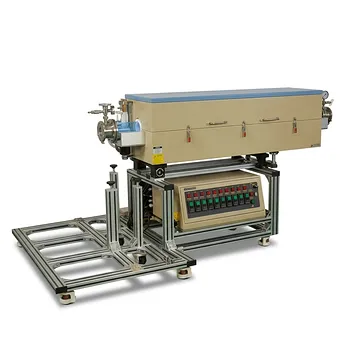
Ten Zone Multi Orientation Laboratory Tube Furnace for 1200C High Temperature Gradient Thermal Processing
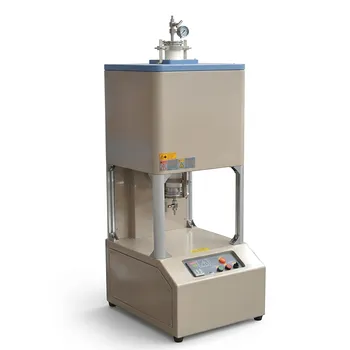
Vertical 1700C Vacuum and Atmosphere Tube Furnace with 80mm Alumina Tube
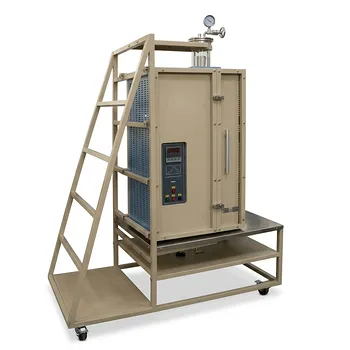
Split Vertical Tube Furnace with 1200C Quartz Tube and Stainless Steel Vacuum Flanges for Rapid Thermal Processing
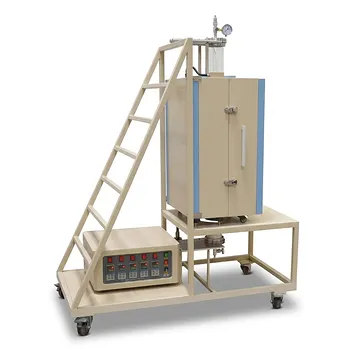
Five Zone Split Vertical Tube Furnace 1200C Max with 4 Inch Quartz Tube and Stainless Steel Vacuum Flanges

High Temperature 1700C Vertical Tube Furnace for Powder Spherification and Material Sintering
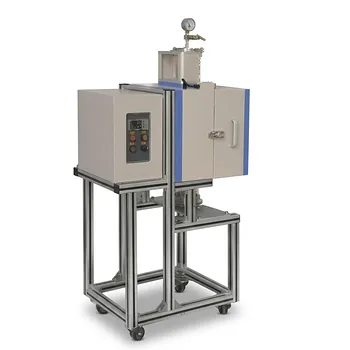
1200°C 5 Inch Vertical Quartz Tube Furnace with Stainless Steel Vacuum Flanges
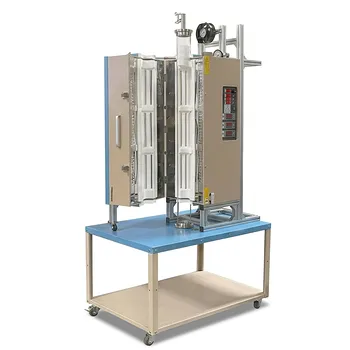
1200C Three Zone Split Vertical Tube Furnace 4 Inch Quartz Tube Stainless Steel Vacuum Flanges
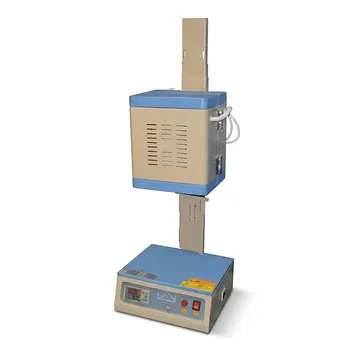
High Temperature Vertical Split Tube Furnace with PID Temperature Controller for 1 and 2 Inch Processing Tubes
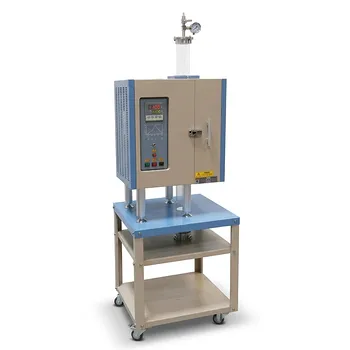
1100°C Split Vertical Tube Furnace with 80mm Quartz Tube and Stainless Steel Vacuum Flanges
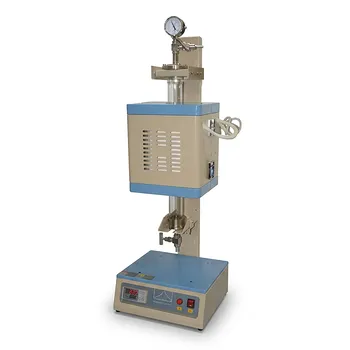
Compact Vertical Split Quartz Tube Furnace with Stainless Steel Vacuum Flanges for Rapid Thermal Quenching and Controlled Atmosphere Material Processing
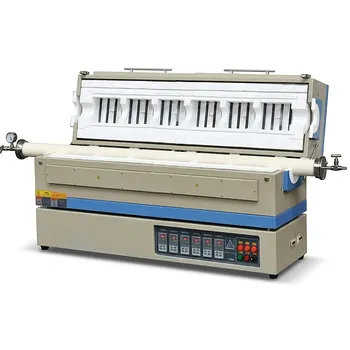
High Temperature 1700C Six Zone Split Tube Furnace with Alumina Tube and Water Cooled Flanges
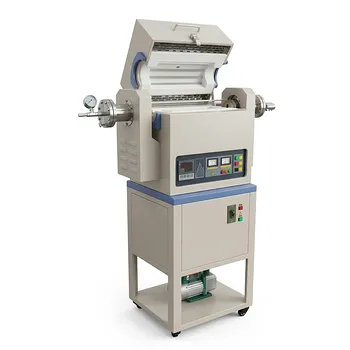
High Temperature Rotary Tilt Tubular Furnaces for Advanced Powder Sintering and Material Processing
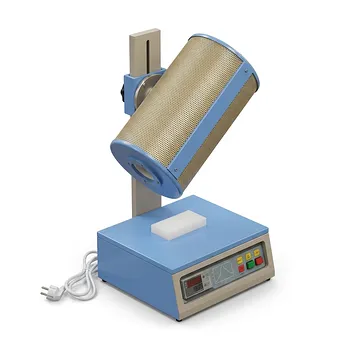
1100°C Vertical Laboratory Furnace for DIY Tubular Reactors with PID Temperature Controller
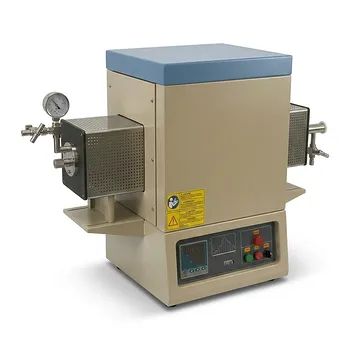
High Temperature 1700C Benchtop Tube Furnace with 5 Inch Heating Zone High Purity Alumina Tube and Vacuum Sealing Flanges
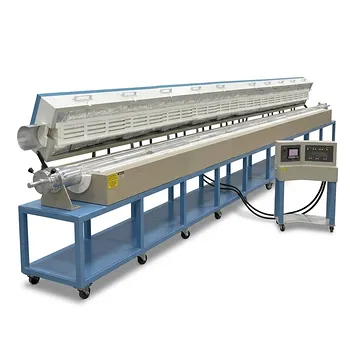
12 Zone Ultra Long Split Tube Furnace with 20 Foot Quartz Tube and 1100C Max Temperature
1100°C Large Diameter Quartz Tube Furnace with 24 Inch Heating Zone and Water Cooled Flanges
1600C Three Zone Split Tube Furnace with Alumina Tube and Vacuum Flange
