Why is a horizontal tube furnace utilized as the core equipment in proline pyrolysis? Master Precise Thermal Control
Updated 3 months ago
The horizontal tube furnace is the standard for proline pyrolysis because it provides a precise, oxygen-free thermal environment essential for mapping the migration of chemical products. Specifically, it enables researchers to maintain a stable, programmable temperature range (typically 300–600 °C) while using high-purity argon to prevent unwanted oxidation, ensuring the resulting char, tar, and gases are true reflections of the proline’s thermal degradation.
Core Takeaway: A horizontal tube furnace acts as a closed-system reactor that combines programmable thermal precision with atmospheric control, allowing for the complete recovery and analysis of all pyrolysis phases (solid, liquid, and gas).
Precision Control of the Thermal Environment
Programmable Heating Profiles
Proline pyrolysis requires specific heating rates and residence times to ensure consistent molecular breakdown. The tube furnace’s programmable temperature control allows researchers to execute multi-stage profiles, which is critical for observing how organic chains reorganize at different thermal thresholds.
Uniform Temperature Distribution
The design of the furnace ensures a uniform temperature field within the quartz tube. This uniformity prevents localized "cold spots" or "hot spots," ensuring that the proline sample reacts completely and predictably, which directly dictates the yield and chemical composition of the resulting products.
Stability in the Pyrolysis Range
For proline, maintaining a stable range between 300 and 600 °C is vital. The furnace’s high-precision thermal processing environment allows for the study of specific thermochemical conversions without the fluctuations that could lead to inconsistent data or incomplete carbonization.
Atmospheric Integrity and Gas Management
Maintaining an Inert Atmosphere
Pyrolysis must occur in an oxygen-deficient state to prevent the combustion of the sample. The horizontal tube furnace utilizes sealed flanges to facilitate the introduction of high-purity argon or nitrogen, creating a strictly inert environment that allows for the accurate study of gas release under anaerobic conditions.
Facilitating Migration Path Studies
The horizontal configuration is uniquely suited for migration path studies. By connecting the furnace outlet to downstream condensation and absorption devices, researchers can seamlessly collect and separate char, tar, and gases as they exit the heated zone.
Elimination of Volatile Contaminants
As proline undergoes chemical degradation and devolatilization, the continuous purge of inert gas discharges volatile components through the system. This ensures that the remaining solid phase (char) is not contaminated by secondary reactions with trapped gases, preserving the purity of the sample.
Understanding the Trade-offs
Sample Volume Constraints
One significant limitation of the horizontal tube furnace is its restricted volume. Because the reaction takes place within a narrow quartz or ceramic tube, researchers are limited to processing small batches of material, which may not fully represent the behavior of materials at an industrial scale.
Risk of Seal Failure
The integrity of the experiment relies entirely on the mechanical seals at either end of the tube. At high temperatures, thermal expansion can cause these seals to fail, introducing oxygen into the system which can lead to sample oxidation or even combustion, potentially ruining the data.
Material Build-up
During the pyrolysis of organic matter like proline, tar and heavy oils can condense at the cooler ends of the tube before they reach the collection devices. This can lead to tube blockages and inaccuracies in mass balance calculations if the equipment is not meticulously cleaned and monitored.
How to Apply This to Your Research
Implementing the Right Experimental Setup
When configuring your horizontal tube furnace for pyrolysis, your specific goals will dictate your technical parameters.
- If your primary focus is product yield analysis: Prioritize the seamless connection of downstream condensers and ensure your gas flow rate is optimized to transport all volatiles to the collection traps without cooling them prematurely.
- If your primary focus is carbonization structure: Focus on the precision of your heating rate and dwell time, as these factors determine the final graphitization degree and surface functional groups of the char.
- If your primary focus is atmospheric purity: Utilize high-purity argon and perform a pre-experiment vacuum purge to ensure all residual oxygen is removed from the tube before heating begins.
By leveraging the precise thermal and atmospheric controls of the horizontal tube furnace, you can transform complex organic precursors into clearly defined and measurable chemical components.
Summary Table:
| Feature | Benefit for Proline Pyrolysis | Research Value |
|---|---|---|
| Programmable Heating | Precise multi-stage temperature profiles | Consistent molecular breakdown and data reproducibility |
| Inert Atmosphere | Sealed flanges with argon/nitrogen purge | Prevents oxidation; ensures true anaerobic degradation |
| Horizontal Layout | Direct connection to condensation devices | Facilitates recovery of solid (char), liquid (tar), and gas |
| Uniform Heat Field | Prevents localized cold or hot spots | Ensures complete reaction and predictable chemical yields |
| High-Precision Control | Stability in the 300–600 °C range | Accurate mapping of thermochemical conversion thresholds |
Elevate Your Material Science Research with THERMUNITS
Precision is non-negotiable in pyrolysis and thermal degradation studies. THERMUNITS is a leading manufacturer of high-temperature laboratory equipment specifically designed for material science and industrial R&D. Our horizontal tube furnaces provide the rigorous atmospheric integrity and thermal stability required to transform complex organic precursors into measurable data.
From Muffle, Vacuum, and Atmosphere furnaces to specialized Tube, Rotary, and Hot Press systems, we offer a comprehensive range of solutions including CVD/PECVD systems, Dental Furnaces, electric rotary kilns, vacuum induction melting furnaces (VIM), and high-quality Thermal Elements.
Ready to enhance your lab's efficiency and experimental accuracy? Contact us today to find the ideal heat treatment solution tailored to your research goals!
References
- Shan Cheng, Lianghui Chen. Synergistic Catalytic Effects on Nitrogen Transformation during Biomass Pyrolysis: A Focus on Proline as a Model Compound. DOI: 10.3390/molecules29133118
Mentioned Products
- 1200°C 10-Zone Split Tube Furnace with Horizontal and Vertical Mounting for Multi-Zone Thermal Gradients and Large Diameter Material Processing
- Multi Position Tube Furnace 1100C for Laboratory Material Research and Advanced Industrial Thermal Processing
- Ten Zone Multi Orientation Laboratory Tube Furnace for 1200C High Temperature Gradient Thermal Processing
- Vertical 1700C Vacuum and Atmosphere Tube Furnace with 80mm Alumina Tube
- Split Vertical Tube Furnace with 1200C Quartz Tube and Stainless Steel Vacuum Flanges for Rapid Thermal Processing
People Also Ask
- What is the primary engineering purpose for using a customized ventilation hood when operating a split tube furnace? RCF Safety
- What are the technical advantages of using a multi-zone independently controlled tube furnace in the modified USP process?
- How does a split tube furnace contribute to the thermal stabilization of Clignin@H-TiO2? Achieve Structural Precision
- What are the specific advantages and use cases for a split tube furnace? Optimize Lab Efficiency & Material Research
- What are the advantages of using a split tube furnace for heating a catalytic reactor? Boost Efficiency and Precision

Tech Team · ThermUnits
Last updated on Jun 02, 2026
Related Products
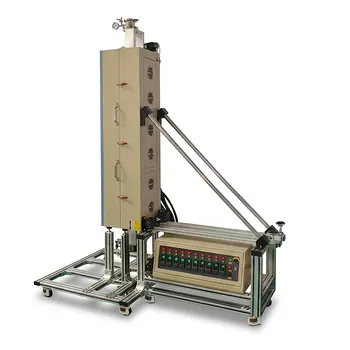
1200°C 10-Zone Split Tube Furnace with Horizontal and Vertical Mounting for Multi-Zone Thermal Gradients and Large Diameter Material Processing
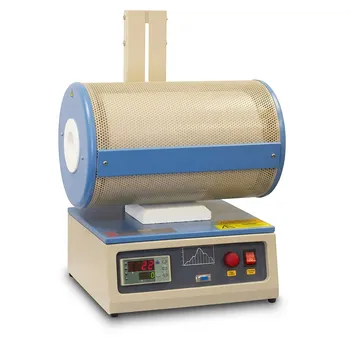
Multi Position Tube Furnace 1100C for Laboratory Material Research and Advanced Industrial Thermal Processing
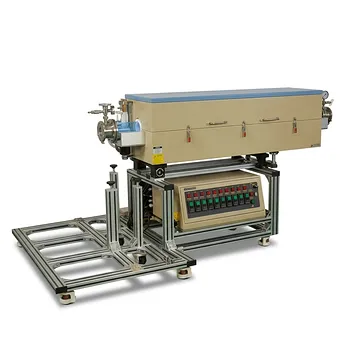
Ten Zone Multi Orientation Laboratory Tube Furnace for 1200C High Temperature Gradient Thermal Processing

Vertical 1700C Vacuum and Atmosphere Tube Furnace with 80mm Alumina Tube
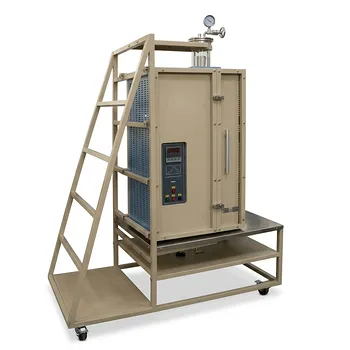
Split Vertical Tube Furnace with 1200C Quartz Tube and Stainless Steel Vacuum Flanges for Rapid Thermal Processing
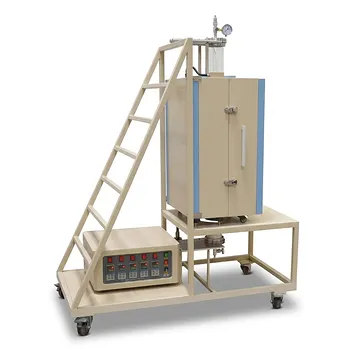
Five Zone Split Vertical Tube Furnace 1200C Max with 4 Inch Quartz Tube and Stainless Steel Vacuum Flanges

High Temperature 1700C Vertical Tube Furnace for Powder Spherification and Material Sintering

1200°C 5 Inch Vertical Quartz Tube Furnace with Stainless Steel Vacuum Flanges
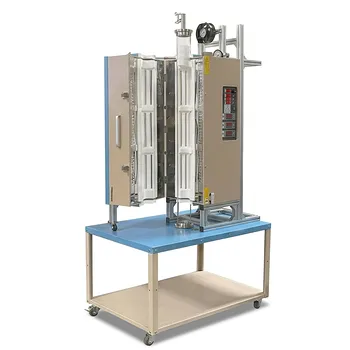
1200C Three Zone Split Vertical Tube Furnace 4 Inch Quartz Tube Stainless Steel Vacuum Flanges
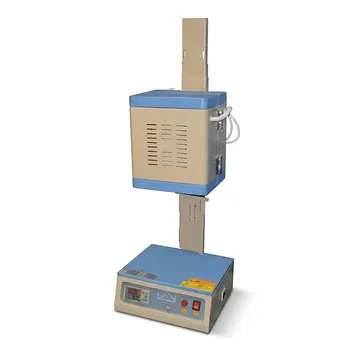
High Temperature Vertical Split Tube Furnace with PID Temperature Controller for 1 and 2 Inch Processing Tubes
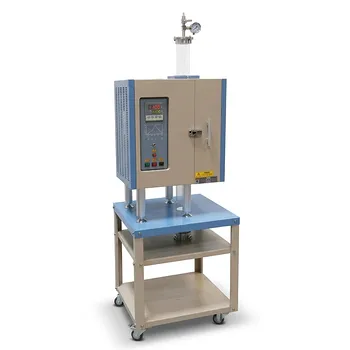
1100°C Split Vertical Tube Furnace with 80mm Quartz Tube and Stainless Steel Vacuum Flanges

Compact Vertical Split Quartz Tube Furnace with Stainless Steel Vacuum Flanges for Rapid Thermal Quenching and Controlled Atmosphere Material Processing
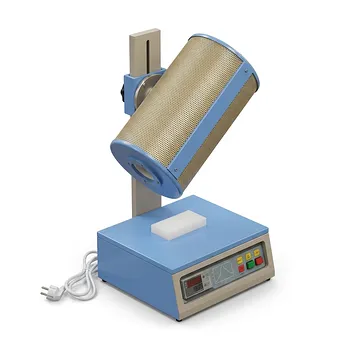
1100°C Vertical Laboratory Furnace for DIY Tubular Reactors with PID Temperature Controller

High Temperature 1700C Six Zone Split Tube Furnace with Alumina Tube and Water Cooled Flanges
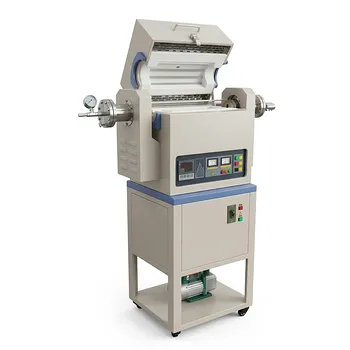
High Temperature Rotary Tilt Tubular Furnaces for Advanced Powder Sintering and Material Processing

High Temperature 1700C Benchtop Tube Furnace with 5 Inch Heating Zone High Purity Alumina Tube and Vacuum Sealing Flanges
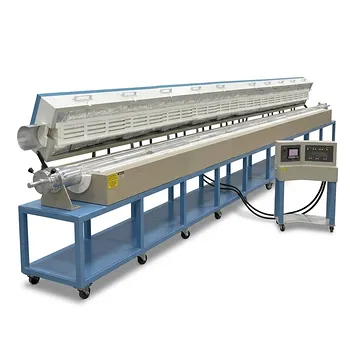
12 Zone Ultra Long Split Tube Furnace with 20 Foot Quartz Tube and 1100C Max Temperature
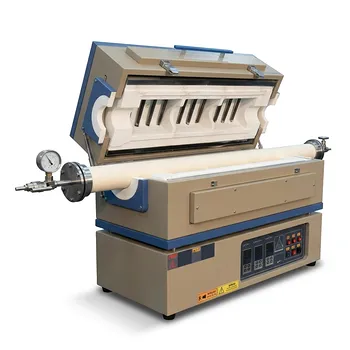
1600C Three Zone Split Tube Furnace with Alumina Tube and Vacuum Flange
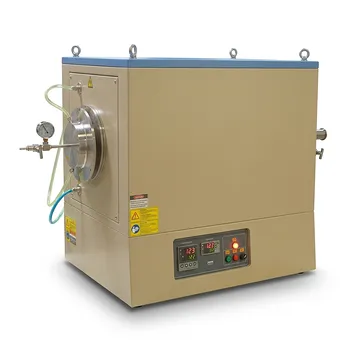
1100°C Large Diameter Quartz Tube Furnace with 24 Inch Heating Zone and Water Cooled Flanges
