What is the function of a laboratory tube furnace in wind turbine blade pyrolysis? Optimize Fiber Recovery & Recycling
Updated 3 months ago
The laboratory tube furnace acts as the primary thermal reactor for the controlled decomposition of wind turbine blade (WTB) composites. It provides a stable, high-temperature environment—typically between 400°C and 700°C—that facilitates the thermal degradation of the epoxy resin matrix. By precisely managing heat and atmosphere, the furnace enables the clean separation and recovery of structural glass fibers from the chemical resin components.
The tube furnace is the fundamental tool for transitioning wind turbine blade waste from a disposal problem to a resource recovery opportunity. It allows researchers to isolate the pyrolysis process within a controlled, anaerobic environment to optimize the balance between fiber integrity and resin breakdown.
Thermal Degradation and Fiber Recovery
Breaking Down the Resin Matrix
The primary function of the furnace is to drive the thermal degradation reaction of the epoxy resin that binds the blade together. In a sealed chamber, the furnace applies intense heat to break the chemical bonds of the polymer matrix without burning the entire material.
Preserving Glass Fiber Integrity
A critical research goal is determining the exact temperature where resin decomposes but glass fibers remain undamaged. The tube furnace allows for the systematic study of this relationship, ensuring the recovered fibers retain enough structural strength for reuse in new composite materials.
Facilitating Clean Separation
As the resin vaporizes into gases and oils, the remaining solid is a clean fiber reinforcement. The furnace's design ensures that this separation occurs uniformly, preventing the formation of "char" that can contaminate the fibers and reduce their market value.
Precision Control and Atmosphere Management
Maintaining Uniform Thermal Fields
The cylindrical geometry of the tube furnace provides highly uniform radial heating. This uniformity is essential for ensuring that every part of the composite sample experiences the same temperature, which is vital for collecting accurate, reproducible data.
Preventing Oxidative Mass Loss
By utilizing a nitrogen-protected atmosphere, the tube furnace prevents the materials from undergoing oxidation. This anaerobic environment is crucial for pyrolysis; it ensures the resin "cracks" into useful chemical byproducts rather than simply burning into ash and CO2.
Simulating Industrial Heating Rates
Researchers use both horizontal and vertical tube furnaces to simulate different industrial conditions. While horizontal setups allow for steady heating rates (e.g., 15–30 °C/min), vertical configurations allow samples to be introduced into a pre-heated zone to simulate "fast heating" and minimize secondary chemical reactions.
Optimizing Resource Efficiency
Characterizing Pyrolysis Byproducts
Beyond fiber recovery, the tube furnace is used to analyze the combustible gases released during the process, such as methane (CH4) and carbon monoxide (CO). Understanding these release patterns helps engineers design systems that can capture and use these gases as an energy source for the recycling process itself.
Influencing Product Distribution
The furnace allows researchers to observe how different heating rates influence the ratio of gas, oil, and solid products. By adjusting the residence time and temperature, the process can be tuned to maximize the production of high-value oils or specific gas concentrations.
Developing Pore Structures
In cases where the carbonized resin is intended for use as a bio-adsorbent, the furnace facilitates the formation of complex pore networks. This transformation turns the waste resin into a functional material, such as activated carbon, through precise carbonization and activation stages.
Understanding the Trade-offs
Scale and Throughput Limitations
While a tube furnace offers unmatched precision, it is a batch-processing tool with limited volume. It is ideal for identifying optimal chemical parameters but cannot directly simulate the mechanical complexities of moving large volumes of waste through a continuous industrial kiln.
Residence Time vs. Secondary Reactions
Maintaining a sample in the high-temperature zone for too long can trigger secondary reactions, where the primary oils break down into less valuable gases. Researchers must carefully balance the time required for full resin degradation against the risk of degrading the quality of the resulting pyrolysis oil.
Material Loading Challenges
The narrow diameter of the tube requires samples to be pre-processed into small fragments. This means the furnace results may not fully account for the "size effect" or heat transfer delays that occur when processing large, intact chunks of wind turbine blades in a commercial facility.
How to Apply This to Your Research Goal
Selecting the Right Approach
- If your primary focus is maximizing fiber strength: Prioritize a horizontal furnace with a slow, steady heating rate and a nitrogen atmosphere to prevent any surface oxidation of the glass.
- If your primary focus is chemical byproduct analysis: Use a vertical tube furnace to achieve fast heating rates and minimize the residence time of gases, ensuring the captured samples represent the primary pyrolysis products.
- If your primary focus is industrial scaling: Use the furnace to establish a "temperature map" of the resin's decomposition energy, which can then be used to calibrate larger-scale rotary kilns or fluidized bed reactors.
The laboratory tube furnace remains the gold standard for defining the thermal boundaries required to turn complex composite waste into high-quality recycled resources.
Summary Table:
| Feature | Role in WTB Pyrolysis |
|---|---|
| Temperature Range | Typically 400°C – 700°C for controlled resin decomposition |
| Atmosphere Control | Nitrogen-protected (anaerobic) to prevent oxidation and fiber loss |
| Thermal Uniformity | Cylindrical geometry ensures even heating for reproducible results |
| Primary Output | High-quality recovered glass fibers and chemical oils/gases |
| Research Use | Analyzing byproduct distribution and optimizing fiber integrity |
Elevate Your Material Recovery Research with THERMUNITS
Maximize the efficiency of your composite recycling processes with precision-engineered thermal equipment. As a leading manufacturer for material science and industrial R&D, THERMUNITS offers a comprehensive range of solutions including Tube, Rotary, and Atmosphere furnaces, CVD/PECVD systems, and Vacuum Induction Melting (VIM) furnaces tailored for advanced pyrolysis and heat treatment.
Whether you are scaling up wind turbine blade recycling or optimizing resin degradation, our expert team provides the high-temperature tools you need to succeed.
Contact us today to discuss your laboratory heat treatment requirements!
References
- Zhengmin Wang, Fei You. Pyrolysis-recycling Utilization Properties Waste Wind Turbine Composite Blades. DOI: 10.61935/acetr.2.1.2024.p552
Mentioned Products
- Multi Position Tube Furnace 1100C for Laboratory Material Research and Advanced Industrial Thermal Processing
- Compact Hybrid Muffle and Tube Furnace for 1000C Controlled Atmosphere Laboratory Material Sintering
- High Temperature Automated 5 Inch Tube Furnace for Autonomous Material Research and Advanced Laboratory R&D
- High Temperature 1700C Vertical Tube Furnace for Powder Spherification and Material Sintering
- 5 Inch Two Zone Rotary Tube Furnace 1100C for Powder CVD and Material Synthesis
People Also Ask
- Why use a tube furnace for oxygen annealing LaCrO3/LaMnO3? Optimize Phase Transition & Magnetic Performance.
- What key role does a laboratory high-temperature tube furnace play in the production of carbon nanofibers? Guide
- How is a laboratory high-temperature tube furnace utilized to research the products of aluminothermic reduction? Advanced Metallurgical Solutions
- What is the role of a laboratory tube furnace in the carbonization process of porous carbon foam (PCF)? Master 3D Synthesis
- What role does a laboratory tube furnace play in the pyrolysis and carbonization of biomass? Optimize Thermal Research.

Tech Team · ThermUnits
Last updated on Jun 03, 2026
Related Products
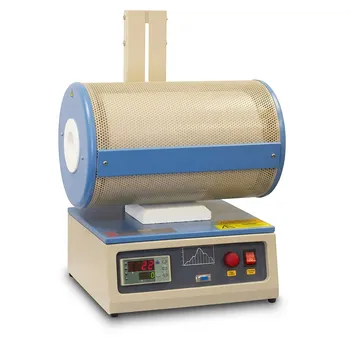
Multi Position Tube Furnace 1100C for Laboratory Material Research and Advanced Industrial Thermal Processing
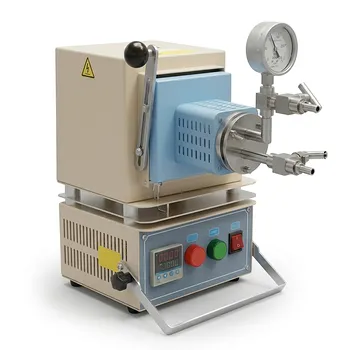
Compact Hybrid Muffle and Tube Furnace for 1000C Controlled Atmosphere Laboratory Material Sintering

High Temperature Automated 5 Inch Tube Furnace for Autonomous Material Research and Advanced Laboratory R&D

High Temperature 1700C Vertical Tube Furnace for Powder Spherification and Material Sintering
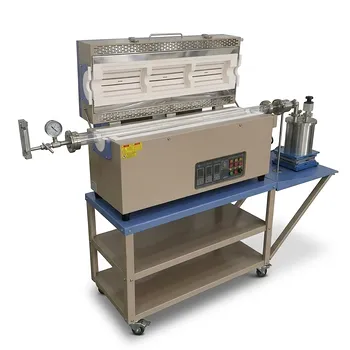
5 Inch Two Zone Rotary Tube Furnace 1100C for Powder CVD and Material Synthesis
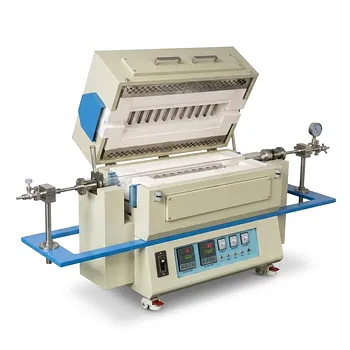
High Temperature Dual Zone Rotating Tube Furnace 1500C Silicon Carbide Heating for Advanced Material Synthesis
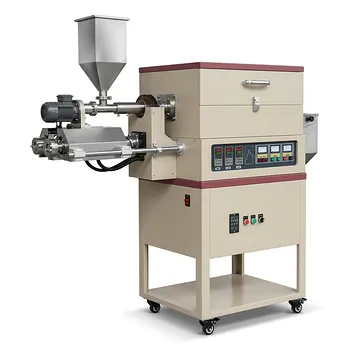
Laboratory Tilting Rotary Tubular Furnaces for Material Science and Industrial Heat Treatment
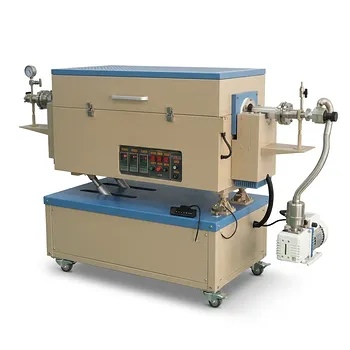
Three Zone Rotary Tube Furnace for High Temperature Powder Processing and Material Research
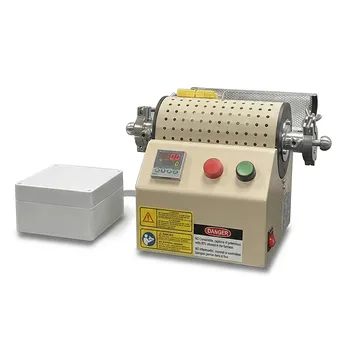
1000C Mini Tube Furnace with 20mm Quartz Tube and Vacuum Flanges for Material Science Research and Controlled Atmosphere Small Sample Processing

Compact Vertical Split Quartz Tube Furnace with Stainless Steel Vacuum Flanges for Rapid Thermal Quenching and Controlled Atmosphere Material Processing
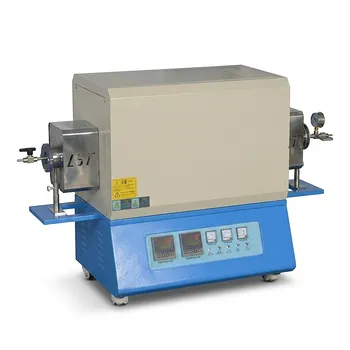
High Temperature Dual Zone Vacuum Tube Furnace for Material Research and CVD Processing
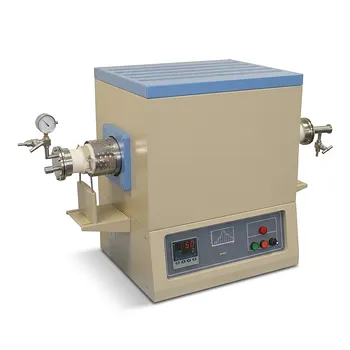
1700C High Temperature Alumina Tube Furnace with 18 Inch Heated Zone and Vacuum Sealing Flanges
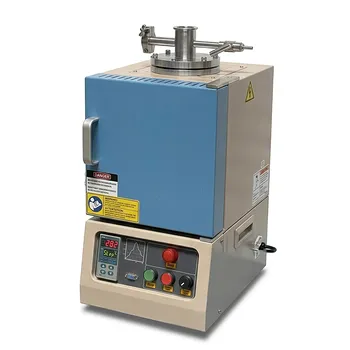
High Temperature Hybrid Muffle and Tube Furnace with Vacuum Capability and PID Control

1800C High Temperature Compact Vacuum Tube Furnace with 60mm OD Alumina Tube and Kanthal MoSi2 Heating Elements
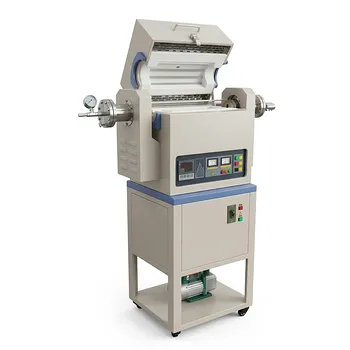
High Temperature Rotary Tilt Tubular Furnaces for Advanced Powder Sintering and Material Processing
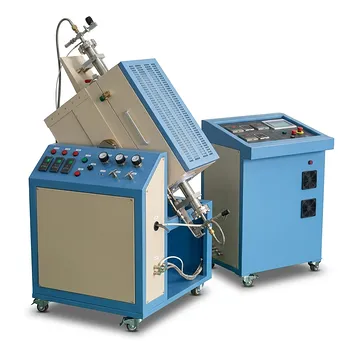
1100C High Pressure Rocking Tube Furnace with 2 Inch Super Alloy Processing Tube for Material Synthesis
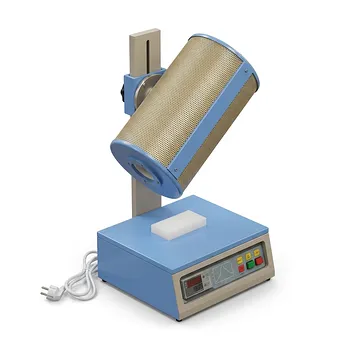
1100°C Vertical Laboratory Furnace for DIY Tubular Reactors with PID Temperature Controller
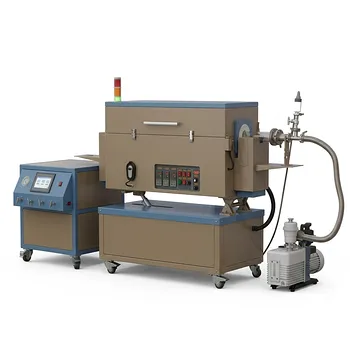
5 Inch Three Zone Rotary Tube Furnace with Integrated Gas Delivery System and 1200C Capability for Advanced Material CVD Processing
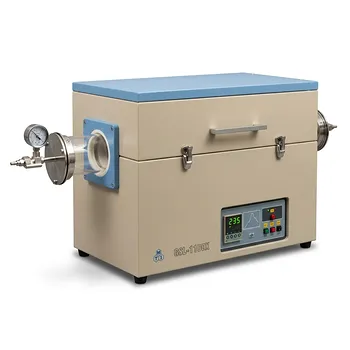
Single Zone Tube Furnace 5 Inch Quartz Tube 36 Inch Heating Zone Vacuum Flanges
