What is the function of a tube furnace when integrated with a material testing machine? Insights for Nodular Cast Iron
Updated 3 months ago
The primary function of a tube furnace integrated with a universal material testing machine is to create a precisely controlled, high-temperature environment that mimics the real-world service conditions of materials. This setup allows for the simultaneous application of thermal energy and mechanical tensile loads to nodular cast iron. By doing so, it enables researchers to observe how temperature and strain rates jointly influence the material’s strength, plasticity, and overall forming performance.
This integrated system serves as a specialized hardware platform for thermo-mechanical analysis. It provides the necessary data to understand how nodular cast iron behaves under the combined stressors of heat and physical tension, which is critical for industrial applications.
Simulating Real-World Service Environments
Precision Thermal Control
The tube furnace acts as a high-precision heating chamber that surrounds the specimen during the testing process. It ensures the material reaches and maintains a uniform temperature field, which is essential for accurate data collection.
Without this precise control, temperature fluctuations could lead to inconsistent results, making it impossible to isolate the effects of heat on the material's mechanical properties.
Synchronous Loading Capabilities
By integrating the furnace directly with a universal material testing machine, engineers can apply synchronous tensile loads while the material is at peak temperature. This interaction is the core of thermo-mechanical treatment, as it tests the material’s limits under stress in an energized state.
This capability is vital for studying the forming performance of nodular cast iron, providing insights into how the material can be shaped or processed at high temperatures without failing.
Influencing Material Behavior and Microstructure
Diffusion and Phase Transformation
High-temperature environments provided by the furnace facilitate elemental diffusion within the nodular cast iron matrix. This thermal energy can induce changes in the crystalline structure and promote the precipitation of carbides or other phases.
Understanding these microstructural shifts is key to predicting how the material will age or degrade over long-term service in high-heat industrial environments.
Evaluating Strain Rates and Plasticity
The combination of heat and mechanical stress allows for the detailed study of strain rates. At elevated temperatures, nodular cast iron typically exhibits increased plasticity, and the furnace-testing machine duo measures exactly how much the material can deform before rupture.
This data helps manufacturers determine the optimal conditions for industrial processes such as hot forging or high-temperature structural support.
Understanding the Trade-offs and Limitations
Thermal Gradients and Specimen Size
One major challenge is maintaining absolute temperature uniformity across the entire length of the specimen. Larger samples may experience thermal gradients, where the core is cooler than the surface, potentially leading to skewed mechanical data.
Oxidation and Atmospheric Interference
At high temperatures, nodular cast iron is susceptible to oxidation, which can create a brittle layer on the surface of the specimen. Unless the tube furnace is equipped with atmosphere control (such as inert gas purging), the surface reaction can interfere with the accuracy of the tensile test results.
Sensor Calibration Hurdles
Operating mechanical sensors, such as extensometers, within or near a high-temperature furnace is technically demanding. Standard sensors may fail or lose accuracy under extreme heat, requiring specialized high-temperature instrumentation that can be costly and difficult to calibrate.
How to Apply This to Your Project
Making the Right Choice for Your Goal
To maximize the utility of a tube furnace integrated with a testing machine, you must align the equipment capabilities with your specific research objectives.
- If your primary focus is industrial reliability: Prioritize a setup that can simulate specific atmosphere conditions (oxidizing or reducing) to see how environmental chemistry affects mechanical longevity.
- If your primary focus is manufacturing process design: Focus on the system's ability to vary strain rates at specific temperatures to find the "sweet spot" for material forming and ductility.
- If your primary focus is microstructural research: Ensure the furnace provides multi-stage programmable temperature control to study how specific heating and cooling curves alter the internal matrix of the cast iron.
By effectively bridging the gap between thermal processing and mechanical testing, this integrated hardware provides the definitive data required to push the limits of material performance.
Summary Table:
| Key Feature | Function | Impact on Research |
|---|---|---|
| Precision Heating | Maintains a uniform temperature field | Ensures accurate, repeatable thermal data |
| Synchronous Loading | Applies tensile stress at peak heat | Simulates real-world service environments |
| Atmosphere Control | Prevents oxidation of specimens | Protects material integrity during testing |
| Strain Rate Analysis | Measures deformation limits | Optimizes forging and manufacturing processes |
Elevate Your Material Research with THERMUNITS
Precise thermo-mechanical analysis requires hardware that delivers absolute accuracy under extreme conditions. THERMUNITS is a leading manufacturer of high-temperature laboratory equipment specifically designed for material science and industrial R&D.
We provide the tools you need to push the boundaries of material performance, including:
- Tube & Atmosphere Furnaces for specialized environment testing.
- Muffle, Vacuum, and Hot Press Furnaces for advanced heat treatment.
- CVD/PECVD Systems and Vacuum Induction Melting (VIM) furnaces.
- Rotary Kilns and Dental Furnaces for diverse industrial applications.
Ready to enhance your lab’s capabilities? Contact us today to discover how our high-precision thermal solutions can streamline your testing and research workflows!
References
- Mohammed Y. Abdellah, Ahmed H. Backar. Mechanical Properties and Fracture Toughness Prediction of Ductile Cast Iron under Thermomechanical Treatment. DOI: 10.3390/met14030352
Mentioned Products
- High Temperature Dual Zone Tube Furnace for Material Science Research and Professional Thermal Processing
- 1200C Sliding Tube Furnace for Rapid Thermal Processing and CVD Graphene Growth with 100mm OD Capacity
- 1100C Tube Furnace with Vacuum Flange and Programmable Temperature Controller for Material Science and Industrial Heat Treatment
- High Temperature Bottom Loading Vertical Furnace 1700C Dual Stage Sample Processing System 18L Large Capacity Thermal Treatment Equipment
- High Temperature Tube Furnace 1500C with Sliding Flanges and 50mm OD for Rapid Thermal Processing Fast Heating and Cooling
People Also Ask
- Purpose of the reverse gradient step in CVT growth? Master Crystal Purity with Dual-Zone Furnaces
- What is the primary function of an industrial-grade dual-zone tube furnace? Mastering CuInP2S6 CVT Crystal Growth
- Why is a dual-zone tube furnace necessary for ReO3-doped Cu2Te CVD? Essential for precise precursor synchronization.
- What are the advantages of using a dual-zone tube furnace for MoS2 CVD? Optimize Precursor Control and Material Quality
- Why is it necessary to place MoS2 devices in a dual-zone tube furnace for annealing? Optimize Lattice Repair & Doping

Tech Team · ThermUnits
Last updated on Jun 02, 2026
Related Products
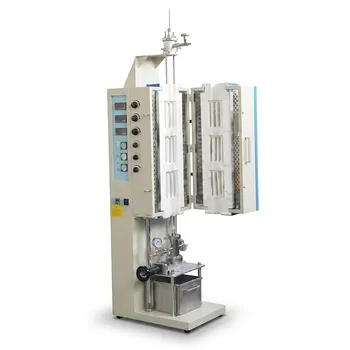
High Temperature Dual Zone Tube Furnace for Material Science Research and Professional Thermal Processing
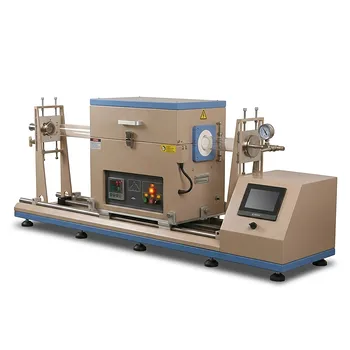
1200C Sliding Tube Furnace for Rapid Thermal Processing and CVD Graphene Growth with 100mm OD Capacity

1100C Tube Furnace with Vacuum Flange and Programmable Temperature Controller for Material Science and Industrial Heat Treatment
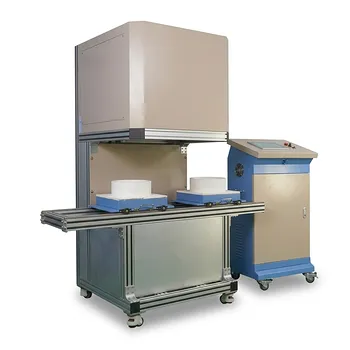
High Temperature Bottom Loading Vertical Furnace 1700C Dual Stage Sample Processing System 18L Large Capacity Thermal Treatment Equipment

High Temperature Tube Furnace 1500C with Sliding Flanges and 50mm OD for Rapid Thermal Processing Fast Heating and Cooling

High Temperature 1700C Vertical Tube Furnace for Powder Spherification and Material Sintering
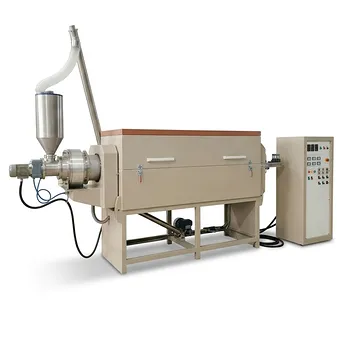
Continuous Feeding Rotary Tube Furnace for Industrial Powder Heat Treatment and Material Research
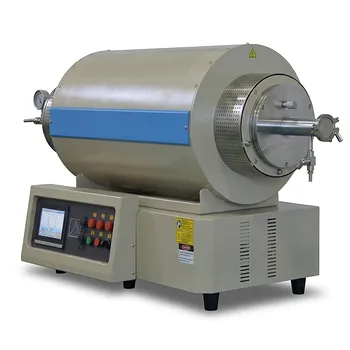
1200C Max Three Zone Tube Furnace 6 Inch OD Max with Tube and Flange

Compact High Temperature 1600C Tube Furnace with 50mm Alumina Tube and Vacuum Flanges for Material Sintering
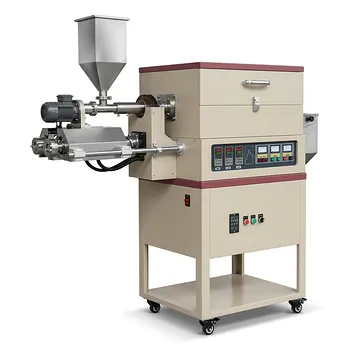
Laboratory Tilting Rotary Tubular Furnaces for Material Science and Industrial Heat Treatment
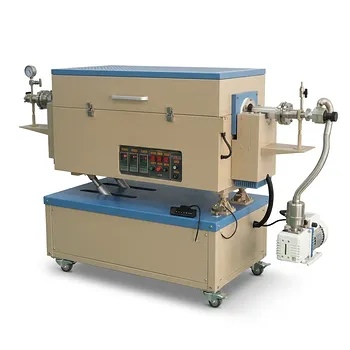
Three Zone Rotary Tube Furnace for High Temperature Powder Processing and Material Research
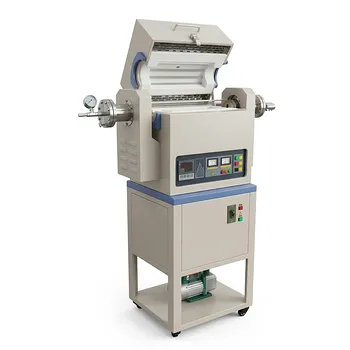
High Temperature Rotary Tilt Tubular Furnaces for Advanced Powder Sintering and Material Processing
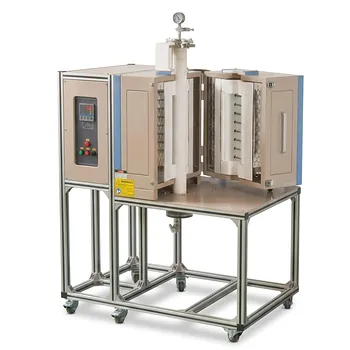
High Temperature 1700C Vertical Split Tube Furnace for Material Quenching and Single Crystal Growth

1200°C 5 Inch Vertical Quartz Tube Furnace with Stainless Steel Vacuum Flanges
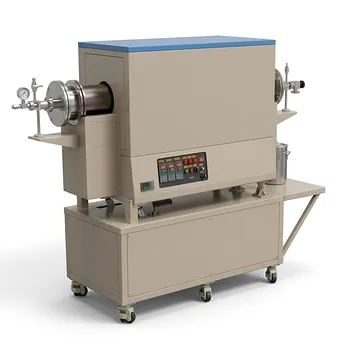
900°C Max Rotary Tube Furnace with 8 Inch 310S Alloy Tube and Optional Multi Zone Heating for Industrial Material Calcination
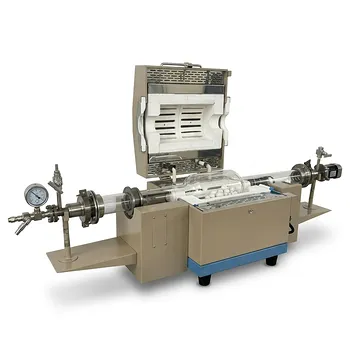
High Temperature Rotary Tube Furnace with Integrated Ball Milling and Gas Flow Function for Powder Nitriding
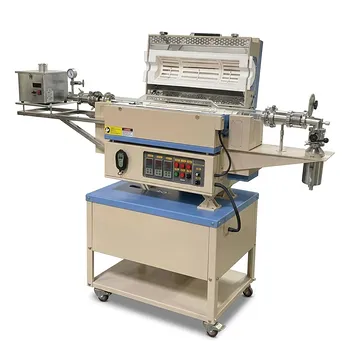
5 Inch Rotary Tube Furnace with Automatic Feeding and Receiving System 1200C Three Zone CVD Powder Processing
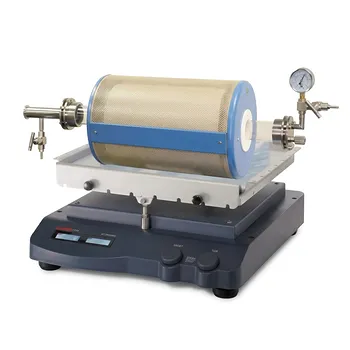
High Temperature Rocking Tube Furnace with Quartz Tube and Vacuum Flange for Materials Synthesis

High Temperature 1700C Tube Furnace with 4 Inch OD Alumina Tube and Vacuum Sealing Flanges