What is the function of secondary annealing for NiCo catalysts? Optimize HER performance with tube furnace precision.
Updated 3 months ago
The secondary annealing process is the critical thermal treatment phase that defines the catalytic potential of the material. This process functions primarily to reduce and alloy nickel (Ni) and cobalt (Co) precursors into uniformly distributed bimetallic nanoparticles on the activated carbon surface. By maintaining a precise 800°C environment under nitrogen protection, the furnace facilitates the chemical transformation and metallurgical bonding necessary for high-performance Hydrogen Evolution Reactions (HER).
The secondary annealing process transforms raw metal precursors into stable NiCo alloys while firmly anchoring them to the activated carbon carrier. This controlled thermal environment is essential for achieving the uniform nanoparticle distribution and electronic coupling required for superior electrochemical activity.
Facilitating Chemical Reduction and Alloying
Conversion of Metal Precursors
The high-temperature environment of the tube furnace triggers the thermal decomposition of metal salts, such as nickel nitrate, adsorbed on the carbon surface. This step is vital for stripping away volatile components and leaving behind pure metallic species.
Formation of Bimetallic NiCo Nanoparticles
At 800°C, the nickel and cobalt atoms gain sufficient mobility to undergo alloying. This results in the formation of NiCo nanoparticles, which exhibit different electronic properties and higher catalytic efficiency than their individual metal counterparts.
Induction of the Reduction Process
The tube furnace provides a controlled anaerobic environment that allows the carbon substrate or the inert gas flow to facilitate the reduction of metal oxides. This ensures the active sites are in the required metallic or alloyed state for electrochemical applications.
Optimizing the Catalyst-Support Interface
Strengthening Substrate Adhesion
Secondary annealing ensures a strong interaction between the newly formed metal nanoparticles and the activated carbon substrate. This "anchoring" effect prevents the active metal components from leaching or aggregating during demanding electrochemical cycles.
Controlling Particle Size and Dispersion
The constant and uniform heat of the tube furnace is essential for regulating the growth of the nanoparticles. Proper thermal control prevents excessive grain growth, ensuring that the active sites remain highly dispersed across the high-surface-area carbon carrier.
Enhancing Electronic Coupling
The thermal energy promotes the formation of chemical bonds at the interface between the metal and the carbon. This enhances the electronic coupling effect, which streamlines electron transfer during the Hydrogen Evolution Reaction.
Protecting the Material Architecture
Preventing Carrier Degradation
Using a nitrogen-protected atmosphere in the tube furnace is non-negotiable for preserving the carbon support. Without this inert environment, the activated carbon would undergo oxidation or gasification, destroying the catalyst's structural integrity.
Maintaining Porous Networks
The secondary annealing process helps stabilize the porous structure of the activated carbon while the metal precursors decompose. This ensures that the final catalyst retains a high specific surface area, allowing reactants to access the active NiCo sites easily.
Solidifying Crystal Structure
The high-temperature treatment increases the crystallinity of the metallic phases. Highly crystalline structures are generally more stable and provide better long-term durability in corrosive electrochemical environments.
Understanding the Trade-offs and Pitfalls
The Risk of Thermal Sintering
While high temperatures are required for alloying, excessive heat can lead to sintering, where small nanoparticles merge into large clusters. This significantly reduces the active surface area and degrades the catalyst's overall performance.
Atmosphere Sensitivity
Any fluctuation in the nitrogen purity or a leak in the tube furnace can introduce oxygen. Even trace amounts of oxygen at 800°C can result in the premature oxidation of the nickel and cobalt or the unintended combustion of the activated carbon carrier.
Precise Temperature Windows
Deviating from the optimal 800°C range can result in incomplete precursor decomposition (if too low) or the collapse of the carbon's micropore structure (if too high). Success depends on the thermal uniformity provided by the furnace.
How to Apply This to Your Project
Recommendations for Catalyst Synthesis
- If your primary focus is maximizing HER activity: Ensure the annealing temperature reaches the full 800°C to guarantee complete alloying and strong electronic coupling between the NiCo and the carbon.
- If your primary focus is catalyst longevity: Prioritize the "anchoring" effect by maintaining the soak time at high temperatures to solidify the bond between the nanoparticles and the substrate.
- If your primary focus is maintaining high surface area: Monitor the heating rate and cooling cycles within the tube furnace to prevent the collapse of the activated carbon’s delicate pore structure.
By precisely controlling the secondary annealing environment, you transform a simple mixture of carbon and metal salts into a robust, high-performance bimetallic catalyst.
Summary Table:
| Function | Key Mechanism | Impact on Catalyst Performance |
|---|---|---|
| Alloying | High-temperature atomic mobility | Creates NiCo bimetallic sites for higher HER activity. |
| Reduction | Thermal decomposition in N2 | Converts metal salts into active metallic nanoparticles. |
| Anchoring | Interface chemical bonding | Prevents metal leaching and ensures long-term stability. |
| Structure Control | Precise 800°C heat regulation | Maintains carbon porosity while preventing sintering. |
| Protection | Nitrogen-inert atmosphere | Prevents oxidation of NiCo and degradation of carbon carrier. |
Maximize Your Catalyst Potential with THERMUNITS
Precise thermal control is the cornerstone of advanced material synthesis. THERMUNITS is a leading manufacturer of high-temperature laboratory equipment specifically designed for material science and industrial R&D. Our high-precision tube furnaces provide the atmosphere integrity and temperature uniformity essential for secondary annealing of bimetallic catalysts and beyond.
Our Comprehensive Thermal Solutions Include:
- Tube & Atmosphere Furnaces: Ideal for controlled reduction and alloying.
- Vacuum, Muffle, & Rotary Furnaces: For versatile heat treatment needs.
- CVD/PECVD Systems: Advanced thin-film and nanomaterial deposition.
- Specialized Equipment: Hot Press furnaces, Vacuum Induction Melting (VIM), Dental Furnaces, and Electric Rotary Kilns.
Ready to optimize your heat treatment process? Contact THERMUNITS today to explore how our laboratory heat treatment equipment can enhance your R&D efficiency and material performance.
References
- Mohamed Helally, Noora Al‐Qahtani. Sustainable Hydrogen from Activated Carbon Derived from Fennel Waste. DOI: 10.3390/materproc2024018004
Mentioned Products
- Double Temperature Zone Double Cover Tube Furnace for High Temperature CVD and Vacuum Annealing
- High Throughput 1200C Four Channel Tube Furnace with 3 Inch Quartz Tubes for Multi Zone Annealing and Material Research
- 1200C High Throughput Multi Channel Tube Furnace with 50mm Quartz Tubes for Annealing and Material Phase Diagram Research
- Vertical Openable Tube Furnace 0-1700c High Temperature Laboratory System for CVD and Vacuum Heat Treatment
- Two Zone Rotary Tube Furnace for Powder CVD Coating and Core Shell Material Synthesis 1100C
People Also Ask
- How is a dual-temperature zone tube furnace configured for MXene-based metal phosphides? Expert Synthesis Guide
- What is the function of a dual-zone tube furnace in CVD for 2D perovskites? Optimize Precision & Film Uniformity
- What are the technical advantages of a dual-zone tube furnace for phosphidation? Optimize Cobalt Nanowall Synthesis.
- Why is a Tube Furnace typically utilized for CVD? Achieve Precision in Graphene and 2D Material Synthesis
- What are the advantages of using a dual-zone tube furnace for MoS2 CVD? Optimize Precursor Control and Material Quality

Tech Team · ThermUnits
Last updated on Jun 03, 2026
Related Products
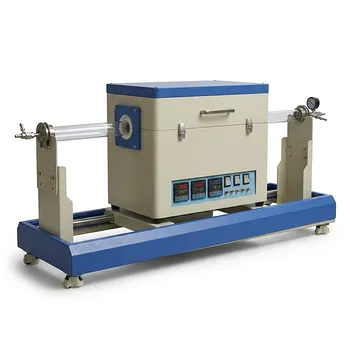
Double Temperature Zone Double Cover Tube Furnace for High Temperature CVD and Vacuum Annealing
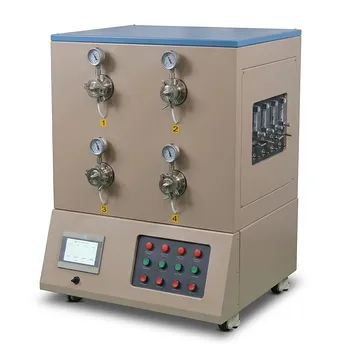
High Throughput 1200C Four Channel Tube Furnace with 3 Inch Quartz Tubes for Multi Zone Annealing and Material Research
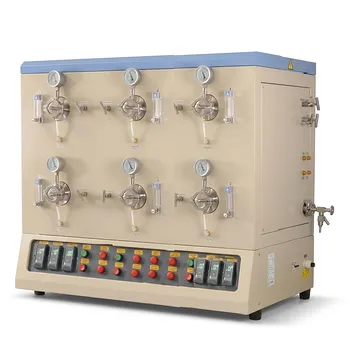
1200C High Throughput Multi Channel Tube Furnace with 50mm Quartz Tubes for Annealing and Material Phase Diagram Research
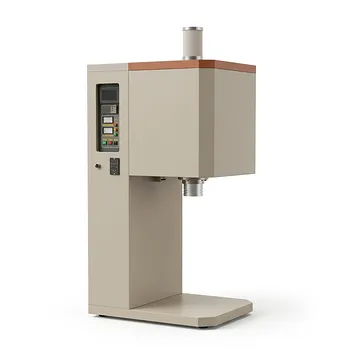
Vertical Openable Tube Furnace 0-1700c High Temperature Laboratory System for CVD and Vacuum Heat Treatment
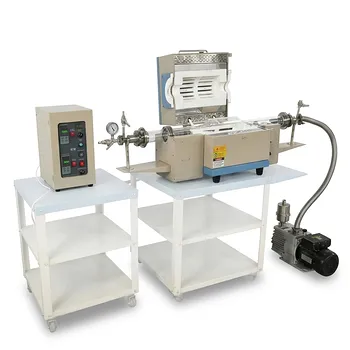
Two Zone Rotary Tube Furnace for Powder CVD Coating and Core Shell Material Synthesis 1100C
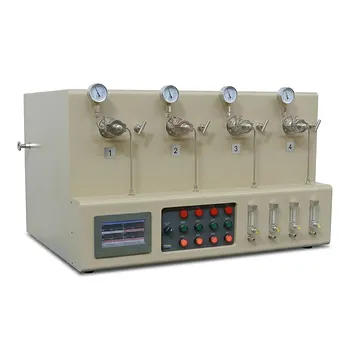
High Temperature 1700C 4 Channel Tube Furnace 1 Inch Alumina Tube for Hi-Throughput Annealing
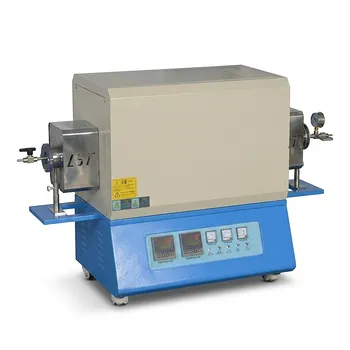
High Temperature Dual Zone Vacuum Tube Furnace for Material Research and CVD Processing
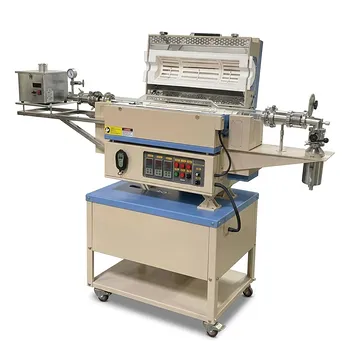
5 Inch Rotary Tube Furnace with Automatic Feeding and Receiving System 1200C Three Zone CVD Powder Processing
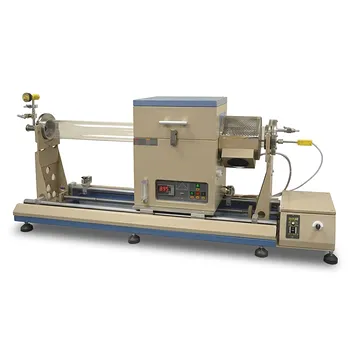
900 ºC Max Sliding RTP Tube Furnace with Rapid IR Heating and 4 Inch OD Quartz Tube
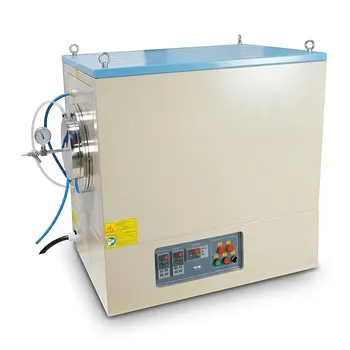
Dual Zone Tube Furnace 1100C with 11 Inch Quartz Tube and Vacuum Flanges for 8 Inch Wafer Processing
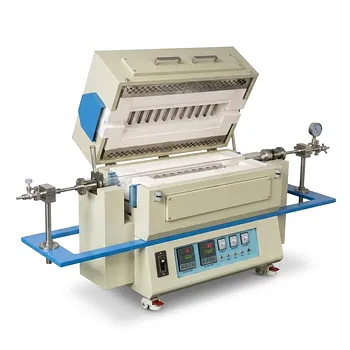
High Temperature Dual Zone Rotating Tube Furnace 1500C Silicon Carbide Heating for Advanced Material Synthesis
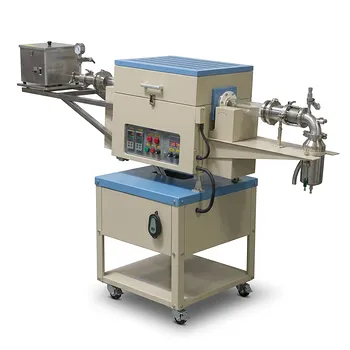
Two Zone Rotary CVD Furnace with Automatic Feeding and Receiving System for Powder Processing
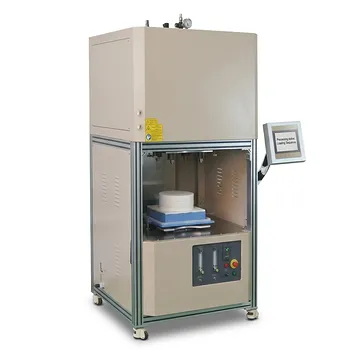
High Temperature Vertical Atmosphere Controlled Furnace with Automatic Bottom Loading and 1700°C Capacity for Advanced Material Research

High Temperature 1700C Vertical Tube Furnace for Powder Spherification and Material Sintering
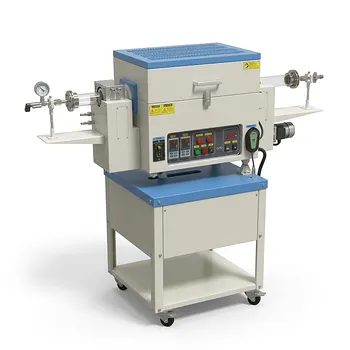
4 Inch Two Zone Rotary CVD Tube Furnace for High Temperature Battery Material Synthesis and Advanced Material Calcination
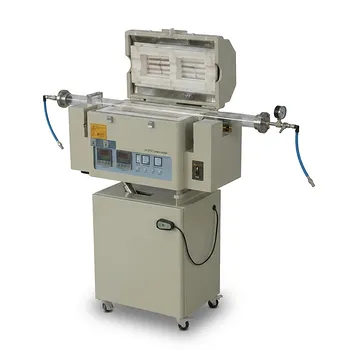
Double Temperature Revolving Tube Furnace with Precision Rotation and Adjustable Inclination for Advanced Material Research
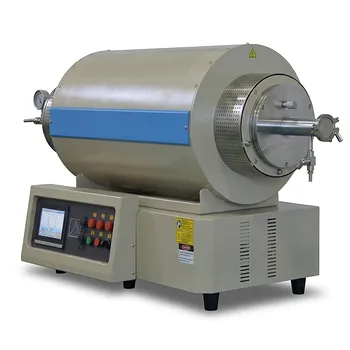
1200C Max Three Zone Tube Furnace 6 Inch OD Max with Tube and Flange

Compact High Temperature 1600C Tube Furnace with 50mm Alumina Tube and Vacuum Flanges for Material Sintering

High Temperature 1700C Benchtop Tube Furnace with 5 Inch Heating Zone High Purity Alumina Tube and Vacuum Sealing Flanges
