What is the primary function of a laboratory tube furnace and quartz reactor in biomass torrefaction? Optimize Biochar.
Updated 3 months ago
The primary function of a laboratory tube furnace and quartz reactor is to create a precisely controlled, oxygen-free thermal environment for the mild pyrolysis of organic materials. This setup allows researchers to regulate heating rates, isothermal residence times, and gas atmospheres to optimize the energy density and carbonization levels of biomass. By simulating industrial-scale conditions, these tools transform raw biomass into high-quality, hydrophobic biochar.
This hardware combination provides the essential thermal and chemical stability required to study the thermochemical conversion of biomass. It enables the precise isolation of variables—such as temperature and atmosphere—to turn inconsistent raw materials into standardized, energy-dense solid fuels.
The Role of the Tube Furnace in Thermal Control
Achieving Uniform Radial Heating
The cylindrical geometry of the tube furnace is designed to provide highly uniform radial heating. This ensures that the biomass sample experiences consistent temperatures across its entire surface area, which is critical for maintaining product quality.
Precise Regulation of Kinetic Parameters
A tube furnace allows for the exact control of heating rates (typically 3 to 6 ºC per minute) and residence times. This precision is necessary to study the specific kinetics of mass loss, diameter changes, and shrinkage of individual biomass particles.
Simulating Industrial Environments
By maintaining a stable heating zone, the furnace can simulate the oxidation or carbonization conditions found in industrial burners or large-scale reactors. This makes it a foundational tool for researching how biomass will behave during commercial-scale energy production.
The Function of the Quartz Reactor in Chemical Integrity
Establishing an Inert Atmosphere
The quartz reactor acts as a sealed vessel that allows for the injection of high-purity nitrogen to displace oxygen. This creates the anaerobic or oxygen-limited environment required for torrefaction, preventing the complete combustion of the sample.
Chemical Stability and Contaminant Isolation
Quartz is used because it is chemically stable and resistant to high temperatures, ensuring it does not react with the biomass or the gases produced. It effectively isolates the sample from external contaminants while allowing researchers to observe the reaction through its transparent walls.
Facilitating Thermochemical Reactions
Within the reactor, the absence of oxygen triggers specific dehydration and decarboxylation reactions. These reactions lead to the degradation of hemicellulose and the reorganization of cellulose, which are the primary mechanisms for improving biomass quality.
Understanding the Trade-offs and Limitations
Scale and Throughput Constraints
While highly precise, tube furnaces and quartz reactors are limited by their small batch sizes. They are excellent for fundamental research and kinetic modeling but cannot directly replicate the mechanical complexities of continuous-flow industrial systems.
Material Fragility and Maintenance
Quartz reactors, though chemically inert, are susceptible to thermal shock and physical fragility. Rapid cooling or improper handling can lead to cracks, which compromises the inert atmosphere and can ruin an experiment through unwanted oxidation.
Temperature Gradients in Large Samples
If the reactor is overloaded with biomass, internal temperature gradients may occur despite the furnace's uniform heating. The center of a dense sample may not reach the set temperature as quickly as the exterior, leading to inconsistent carbonization levels.
How to Apply This to Your Project
Making the Right Choice for Your Goal
To maximize the utility of your laboratory setup, align your operational parameters with your specific research objectives.
- If your primary focus is Fuel Quality Optimization: Prioritize the control of isothermal residence times and temperatures (typically 200°C–300°C) to maximize fixed carbon content and hydrophobicity.
- If your primary focus is Kinetic Modeling: Use the furnace to apply varied, precise heating rates to observe the specific stages of hemicellulose and lignin degradation.
- If your primary focus is Activated Carbon Production: Utilize higher temperatures (up to 600°C) and chemical activating agents within the quartz reactor to develop complex pore structures.
By mastering the balance between thermal precision and atmospheric control, you can effectively bridge the gap between laboratory discovery and industrial biomass application.
Summary Table:
| Component | Primary Role | Key Technical Benefit |
|---|---|---|
| Tube Furnace | Precise Thermal Control | Uniform radial heating & accurate regulation of kinetic parameters (3-6 ºC/min). |
| Quartz Reactor | Atmospheric Integrity | Creates a sealed, inert (oxygen-free) environment to prevent combustion during pyrolysis. |
| Combined Setup | Industrial Simulation | Enables high-purity biomass carbonization and energy density optimization. |
Elevate Your Biomass Research with THERMUNITS Precision
As a leading manufacturer of high-temperature laboratory equipment for material science and industrial R&D, THERMUNITS provides the advanced thermal processing solutions you need to bridge the gap between laboratory discovery and industrial application.
Our comprehensive range includes:
- Tube & Rotary Furnaces for biomass torrefaction and kinetic modeling.
- CVD/PECVD Systems for advanced material synthesis.
- Muffle, Vacuum, and Atmosphere Furnaces for versatile heat treatment.
- Custom Solutions: Including Dental Furnaces, VIM systems, and Thermal Elements.
Whether you are optimizing biochar quality or developing activated carbon, our equipment ensures the precision and stability your experiments demand.
Ready to upgrade your laboratory setup? Contact us today to discuss your project requirements!
References
- Hongyu Gao, Weiming Yi. Effect of Pretreatment on the Pyrolysis Kinetics of Corn Stalk: Comparison of Inert, Oxidative, and Wet Torrefaction. DOI: 10.1007/s12155-024-10811-x
Mentioned Products
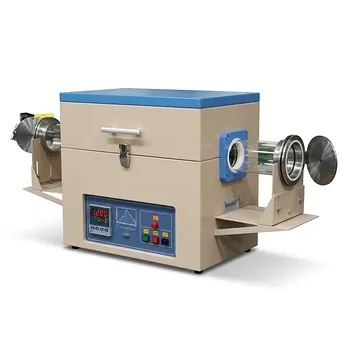
- High Temperature 1200C Split Tube Furnace with Hinged Vacuum Flanges and 4 Inch Quartz Tube for Laboratory Research
- High Temperature Automated 5 Inch Tube Furnace for Autonomous Material Research and Advanced Laboratory R&D
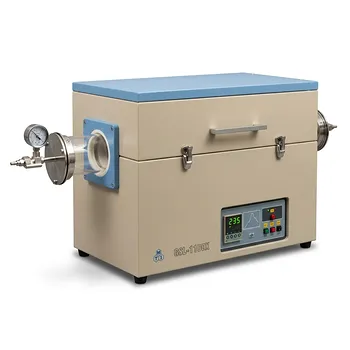
- Single Zone Tube Furnace 5 Inch Quartz Tube 36 Inch Heating Zone Vacuum Flanges
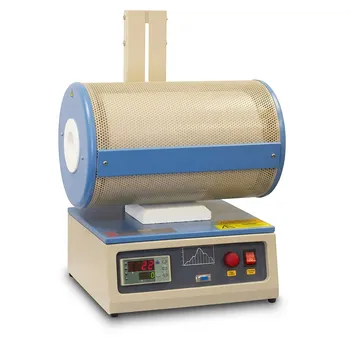
- Multi Position Tube Furnace 1100C for Laboratory Material Research and Advanced Industrial Thermal Processing
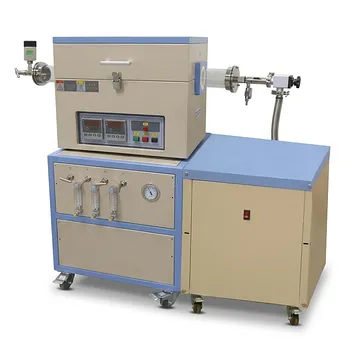
- Dual Zone Quartz Tube Furnace with 80mm Diameter 1200C Max Temperature 3 Channel Gas Mixer and Vacuum Pump System
People Also Ask
- What is the primary function of a high-temperature split tube furnace in nitrogen metastable particle research? Expert Guide
- What is the primary engineering purpose for using a customized ventilation hood when operating a split tube furnace? RCF Safety
- How is a laboratory high-temperature tube furnace utilized to research the products of aluminothermic reduction? Advanced Metallurgical Solutions
- Why use a tube furnace for oxygen annealing LaCrO3/LaMnO3? Optimize Phase Transition & Magnetic Performance.
- What key role does a laboratory high-temperature tube furnace play in the production of carbon nanofibers? Guide

Tech Team · ThermUnits
Last updated on Jun 02, 2026
Related Products
High Temperature 1200C Split Tube Furnace with Hinged Vacuum Flanges and 4 Inch Quartz Tube for Laboratory Research

High Temperature Automated 5 Inch Tube Furnace for Autonomous Material Research and Advanced Laboratory R&D
Single Zone Tube Furnace 5 Inch Quartz Tube 36 Inch Heating Zone Vacuum Flanges
Multi Position Tube Furnace 1100C for Laboratory Material Research and Advanced Industrial Thermal Processing
Dual Zone Quartz Tube Furnace with 80mm Diameter 1200C Max Temperature 3 Channel Gas Mixer and Vacuum Pump System
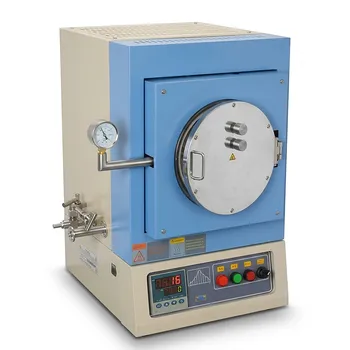
1100°C High Temperature Quartz Chamber Furnace 8 Inch OD with 7.6 Liter Capacity and Vacuum Atmosphere Capability
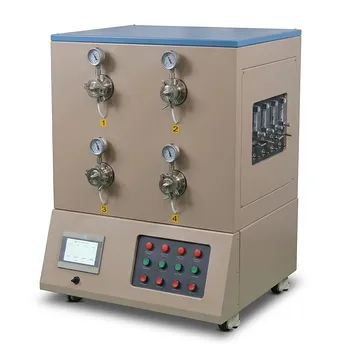
High Throughput 1200C Four Channel Tube Furnace with 3 Inch Quartz Tubes for Multi Zone Annealing and Material Research
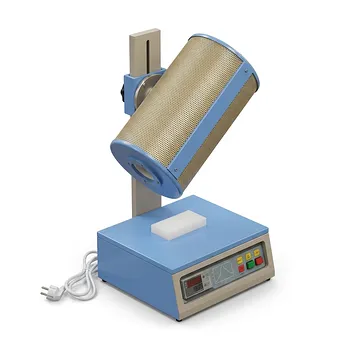
1100°C Vertical Laboratory Furnace for DIY Tubular Reactors with PID Temperature Controller
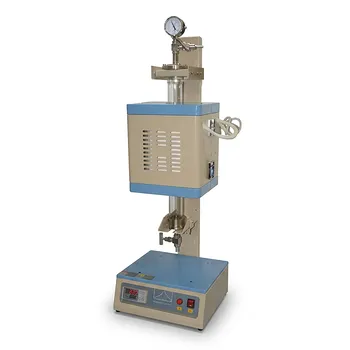
Compact Vertical Split Quartz Tube Furnace with Stainless Steel Vacuum Flanges for Rapid Thermal Quenching and Controlled Atmosphere Material Processing
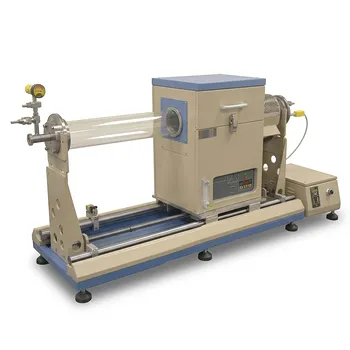
Rapid Thermal Processing Sliding Tube Furnace with 4 Inch OD Quartz Tube and 900C IR Heating
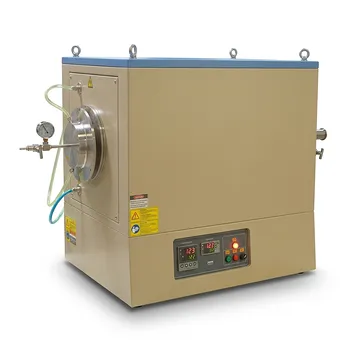
1100°C Large Diameter Quartz Tube Furnace with 24 Inch Heating Zone and Water Cooled Flanges

1200°C 5 Inch Vertical Quartz Tube Furnace with Stainless Steel Vacuum Flanges
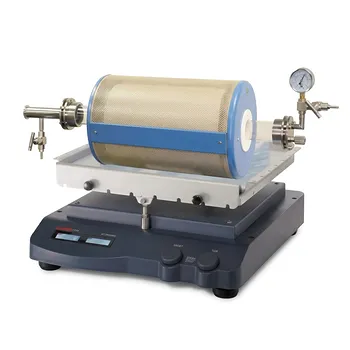
High Temperature Rocking Tube Furnace with Quartz Tube and Vacuum Flange for Materials Synthesis
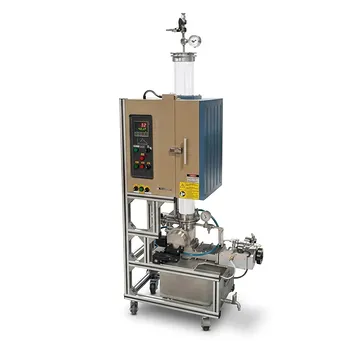
1200C High Temperature Atmosphere Controlled Vertical Quenching Tube Furnace with 4 Inch Quartz Tube
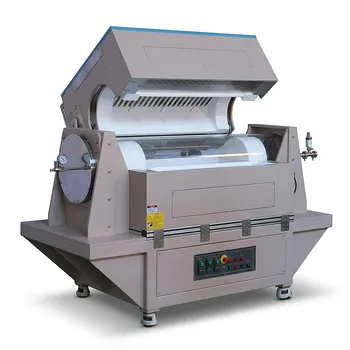
Three Zone Tube Furnace with 11 Inch or 15 Inch Quartz Tube and Hinged Flanges for Vacuum Atmosphere Heat Treatment
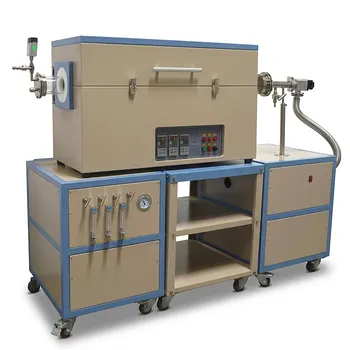
Three Zone Quartz Tube Furnace with 3 Channel Gas Mixer Vacuum Pump and Anti Corrosive Vacuum Gauge
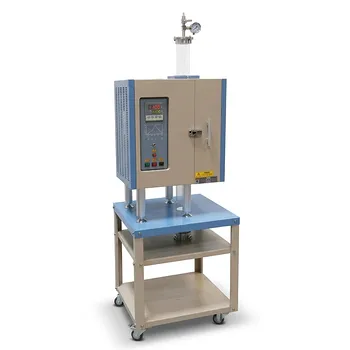
1100°C Split Vertical Tube Furnace with 80mm Quartz Tube and Stainless Steel Vacuum Flanges
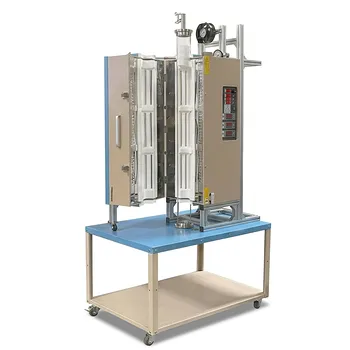
1200C Three Zone Split Vertical Tube Furnace 4 Inch Quartz Tube Stainless Steel Vacuum Flanges
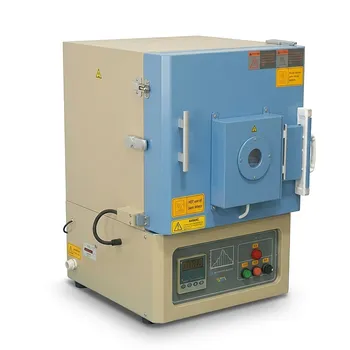
High Temperature Benchtop Muffle Furnace 1500C with 3.6L Chamber and Quartz Observation Window
