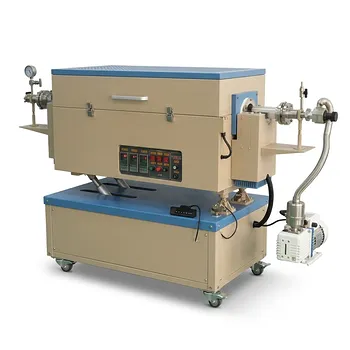
What is the primary purpose of using a tube furnace for graphite recovery? Essential for High-Purity Material Upcycling
Updated 6 months ago
The primary purpose of using a tube furnace in the recovery of graphite is to thermally decompose organic binders and residual components that contaminate spent battery material. By subjecting the spent graphite to high-temperature pyrolysis, the furnace eliminates impurities like polyvinylidene fluoride (PVDF), ensuring the recovered graphite is pure enough to serve as a high-quality raw material for advanced applications like graphene production.
Using a tube furnace provides a controlled, oxygen-free environment essential for stripping away chemical adhesives without oxidizing the valuable graphite. This process transforms "black mass" into a clean carbon precursor necessary for high-performance secondary manufacturing.
Purification Through Controlled Thermal Decomposition
Removing the Chemical "Glue"
In lithium-ion batteries, graphite particles are held together and attached to current collectors by robust organic binders, most commonly polyvinylidene fluoride (PVDF).
The tube furnace facilitates the thermal degradation of these binders by reaching temperatures—typically between 350°C and 700°C—that break the molecular chains of the organic polymers.
Once these binders are vaporized or carbonized, the adhesion between the graphite and other residual battery components is eliminated, allowing for the extraction of high-purity carbon.
Achieving Material Purity for Advanced Upcycling
The removal of organic residuals is not merely a cleaning step; it is a foundational requirement for downstream processing.
Clean graphite recovered through this method provides the "clean raw material foundation" required to synthesize high-activity graphene nanoplatelets.
Without this high-temperature treatment, residual impurities would interfere with the mechanochemical methods used to convert spent graphite into more valuable nanomaterials.
The Role of the Inert Atmosphere
Preventing Carbon Oxidation
A critical function of the tube furnace is its ability to maintain a strict inert atmosphere, usually through the continuous flow of argon or nitrogen gas.
Because graphite is a form of carbon, subjecting it to high temperatures in the presence of oxygen would cause it to combust, turning the valuable material into carbon dioxide gas.
The furnace's sealed design and gas-flow capabilities exclude oxygen, ensuring that only the organic impurities are destroyed while the graphite structure remains intact.
Precise Temperature Regulation
Tube furnaces offer programmable temperature control, which is vital for targeting specific chemical bonds within the spent battery material.
By maintaining a stable and uniform thermal environment, the furnace prevents localized overheating that could damage the crystalline structure of the graphite.
This precision also allows researchers to study the migration paths of pyrolysis products, such as char and tar, which can be captured via downstream condensation devices.
Understanding the Trade-offs and Limitations
Energy Consumption and Throughput
While highly effective for laboratory and pilot-scale purity, high-temperature pyrolysis in a tube furnace is energy-intensive.
Maintaining temperatures above 500°C for extended periods requires significant power, which must be weighed against the market value of the recovered graphite.
Handling Hazardous Off-Gases
The thermal decomposition of binders like PVDF can release hazardous fluorine-containing gases and other volatile organic compounds (VOCs).
Using a tube furnace necessitates the integration of scrubbers or condensation systems to safely capture and treat these emissions, increasing the complexity of the recovery setup.
Risks of Thermal Shock
Rapid heating or cooling cycles within the furnace can lead to thermal shock, potentially cracking the reaction vessels (crucibles) or the furnace tube itself.
Advanced setups often require segmented preheating or injection mechanisms to gradually introduce samples into the hot zone, ensuring equipment longevity.
Making the Right Choice for Your Recovery Goal
To optimize the use of a tube furnace in your graphite recovery process, align your operational parameters with your final material requirements.
- If your primary focus is Graphene Synthesis: Prioritize high-purity argon atmospheres and temperatures above 600°C to ensure the total removal of all organic residuals.
- If your primary focus is Material Throughput: Utilize a horizontal tube furnace with a continuous feed or injection mechanism to minimize the downtime associated with heating and cooling cycles.
- If your primary focus is Environmental Compliance: Ensure the furnace is connected to a multi-stage condensation and gas absorption system to neutralize toxic byproducts from binder decomposition.
By precisely controlling the thermal and atmospheric environment, the tube furnace serves as the definitive tool for transforming spent battery waste into high-value carbon precursors.
Summary Table:
| Key Function | Mechanism | Recovery Benefit |
|---|---|---|
| Binder Removal | Thermal decomposition (350°C-700°C) | Eliminates PVDF and organic chemical "glue" |
| Atmosphere Control | Inert gas flow (Argon/Nitrogen) | Prevents carbon oxidation and material loss |
| Material Purity | Programmable temperature regulation | Creates a clean precursor for graphene synthesis |
| Waste Handling | Integrated gas scrubbing/condensation | Safely captures hazardous fluorine-containing VOCs |
Maximize Your Material Recovery Efficiency with THERMUNITS
Ready to elevate your battery recycling and material science research? THERMUNITS is a leading manufacturer of high-temperature laboratory equipment, providing specialized Tube, Vacuum, and Atmosphere furnaces engineered for precise pyrolysis and clean carbon recovery.
Our comprehensive range of thermal processing solutions—including CVD/PECVD systems, Rotary kilns, and Vacuum Induction Melting (VIM) furnaces—is designed to help industrial R&D teams achieve the highest material purity and performance. Whether you are processing "black mass" or synthesizing advanced graphene nanoplatelets, our experts can provide the tailored equipment you need.
Contact our technical team today to find your solution!
References
- Lujie Dai, Zhenming Xu. Preparation of high-performance manganese-based pseudocapacitor material by using spent lithium-ion battery anode graphite via mechanochemical pretreatment. DOI: 10.1007/s43979-023-00079-z
Mentioned Products
- 4 Inch Two Zone Rotary CVD Tube Furnace for High Temperature Battery Material Synthesis and Advanced Material Calcination
- 1500C Three Zone Vertical Pyrolysis Furnace for Nanoparticle Synthesis and Advanced Oxide Coating
- 1500C 3-Zone Rotary Tube Furnace 60mm with Automatic Powder Feeding and Receiving System for Continuous Material Synthesis
- Compact High Temperature 1600C Tube Furnace with 50mm Alumina Tube and Vacuum Flanges for Material Sintering
- High Temperature 1700C Vertical Tube Furnace for Powder Spherification and Material Sintering
People Also Ask
- How does a rotary tube furnace improve the processing of granular materials? Enhance Uniformity and Reaction Kinetics
- Why is the precise optimization of residence time essential in the catalyst calcination process? Maximize Your Yields.
- Why use a rotary tube furnace for FACS carbonization? Ensure uniform morphology and prevent sphere agglomeration.
- In what ways do rotary tube furnaces enhance chemical and specialty mineral processing? Drive Precision and Uniformity.
- What parameters must operators control to maintain product quality in a rotary furnace? Master Your Heat Treatment.

Tech Team · ThermUnits
Last updated on Apr 14, 2026
Related Products
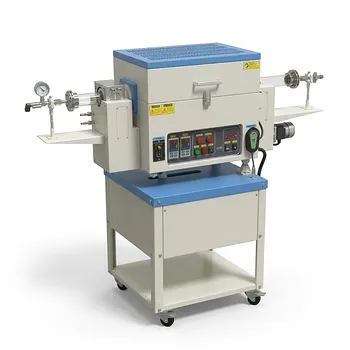
4 Inch Two Zone Rotary CVD Tube Furnace for High Temperature Battery Material Synthesis and Advanced Material Calcination
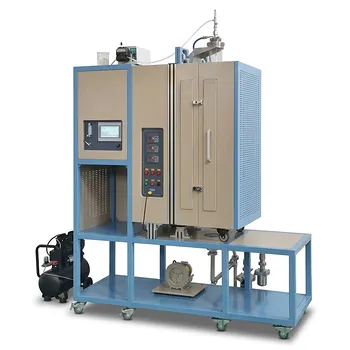
1500C Three Zone Vertical Pyrolysis Furnace for Nanoparticle Synthesis and Advanced Oxide Coating
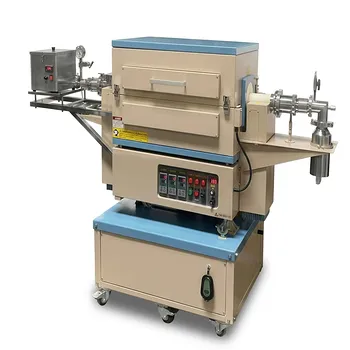
1500C 3-Zone Rotary Tube Furnace 60mm with Automatic Powder Feeding and Receiving System for Continuous Material Synthesis
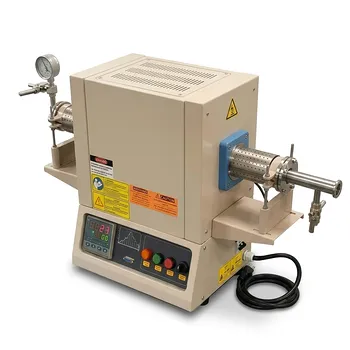
Compact High Temperature 1600C Tube Furnace with 50mm Alumina Tube and Vacuum Flanges for Material Sintering
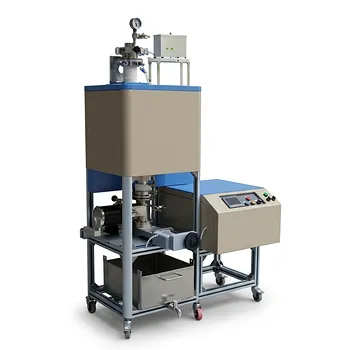
High Temperature 1700C Vertical Tube Furnace for Powder Spherification and Material Sintering
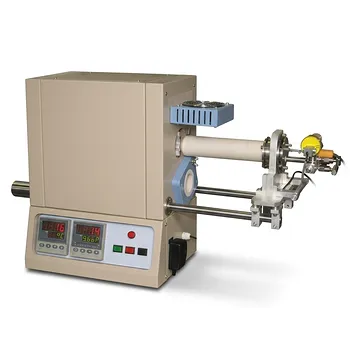
High Temperature Tube Furnace 1500C with Sliding Flanges and 50mm OD for Rapid Thermal Processing Fast Heating and Cooling
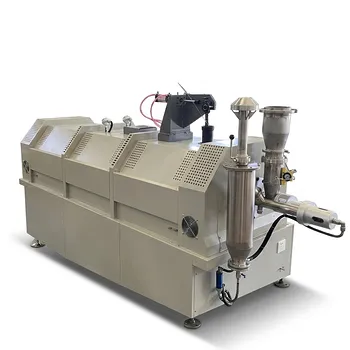
Electric Rotary Kiln Continuous Working Small Rotary Furnace Heating Pyrolysis Plant
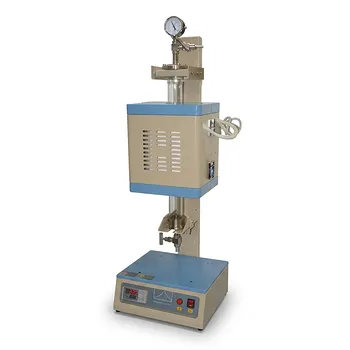
Compact Vertical Split Quartz Tube Furnace with Stainless Steel Vacuum Flanges for Rapid Thermal Quenching and Controlled Atmosphere Material Processing
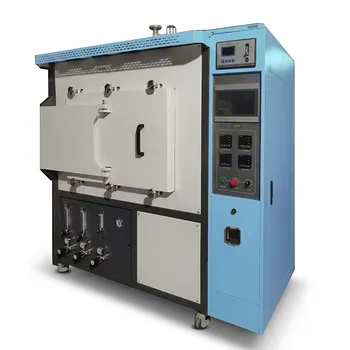
Roller Table Atmosphere Furnace 1500C High Temperature Battery Material Sintering System 112L Capacity
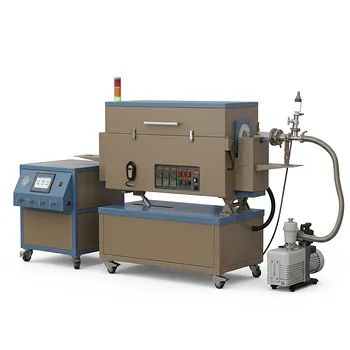
5 Inch Three Zone Rotary Tube Furnace with Integrated Gas Delivery System and 1200C Capability for Advanced Material CVD Processing
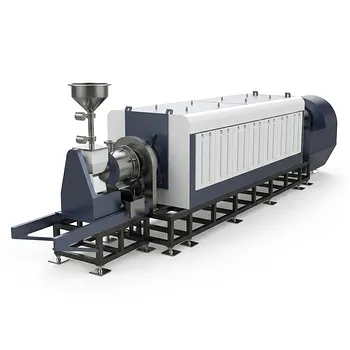
Electric Rotary Kiln Small Rotary Furnace Biomass Pyrolysis Plant
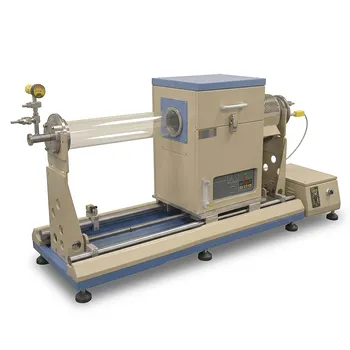
Rapid Thermal Processing Sliding Tube Furnace with 4 Inch OD Quartz Tube and 900C IR Heating
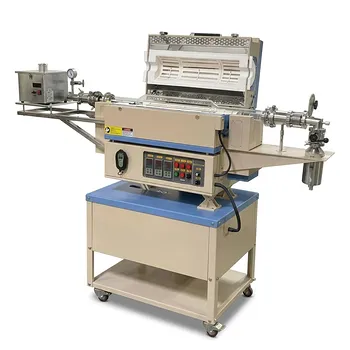
5 Inch Rotary Tube Furnace with Automatic Feeding and Receiving System 1200C Three Zone CVD Powder Processing
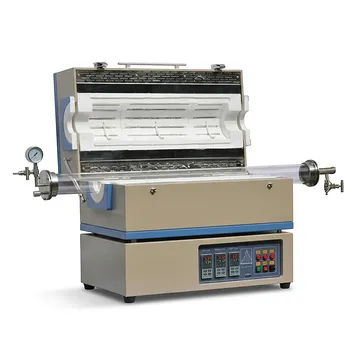
24 Inch Three Zone Split Tube Furnace with Optional Quartz Tube and Vacuum Flange System for High Temperature Material Synthesis
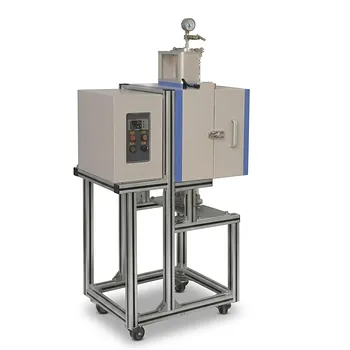
1200°C 5 Inch Vertical Quartz Tube Furnace with Stainless Steel Vacuum Flanges
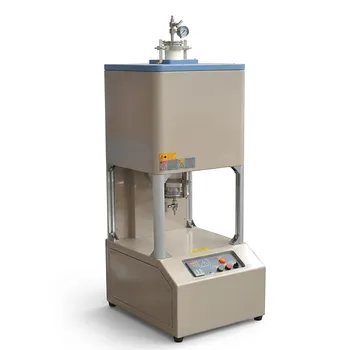
Vertical 1700C Vacuum and Atmosphere Tube Furnace with 80mm Alumina Tube
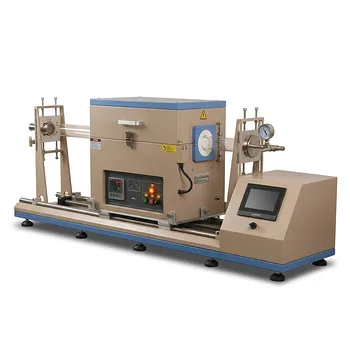
1200C Sliding Tube Furnace for Rapid Thermal Processing and CVD Graphene Growth with 100mm OD Capacity
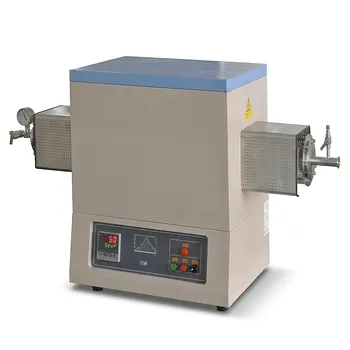
High Temperature 1700C Tube Furnace with 4 Inch OD Alumina Tube and Vacuum Sealing Flanges
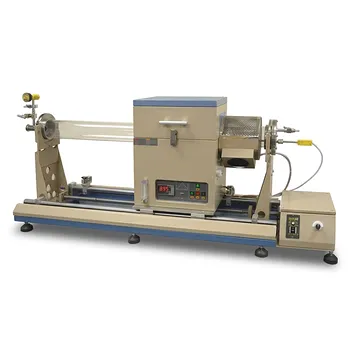
900 ºC Max Sliding RTP Tube Furnace with Rapid IR Heating and 4 Inch OD Quartz Tube