What is the primary role of a high-precision horizontal tube furnace in selective sulfation roasting? Maximize Recovery
Updated 3 months ago
The primary role of a high-precision horizontal tube furnace in selective sulfation roasting is to provide a strictly controlled thermal and chemical environment that converts lithium and cobalt oxides into soluble sulfates. This is achieved by maintaining precise temperatures, typically around 850 °C, while simultaneously managing a multi-component gas atmosphere consisting of SO2, O2, and Ar.
Core Takeaway: A high-precision horizontal tube furnace acts as a sophisticated reactor that enables the chemical transformation of battery black mass into recoverable sulfates through the precise orchestration of high-temperature thermal zones and specific reactive gas flows.
Facilitating Complex Chemical Transformations
Precise Temperature Regulation for Sulfation
The furnace must maintain a stable temperature of approximately 850 °C to ensure the selective sulfation reaction occurs efficiently. This specific thermal energy level is required to drive the chemical conversion of lithium and cobalt oxides within the battery black mass into a soluble form.
Multi-Component Atmospheric Control
The horizontal tube furnace allows for the introduction of a specialized SO2-O2-Ar gas atmosphere. This precise gas mixture is critical for the sulfation process, providing the necessary sulfur and oxygen molecules to react with the metal oxides while using argon as a carrier or protective gas.
Ensuring Equipment Integrity and Process Stability
Preventing Thermal Shock via Segmented Zones
High-precision horizontal furnaces utilize distinct cold and hot zones to manage the temperature gradient experienced by reaction vessels. By utilizing an injection mechanism for segmented preheating, the furnace prevents quartz or ceramic vessels from cracking due to sudden thermal shock.
Promoting Full Material Conversion
The controlled environment ensures that the reaction is not just partial but reaches completion. By maintaining a constant temperature duration and uniform gas contact, the furnace ensures that the metals are fully converted into soluble sulfates, which is the foundation for high-efficiency lithium and cobalt recovery.
Understanding the Trade-offs
Thermal Stress vs. Reaction Speed
While increasing the heating rate can speed up the recycling process, it significantly increases the risk of equipment failure. The transition between the cold injection zone and the 850 °C hot zone must be managed carefully to balance throughput with the longevity of the reaction vessels.
Gas Composition Sensitivity
The efficiency of the sulfation roasting is highly sensitive to the SO2 to O2 ratio. Deviations in the gas flow or purity within the tube furnace can lead to incomplete reactions or the formation of unwanted byproducts, making high-precision mass flow controllers a necessary but complex addition to the setup.
How to Apply This to Your Project
Making the Right Choice for Your Goal
- If your primary focus is maximizing metal recovery rates: Prioritize a furnace with high-precision gas mixing capabilities to ensure the SO2-O2-Ar atmosphere remains consistent throughout the roasting cycle.
- If your primary focus is reducing operational costs and equipment wear: Opt for a system with an automated injection mechanism that utilizes multiple preheating stages to protect expensive reaction vessels from thermal fatigue.
- If your primary focus is process scalability: Ensure the horizontal tube diameter and the length of the uniform hot zone are sufficient to handle larger batches of black mass without compromising temperature stability.
The high-precision horizontal tube furnace is the indispensable heart of the selective sulfation process, transforming hazardous battery waste into a valuable resource through rigorous environmental control.
Summary Table:
| Key Parameter | Role in Sulfation Roasting | Impact on Recovery |
|---|---|---|
| Temperature Control | Maintains stable ~850 °C environment | Ensures efficient metal oxide conversion |
| Atmosphere Management | Controls SO2-O2-Ar gas mixture | Facilitates the formation of soluble sulfates |
| Thermal Zoning | Segmented preheating and injection | Prevents equipment cracking and thermal shock |
| Material Conversion | Uniform heating and gas contact | Maximizes recovery rates of Lithium and Cobalt |
Optimize Your Battery Recycling Yield with THERMUNITS
As a leading manufacturer of high-temperature laboratory equipment for material science and industrial R&D, THERMUNITS offers high-precision horizontal tube furnaces specifically designed for the demanding requirements of selective sulfation roasting.
Our thermal solutions—ranging from CVD/PECVD systems and Tube furnaces to Vacuum and Hot Press furnaces—provide the atmospheric precision and thermal stability necessary to convert battery black mass into valuable resources efficiently. Whether you are focusing on maximizing recovery rates or ensuring equipment longevity, our experts can tailor a system to your specific research or production needs.
Ready to enhance your heat treatment process?
Contact THERMUNITS Today to consult with our engineering team and find the ideal furnace for your high-temperature application!
References
- Lassi Klemettinen, Ari Jokilaakso. Roasting-Water Leaching-Slag Cleaning Process for Recovery of Valuable Metals from Li-ion Battery Scrap. DOI: 10.1007/s40831-024-00988-y
Mentioned Products
- Multi Position Tube Furnace 1100C for Laboratory Material Research and Advanced Industrial Thermal Processing
- High Temperature 1700C Vertical Tube Furnace for Powder Spherification and Material Sintering
- High Temperature Rocking Tube Furnace 1700°C Alumina Processing Tube with Precision Oscillation for Material Synthesis
- Ten Zone Multi Orientation Laboratory Tube Furnace for 1200C High Temperature Gradient Thermal Processing
- High Temperature Tube Furnace 1500C with Sliding Flanges and 50mm OD for Rapid Thermal Processing Fast Heating and Cooling
People Also Ask
- Why use a tube furnace for oxygen annealing LaCrO3/LaMnO3? Optimize Phase Transition & Magnetic Performance.
- What key role does a laboratory high-temperature tube furnace play in the production of carbon nanofibers? Guide
- How is a laboratory high-temperature tube furnace utilized to research the products of aluminothermic reduction? Advanced Metallurgical Solutions
- What is the role of a laboratory tube furnace in the carbonization process of porous carbon foam (PCF)? Master 3D Synthesis
- What role does a laboratory tube furnace play in the pyrolysis and carbonization of biomass? Optimize Thermal Research.

Tech Team · ThermUnits
Last updated on Jun 02, 2026
Related Products
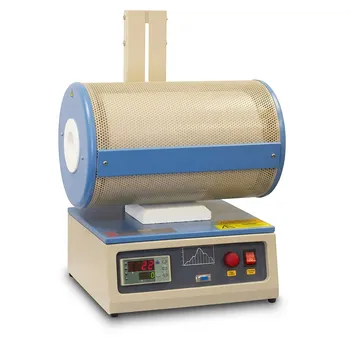
Multi Position Tube Furnace 1100C for Laboratory Material Research and Advanced Industrial Thermal Processing

High Temperature 1700C Vertical Tube Furnace for Powder Spherification and Material Sintering
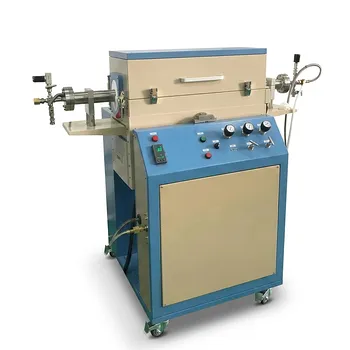
High Temperature Rocking Tube Furnace 1700°C Alumina Processing Tube with Precision Oscillation for Material Synthesis
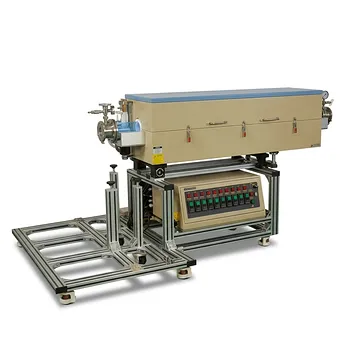
Ten Zone Multi Orientation Laboratory Tube Furnace for 1200C High Temperature Gradient Thermal Processing

High Temperature Tube Furnace 1500C with Sliding Flanges and 50mm OD for Rapid Thermal Processing Fast Heating and Cooling
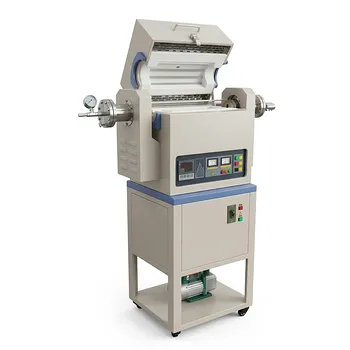
High Temperature Rotary Tilt Tubular Furnaces for Advanced Powder Sintering and Material Processing
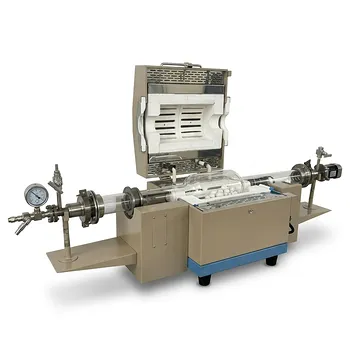
High Temperature Rotary Tube Furnace with Integrated Ball Milling and Gas Flow Function for Powder Nitriding

Compact High Temperature 1600C Tube Furnace with 50mm Alumina Tube and Vacuum Flanges for Material Sintering
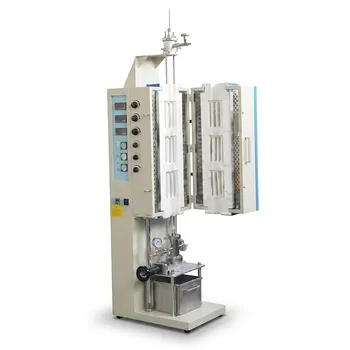
High Temperature Dual Zone Tube Furnace for Material Science Research and Professional Thermal Processing
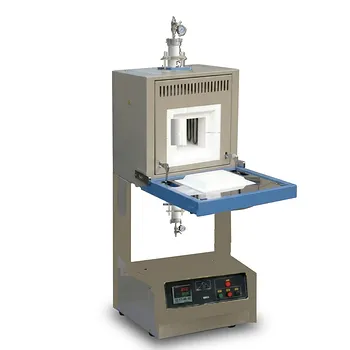
High Temperature Vertical Hybrid Furnace with Alumina Tube and SiC Heating for SOFC Coin Cell Testing and Atmosphere Processing

High Temperature Automated 5 Inch Tube Furnace for Autonomous Material Research and Advanced Laboratory R&D

1200°C 5 Inch Vertical Quartz Tube Furnace with Stainless Steel Vacuum Flanges
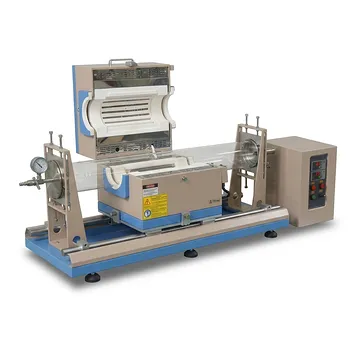
1200C High Temperature 5 Inch Sliding Tube Furnace for Rapid Thermal Processing RTP and Wafer Annealing
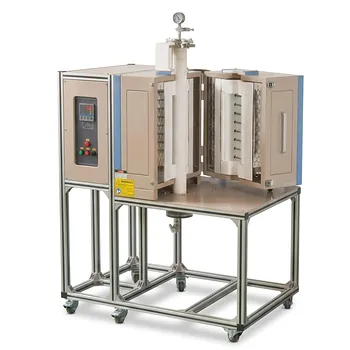
High Temperature 1700C Vertical Split Tube Furnace for Material Quenching and Single Crystal Growth

1200C High Throughput Multi Channel Tube Furnace with 50mm Quartz Tubes for Annealing and Material Phase Diagram Research

Vertical 1700C Vacuum and Atmosphere Tube Furnace with 80mm Alumina Tube
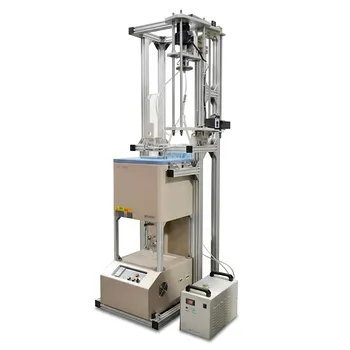
500C Vacuum Vertical Tube Furnace 84mm OD Sample Rotation Lifting System
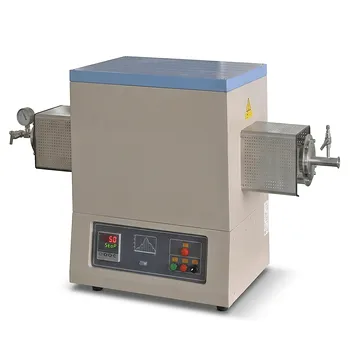
High Temperature 1700C Tube Furnace with 4 Inch OD Alumina Tube and Vacuum Sealing Flanges

High Temperature 1700C Benchtop Tube Furnace with 5 Inch Heating Zone High Purity Alumina Tube and Vacuum Sealing Flanges
