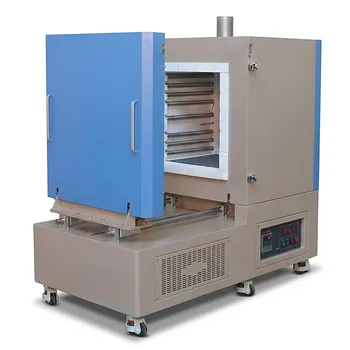
What is the role of a high-temperature atmosphere furnace in the conversion process of ZIF-8 to Z8-650? Precision Matters.
Updated 3 months ago
The high-temperature atmosphere furnace serves as the foundational reactor for the controlled pyrolytic conversion of ZIF-8 into Z8-650. Its primary function is to provide a strictly regulated thermal environment and a robust argon protective atmosphere. This setup ensures that the organic framework is transformed into a stable carbon carrier at 650 °C without undergoing oxidative combustion, which would otherwise destroy the material's structure.
Core Takeaway: The atmosphere furnace enables the oxygen-free pre-carbonization of ZIF-8, ensuring the material evolves into a stable carbon substrate while preserving the structural properties necessary for subsequent metal loading.
The Mechanism of Thermal Transformation
Maintaining Inert Atmospheric Integrity
The furnace creates a strict argon-protected environment that is essential for the pyrolysis process. By excluding oxygen, the furnace prevents the organic components of the Zeolitic Imidazolate Framework (ZIF-8) from burning.
This oxygen-free condition allows for the controlled decomposition of organic ligands. Without this precise atmospheric control, the material would simply combust, resulting in ash rather than a functional carbon carrier.
Precise Temperature Regulation at 650 °C
The "650" in Z8-650 refers to the specific temperature (650 °C) maintained by the furnace during the pre-carbonization phase. Precise thermal control ensures that the transformation is consistent throughout the entire batch of material.
At this specific temperature, the furnace facilitates the transition from a metal-organic framework to a carbon substrate. This stage is critical for stabilizing the framework before higher-temperature treatments or metal-loading processes occur.
Structural Evolution and Protection
Prevention of Oxidative Combustion
In a standard aerobic environment, ZIF-8 would degrade rapidly and lose its porous characteristics when heated. The atmosphere furnace mitigates this risk by providing a sealed, inert chamber that preserves the carbon backbone.
This protection is the "core thermal treatment step" required to build efficient catalytic sites. By preventing oxidation, the furnace ensures the resulting Z8-650 retains the surface area and porosity inherited from the original ZIF-8 structure.
Establishing the Carbon Substrate for Metal Loading
The furnace effectively turns the ZIF-8 into a stable carbon carrier meant for subsequent functionalization. This substrate is designed to eventually host metal ions, such as iron, for catalytic applications.
The controlled heating strengthens the internal bonds of the framework while removing volatile components. This results in a nitrogen-doped carbon structure that provides efficient electron transport channels and high chemical stability.
Understanding the Trade-offs and Risks
Atmospheric Contamination Risks
The most significant pitfall in this process is leakage of the protective gas. Even trace amounts of oxygen entering the furnace during the 650 °C cycle can lead to partial oxidation, which significantly reduces the specific surface area of the Z8-650.
Thermal Overshoot and Undershoot
If the furnace calibration is off, reaching temperatures significantly higher than 650 °C may cause premature volatilization of zinc. Conversely, failing to reach the target temperature results in incomplete carbonization, leaving behind organic residues that block active sites.
Gas Flow Dynamics
The rate of argon flow within the furnace must be balanced. Insufficient flow may fail to remove byproduct gases generated during decomposition, while excessive flow can cause temperature fluctuations within the heating zone.
How to Apply This to Your Synthesis Goals
To achieve the best results with a high-temperature atmosphere furnace, you must align your equipment settings with your material requirements.
- If your primary focus is maximizing surface area: Ensure the heating ramp rate is slow (typically 2-5 °C/min) to allow for the steady escape of volatile organic components without collapsing the framework.
- If your primary focus is structural stability for metal loading: Prioritize a prolonged "soak time" at 650 °C to ensure the carbon substrate is fully stabilized and the organic ligands are completely transformed.
- If your primary focus is preventing material loss: Double-check the furnace seals and use a high-purity argon (99.999%) to ensure an absolute oxygen-free environment during the entire cooling phase.
The success of the ZIF-8 to Z8-650 conversion ultimately depends on the furnace’s ability to act as a perfectly isolated, thermally consistent pressure vessel for molecular transformation.
Summary Table:
| Feature | Role in ZIF-8 to Z8-650 Conversion | Critical Impact |
|---|---|---|
| Inert Atmosphere | Provides 99.999% Argon protection | Prevents oxidative combustion and preserves porosity |
| Thermal Control | Maintains constant 650 °C temperature | Ensures consistent pre-carbonization and ligand removal |
| Sealed Chamber | Isolates material from ambient oxygen | Prevents structural collapse and ash formation |
| Flow Dynamics | Manages byproduct gas removal | Maintains internal purity and thermal uniformity |
Elevate Your Material Synthesis with THERMUNITS Precision
Achieving the perfect ZIF-8 to Z8-650 conversion requires absolute control over atmospheric purity and thermal stability. THERMUNITS is a leading manufacturer of high-performance thermal processing solutions designed specifically for the demanding needs of material science and industrial R&D.
Whether you are conducting delicate MOF pyrolysis or large-scale carbonization, our comprehensive range of equipment—including Atmosphere Furnaces, Vacuum/Tube Furnaces, CVD/PECVD systems, and Rotary Kilns—ensures your research is backed by industry-leading reliability. We help you eliminate risks like atmospheric contamination and thermal overshoot, providing the stable environment necessary for high-efficiency catalytic materials.
Ready to optimize your lab’s heat treatment capabilities?
Contact THERMUNITS Today to discuss your specific requirements with our technical experts and discover how our advanced furnace technology can accelerate your research outcomes.
References
- Weihao Liu, Jianglan Shui. Boosting the Oxygen Reduction Performance of Fe–N–C Catalyst Using Zeolite as an Oxygen Reservoir. DOI: 10.1007/s12209-024-00409-x
Mentioned Products
- Roller Table Atmosphere Furnace 1500C High Temperature Battery Material Sintering System 112L Capacity
- 1200C Hydrogen Atmosphere Box Furnace with 5 Heated Sides and 64L Chamber
- 1650C High Temperature Atmosphere Controlled Box Furnace with 65L Chamber for Advanced Material Sintering and Industrial Heat Treatment
- 1200°C Atmosphere Controlled Automatic Bottom Loading Furnace with 6 Inch Quartz Tube
- Bottom Loaded Inert Gas Atmosphere Box Furnace 1700C 1300C 216L Large Capacity Industrial Thermal Processing System
People Also Ask
- How does a high-temperature sintering furnace environment enhance NdFeB magnets? Achieve 98%+ density with precision.
- How does the temperature control precision of a high-temperature sintering furnace affect Na1+xLa1-xZr2O6-δ ceramics?
- How are electric heating elements designed to operate within carburizing atmospheres? Top Design Strategies Revealed
- How does a high-temperature sintering furnace contribute to the interfacial strengthening of SS316L and zirconia?
- Why is a high-temperature sintering furnace required for the preparation of Li(Nb,Ta)O3 precursors? Essential Insights

Tech Team · ThermUnits
Last updated on Jun 03, 2026
Related Products
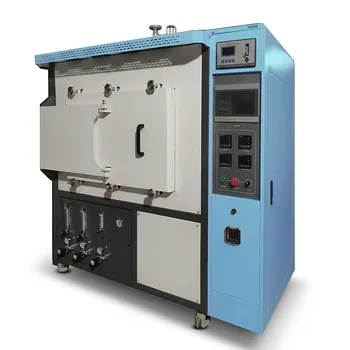
Roller Table Atmosphere Furnace 1500C High Temperature Battery Material Sintering System 112L Capacity
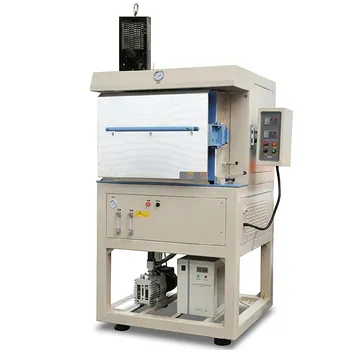
1200C Hydrogen Atmosphere Box Furnace with 5 Heated Sides and 64L Chamber
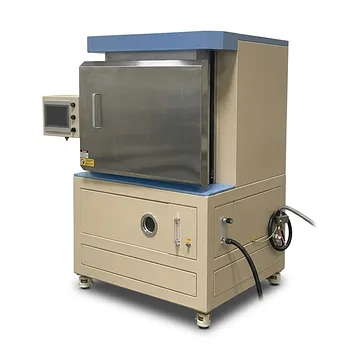
1650C High Temperature Atmosphere Controlled Box Furnace with 65L Chamber for Advanced Material Sintering and Industrial Heat Treatment
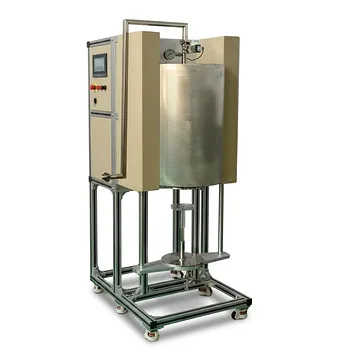
1200°C Atmosphere Controlled Automatic Bottom Loading Furnace with 6 Inch Quartz Tube
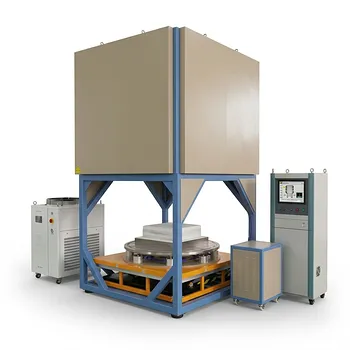
Bottom Loaded Inert Gas Atmosphere Box Furnace 1700C 1300C 216L Large Capacity Industrial Thermal Processing System
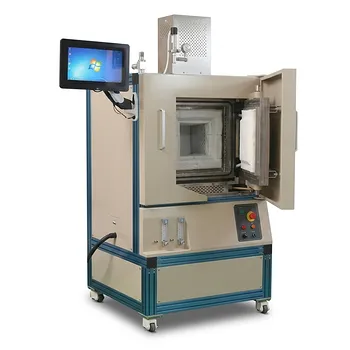
High Temperature Oxygen and Inert Atmosphere Controlled Furnace 8 Liter 1700C Sintering System for Advanced Materials RD
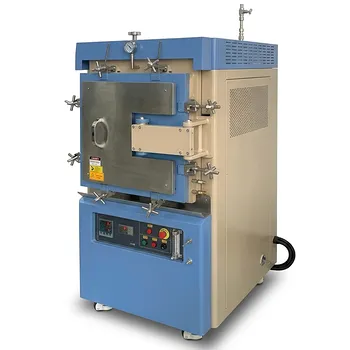
Atmosphere Controlled Muffle Furnace 1700C Maximum Temperature 80L High Capacity Vacuum Inert Gas Box Furnace
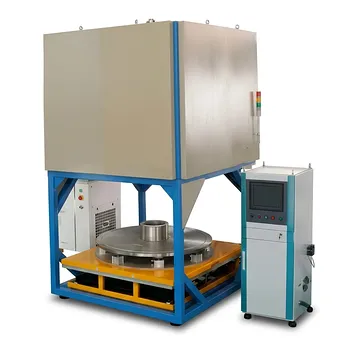
1400C Bottom Loaded Inert Gas Atmosphere Box Furnace with 125L Capacity and Precision Hydraulic Lift
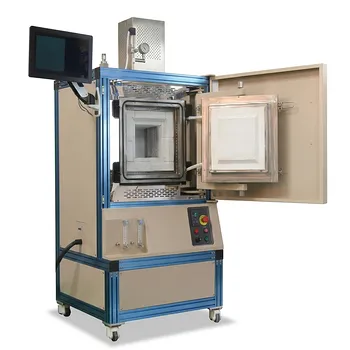
High Temperature Hydrogen Atmosphere Box Furnace 1650C Max Reducing Environment Material Synthesis System 8x8x8 Chamber
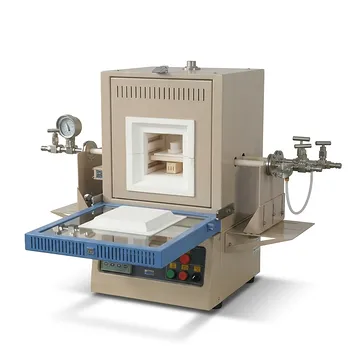
1700C Compact Hybrid Furnace with Dual Layer Box Sintering and Controlled Atmosphere Alumina Tubes
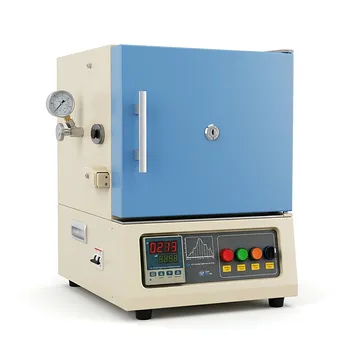
1200C Hybrid Muffle and Tube Furnace for Material Research with Dual Atmosphere Control Quartz Tubes
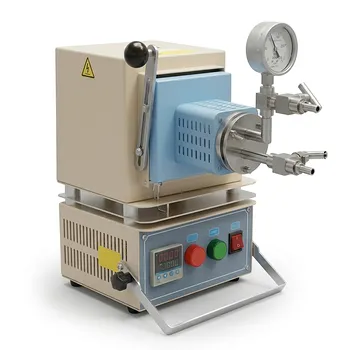
Compact Hybrid Muffle and Tube Furnace for 1000C Controlled Atmosphere Laboratory Material Sintering

Vertical 1700C Vacuum and Atmosphere Tube Furnace with 80mm Alumina Tube
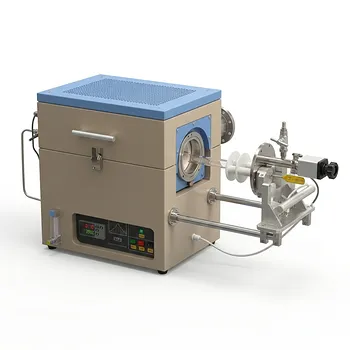
Compact Atmosphere Controlled Rapid Thermal Processing RTP Furnace with 4 Inch ID Quartz Tube 1100C
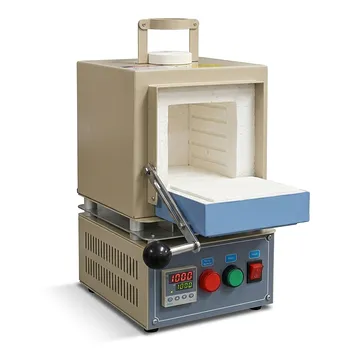
Compact 1000C Muffle Furnace with Programmable Controller and 2 Inch Top Port for Vacuum and Atmosphere Material Research

1200°C 5 Inch Vertical Quartz Tube Furnace with Stainless Steel Vacuum Flanges
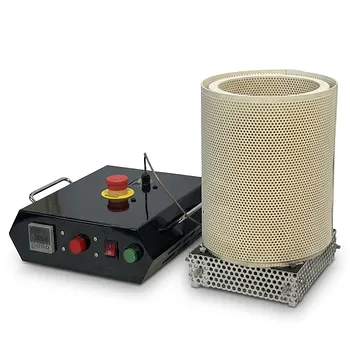
1250 C Compact Vertical Box Furnace for Glovebox Material Research Air Sensitive Samples
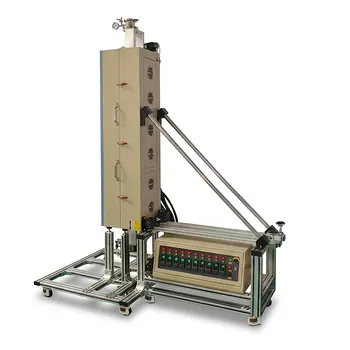
1200°C 10-Zone Split Tube Furnace with Horizontal and Vertical Mounting for Multi-Zone Thermal Gradients and Large Diameter Material Processing
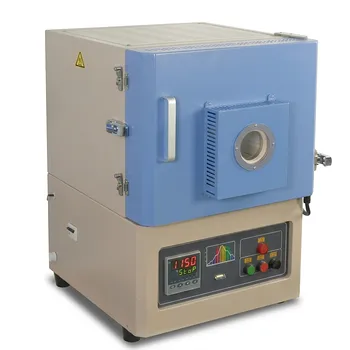
High Temperature Benchtop Muffle Furnace with Quartz Observation Window for Thermal Imaging and Material Analysis