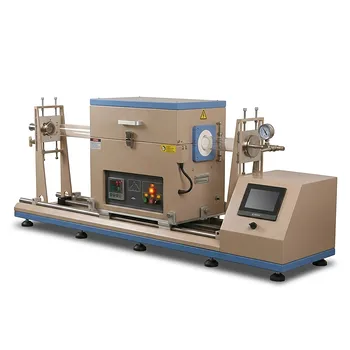
What is the role of a Tube Furnace in the synthesis of porous carbon (PC)? Guide to Precision Structural Engineering.
Updated 5 months ago
The tube furnace serves as the indispensable thermal reactor for the precise carbonization and structural engineering of porous carbon (PC). By providing a strictly controlled, high-temperature environment under inert or reducing atmospheres, it facilitates the chemical transformation of precursors—such as glucose, biomass, or polymers—into stable, high-surface-area carbon frameworks while preventing unwanted oxidation or combustion.
Core Takeaway: A tube furnace is the primary tool for executing "controlled pyrolysis," where precision in temperature and atmosphere dictates the resulting material's porosity, conductivity, and crystalline structure. Without this level of control, precursors would likely incinerate or fail to develop the necessary three-dimensional network required for advanced material applications.
The Engine of Thermal Transformation: Carbonization and Pyrolysis
Facilitating Chemical Shifts
The primary role of the furnace is to provide the heat necessary for pyrolysis, dehydrogenation, and aromatization. In a typical synthesis, precursors like glucose are heated to specific ranges (often around 600°C) to break molecular bonds and reform them into a graphitized carbon framework.
Removing Volatiles
As the temperature rises, the furnace allows for the steady removal of volatile components from the raw material. This process leaves behind a carbonaceous skeleton, which serves as the foundation for the final porous structure.
Enabling Chemical Etching and Activation
The furnace environment supports the use of templates or activating agents, such as salt templates, K2CO3, or ZnCl2. At high temperatures (700°C–1000°C), these agents can deeply corrode or etch the carbon substrate, creating a complex network of micropores and mesopores.
Atmospheric Protection and Oxidation Prevention
Establishing Oxygen-Free Environments
Carbon materials are highly susceptible to oxidation (burning) at high temperatures. The tube furnace allows researchers to purge the heating chamber with high-purity argon or nitrogen, ensuring an oxygen-deficient environment that protects the material during the delicate carbonization phase.
Influencing Material Properties via Gas Mixes
By introducing specific gas mixtures, such as argon-hydrogen (Ar/H2), the furnace can facilitate specialized reactions like complete dehydrogenation. This specific atmosphere is critical for achieving high conductivity and a well-defined three-dimensional network in the resulting porous carbon.
Managing Gas Flow for Uniformity
Integrated systems within the furnace control the gas flow rate (e.g., 50 mL/min). This ensures that byproduct gases are efficiently removed and that the chemical environment remains consistent across the entire sample batch.
Precision Control and Structural Engineering
Multi-Stage Heating Programs
Modern tube furnaces utilize PID control systems to execute complex, multi-step heating profiles. For example, a "soak" at a lower temperature can prevent thermal overshoot, ensuring that precursors like sodium citrate stabilize before reaching the final carbonization temperature.
Controlling Pore Ratios
The ratio of micropores to mesopores is often a direct function of the furnace’s peak temperature and dwell time. By adjusting these variables, researchers can "tune" the pore structure to accommodate specific active sites or improve ion transport for energy storage.
Ensuring Uniform Crystalline Growth
The temperature uniformity within the furnace tube is vital for consistent results. Even heating ensures that the entire sample undergoes the same physical and chemical transformation, resulting in a material with a uniform crystalline structure and morphology.
Understanding the Trade-offs and Pitfalls
The Risk of Thermal Overshoot
If the heating rate is too aggressive, the internal temperature of the sample may exceed the set point. This can lead to the collapse of the pore structure or excessive graphitization, which reduces the effective surface area of the porous carbon.
Contamination and Tube Selection
Different precursors can release corrosive byproducts during pyrolysis. Choosing the wrong tube material (e.g., quartz vs. alumina) can lead to tube degradation or sample contamination, especially when working with aggressive chemical activators like KOH or ZnCl2.
Gas Flow and Pressure Balance
Insufficient gas flow can lead to the buildup of tar or carbon soot on the sample, clogging the newly formed pores. Conversely, excessively high flow rates may cool the sample unevenly or sweep away essential volatile intermediates required for certain self-assembly processes.
How to Optimize Your Synthesis Strategy
To achieve the best results with a tube furnace in porous carbon research, you must align your equipment settings with your specific material goals.
- If your primary focus is High Surface Area: Use a furnace program with a moderate heating rate (e.g., 5°C/min) and integrate chemical activators like K2CO3 to maximize etching during the 700°C–900°C window.
- If your primary focus is Electrical Conductivity: Prioritize higher carbonization temperatures (above 900°C) and a reducing atmosphere like Ar/H2 to promote the formation of a highly graphitized, interconnected framework.
- If your primary focus is Heteroatom Doping: Use a strictly controlled nitrogen atmosphere and precise multi-stage heating to ensure dopants (like Nitrogen or Sulfur) are successfully incorporated into the carbon lattice without being volatilized.
The tube furnace is the bridge between a raw precursor and a functional nanomaterial, transforming bulk matter into a sophisticated, engineered architecture.
Summary Table:
| Function | Impact on Porous Carbon (PC) | Key Control Parameter |
|---|---|---|
| Pyrolysis | Converts precursors into a carbonaceous skeleton | Peak Temperature |
| Atmosphere Control | Prevents oxidation; enables graphitization/doping | Gas Flow Rate & Type |
| Chemical Activation | Creates complex micropore and mesopore networks | Dwell/Soak Time |
| Multi-Stage Heating | Prevents structural collapse and thermal overshoot | PID Heating Rate |
| Uniformity | Ensures consistent crystalline growth across batch | Temperature Gradient |
Elevate Your Material Research with THERMUNITS
Precision is the difference between a failed precursor and a high-performance nanomaterial. As a leading manufacturer of high-temperature laboratory equipment, THERMUNITS provides the advanced thermal solutions required for cutting-edge material science and industrial R&D.
Our comprehensive range of equipment includes:
- Precision Furnaces: Tube, Muffle, Vacuum, Atmosphere, and Rotary furnaces.
- Advanced Systems: CVD/PECVD systems, Hot Press furnaces, and Vacuum Induction Melting (VIM) furnaces.
- Specialized Tools: Dental furnaces, electric rotary kilns, and high-quality thermal elements.
Whether you are engineering high-surface-area porous carbon or developing next-generation energy storage materials, our systems offer the unparalleled atmospheric purity and temperature uniformity you need.
Ready to optimize your heat treatment process?
Contact our technical experts today to find the perfect solution for your laboratory.
References
- Ning Li, Shaobin Wang. Enhanced Photothermal‐Assisted Hydrogen Production via a Porous Carbon@MoS <sub>2</sub> /ZnIn <sub>2</sub> S <sub>4</sub> Type II‐S‐Scheme Tandem Heterostructure. DOI: 10.1002/smll.202406609
Mentioned Products
- Vertical 1700C Vacuum and Atmosphere Tube Furnace with 80mm Alumina Tube
- Compact High Temperature 1600C Tube Furnace with 50mm Alumina Tube and Vacuum Flanges for Material Sintering
- 900°C Max Rotary Tube Furnace with 8 Inch 310S Alloy Tube and Optional Multi Zone Heating for Industrial Material Calcination
- Split Vertical Tube Furnace with 1200C Quartz Tube and Stainless Steel Vacuum Flanges for Rapid Thermal Processing
- High Temperature 1700C Tube Furnace with High Vacuum Turbomolecular Pump System and Multi Channel Mass Flow Controller Gas Mixer
People Also Ask
- How is an industrial-grade vertical tube furnace utilized in smelting leaching residues? Enhance Metal Recovery Efficiency
- What is the function of a laboratory-grade vertical tube furnace in fast pyrolysis? Optimize Composite Research.
- How does a vertical tube furnace facilitate thermoelectric alloy melting? Precision synthesis for material homogeneity.
- Why is a thermocouple sensor indispensable for monitoring the vertical tube furnace during gallium oxide nanowire production? Optimize VLS Growth
- What are the advantages of using a vertical tube furnace for crucible experiments simulating steel-slag interactions?

Tech Team · ThermUnits
Last updated on Apr 14, 2026
Related Products
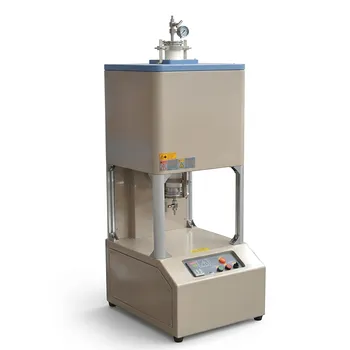
Vertical 1700C Vacuum and Atmosphere Tube Furnace with 80mm Alumina Tube

Compact High Temperature 1600C Tube Furnace with 50mm Alumina Tube and Vacuum Flanges for Material Sintering
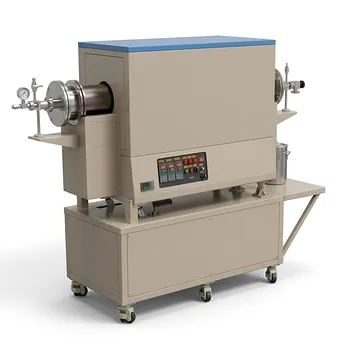
900°C Max Rotary Tube Furnace with 8 Inch 310S Alloy Tube and Optional Multi Zone Heating for Industrial Material Calcination
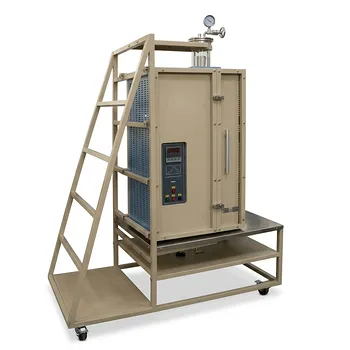
Split Vertical Tube Furnace with 1200C Quartz Tube and Stainless Steel Vacuum Flanges for Rapid Thermal Processing

High Temperature 1700C Tube Furnace with High Vacuum Turbomolecular Pump System and Multi Channel Mass Flow Controller Gas Mixer
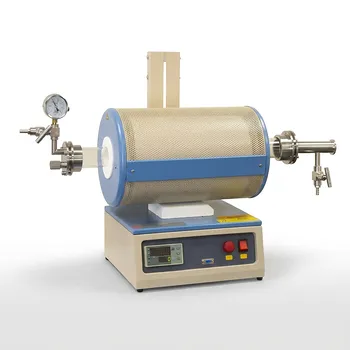
1100C Tube Furnace with Vacuum Flange and Programmable Temperature Controller for Material Science and Industrial Heat Treatment
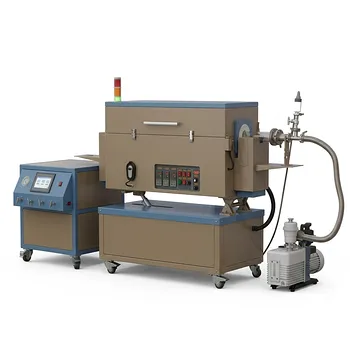
5 Inch Three Zone Rotary Tube Furnace with Integrated Gas Delivery System and 1200C Capability for Advanced Material CVD Processing
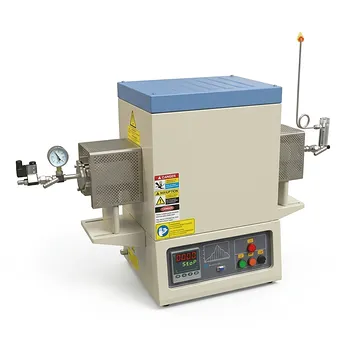
1700C Hydrogen Gas Tube Furnace with 60mm Alumina Process Tube and Integrated Hydrogen Safety Detector
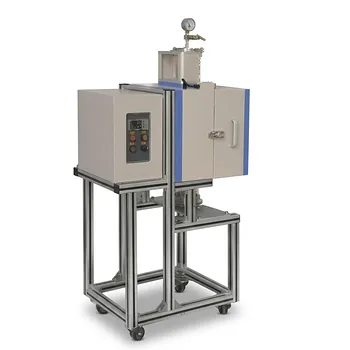
1200°C 5 Inch Vertical Quartz Tube Furnace with Stainless Steel Vacuum Flanges
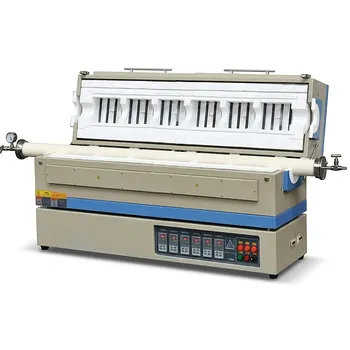
High Temperature 1700C Six Zone Split Tube Furnace with Alumina Tube and Water Cooled Flanges
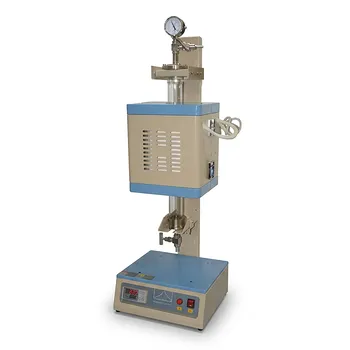
Compact Vertical Split Quartz Tube Furnace with Stainless Steel Vacuum Flanges for Rapid Thermal Quenching and Controlled Atmosphere Material Processing
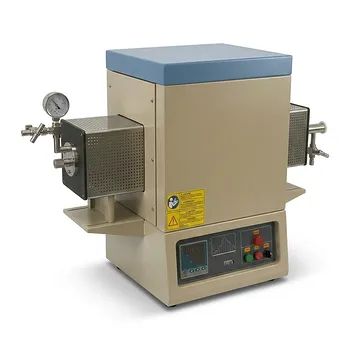
High Temperature 1700C Benchtop Tube Furnace with 5 Inch Heating Zone High Purity Alumina Tube and Vacuum Sealing Flanges
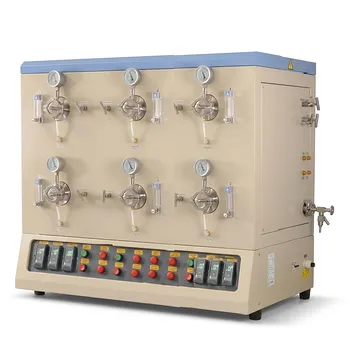
1200C High Throughput Multi Channel Tube Furnace with 50mm Quartz Tubes for Annealing and Material Phase Diagram Research
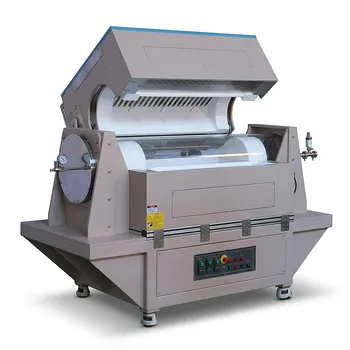
Three Zone Tube Furnace with 11 Inch or 15 Inch Quartz Tube and Hinged Flanges for Vacuum Atmosphere Heat Treatment

1800C High Temperature Compact Vacuum Tube Furnace with 60mm OD Alumina Tube and Kanthal MoSi2 Heating Elements

High Temperature 1700C Vertical Tube Furnace for Powder Spherification and Material Sintering
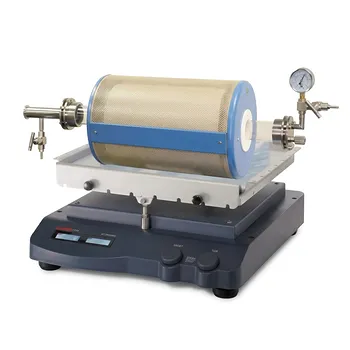
High Temperature Rocking Tube Furnace with Quartz Tube and Vacuum Flange for Materials Synthesis

High Temperature Automated 5 Inch Tube Furnace for Autonomous Material Research and Advanced Laboratory R&D
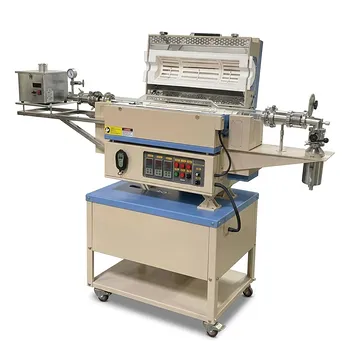
5 Inch Rotary Tube Furnace with Automatic Feeding and Receiving System 1200C Three Zone CVD Powder Processing