Role of Argon in 316L Bipolar Plate Heat Treatment: Prevent Oxidation & Ensure Conductivity
Updated 3 months ago
High-purity argon gas acts as an inert shielding agent that prevents the formation of thick, insulating oxide layers on 316L stainless steel. By displacing oxygen and moisture within the tube furnace, it ensures the surface of the bipolar plates remains dominated by highly conductive metallic phases and carbides, which is essential for maintaining the low interfacial contact resistance required for fuel cell performance.
The primary role of high-purity argon is to create a controlled, oxygen-free environment that preserves the material's surface chemistry. This prevents the degradation of electrical conductivity and ensures that the structural integrity and elemental composition of the alloy remain intact during high-temperature processing.
Preventing Surface Passivation and Oxidation
Displacement of Atmospheric Reactants
At the high temperatures typically used in tube furnaces, 316L stainless steel reacts aggressively with even trace amounts of oxygen and moisture. High-purity argon serves as a heavy, inert blanket that completely displaces these reactants, preventing the spontaneous growth of iron and chromium oxides.
Inhibition of Insulating Oxide Layers
Without an argon atmosphere, the steel would develop a thick "scale" or oxide layer. These oxides are naturally insulating, which would drastically increase the Interfacial Contact Resistance (ICR) of the bipolar plates, making them inefficient for energy conversion.
Preserving Electrical and Chemical Properties
Maintenance of Conductive Phases
The argon environment ensures that the modified surface of the 316L steel remains rich in metallic phases and high-conductivity carbides. These phases are critical for the efficient flow of electrons across the bipolar plate surface in a fuel cell stack.
Protection of Substrate and Coatings
If the heat treatment involves carbon-based or nitrogen-doped materials, argon prevents oxidative combustion of these elements. It ensures that nitrogen atoms remain stably fixed within the carbon lattice and that the intended metal valence states are preserved without secondary oxidation.
Precision Control of Alloy Composition
Reducing Volatile Element Loss
High-temperature processing can cause certain alloying elements to evaporate. Compared to a vacuum, a pressurized argon environment significantly reduces the volatile loss of chromium, which is vital for maintaining the corrosion resistance of the 316L grade.
Avoiding Unwanted Chemical Precipitates
Unlike nitrogen gas, which can react with chromium to form chromium nitride precipitates, argon is chemically non-reactive. This avoids the formation of brittle phases that could reduce the mechanical toughness and overall quality of the steel.
Thermal Stability and Post-Process Cooling
Phase State Preservation
Introducing argon during the cooling phase—often referred to as "freezing" the structure—prevents secondary reactions from occurring as the temperature drops. This ensures that the microstructure achieved at peak temperature is the one that remains when the sample is removed.
Stabilizing Physical Pressure
The introduction of argon at specific pressures provides a stable physical environment. This can be particularly important during processes involving liquid phases or solders, as it prevents the rapid evaporation of low-melting-point elements.
Understanding the Trade-offs
The Cost of High Purity
Utilizing high-purity argon (typically 99.999% or higher) is significantly more expensive than using standard industrial grades or nitrogen. If the purity is compromised, even small amounts of residual oxygen can lead to uncontrolled secondary oxidation, negating the benefits of the inert atmosphere.
Gas Flow Management
Maintaining a constant flow of argon is necessary to sweep away any outgassed impurities from the furnace walls or the sample itself. However, excessive flow rates can cause temperature gradients within the tube furnace, leading to non-uniform heat treatment across the surface of the bipolar plates.
How to Optimize Your Argon Environment
Making the Right Choice for Your Goal
- If your primary focus is minimizing contact resistance: Ensure a high flow rate during the initial heating phase to completely purge oxygen before the steel reaches reactive temperatures.
- If your primary focus is maintaining alloy toughness: Use argon instead of nitrogen to prevent the formation of brittle chromium nitrides that occur at high temperatures.
- If your primary focus is surface morphology precision: Maintain a stable, positive argon pressure to prevent the evaporation of critical alloying elements like chromium.
The strategic use of high-purity argon is the definitive factor in transforming 316L stainless steel from a standard industrial alloy into a high-performance, conductive component for electrochemical applications.
Summary Table:
| Key Function | Technical Benefit | Impact on Performance |
|---|---|---|
| Oxidation Shielding | Displaces O2 and moisture | Prevents insulating layers and reduces ICR |
| Phase Maintenance | Preserves conductive carbides | Ensures efficient electron flow in fuel cells |
| Inert Environment | No reaction with alloying elements | Avoids brittle nitrides and maintains toughness |
| Volatile Control | Reduces chromium evaporation | Sustains critical corrosion resistance |
Optimize Your Advanced Material Processing with THERMUNITS
Elevate your research and industrial R&D with THERMUNITS, a leading manufacturer of high-temperature laboratory equipment. Our precision Tube Furnaces and Atmosphere-Controlled Systems are specifically designed to provide the high-purity environments required for 316L stainless steel heat treatment and electrochemical applications.
Whether you require Vacuum, CVD/PECVD, Rotary, or Hot Press furnaces, THERMUNITS offers comprehensive thermal solutions tailored to material science needs. Ensure superior conductivity and surface integrity for your components by choosing equipment built for accuracy and durability.
Ready to upgrade your laboratory’s capabilities? Contact THERMUNITS today to discuss your specific heat treatment requirements!
References
- Ruijuan Wang, Chengfei Zhu. Ion Implantation Combined with Heat Treatment Enables Excellent Conductivity and Corrosion Resistance of Stainless Steel Bipolar Plates for Hydrogen Fuel Cells. DOI: 10.3390/ma17040779
Mentioned Products
- High Magnetic Field Tube Furnace with Triple Layer Vacuum Jacket and Non Magnetic SS316L Construction for Material Annealing
- High Temperature 1700C Three Zone Tube Furnace with Alumina Tube 50mm 60mm 80mm OD for Material Research and Industrial Heat Treatment
- Vertical Openable Tube Furnace 0-1700c High Temperature Laboratory System for CVD and Vacuum Heat Treatment
- High Temperature Dual Zone Tube Furnace for Material Science Research and Professional Thermal Processing
- 1100C Tube Furnace with Vacuum Flange and Programmable Temperature Controller for Material Science and Industrial Heat Treatment
People Also Ask

Tech Team · ThermUnits
Last updated on Jun 03, 2026
Related Products
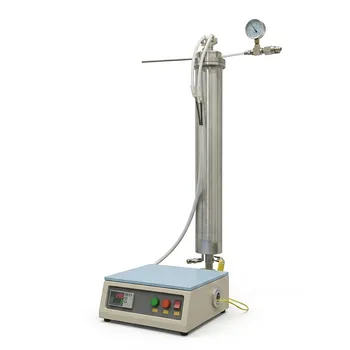
High Magnetic Field Tube Furnace with Triple Layer Vacuum Jacket and Non Magnetic SS316L Construction for Material Annealing
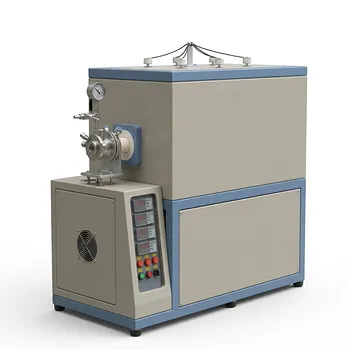
High Temperature 1700C Three Zone Tube Furnace with Alumina Tube 50mm 60mm 80mm OD for Material Research and Industrial Heat Treatment
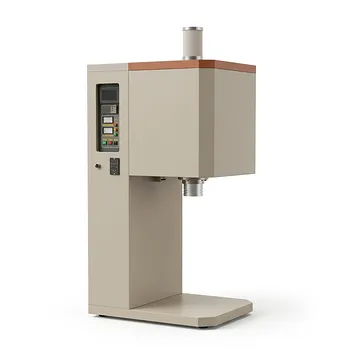
Vertical Openable Tube Furnace 0-1700c High Temperature Laboratory System for CVD and Vacuum Heat Treatment
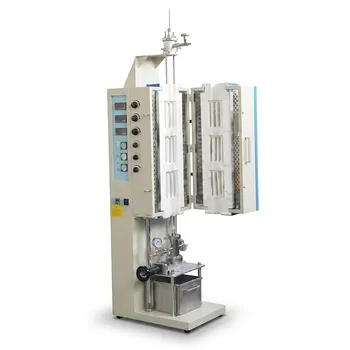
High Temperature Dual Zone Tube Furnace for Material Science Research and Professional Thermal Processing

1100C Tube Furnace with Vacuum Flange and Programmable Temperature Controller for Material Science and Industrial Heat Treatment
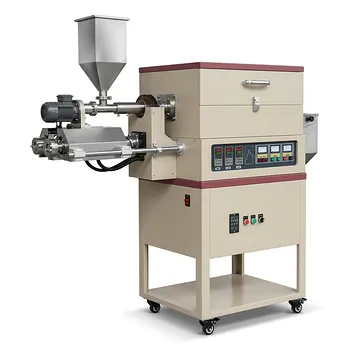
Laboratory Tilting Rotary Tubular Furnaces for Material Science and Industrial Heat Treatment

1200°C 5 Inch Vertical Quartz Tube Furnace with Stainless Steel Vacuum Flanges
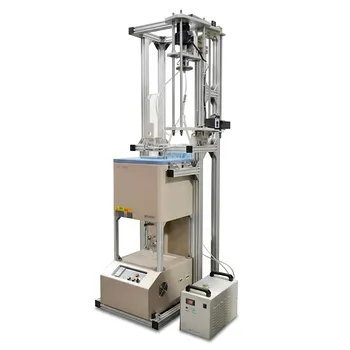
500C Vacuum Vertical Tube Furnace 84mm OD Sample Rotation Lifting System

High Temperature Tube Furnace 1500C with Sliding Flanges and 50mm OD for Rapid Thermal Processing Fast Heating and Cooling
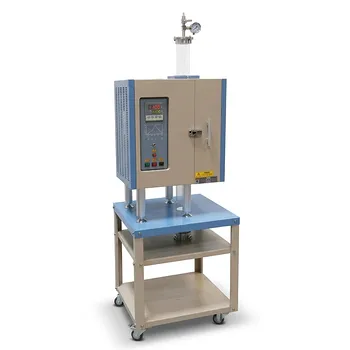
1100°C Split Vertical Tube Furnace with 80mm Quartz Tube and Stainless Steel Vacuum Flanges
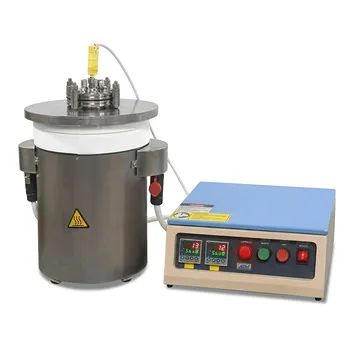
600°C Vertical Crucible Furnace with SS316 Alloy Reactor and 6 Port Vacuum Flange
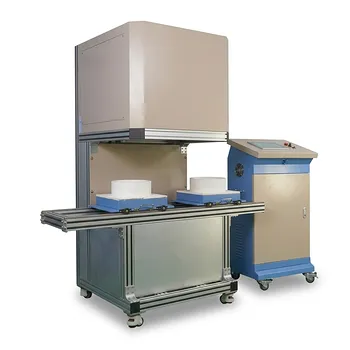
High Temperature Bottom Loading Vertical Furnace 1700C Dual Stage Sample Processing System 18L Large Capacity Thermal Treatment Equipment
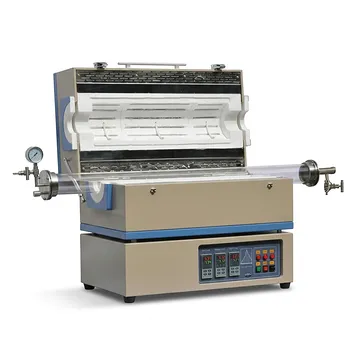
24 Inch Three Zone Split Tube Furnace with Optional Quartz Tube and Vacuum Flange System for High Temperature Material Synthesis
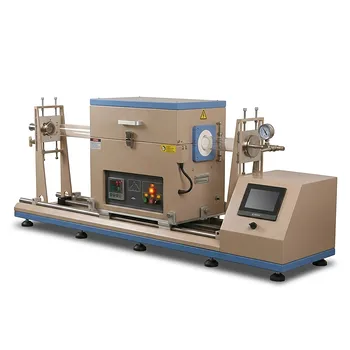
1200C Sliding Tube Furnace for Rapid Thermal Processing and CVD Graphene Growth with 100mm OD Capacity
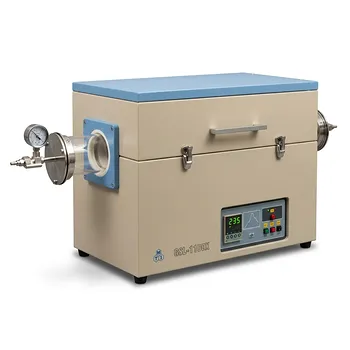
Single Zone Tube Furnace 5 Inch Quartz Tube 36 Inch Heating Zone Vacuum Flanges

High Temperature 1700C Benchtop Tube Furnace with 5 Inch Heating Zone High Purity Alumina Tube and Vacuum Sealing Flanges
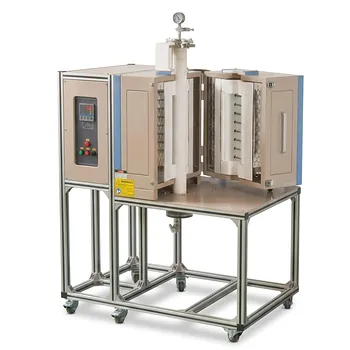
High Temperature 1700C Vertical Split Tube Furnace for Material Quenching and Single Crystal Growth

1800C High Temperature Compact Vacuum Tube Furnace with 60mm OD Alumina Tube and Kanthal MoSi2 Heating Elements
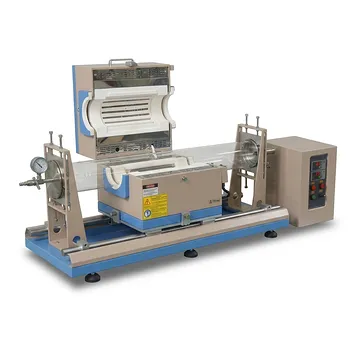
1200C High Temperature 5 Inch Sliding Tube Furnace for Rapid Thermal Processing RTP and Wafer Annealing
