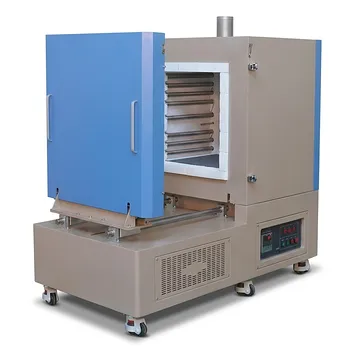
What is the significance of using a temperature-controlled atmosphere furnace for Ni/bio-Z5 catalyst activation?
Updated 6 months ago
The use of a temperature-controlled atmosphere furnace is the defining factor in achieving the precise thermal profile required to transform Ni/bio-Z5 precursors into a high-performance catalyst. This equipment enables a controlled heating rate of 2°C per minute up to a final calcination temperature of 550°C, a process that simultaneously decomposes metal precursors to anchor atomic-level nickel sites and removes template agents like TPAOH to clear the zeolite’s essential pore structures.
Use of this specialized furnace ensures that the catalyst's structural development and active site dispersion occur in perfect synchronization. By managing both the thermal ramp and the gas environment, it prevents the physical collapse of the zeolite framework while maximizing the availability of catalytic nickel.
Precise Structural Evolution of the Zeolite Support
Controlled Template Removal
The furnace facilitates the gradual removal of template agents, such as TPAOH, which are used to build the zeolite framework. By maintaining a slow, steady heating rate, the furnace ensures these agents decompose without causing thermal shock or structural collapse.
Development of Porosity
As the template is removed, the furnace allows for the clean development of microporous and mesoporous structures. These channels are critical for molecular diffusion, ensuring that reactants can reach the active sites within the bio-Z5 matrix.
Maintaining Crystalline Integrity
A temperature-controlled environment prevents localized "hot spots" that could lead to the de-alumination of the zeolite. This stability preserves the ZSM-5 crystalline structure, which is vital for the catalyst's long-term durability.
Optimization of Nickel Active Sites
Atomic-Level Anchoring
The primary significance of the 550°C calcination is its ability to decompose metal precursors into stably anchored atomic-level nickel sites. This high degree of dispersion is what gives the Ni/bio-Z5 catalyst its superior reactivity compared to bulk nickel.
Prevention of Sintering
Precise programmed temperature control prevents the agglomeration or sintering of nickel particles. By guiding the conversion of precursors into uniformly distributed phases, the furnace ensures the active metal particles do not grow into large, inactive clusters.
Tuning Metal-Support Interactions
The furnace environment determines the strength of the interaction between the nickel and the zeolite support. A well-controlled atmosphere ensures that the nickel is not just sitting on the surface, but is chemically integrated into the structure for better performance in reactions like Fischer-Tropsch synthesis.
The Critical Role of Atmosphere Management
Precursor Conversion
The atmosphere furnace allows for specific gas environments, such as flowing nitrogen or synthetic air, to be introduced during heating. This environment is essential for converting nickel precursors into the correct oxide phases before any subsequent reduction steps.
Redox Cycle Stability
In advanced applications, the furnace enables Redox (reduction-oxidation) cycles by accurately switching between atmospheres. This allows nickel cations to enter and exit the support lattice, a process that can be used to "regenerate" the catalyst or increase its carbon resistance.
Understanding the Trade-offs
Heating Rate Sensitivity
While a slow heating rate of 2°C per minute is ideal for structural integrity, it significantly increases the duration of the manufacturing process. A rate that is too fast may lead to sintering, while a rate that is too slow may lead to unintended phase changes or excessive energy consumption.
Atmosphere Uniformity Risks
If the gas flow within the furnace is not perfectly stable, the catalyst may suffer from non-uniform activation. Variations in the concentration of the atmosphere (e.g., 10% H2 in N2) can result in a batch where some nickel sites are fully reduced while others remain as inactive oxides.
How to Apply This to Your Project
Maximizing Catalyst Performance
To achieve the highest catalytic activity and structural stability, your thermal treatment strategy should align with your specific material goals.
- If your primary focus is maximizing surface area: Prioritize the slow removal of template agents (TPAOH) at the 2°C/min rate to ensure the mesoporous channels remain unobstructed.
- If your primary focus is preventing metal deactivation: Ensure the furnace maintains a strictly controlled reducing atmosphere during final activation to prevent the sintering of metallic nickel nanoparticles.
- If your primary focus is long-term stability: Use segmented heating programs to strengthen the metal-support interaction, preventing the nickel from leaching or migrating during high-temperature reactions.
The mastery of the furnace’s thermal and atmospheric variables is ultimately what transforms a raw chemical mixture into a sophisticated, atomic-level catalytic tool.
Summary Table:
| Key Feature | Role in Ni/bio-Z5 Activation | Primary Benefit |
|---|---|---|
| Linear Heating (2°C/min) | Controlled decomposition of TPAOH templates | Prevents structural collapse/thermal shock |
| Atmosphere Management | Controlled gas flow (N2, Air, or H2) | Ensures correct oxide phases and metal anchoring |
| Precise Temp (550°C) | Final calcination and precursor conversion | Optimizes atomic-level nickel site dispersion |
| Thermal Uniformity | Eliminates localized hot spots | Preserves ZSM-5 crystalline integrity |
Elevate Your Catalyst Synthesis with THERMUNITS Precision
Achieving the perfect atomic-level nickel dispersion and zeolite integrity requires more than just heat—it requires total environmental control. THERMUNITS is a leading manufacturer of high-performance thermal processing solutions, providing the precision needed for advanced material science and industrial R&D.
Our extensive range of equipment includes:
- Atmosphere & Vacuum Furnaces: Ideal for sensitive catalyst activation and redox cycles.
- Tube & CVD/PECVD Systems: Perfect for precise gas-phase interactions.
- Muffle, Rotary, & Hot Press Furnaces: Built for durability and uniform thermal profiles.
Whether you are optimizing Ni/bio-Z5 performance or developing next-generation catalysts, our laboratory heat treatment solutions ensure your research is backed by reliable, industry-leading technology.
Ready to optimize your thermal processing? Contact THERMUNITS Today to find the perfect furnace for your laboratory.
References
- Bin Chen, Guowu Zhan. Catalytic pyrolysis of biomass to aromatics over bifunctional Ni/ZSM-5 catalysts assembled on rice husk-derived silica platform. DOI: 10.1016/j.checat.2024.100958
Mentioned Products
- Roller Table Atmosphere Furnace 1500C High Temperature Battery Material Sintering System 112L Capacity
- 1200C Hydrogen Atmosphere Box Furnace with 5 Heated Sides and 64L Chamber
- 1650C High Temperature Atmosphere Controlled Box Furnace with 65L Chamber for Advanced Material Sintering and Industrial Heat Treatment
- 1200°C Atmosphere Controlled Automatic Bottom Loading Furnace with 6 Inch Quartz Tube
- Bottom Loaded Inert Gas Atmosphere Box Furnace 1700C 1300C 216L Large Capacity Industrial Thermal Processing System
People Also Ask
- How does sintering furnace accuracy affect copper-graphene composites? Master Microstructure & Performance
- How does a high-temperature sintering furnace environment enhance NdFeB magnets? Achieve 98%+ density with precision.
- How does the temperature control precision of a high-temperature sintering furnace affect Na1+xLa1-xZr2O6-δ ceramics?
- How are electric heating elements designed to operate within carburizing atmospheres? Top Design Strategies Revealed
- How does a high-temperature sintering furnace contribute to the interfacial strengthening of SS316L and zirconia?

Tech Team · ThermUnits
Last updated on Apr 14, 2026
Related Products
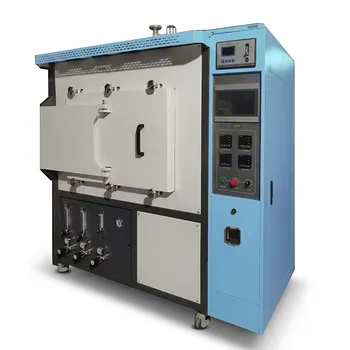
Roller Table Atmosphere Furnace 1500C High Temperature Battery Material Sintering System 112L Capacity
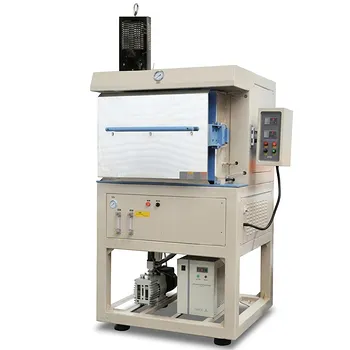
1200C Hydrogen Atmosphere Box Furnace with 5 Heated Sides and 64L Chamber
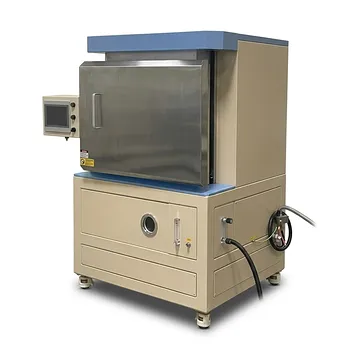
1650C High Temperature Atmosphere Controlled Box Furnace with 65L Chamber for Advanced Material Sintering and Industrial Heat Treatment
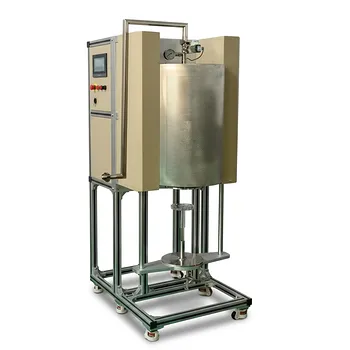
1200°C Atmosphere Controlled Automatic Bottom Loading Furnace with 6 Inch Quartz Tube
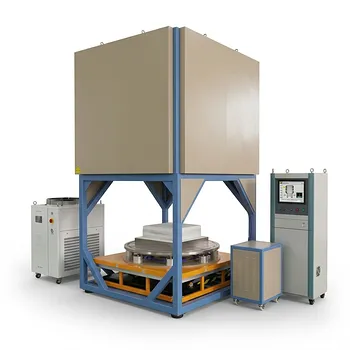
Bottom Loaded Inert Gas Atmosphere Box Furnace 1700C 1300C 216L Large Capacity Industrial Thermal Processing System
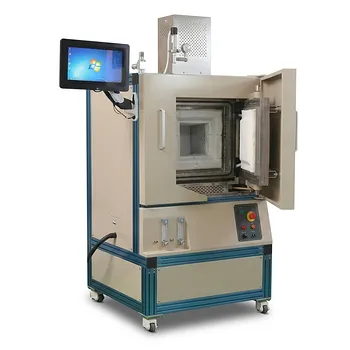
High Temperature Oxygen and Inert Atmosphere Controlled Furnace 8 Liter 1700C Sintering System for Advanced Materials RD
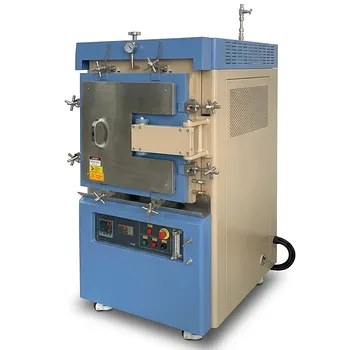
Atmosphere Controlled Muffle Furnace 1700C Maximum Temperature 80L High Capacity Vacuum Inert Gas Box Furnace
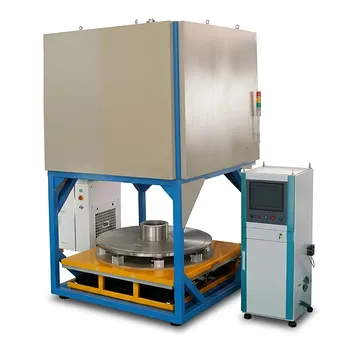
1400C Bottom Loaded Inert Gas Atmosphere Box Furnace with 125L Capacity and Precision Hydraulic Lift
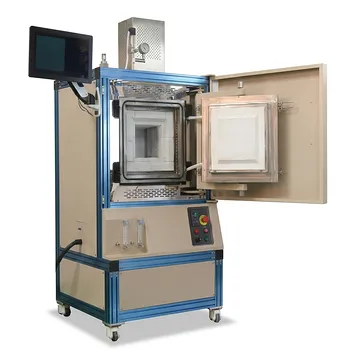
High Temperature Hydrogen Atmosphere Box Furnace 1650C Max Reducing Environment Material Synthesis System 8x8x8 Chamber
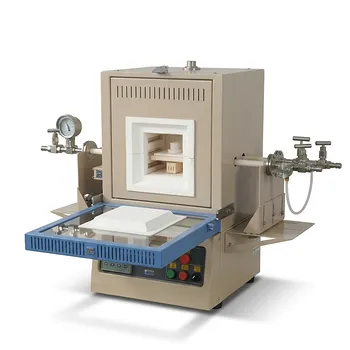
1700C Compact Hybrid Furnace with Dual Layer Box Sintering and Controlled Atmosphere Alumina Tubes
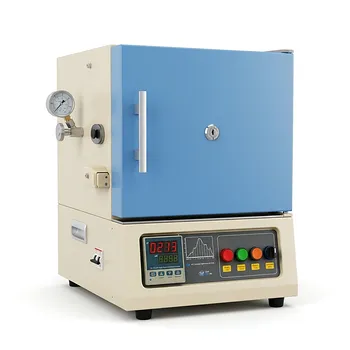
1200C Hybrid Muffle and Tube Furnace for Material Research with Dual Atmosphere Control Quartz Tubes
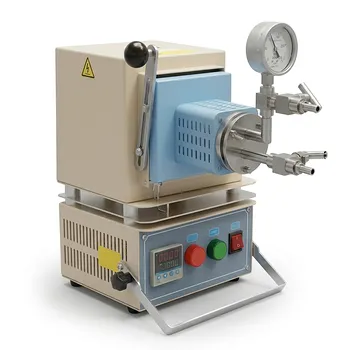
Compact Hybrid Muffle and Tube Furnace for 1000C Controlled Atmosphere Laboratory Material Sintering
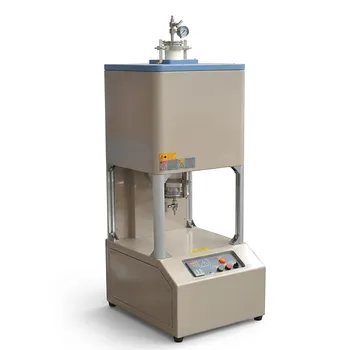
Vertical 1700C Vacuum and Atmosphere Tube Furnace with 80mm Alumina Tube
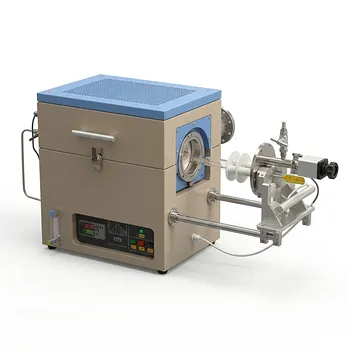
Compact Atmosphere Controlled Rapid Thermal Processing RTP Furnace with 4 Inch ID Quartz Tube 1100C
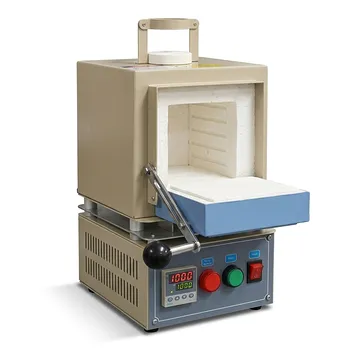
Compact 1000C Muffle Furnace with Programmable Controller and 2 Inch Top Port for Vacuum and Atmosphere Material Research
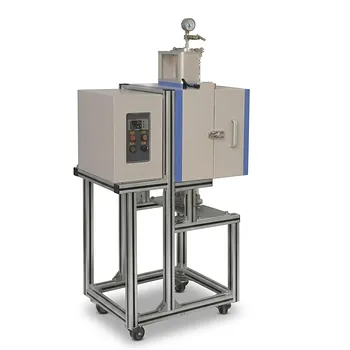
1200°C 5 Inch Vertical Quartz Tube Furnace with Stainless Steel Vacuum Flanges
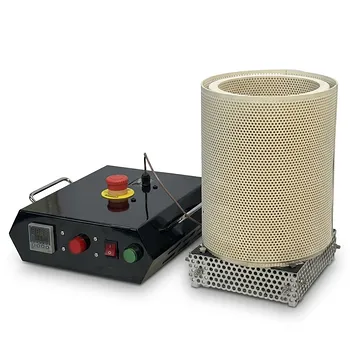
1250 C Compact Vertical Box Furnace for Glovebox Material Research Air Sensitive Samples
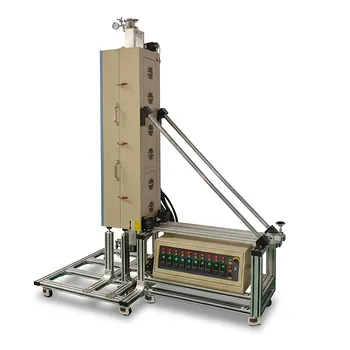
1200°C 10-Zone Split Tube Furnace with Horizontal and Vertical Mounting for Multi-Zone Thermal Gradients and Large Diameter Material Processing
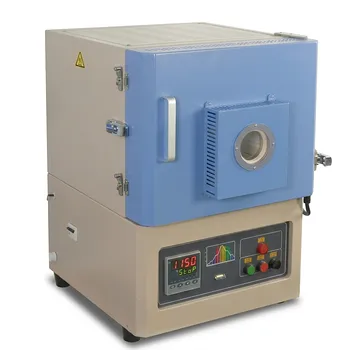
High Temperature Benchtop Muffle Furnace with Quartz Observation Window for Thermal Imaging and Material Analysis