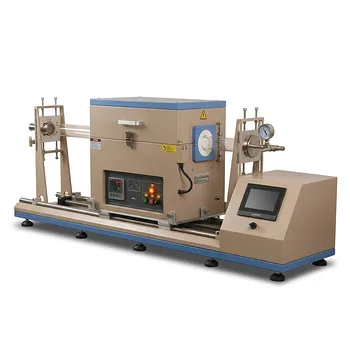
What is the specific role of a tube furnace in the fabrication process of Ag/TiOx/SnOx/SnSe2 memristors? Mild Oxidation
Updated 6 months ago
In the fabrication of Ag/TiOx/SnOx/SnSe2 memristors, the tube furnace is the engine for a precision "mild thermal oxidation" process. Specifically, it is used to simultaneously convert the surface of 2D SnSe2 into an ultra-thin SnOx layer and transform deposited metallic Ti into a TiOx oxide layer by maintaining a constant 200°C environment in a high-concentration oxygen atmosphere.
The tube furnace acts as a critical controlled environment that facilitates the self-assembly of dual oxide layers. This specific thermal treatment ensures the creation of atomically smooth interfaces, which are essential for the stable resistive switching required in high-performance memristors.
The Dual-Layer Oxidation Mechanism
The tube furnace performs a dual role by oxidizing two distinct materials within a single controlled stage. This efficiency is vital for maintaining the integrity of the multi-layered stack.
Conversion of SnSe2 to SnOx
The furnace provides the thermal energy necessary to transform the top layers of the 2D SnSe2 crystal into an ultra-thin SnOx layer. This "native" oxide formation is more stable and uniform than layers deposited through external means.
Transformation of Titanium to TiOx
Beyond the 2D material, the furnace oxidizes the deposited metallic titanium (Ti) into a TiOx oxide layer. This creates a functional bilayer of TiOx and SnOx, which serves as the active switching medium for the memristor.
Precision Control and Atmospheric Integrity
A tube furnace is selected for this process because it offers a level of environmental isolation and thermal stability that standard ovens cannot achieve.
The Role of 200°C Temperature Regulation
The process is characterized as "mild" because it operates at 200°C, a temperature far lower than standard industrial oxidation (which often exceeds 600°C). Precise temperature curves prevent the degradation of the underlying SnSe2 crystal lattice while still driving the oxidation reaction.
High-Concentration Oxygen Environments
The sealed nature of the tube furnace allows for a high-concentration oxygen atmosphere to be maintained throughout the heating cycle. This ensures that the oxidation is complete and uniform across the entire surface of the wafer.
Atomic Interface Smoothness
By using controlled thermal oxidation rather than aggressive chemical methods, the furnace produces atomically smooth interfaces. In memristor technology, the smoothness of these interfaces directly correlates to reduced noise and more predictable electron tunneling.
Understanding the Trade-offs and Pitfalls
While the tube furnace is essential for quality, it introduces specific variables that must be managed to avoid device failure.
Risk of Over-Oxidation
If the dwell time in the furnace is too long or the temperature fluctuates above 200°C, the SnOx layer can grow too thick. An excessively thick oxide layer increases the initial resistance of the memristor to a point where the "forming" voltage may damage the device.
Thermal Expansion Mismatches
Heating multi-layered materials like Ag, Ti, and SnSe2 can lead to mechanical stress due to different coefficients of thermal expansion. If the cooling rate is not strictly programmed, the resulting stress can cause delamination or cracks in the thin films.
Atmospheric Purity
Any trace contaminants or moisture within the tube can lead to the formation of unwanted impurities in the TiOx or SnOx layers. This can introduce "traps" or defects that cause erratic switching behavior in the final memristor.
How to Apply This to Your Fabrication Goal
When utilizing a tube furnace for memristor development, your specific goals will dictate your process parameters.
- If your primary focus is interface quality: Prioritize a slow ramp-up to the 200°C setpoint to allow the self-assembly of the SnOx layer to occur without lattice strain.
- If your primary focus is batch consistency: Ensure the samples are placed in the "constant temperature zone" of the furnace tube to guarantee that every memristor on the wafer undergoes identical oxidation.
- If your primary focus is device longevity: Use high-purity oxygen (99.999% or higher) to minimize defect density within the TiOx/SnOx bilayer.
By mastering the mild thermal oxidation process within the tube furnace, researchers can reliably produce the high-quality oxide bilayers necessary for advanced neuromorphic computing applications.
Summary Table:
| Process Parameter | Role in Fabrication | Key Benefit |
|---|---|---|
| Temperature (200°C) | Mild thermal oxidation | Protects 2D crystal lattice integrity |
| Atmosphere | High-concentration Oxygen | Ensures uniform, complete oxide layer growth |
| Interface Control | Atomic-level smoothness | Enhances switching stability and lowers noise |
| Layer Formation | Dual conversion (SnOx/TiOx) | Creates high-performance resistive switching medium |
Optimize Your Memristor Research with THERMUNITS
High-performance materials science requires uncompromising thermal precision. THERMUNITS is a leading manufacturer specializing in high-temperature laboratory equipment for industrial R&D. Our high-precision Tube furnaces, Vacuum and Atmosphere furnaces, and CVD/PECVD systems provide the stable 200°C environment and atmospheric purity essential for the mild oxidation of 2D materials.
From Muffle and Rotary furnaces to specialized Vacuum Induction Melting (VIM) and Hot Press systems, we deliver the thermal processing solutions needed for breakthrough memristor development.
Ready to enhance your lab's efficiency? Contact our experts today to find the perfect thermal solution for your next project.
References
- Zhidong Pan, Nengjie Huo. Thermally Oxidized Memristor and 1T1R Integration for Selector Function and Low‐Power Memory. DOI: 10.1002/advs.202401915
Mentioned Products
- Vertical 1700C Vacuum and Atmosphere Tube Furnace with 80mm Alumina Tube
- Compact High Temperature 1600C Tube Furnace with 50mm Alumina Tube and Vacuum Flanges for Material Sintering
- 900°C Max Rotary Tube Furnace with 8 Inch 310S Alloy Tube and Optional Multi Zone Heating for Industrial Material Calcination
- Split Vertical Tube Furnace with 1200C Quartz Tube and Stainless Steel Vacuum Flanges for Rapid Thermal Processing
- High Temperature 1700C Tube Furnace with High Vacuum Turbomolecular Pump System and Multi Channel Mass Flow Controller Gas Mixer
People Also Ask
- How does a vertical tube furnace ensure stable experimental conditions during molten fluoride electrolysis testing? Precision Tips
- How does a vertical tube furnace facilitate thermoelectric alloy melting? Precision synthesis for material homogeneity.
- How is an industrial-grade vertical tube furnace utilized in smelting leaching residues? Enhance Metal Recovery Efficiency
- What is the function of a laboratory-grade vertical tube furnace in fast pyrolysis? Optimize Composite Research.
- Why is a thermocouple sensor indispensable for monitoring the vertical tube furnace during gallium oxide nanowire production? Optimize VLS Growth

Tech Team · ThermUnits
Last updated on Apr 14, 2026
Related Products
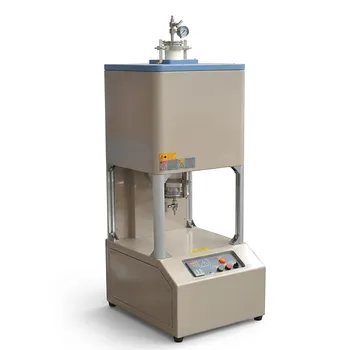
Vertical 1700C Vacuum and Atmosphere Tube Furnace with 80mm Alumina Tube
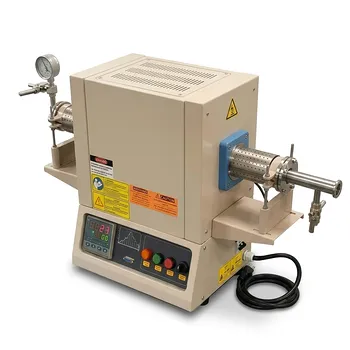
Compact High Temperature 1600C Tube Furnace with 50mm Alumina Tube and Vacuum Flanges for Material Sintering
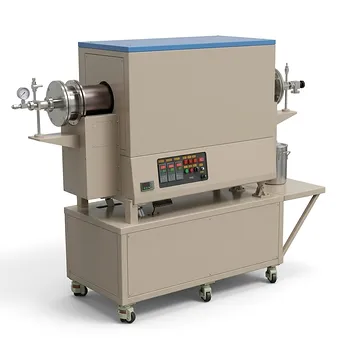
900°C Max Rotary Tube Furnace with 8 Inch 310S Alloy Tube and Optional Multi Zone Heating for Industrial Material Calcination
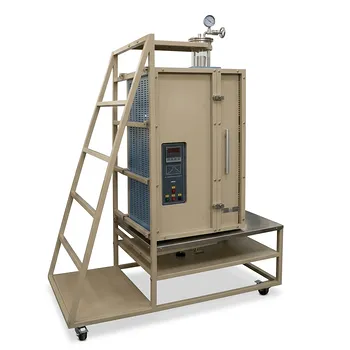
Split Vertical Tube Furnace with 1200C Quartz Tube and Stainless Steel Vacuum Flanges for Rapid Thermal Processing
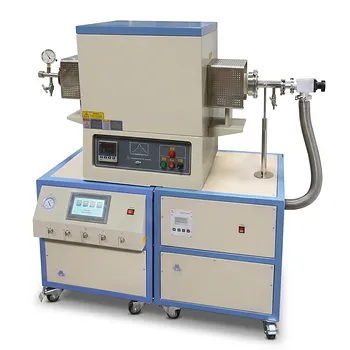
High Temperature 1700C Tube Furnace with High Vacuum Turbomolecular Pump System and Multi Channel Mass Flow Controller Gas Mixer
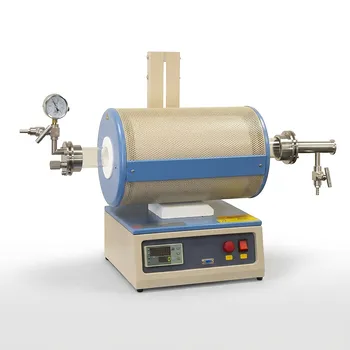
1100C Tube Furnace with Vacuum Flange and Programmable Temperature Controller for Material Science and Industrial Heat Treatment
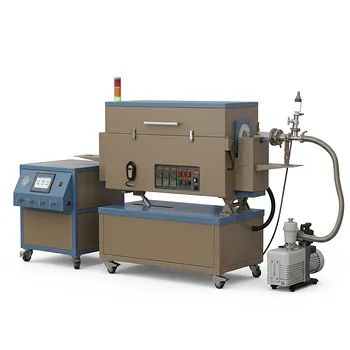
5 Inch Three Zone Rotary Tube Furnace with Integrated Gas Delivery System and 1200C Capability for Advanced Material CVD Processing
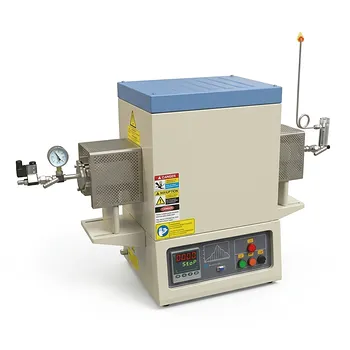
1700C Hydrogen Gas Tube Furnace with 60mm Alumina Process Tube and Integrated Hydrogen Safety Detector
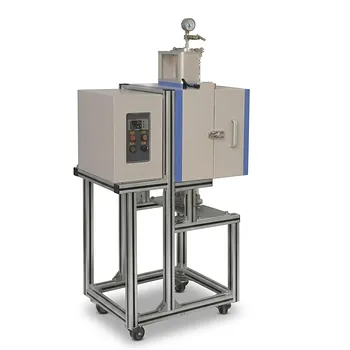
1200°C 5 Inch Vertical Quartz Tube Furnace with Stainless Steel Vacuum Flanges
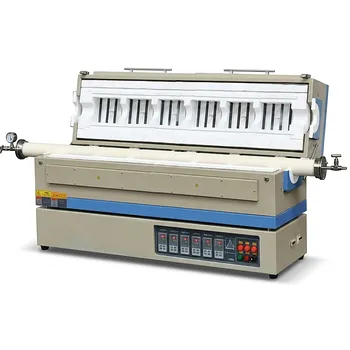
High Temperature 1700C Six Zone Split Tube Furnace with Alumina Tube and Water Cooled Flanges
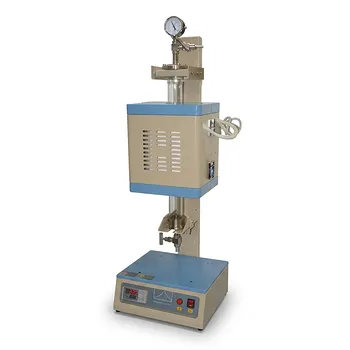
Compact Vertical Split Quartz Tube Furnace with Stainless Steel Vacuum Flanges for Rapid Thermal Quenching and Controlled Atmosphere Material Processing
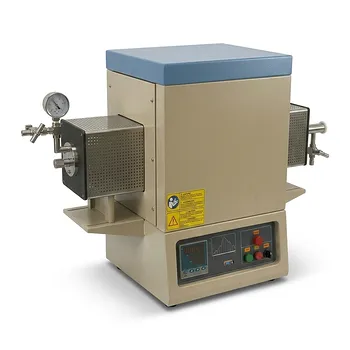
High Temperature 1700C Benchtop Tube Furnace with 5 Inch Heating Zone High Purity Alumina Tube and Vacuum Sealing Flanges
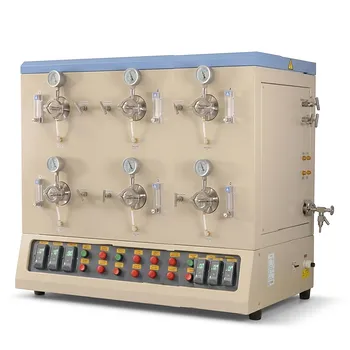
1200C High Throughput Multi Channel Tube Furnace with 50mm Quartz Tubes for Annealing and Material Phase Diagram Research
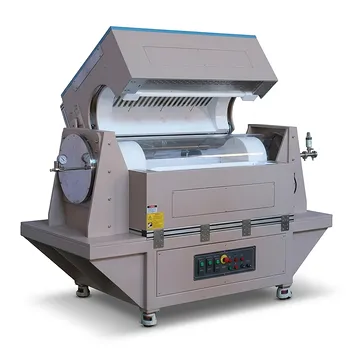
Three Zone Tube Furnace with 11 Inch or 15 Inch Quartz Tube and Hinged Flanges for Vacuum Atmosphere Heat Treatment
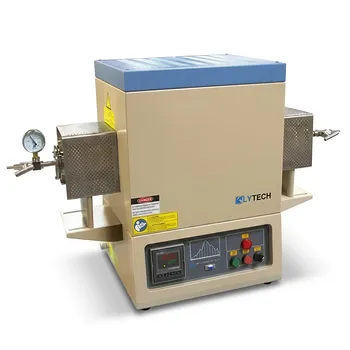
1800C High Temperature Compact Vacuum Tube Furnace with 60mm OD Alumina Tube and Kanthal MoSi2 Heating Elements
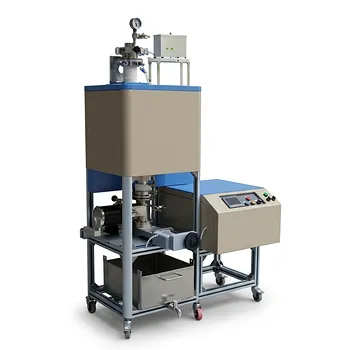
High Temperature 1700C Vertical Tube Furnace for Powder Spherification and Material Sintering
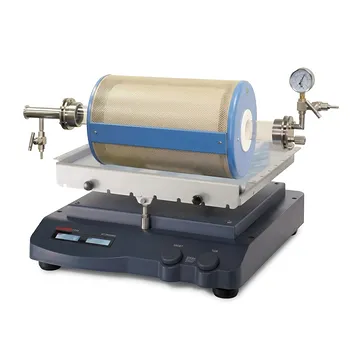
High Temperature Rocking Tube Furnace with Quartz Tube and Vacuum Flange for Materials Synthesis
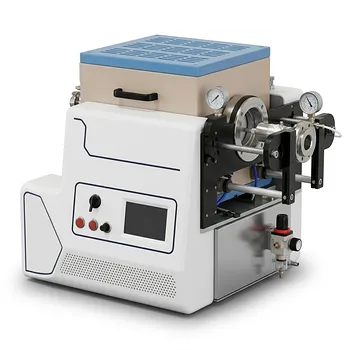
High Temperature Automated 5 Inch Tube Furnace for Autonomous Material Research and Advanced Laboratory R&D
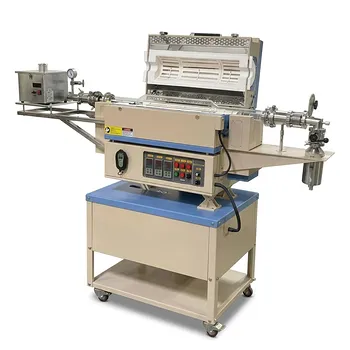
5 Inch Rotary Tube Furnace with Automatic Feeding and Receiving System 1200C Three Zone CVD Powder Processing