What is the technical necessity of using Ceramic Porous Baffles in a quartz tube reactor? Improve Data Precision
Updated 3 months ago
Ceramic Porous Baffles are the primary structural and protective interface within a quartz tube reactor. They prevent the loss of powdered reactants, such as coal or oxygen carriers, during high-velocity gas flushing while ensuring the integrity of the downstream gas analysis system.
The technical necessity of these baffles lies in their ability to anchor the reaction bed and filter particulates without obstructing gas flow, effectively bridging the gap between high-speed chemical kinetics and precise data collection.
Maintaining Structural Integrity of the Reaction Bed
Preventing Reactant "Blow-Out"
In chemical looping, high-speed gas streams are necessary to drive reactions, but they risk physically displacing fine powdered coal or iron-based oxygen carriers.
The baffles act as a physical permeable barrier, ensuring that these solid materials remain localized within the high-temperature reaction zone.
Fixing the Bed Position
For consistent results, the sample must stay within a specific thermal gradient inside the quartz tube.
By fixing the reaction bed in place, the baffles ensure that the interaction between the gas and the solid sample occurs at the intended temperature and residence time.
Protecting Downstream Diagnostic Systems
Particulate Filtration
High-velocity gas flushing can carry fine dust and debris out of the hot zone and into the rest of the experimental setup.
The ceramic porous structure acts as a filter, trapping particulate matter before it can exit the reactor tube.
Safeguarding Gas Sampling
Contamination of gas sampling systems can lead to clogged lines, damaged sensors, and inaccurate data.
Baffles serve as the first line of defense, protecting sensitive analytical equipment from the harsh, particle-laden environment of the reaction chamber.
Ensuring Chemical and Thermal Compatibility
Thermal Stability in High-Heat Environments
Like the high-purity quartz tubes they occupy, these baffles must withstand extreme temperatures without deforming or losing structural integrity.
Their ceramic composition mirrors the thermal properties of the reactor, preventing failure during rapid heating or cooling cycles.
Maintaining Chemical Inertness
To ensure that corrosion products or reaction gases like HCl originate solely from the sample, the baffles must be chemically inert.
Using high-purity ceramic or alumina ensures that the baffles do not introduce impurities or undergo side reactions with the atmosphere or sample deposits.
Understanding the Trade-offs and Pitfalls
Pressure Drop Considerations
While higher porosity improves gas flow, it may reduce the mechanical strength of the baffle or allow finer particles to escape.
Engineers must balance the pore size against the particle size of the oxygen carriers to avoid excessive pressure buildup.
Maintenance and Clogging
Over time, the porous structure can become saturated with fine soot or ash from the coal samples.
Failure to clean or replace these baffles regularly can lead to restricted gas flow, which alters the reaction kinetics and potentially compromises the quartz tube due to pressure stress.
How to Apply This to Your Project
Recommendations Based on Experimental Goals
- If your primary focus is High-Velocity Kinetic Studies: Prioritize baffles with high mechanical strength and secure fitment to prevent "blow-out" during maximum gas flow.
- If your primary focus is High-Purity Gas Analysis: Select high-purity alumina or ceramic baffles to ensure no trace elements or impurities interfere with downstream sampling.
- If your primary focus is Real-Time Monitoring: Ensure baffle placement does not obstruct the "line of sight" for infrared thermometers through the transparent quartz tube walls.
Properly implemented Ceramic Porous Baffles transform a simple quartz tube into a controlled, high-performance chemical environment capable of yielding reliable and reproducible data.
Summary Table:
| Technical Necessity | Core Function | Impact on Experiment |
|---|---|---|
| Bed Stability | Prevents powder "blow-out" | Ensures consistent thermal gradient and residence time. |
| System Protection | Filters fine particulates | Prevents clogging and damage to gas sensors/sampling lines. |
| Material Compatibility | Chemically inert ceramic | Avoids side reactions and contamination of gaseous products. |
| Flow Control | Managed porosity | Maintains gas-solid contact efficiency while minimizing pressure drops. |
Elevate Your Research Precision with THERMUNITS
As a leading manufacturer of high-temperature laboratory equipment for material science and industrial R&D, THERMUNITS understands the critical role of every component in your thermal processing setup. Whether you are conducting chemical looping in a quartz tube or specialized heat treatments, our comprehensive range of solutions—including Tube, Vacuum, Atmosphere, and Rotary furnaces, as well as CVD/PECVD systems—is engineered for reliability and performance.
From high-purity thermal elements to custom-designed dental and hot press furnaces, we provide the tools you need for reproducible results and equipment longevity.
Ready to optimize your lab's thermal efficiency?
Contact our technical experts today to find the perfect furnace solution for your specific R&D requirements.
References
- Guochao Hu, Yongzhuo Liu. Mercury Adsorption and Oxidation Performance of an Iron-Based Oxygen Carrier during Coal Chemical Looping Process. DOI: 10.3390/molecules29102195
Mentioned Products
- 1200C Hybrid Muffle and Tube Furnace for Material Research with Dual Atmosphere Control Quartz Tubes
- Three Zone Tube Furnace with 11 Inch or 15 Inch Quartz Tube and Hinged Flanges for Vacuum Atmosphere Heat Treatment
- Compact Vertical Split Quartz Tube Furnace with Stainless Steel Vacuum Flanges for Rapid Thermal Quenching and Controlled Atmosphere Material Processing
- High Temperature 1200C Split Tube Furnace with Hinged Vacuum Flanges and 4 Inch Quartz Tube for Laboratory Research
- 1100°C Large Diameter Quartz Tube Furnace with 24 Inch Heating Zone and Water Cooled Flanges
People Also Ask
- What's the Role of Tube Furnaces in FeCuS-N-C Synthesis? Precision Pyrolysis & Atmosphere Control
- Why is an atmosphere tube furnace required during the pre-carbonization stage of coal-based hard carbon synthesis?
- How does a high-temperature atmosphere tube furnace facilitate CoN@Co growth on biochar? Precision Synthesis Guide
- What is the purpose of Ar/H2 annealing? Enhancing Pt-Co3O4 Catalytic Performance via Precision EMSI Tuning
- Why is a High-Precision Tube Atmosphere Furnace required for biochar? Achieve Optimal Pore Structure & Carbon Content

Tech Team · ThermUnits
Last updated on Jun 02, 2026
Related Products
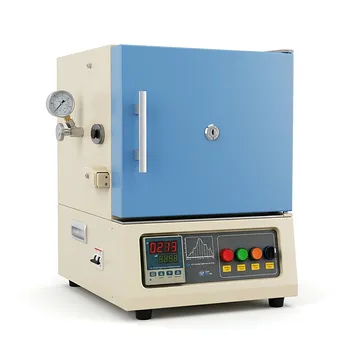
1200C Hybrid Muffle and Tube Furnace for Material Research with Dual Atmosphere Control Quartz Tubes
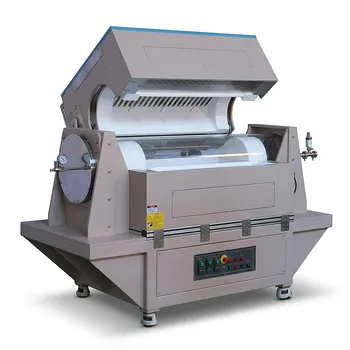
Three Zone Tube Furnace with 11 Inch or 15 Inch Quartz Tube and Hinged Flanges for Vacuum Atmosphere Heat Treatment

Compact Vertical Split Quartz Tube Furnace with Stainless Steel Vacuum Flanges for Rapid Thermal Quenching and Controlled Atmosphere Material Processing
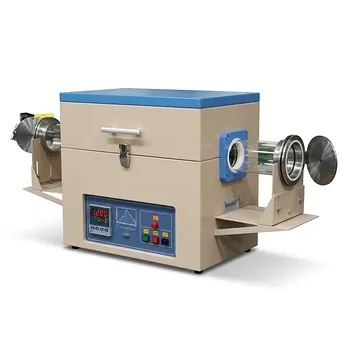
High Temperature 1200C Split Tube Furnace with Hinged Vacuum Flanges and 4 Inch Quartz Tube for Laboratory Research
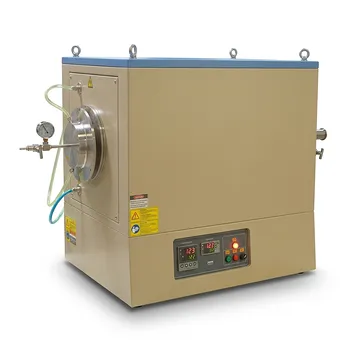
1100°C Large Diameter Quartz Tube Furnace with 24 Inch Heating Zone and Water Cooled Flanges
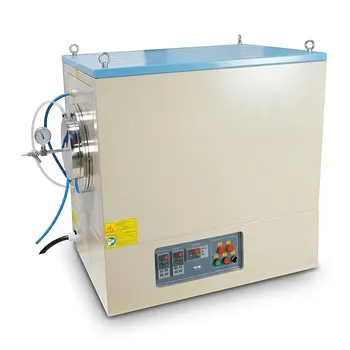
Dual Zone Tube Furnace 1100C with 11 Inch Quartz Tube and Vacuum Flanges for 8 Inch Wafer Processing
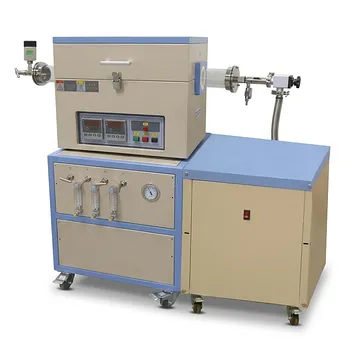
Dual Zone Quartz Tube Furnace with 80mm Diameter 1200C Max Temperature 3 Channel Gas Mixer and Vacuum Pump System

1200°C 5 Inch Vertical Quartz Tube Furnace with Stainless Steel Vacuum Flanges
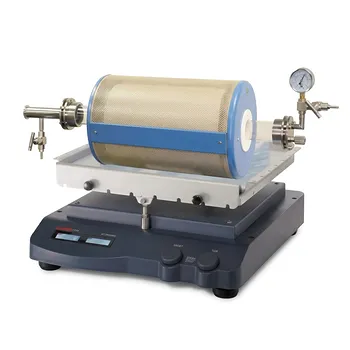
High Temperature Rocking Tube Furnace with Quartz Tube and Vacuum Flange for Materials Synthesis
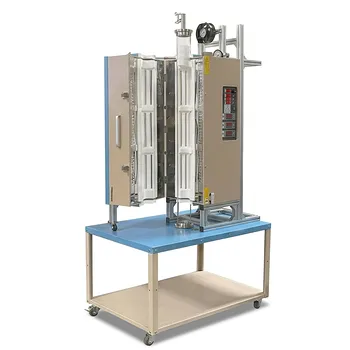
1200C Three Zone Split Vertical Tube Furnace 4 Inch Quartz Tube Stainless Steel Vacuum Flanges
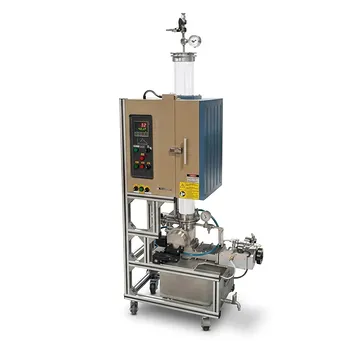
1200C High Temperature Atmosphere Controlled Vertical Quenching Tube Furnace with 4 Inch Quartz Tube
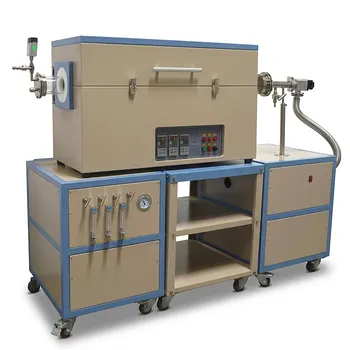
Three Zone Quartz Tube Furnace with 3 Channel Gas Mixer Vacuum Pump and Anti Corrosive Vacuum Gauge
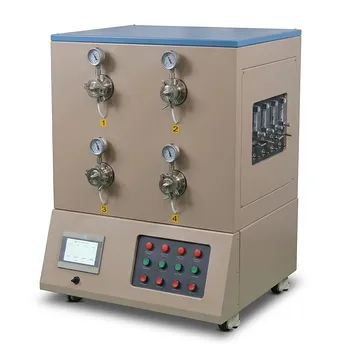
High Throughput 1200C Four Channel Tube Furnace with 3 Inch Quartz Tubes for Multi Zone Annealing and Material Research