What makes high-purity alumina crucibles ideal for high-temperature corrosion tests? Ensure Pure Data & Durability.
Updated 3 months ago
High-purity alumina crucibles serve as the gold standard for high-temperature corrosion studies due to their exceptional chemical neutrality and structural resilience. These vessels provide a stable, non-reactive environment that prevents interference between the sample, the corrosive media, and the container itself at temperatures often exceeding 1350°C. By ensuring that experimental data—such as mass change and phase composition—remains untainted by container impurities, they allow researchers to isolate the true behavior of the material under test.
Alumina crucibles act as a chemically "invisible" host, maintaining their integrity in the presence of molten salts, metals, and aggressive gases. This inertness is the fundamental requirement for obtaining accurate, reproducible data in extreme thermal environments.
Unmatched Chemical Inertness in Aggressive Media
Resistance to Molten Salts and Metals
High-purity alumina (Al₂O₃) remains stable when in contact with highly corrosive substances like Potassium Chloride (KCl), sulfates, and carbonate molten salts. It effectively contains aggressive ternary systems, such as MgCl₂-NaCl-KCl, for hundreds of hours without degrading or leaching impurities into the melt. This resistance extends to molten metals, where the crucible can hold liquid copper at 1200°C without reacting with the metal or associated ceramic coatings.
Inertness Under Reducing and Oxidizing Atmospheres
The material does not react with reducing experimental atmospheres or atmospheric oxygen during long-term exposure. Even during high-temperature pre-treatments at 1000°C or oxidation tests at 950°C, alumina avoids chemical engagement with low-alloy steels or complex alloys. This stability ensures that the atmosphere interacts solely with the specimen, preserving the intended experimental conditions.
Structural and Thermal Integrity
Stability at Extreme Temperatures
High-purity alumina possesses a high melting point and maintains structural strength even at temperatures exceeding 1350°C. It exhibits minimal thermal deformation, which is critical for maintaining the geometry of the experiment over long durations. This thermal rigidity allows for the study of iron ore sinter and other high-melt phases without the vessel sagging or losing its shape.
Optimized Design for Gas Flow
The structural design of these crucibles typically facilitates smooth gas flow over the sample surface. This ensures that the corrosive environment is uniform and that reaction products are not trapped in stagnant pockets. Furthermore, the design prevents cross-contamination between different experimental groups, allowing multiple tests to run in the same furnace.
Facilitating Precise Analytical Results
Accurate Mass-Change Kinetics
Because high-purity alumina does not exhibit mass fluctuations in air at high temperatures, it provides a stable baseline for thermogravimetric analysis. Any change in weight recorded during the experiment can be confidently attributed to the oxidation mass gain or loss of the specimen. This precision is vital for calculating accurate corrosion rates and oxidation kinetics.
Preserving Corrosion Products for Analysis
The inert surface of the crucible ensures that oxide scales and corrosion products do not bond to the container walls. This allows for the reliable collection of spalled oxide particles caused by thermal stress, which are essential for post-test morphological and compositional analysis. Researchers can perform SFCA phase analysis or other microscopic evaluations without fear of container-derived contamination.
Understanding the Trade-offs
Susceptibility to Thermal Shock
While alumina is chemically robust, it is a ceramic material prone to brittle fracture if heated or cooled too rapidly. Sudden temperature gradients can cause the crucible to crack, potentially ruining a long-term experiment and damaging the furnace. Slow heating and cooling rates are mandatory to preserve the vessel's integrity.
Limitations with Specific Chemistries
Alumina is not universally inert; it can be attacked by certain highly alkaline melts or specific fluorinated environments at extreme temperatures. While it excels with most salts and steels, a mismatch between the crucible and a specific aggressive flux can lead to dissolution of the alumina, which introduces aluminum into the sample and skews the results.
Making the Right Choice for Your Goal
How to Apply This to Your Project
- If your primary focus is oxidation kinetics: Use high-purity alumina to ensure that every milligram of mass change belongs to your specimen and its oxide scale.
- If your primary focus is molten salt corrosion: Leverage alumina’s resistance to chloride and sulfate attacks to prevent container degradation from contaminating your salt chemistry.
- If your primary focus is phase composition analysis: Select alumina to avoid the migration of container elements into your sample, which could lead to incorrect phase identification in XRD or SEM analysis.
By providing a reliable and non-participatory environment, high-purity alumina crucibles ensure that the focus of high-temperature research remains strictly on the material's performance.
Summary Table:
| Key Feature | Benefit for Researchers | Best Applications |
|---|---|---|
| Chemical Inertness | Prevents sample/container reaction | Molten salts, chloride & sulfate melts |
| Thermal Stability | Maintains structural integrity >1350°C | Long-term high-temperature exposure |
| Mass Stability | Enables precise oxidation kinetics | Thermogravimetric analysis (TGA) |
| Non-Bonding Surface | Easy collection of corrosion products | SEM/XRD post-test phase analysis |
Optimize Your Research with THERMUNITS Thermal Solutions
At THERMUNITS, we understand that precision is paramount in material science. As a leading manufacturer of high-temperature laboratory equipment, we offer a comprehensive range of thermal processing solutions designed for demanding R&D environments.
Our extensive product lineup includes:
- Laboratory Furnaces: Muffle, Vacuum, Atmosphere, Tube, Rotary, and Hot Press furnaces.
- Advanced Systems: CVD/PECVD systems, Vacuum Induction Melting (VIM), and Electric Rotary Kilns.
- Specialized Equipment: Dental Furnaces, Thermal Elements, and high-purity accessories.
Whether you are performing high-temperature corrosion studies or complex material synthesis, our equipment provides the stability and control needed for reliable, reproducible results. Contact us today to discuss your specific requirements and discover how our expertise can advance your industrial or laboratory heat treatment processes.
References
- Alice Moya Núñez, Rikard Norling. Effect of KCl on high‐temperature corrosion of low‐alloyed steel under low oxygen partial pressure. DOI: 10.1002/maco.202414314
Mentioned Products
- 600°C Vertical Crucible Furnace with SS316 Alloy Reactor and 6 Port Vacuum Flange
- 1100C High Temperature Vacuum Crucible Furnace with Quartz Chamber for Thermal Processing and Sintering
- Vertical Crucible Furnace 1000C High Temperature Laboratory Equipment 4.7 Inch Diameter Chamber SS316 Anti Corrosive Enclosure
- High Temperature Vertical Crucible Furnace with 22L Heating Chamber and 1200C Maximum Temperature
- 1100C Crucible Melting Furnace with Stirring Function for Glovebox and Air Sensitive Alloy Research
People Also Ask
- How does a high vacuum sintering furnace at 600 Celsius affect the microstructure of Al-TiC composites? Expert Analysis
- How should the choice between a Quartz crucible and an Alumina crucible be made for La2O2S? Optimize Material Purity
- Why use ceramic crucibles for coal nano-hybrid heat treatment? Ensure Purity and Thermal Stability.
- What role does a vacuum tube furnace play in palladium membrane treatment? Achieve 600°C Stability & Prevent Brittle Phases
- Why is a high-temperature furnace with precise temperature control necessary for Ag8SiS6 alloy synthesis? Ensure Safety.

Tech Team · ThermUnits
Last updated on Jun 03, 2026
Related Products
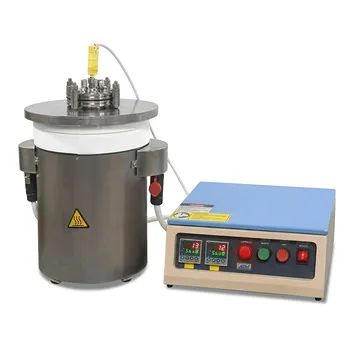
600°C Vertical Crucible Furnace with SS316 Alloy Reactor and 6 Port Vacuum Flange
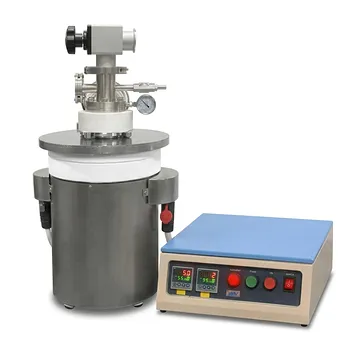
1100C High Temperature Vacuum Crucible Furnace with Quartz Chamber for Thermal Processing and Sintering
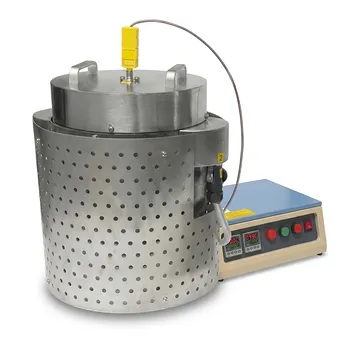
Vertical Crucible Furnace 1000C High Temperature Laboratory Equipment 4.7 Inch Diameter Chamber SS316 Anti Corrosive Enclosure
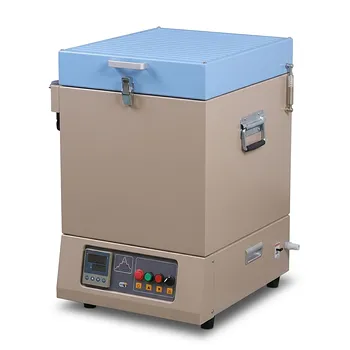
High Temperature Vertical Crucible Furnace with 22L Heating Chamber and 1200C Maximum Temperature
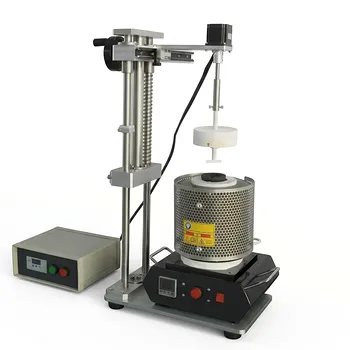
1100C Crucible Melting Furnace with Stirring Function for Glovebox and Air Sensitive Alloy Research
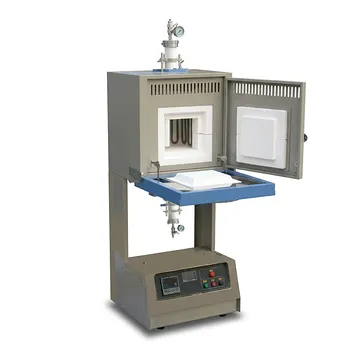
Vertical Hybrid High Temperature Furnace 1500C Alumina Tube SOFC Fuel Cell Testing Laboratory Heat Treatment Research Equipment
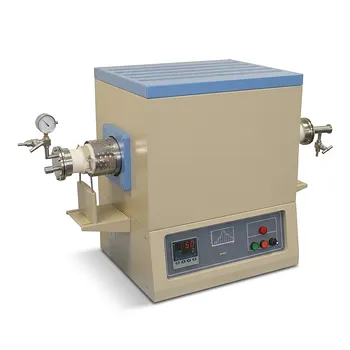
1700C High Temperature Alumina Tube Furnace with 18 Inch Heated Zone and Vacuum Sealing Flanges
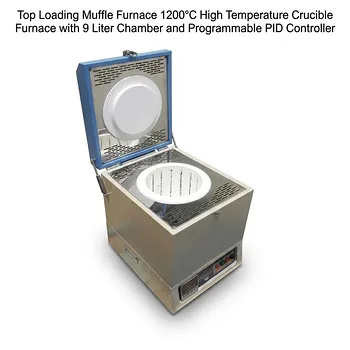
Top Loading Muffle Furnace 1200°C High Temperature Crucible Furnace with 9 Liter Chamber and Programmable PID Controller
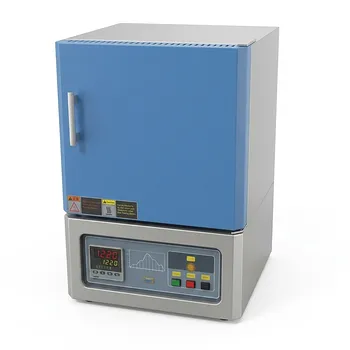
High Temperature Benchtop Muffle Furnace 1700C 10L Chamber Alumina Fiber Insulation MoSi2 Heating Elements
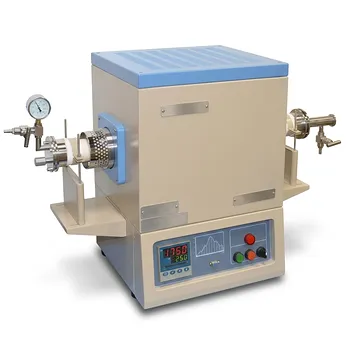
High Temperature Compact Vacuum Tube Furnace 1750C Max 60mm OD Alumina Tube

Compact High Temperature 1600C Tube Furnace with 50mm Alumina Tube and Vacuum Flanges for Material Sintering
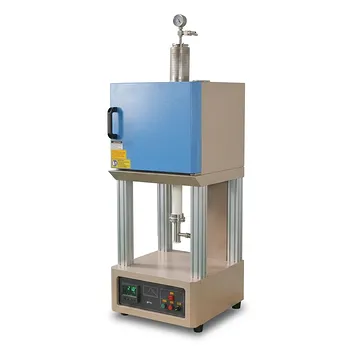
Hybrid High Temperature Tube and Box Furnace 1700C with 2 Inch Alumina Tube for Material Research

1800C High Temperature Compact Vacuum Tube Furnace with 60mm OD Alumina Tube and Kanthal MoSi2 Heating Elements
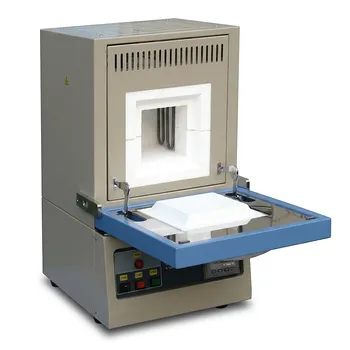
High Temperature 1800C Compact Muffle Furnace with Kanthal Super 1900 Heating Elements and 1.7L Alumina Chamber
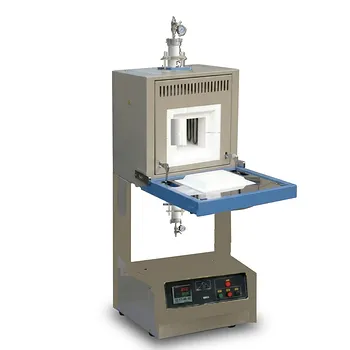
High Temperature Vertical Hybrid Furnace with Alumina Tube and SiC Heating for SOFC Coin Cell Testing and Atmosphere Processing
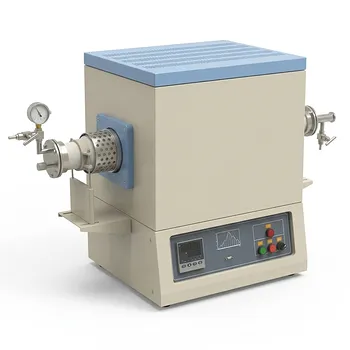
1750°C High Temperature Benchtop Vacuum Atmosphere Tube Furnace with Kanthal Super 1800 Heating Elements and 60mm Alumina Processing Tube
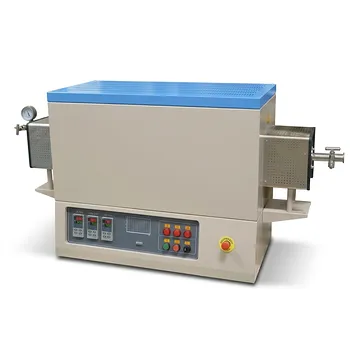
Three Zone Alumina Tube Furnace with Vacuum Flanges High Temperature 1700C Thermal Gradient CVD System
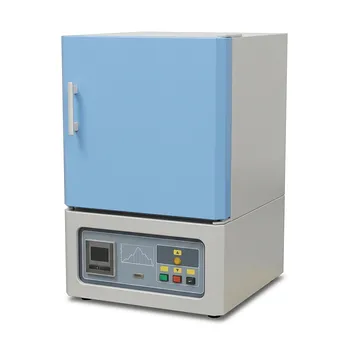
1800C Bench Top Muffle Furnace with Kanthal Super 1900 Heating Elements and 3.6L Alumina Fiber Chamber
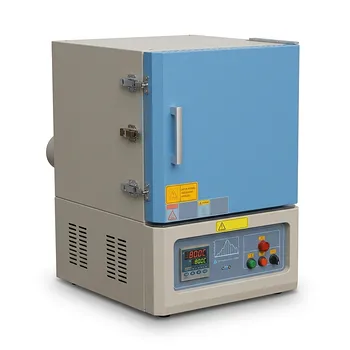
1800C Bench Top Muffle Furnace 18 Liters with Kanthal Super 1900 Heating Elements for High Purity Ceramic Sintering and Material Research