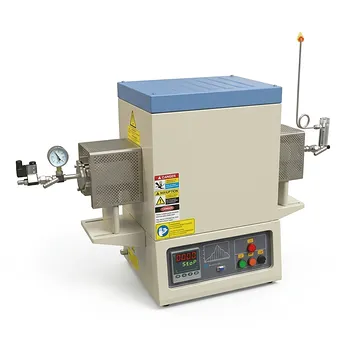
What necessary conditions does a horizontal tube furnace provide during the reduction stage of Pd/CNT catalysts?
Updated 3 months ago
The horizontal tube furnace is the critical infrastructure for achieving high catalytic activity in Pd/CNT systems. It provides a stable, high-purity reducing atmosphere and a precise isothermal environment—typically maintained at temperatures such as 300°C—to convert palladium ions into active metallic nanoparticles or single atoms. These conditions are essential for controlling the final reduction degree and ensuring the uniform dispersion of palladium across the carbon nanotube (CNT) support.
A horizontal tube furnace acts as a controlled chemical reactor that synchronizes thermal uniformity with gas-phase chemistry to transform inactive metal ions into highly dispersed, active catalytic sites. Its primary role is to provide the stability required to prevent particle sintering while ensuring complete chemical reduction.
Providing the Chemical Reducing Environment
Controlled Atmospheric Composition
The furnace facilitates the introduction of a hydrogen/argon mixed reduction atmosphere, which is necessary to strip oxygen or chlorine from the palladium precursor. This specific gas mixture provides the chemical potential needed to reduce loaded palladium ions into their catalytically active metallic state.
High-Purity Processing
Utilizing a sealed quartz tube chamber, the horizontal furnace ensures a high-purity environment free from atmospheric contaminants like oxygen or moisture. This containment is vital for maintaining the integrity of the reduction process and ensuring that the palladium particles nucleate without interference from impurities.
Regulated Gas Diffusion
The horizontal design allows for a steady, controlled gas flow rate across the catalyst bed. This ensures that the reducing agents are evenly distributed, which directly influences the consistency of the reduction degree across the entire batch of CNT-supported catalysts.
Precision Thermal Management
Isothermal Stability and Uniformity
The furnace provides a highly uniform and stable temperature field, which is critical for low-temperature reduction reactions. Precise temperature control (e.g., 300°C) ensures that the thermal energy is consistent across the tube, leading to a predictable and uniform distribution of palladium particle sizes.
Programmed Temperature Ramping
High-precision furnaces allow for a slow and controlled temperature increase from room temperature to the target reduction setpoint. This programmed ramping prevents "explosive nucleation," a phenomenon where rapid heating causes metal particles to grow uncontrollably, leading to poor dispersion and reduced surface area.
Selective Energy Delivery
By maintaining a precise heating profile, the furnace enables the selective migration and removal of anions (such as oxygen or chloride) without compromising the primary structure of the carbon nanotubes. This precision is what allows for the formation of sub-nanometer clusters or single-atom sites rather than bulk metal.
Understanding the Trade-offs
The Risk of Temperature Overshoot
While higher temperatures can ensure a deeper reduction of palladium, excessive heat often leads to sintering and agglomeration. If the furnace fails to maintain a strict isothermal state, the palladium nanoparticles will migrate and merge, significantly reducing the number of available active sites and lowering the catalyst's overall efficiency.
Flow Rate and Mass Transfer
There is a delicate balance between gas flow rate and heat transfer. While a high flow rate ensures the removal of reaction byproducts (like water vapor), it can create thermal gradients within the tube if the gas is not pre-heated, potentially leading to non-uniform catalyst activity throughout the sample.
Processing Time vs. Stability
Extending the reduction time in the furnace can ensure a more complete conversion to the metallic state. However, prolonged exposure to heat—even at the target temperature—increases the risk of metal-support interaction changes, which might negatively impact the way palladium adheres to the CNT surface.
How to Apply This to Your Project
Recommendations Based on Your Goal
- If your primary focus is maximizing active surface area: Use a high-precision programmed heating rate to achieve a slow temperature ramp, preventing rapid particle growth and ensuring high metal dispersion.
- If your primary focus is ensuring complete chemical reduction: Maintain a stable hydrogen/argon flow at the peak isothermal temperature for several hours to ensure all palladium ions are converted to metallic Pd(0).
- If your primary focus is prevent catalyst degradation: Ensure the quartz tube is perfectly sealed and purged with inert gas before introducing hydrogen to avoid unintended oxidation or carrier damage.
By strictly regulating the reduction parameters within a horizontal tube furnace, you preserve the high-purity environment and thermal stability required to create a high-performance Pd/CNT catalyst.
Summary Table:
| Condition | Functional Role | Resulting Benefit |
|---|---|---|
| Atmosphere Control | Precise H2/Ar gas mixing | Complete reduction of Pd ions to metallic state |
| Thermal Stability | Isothermal uniformity (e.g., 300°C) | Prevents sintering and ensures uniform particle size |
| Programmed Ramping | Slow temperature increases | Avoids explosive nucleation for higher surface area |
| Sealed Chamber | High-purity quartz environment | Eliminates contaminants like oxygen or moisture |
Elevate Your Catalyst Research with THERMUNITS
As a leading manufacturer of high-temperature laboratory equipment for material science and industrial R&D, THERMUNITS provides the precision tools necessary for advanced heat treatment. Our horizontal tube furnaces are engineered to deliver the exact atmospheric purity and thermal uniformity required for high-performance catalyst synthesis.
Our Comprehensive Thermal Solutions:
- Furnaces: Muffle, Vacuum, Atmosphere, Tube, Rotary, and Hot Press Furnaces.
- Advanced Systems: CVD/PECVD Systems, Vacuum Induction Melting (VIM), and Electric Rotary Kilns.
- Specialized Equipment: Dental Furnaces, Thermal Elements, and custom laboratory heat treatment solutions.
Ready to optimize your Pd/CNT reduction process? Contact us today to discover how our expertise can enhance your laboratory efficiency and material quality!
References
- Javier Navarro‐Ruiz, Iann C. Gerber. Mechanism of Hydrogen Spillover on Metal-Doped Carbon Materials: Surface Carboxylic Groups Are Key. DOI: 10.1021/acscatal.4c00293
Mentioned Products
- Multi Position Tube Furnace 1100C for Laboratory Material Research and Advanced Industrial Thermal Processing
- 1200°C 10-Zone Split Tube Furnace with Horizontal and Vertical Mounting for Multi-Zone Thermal Gradients and Large Diameter Material Processing
- Ten Zone Multi Orientation Laboratory Tube Furnace for 1200C High Temperature Gradient Thermal Processing
- Split Vertical Tube Furnace with 1200C Quartz Tube and Stainless Steel Vacuum Flanges for Rapid Thermal Processing
- High Temperature 1700C Vertical Tube Furnace for Powder Spherification and Material Sintering
People Also Ask
- Why use a tube furnace for oxygen annealing LaCrO3/LaMnO3? Optimize Phase Transition & Magnetic Performance.
- What key role does a laboratory high-temperature tube furnace play in the production of carbon nanofibers? Guide
- How is a laboratory high-temperature tube furnace utilized to research the products of aluminothermic reduction? Advanced Metallurgical Solutions
- What is the role of a laboratory tube furnace in the carbonization process of porous carbon foam (PCF)? Master 3D Synthesis
- What role does a laboratory tube furnace play in the pyrolysis and carbonization of biomass? Optimize Thermal Research.

Tech Team · ThermUnits
Last updated on Jun 02, 2026
Related Products
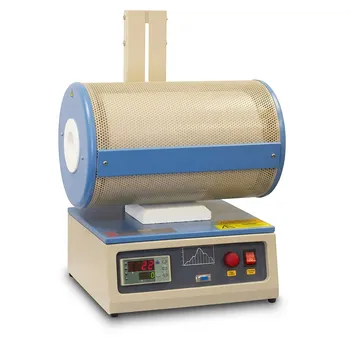
Multi Position Tube Furnace 1100C for Laboratory Material Research and Advanced Industrial Thermal Processing
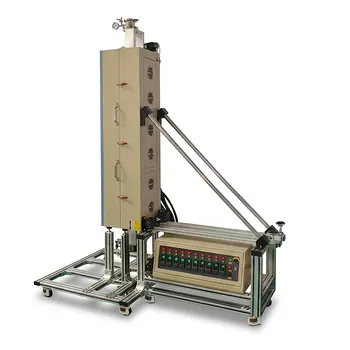
1200°C 10-Zone Split Tube Furnace with Horizontal and Vertical Mounting for Multi-Zone Thermal Gradients and Large Diameter Material Processing
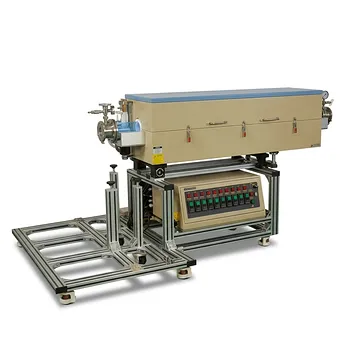
Ten Zone Multi Orientation Laboratory Tube Furnace for 1200C High Temperature Gradient Thermal Processing
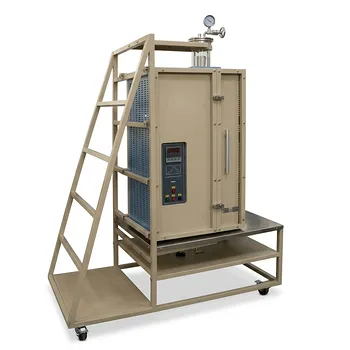
Split Vertical Tube Furnace with 1200C Quartz Tube and Stainless Steel Vacuum Flanges for Rapid Thermal Processing

High Temperature 1700C Vertical Tube Furnace for Powder Spherification and Material Sintering
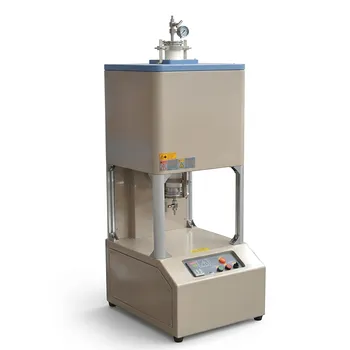
Vertical 1700C Vacuum and Atmosphere Tube Furnace with 80mm Alumina Tube
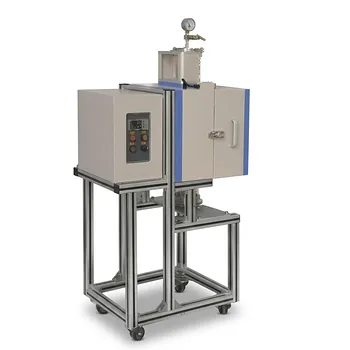
1200°C 5 Inch Vertical Quartz Tube Furnace with Stainless Steel Vacuum Flanges
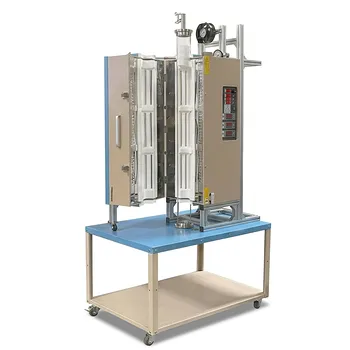
1200C Three Zone Split Vertical Tube Furnace 4 Inch Quartz Tube Stainless Steel Vacuum Flanges
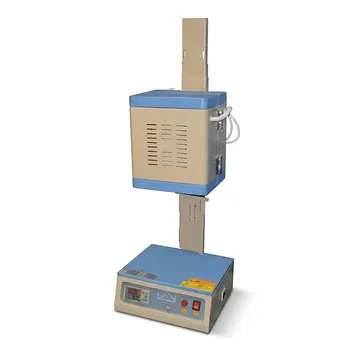
High Temperature Vertical Split Tube Furnace with PID Temperature Controller for 1 and 2 Inch Processing Tubes
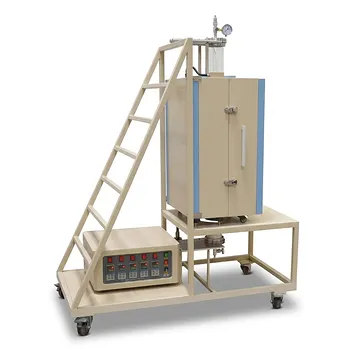
Five Zone Split Vertical Tube Furnace 1200C Max with 4 Inch Quartz Tube and Stainless Steel Vacuum Flanges
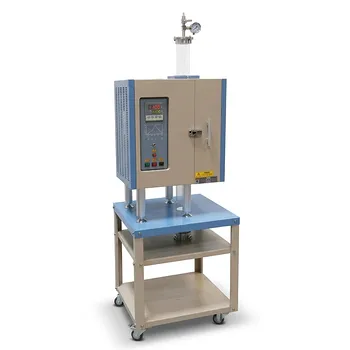
1100°C Split Vertical Tube Furnace with 80mm Quartz Tube and Stainless Steel Vacuum Flanges
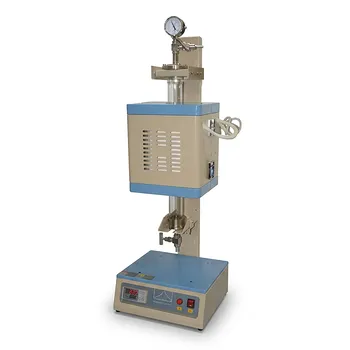
Compact Vertical Split Quartz Tube Furnace with Stainless Steel Vacuum Flanges for Rapid Thermal Quenching and Controlled Atmosphere Material Processing
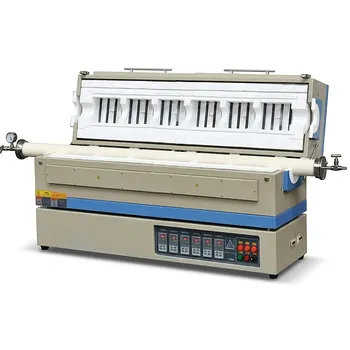
High Temperature 1700C Six Zone Split Tube Furnace with Alumina Tube and Water Cooled Flanges
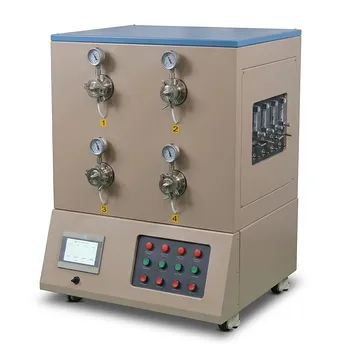
High Throughput 1200C Four Channel Tube Furnace with 3 Inch Quartz Tubes for Multi Zone Annealing and Material Research
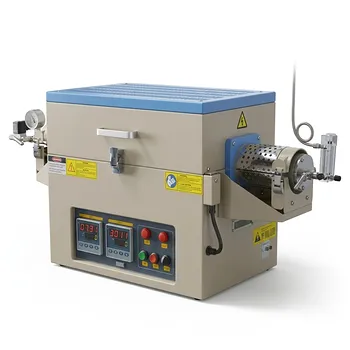
1100C Dual Zone Hydrogen Gas Tube Furnace with Quartz Tube and Integrated H2 Leak Detection System
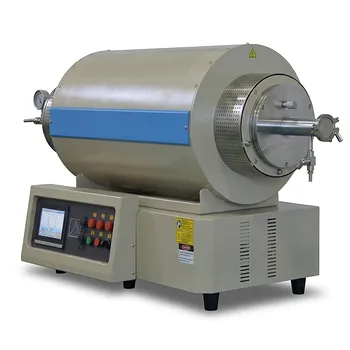
1200C Max Three Zone Tube Furnace 6 Inch OD Max with Tube and Flange
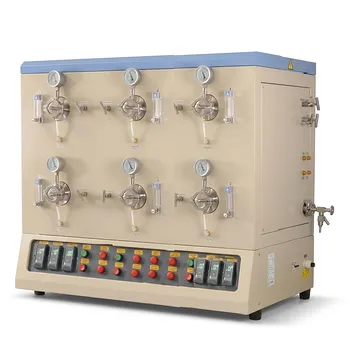
1200C High Throughput Multi Channel Tube Furnace with 50mm Quartz Tubes for Annealing and Material Phase Diagram Research
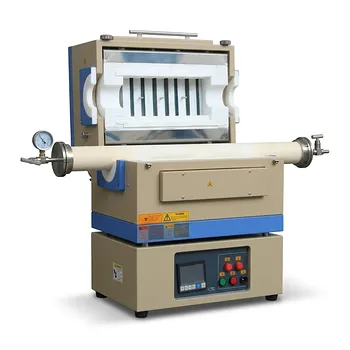
1500C Eight Zone Split Tube Furnace for Thermal Gradient Processing and Advanced Material Research
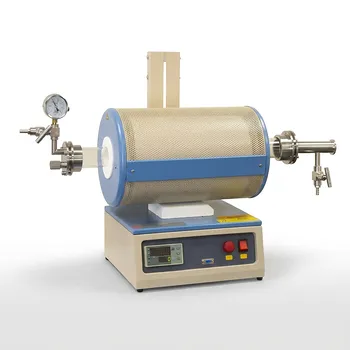
1100C Tube Furnace with Vacuum Flange and Programmable Temperature Controller for Material Science and Industrial Heat Treatment