What role does a high-strength horizontal tube furnace play in biomass carbonization? Precision Biochar Engineering.
Updated 3 months ago
The high-strength horizontal tube furnace acts as the primary thermal reactor for isolating biomass from oxygen during the carbonization process. It facilitates the controlled thermochemical decomposition, or pyrolysis, of raw materials like wheat straw or sawdust into stable biochar. By precisely managing heating rates and maintaining an inert atmosphere, the furnace ensures that biomass is chemically transformed into a carbon-rich solid rather than consumed by combustion.
A horizontal tube furnace provides a strictly controlled, anaerobic environment that enables precise biomass pyrolysis and standardized sample production. Its primary role is to maximize fixed carbon content and engineer specific structural properties while ensuring the reproducibility required for kinetic and material science studies.
Managing the Anaerobic Thermal Environment
Prevention of Aerobic Combustion
A tube furnace allows for a continuous flow of high-purity nitrogen, which creates a strictly airtight and anaerobic environment. This inert atmosphere is critical because it prevents the biomass from undergoing aerobic combustion at high temperatures, which would result in ash rather than biochar.
Controlled Degassing and Dehydration
The sealed environment enables the systematic removal of moisture and organic volatiles. As the temperature rises, these components are purged from the furnace, facilitating the enrichment of carbon elements within the remaining solid skeletal structure.
Precision Control of the Pyrolysis Process
Regulation of Heating Rates
The furnace allows for precise programming of heating rates, such as 10 °C/min, which is essential for managing the rate of volatile release. Consistent heating ensures that the chemical degradation of the biomass is uniform, which is a prerequisite for accurate kinetic studies.
Optimization of Sintering and Residence Time
By maintaining specific temperatures—typically ranging from 300 °C to 750 °C—for a set duration, the furnace enables complex cracking and polymerization reactions. This duration, or residence time, is vital for the complete conversion of organic matter into stable graphitic or amorphous carbon frameworks.
Engineering Structural and Chemical Properties
Development of Porous Architectures
High-temperature treatment within the furnace is the primary driver for creating well-developed pore structures. The precise temperature control allows researchers to tailor the surface area and porosity of the biochar, which determines its effectiveness in filtration or as a catalyst carrier.
Facilitation of Elemental Doping
The stable, high-temperature environment is necessary for incorporating secondary elements like boron or nitrogen into the carbon framework. This doping process is essential for constructing active sites required for specialized applications, such as electrocatalytic carbon dioxide reduction.
Understanding the Trade-offs
Precision vs. Throughput
Horizontal tube furnaces offer exceptional control over environmental variables, making them ideal for laboratory-scale research and standardization. However, they are generally limited to small batch sizes, meaning the high level of precision achieved in a tube furnace can be difficult to replicate in large-scale industrial biochar production.
Carbon Yield vs. Surface Area
Increasing the furnace temperature generally increases the fixed carbon content and surface area but reduces the total mass yield. Researchers must balance the need for a highly porous, stable carbon structure against the inevitable loss of material that occurs at higher temperatures.
How to Apply This to Your Project
When utilizing a horizontal tube furnace for biomass conversion, your operational parameters should align with your end-use requirements.
- If your primary focus is kinetic research: Prioritize strict adherence to programmed heating rates (e.g., 10 °C/min) to ensure the reproducibility of your carbonization curves.
- If your primary focus is filtration or adsorption: Focus on optimizing the residence time at temperatures between 600 °C and 800 °C to maximize the development of the internal pore structure.
- If your primary focus is catalytic material synthesis: Utilize the inert atmosphere to facilitate precise elemental doping, ensuring the furnace is completely purged of oxygen before reaching activation temperatures.
The horizontal tube furnace is the essential tool for transforming raw biomass into a high-value, engineered carbon material through precise environmental and thermal management.
Summary Table:
| Furnace Function | Key Role in Carbonization | Critical Parameters |
|---|---|---|
| Atmosphere Control | Prevents aerobic combustion to maximize biochar yield | High-purity Nitrogen (N2) flow |
| Thermal Precision | Regulates volatile release and ensures uniform pyrolysis | Programmed rates (e.g., 10°C/min) |
| Structural Tailoring | Creates porous frameworks and graphitic structures | Temperature range 300°C - 800°C |
| Chemical Modification | Facilitates elemental doping (N, B) for active sites | Stable inert environment |
Elevate Your Biochar Research with THERMUNITS
As a leading manufacturer of high-temperature laboratory equipment, THERMUNITS provides the precision tools required for advanced material science and industrial R&D. We offer a comprehensive range of thermal processing solutions tailored for biomass conversion and beyond, including Horizontal Tube Furnaces, Rotary Kilns, CVD/PECVD systems, and Vacuum Induction Melting (VIM) Furnaces.
Our equipment ensures the strict environmental control and thermal reproducibility necessary to transform raw biomass into high-value engineered carbon materials. Optimize your carbonization process today. Contact our expert team to discuss your specific laboratory requirements and discover the THERMUNITS advantage.
References
- John L. Schroeder, R.C. Uwaoma. Steam gasification kinetics of biochar at elevated pressures. DOI: 10.1016/j.heliyon.2024.e31172
Mentioned Products
- Multi Position Tube Furnace 1100C for Laboratory Material Research and Advanced Industrial Thermal Processing
- 1200°C 10-Zone Split Tube Furnace with Horizontal and Vertical Mounting for Multi-Zone Thermal Gradients and Large Diameter Material Processing
- Ten Zone Multi Orientation Laboratory Tube Furnace for 1200C High Temperature Gradient Thermal Processing
- Split Vertical Tube Furnace with 1200C Quartz Tube and Stainless Steel Vacuum Flanges for Rapid Thermal Processing
- High Temperature 1700C Vertical Tube Furnace for Powder Spherification and Material Sintering
People Also Ask
- Why use a tube furnace for oxygen annealing LaCrO3/LaMnO3? Optimize Phase Transition & Magnetic Performance.
- What key role does a laboratory high-temperature tube furnace play in the production of carbon nanofibers? Guide
- How is a laboratory high-temperature tube furnace utilized to research the products of aluminothermic reduction? Advanced Metallurgical Solutions
- What is the role of a laboratory tube furnace in the carbonization process of porous carbon foam (PCF)? Master 3D Synthesis
- What role does a laboratory tube furnace play in the pyrolysis and carbonization of biomass? Optimize Thermal Research.

Tech Team · ThermUnits
Last updated on Jun 03, 2026
Related Products
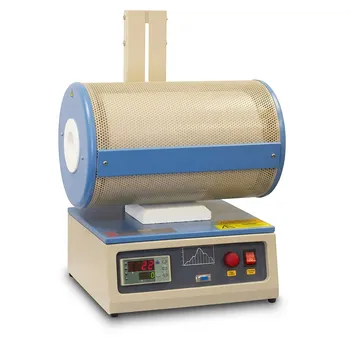
Multi Position Tube Furnace 1100C for Laboratory Material Research and Advanced Industrial Thermal Processing
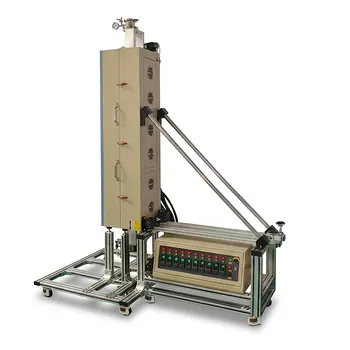
1200°C 10-Zone Split Tube Furnace with Horizontal and Vertical Mounting for Multi-Zone Thermal Gradients and Large Diameter Material Processing
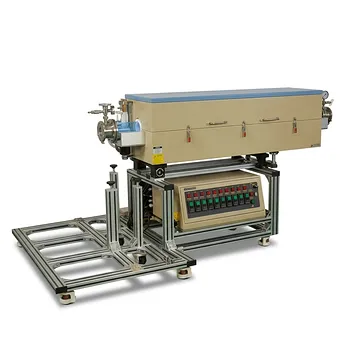
Ten Zone Multi Orientation Laboratory Tube Furnace for 1200C High Temperature Gradient Thermal Processing
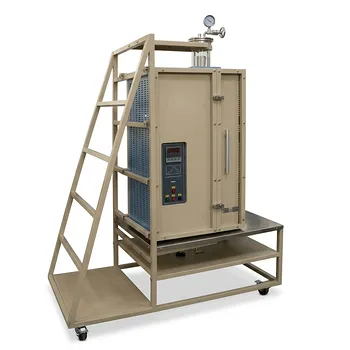
Split Vertical Tube Furnace with 1200C Quartz Tube and Stainless Steel Vacuum Flanges for Rapid Thermal Processing

High Temperature 1700C Vertical Tube Furnace for Powder Spherification and Material Sintering

Vertical 1700C Vacuum and Atmosphere Tube Furnace with 80mm Alumina Tube

1200°C 5 Inch Vertical Quartz Tube Furnace with Stainless Steel Vacuum Flanges
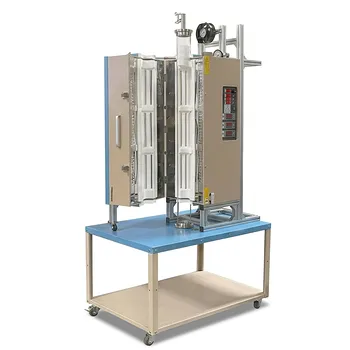
1200C Three Zone Split Vertical Tube Furnace 4 Inch Quartz Tube Stainless Steel Vacuum Flanges
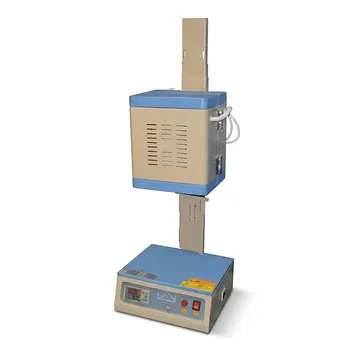
High Temperature Vertical Split Tube Furnace with PID Temperature Controller for 1 and 2 Inch Processing Tubes
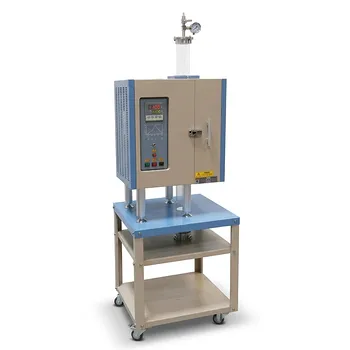
1100°C Split Vertical Tube Furnace with 80mm Quartz Tube and Stainless Steel Vacuum Flanges
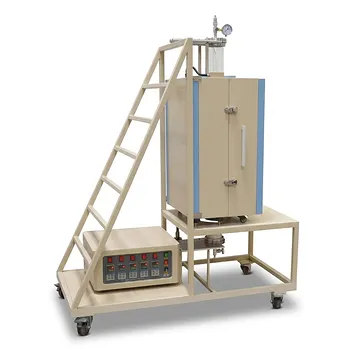
Five Zone Split Vertical Tube Furnace 1200C Max with 4 Inch Quartz Tube and Stainless Steel Vacuum Flanges

Compact Vertical Split Quartz Tube Furnace with Stainless Steel Vacuum Flanges for Rapid Thermal Quenching and Controlled Atmosphere Material Processing

High Temperature 1700C Six Zone Split Tube Furnace with Alumina Tube and Water Cooled Flanges
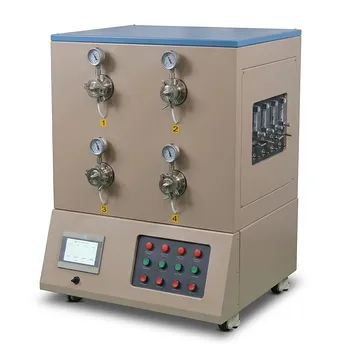
High Throughput 1200C Four Channel Tube Furnace with 3 Inch Quartz Tubes for Multi Zone Annealing and Material Research
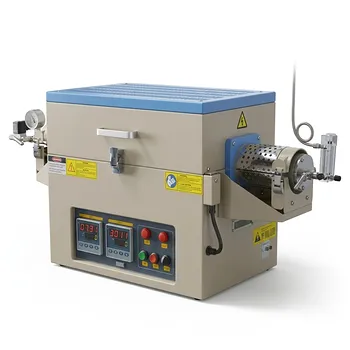
1100C Dual Zone Hydrogen Gas Tube Furnace with Quartz Tube and Integrated H2 Leak Detection System
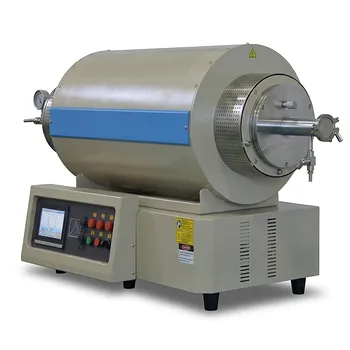
1200C Max Three Zone Tube Furnace 6 Inch OD Max with Tube and Flange

Compact High Temperature 1600C Tube Furnace with 50mm Alumina Tube and Vacuum Flanges for Material Sintering
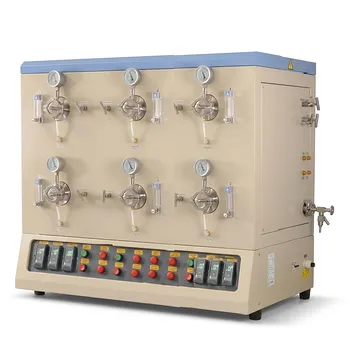
1200C High Throughput Multi Channel Tube Furnace with 50mm Quartz Tubes for Annealing and Material Phase Diagram Research
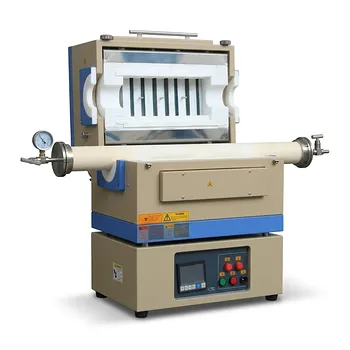
1500C Eight Zone Split Tube Furnace for Thermal Gradient Processing and Advanced Material Research
