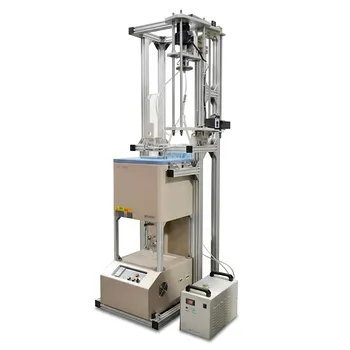
What role does a high-temperature tube atmosphere furnace play in sintering copper-based composites? Gain Superior Purity
Updated 3 months ago
The high-temperature tube atmosphere furnace serves as the foundational environment for transforming copper-based powders into high-performance solid composites. By providing a precisely controlled thermal chamber and an inert argon shield, it facilitates the essential metallurgical bonding required for material density. This equipment ensures that the sintering process—typically occurring around 900°C—proceeds without the detrimental effects of oxidation, which would otherwise compromise the material's integrity.
The furnace acts as a protective reaction vessel that prevents copper oxidation at extreme temperatures while enabling atomic diffusion. This dual role is critical for achieving a dense, high-conductivity composite that meets strict mechanical and electrical specifications.
Prevention of Atmospheric Contamination
The Critical Role of High-Purity Argon
Copper is exceptionally susceptible to oxidation when heated near its melting point. The tube furnace maintains a continuous flow of high-purity argon to displace oxygen and create an inert protective environment.
This isolation ensures the chemical stability of the copper matrix throughout the heat treatment. Without this inert shield, the copper would react with ambient air, leading to functional failure and degraded conductivity.
Removal of Volatile Impurities
The continuous gas flow does more than just block oxygen; it actively purges volatile impurities from the "green body" (the unsintered powder compact). As the temperature rises, residual binders or contaminants are swept away by the argon stream.
This cleaning action ensures high-quality interfacial bonding between the copper matrix and the reinforcement phases. Clean interfaces are vital for the efficient transfer of stress and electrons across the material.
Facilitating Atomic Diffusion and Bonding
Promoting Metallurgical Cohesion
At the 900°C sintering stage, the furnace provides the thermal energy necessary for atomic diffusion. This process allows metal particles to bond at the atomic level without reaching a full liquid state.
As atoms migrate across particle boundaries, the powder compact transforms into a dense, solid composite. The result is a unified structure that exhibits significantly higher mechanical strength than the initial powder form.
Ensuring Microstructural Uniformity
The stable temperature control system of a tube furnace ensures that heat is distributed evenly throughout the sample. This thermal uniformity is essential for the consistent evolution of the material's microstructure.
Uniform heating prevents localized defects and ensures that the electrical and thermal conductivity remain consistent across the entire component. This precision is what allows the composite to retain its superior physical properties.
Understanding the Trade-offs and Challenges
Thermal Management and Cycle Times
While high temperatures are necessary for sintering, rapid heating or cooling can induce thermal shock in the ceramic tube or the composite itself. Precise ramp rates must be programmed to manage the expansion and contraction of materials.
Slow cooling cycles increase the total processing time, which can impact throughput in a laboratory or production setting. Balancing speed and structural integrity is a constant requirement for technicians.
Gas Consumption and Sealing Integrity
Maintaining a pure argon environment requires a constant flow of gas, which represents a recurring operational cost. Any leak in the furnace seals can introduce trace amounts of oxygen, potentially ruining a sensitive batch of copper composites.
Regular maintenance of vacuum-tight flanges and monitoring gas purity levels are mandatory. Even minor atmospheric contamination at 900°C can lead to deep-seated oxidation that cannot be easily reversed.
How to Apply This to Your Project
Selecting the Right Parameters for Your Goal
To achieve the best results with your copper-based composites, your furnace settings must align with your specific material objectives.
- If your primary focus is Maximum Electrical Conductivity: Ensure a high-purity argon flow (99.99% or higher) and a strict oxygen-free purge cycle before reaching 400°C to prevent even minor surface oxidation.
- If your primary focus is High Mechanical Density: Focus on the "soak time" at 900°C to allow for complete atomic diffusion and the elimination of internal pores within the composite structure.
- If your primary focus is Interfacial Bonding with Reinforcements: Utilize a multi-stage heating profile to allow for the gradual outgassing of impurities before the final densification stage.
By mastering the balance between thermal energy and atmospheric purity, you can consistently produce copper-based composites with industry-leading performance characteristics.
Summary Table:
| Key Feature | Role in Copper Sintering | Impact on Material Quality |
|---|---|---|
| Argon Atmosphere | Displaces oxygen and prevents oxidation | Maintains high electrical & thermal conductivity |
| 900°C Thermal Stage | Provides energy for atomic diffusion | Transforms powder into a dense, high-strength solid |
| Continuous Gas Flow | Purges volatile binders and impurities | Ensures clean interfaces and strong metallurgical bonding |
| Uniform Heat Control | Distributes energy evenly across samples | Eliminates localized defects and ensures consistent microstructure |
| Programmed Cooling | Manages expansion and contraction | Prevents thermal shock and preserves structural integrity |
Elevate Your Material Research with THERMUNITS Precision Furnaces
Achieving the perfect sinter for copper-based composites requires uncompromising atmospheric control and extreme thermal stability. THERMUNITS is a leading manufacturer of high-temperature laboratory equipment, providing the advanced solutions essential for cutting-edge material science and industrial R&D.
From Tube and Atmosphere furnaces designed for inert gas processing to Vacuum, Muffle, Rotary, and Hot Press furnaces, our comprehensive range of equipment is engineered to meet the strictest mechanical and electrical specifications. Whether you are working on CVD/PECVD systems, Vacuum Induction Melting (VIM), or Dental applications, our thermal processing expertise ensures your materials achieve peak performance.
Ready to optimize your sintering process? Contact THERMUNITS today to explore our thermal elements and laboratory heat treatment equipment tailored to your specific research goals.
References
- Esad Kaya, Pelin Çağım Tokat Bi̇rgi̇n. Tribological and mechanical performance evaluation of hybrid reinforced copper composites. DOI: 10.59313/jsr-a.1446422
Mentioned Products
- 1650C High Temperature Atmosphere Controlled Box Furnace with 65L Chamber for Advanced Material Sintering and Industrial Heat Treatment
- High Temperature Vertical Atmosphere Controlled Furnace with Automatic Bottom Loading and 1700°C Capacity for Advanced Material Research
- High Temperature 1700C Vertical Tube Furnace for Powder Spherification and Material Sintering
- Compact High Temperature 1600C Tube Furnace with 50mm Alumina Tube and Vacuum Flanges for Material Sintering
- High Temperature Split Tube Furnace 1500C for Material Research Vacuum and Atmosphere Thermal Processing
People Also Ask
- What role does atmosphere control play in technical ceramics and glass? Master Material Purity and Precision
- What role does a high-temperature atmosphere furnace play in the direct electrochemical reduction of CO2? - Key Insights
- What is the role of a high-temperature box furnace in the solid-state synthesis of Europium-doped M3MgSi2O8 phosphors?
- What is the role of a high-temperature box furnace in Na3MnZr(PO4)3 synthesis? Engineering High-Performance NASICON.
- What is the role of a high-temperature atmosphere furnace in Co/Co0.85Se@NC synthesis? Optimize Catalyst Performance

Tech Team · ThermUnits
Last updated on Jun 03, 2026
Related Products
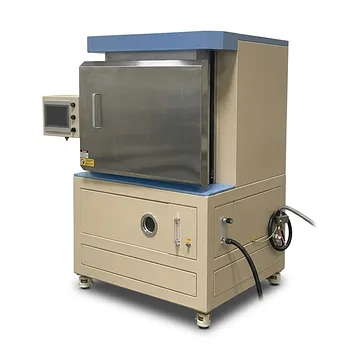
1650C High Temperature Atmosphere Controlled Box Furnace with 65L Chamber for Advanced Material Sintering and Industrial Heat Treatment
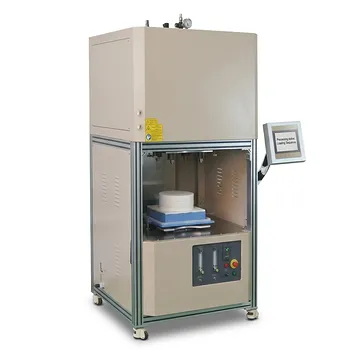
High Temperature Vertical Atmosphere Controlled Furnace with Automatic Bottom Loading and 1700°C Capacity for Advanced Material Research

High Temperature 1700C Vertical Tube Furnace for Powder Spherification and Material Sintering

Compact High Temperature 1600C Tube Furnace with 50mm Alumina Tube and Vacuum Flanges for Material Sintering
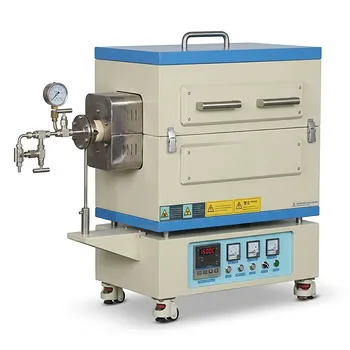
High Temperature Split Tube Furnace 1500C for Material Research Vacuum and Atmosphere Thermal Processing
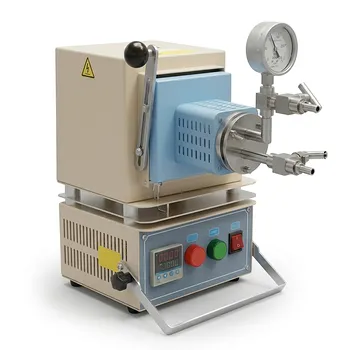
Compact Hybrid Muffle and Tube Furnace for 1000C Controlled Atmosphere Laboratory Material Sintering
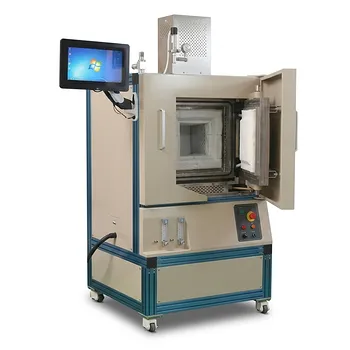
High Temperature Oxygen and Inert Atmosphere Controlled Furnace 8 Liter 1700C Sintering System for Advanced Materials RD
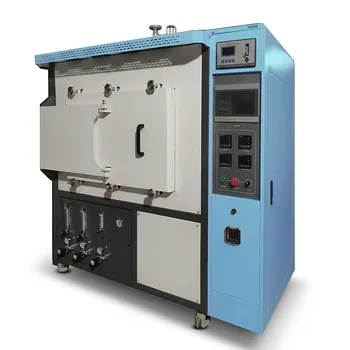
Roller Table Atmosphere Furnace 1500C High Temperature Battery Material Sintering System 112L Capacity

1750°C High Temperature Benchtop Vacuum Atmosphere Tube Furnace with Kanthal Super 1800 Heating Elements and 60mm Alumina Processing Tube
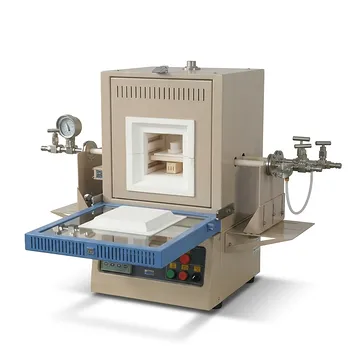
1700C Compact Hybrid Furnace with Dual Layer Box Sintering and Controlled Atmosphere Alumina Tubes
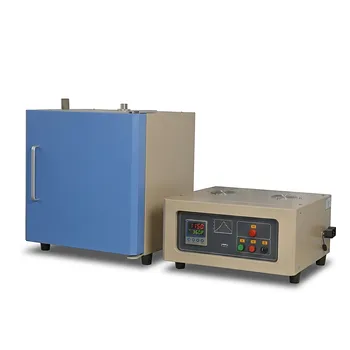
High Temperature Muffle Furnace with Alloy Chamber for Debinding and Sintering Applications
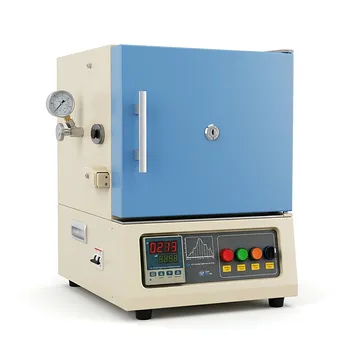
1200C Hybrid Muffle and Tube Furnace for Material Research with Dual Atmosphere Control Quartz Tubes
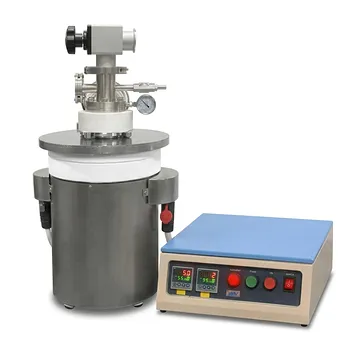
1100C High Temperature Vacuum Crucible Furnace with Quartz Chamber for Thermal Processing and Sintering

Vertical 1700C Vacuum and Atmosphere Tube Furnace with 80mm Alumina Tube
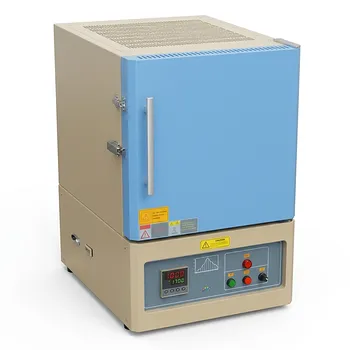
Large Bench Top 1700C High Temperature Muffle Furnace with 19L Chamber for Advanced Material Sintering and Annealing

High Temperature 1700C Tube Furnace with High Vacuum Turbomolecular Pump System and Multi Channel Mass Flow Controller Gas Mixer
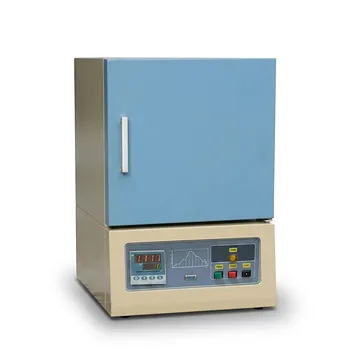
Ultra High Temperature Bench Top Muffle Furnace 1750C Sintering System with Kanthal Super Heating Elements and Precision Digital Control
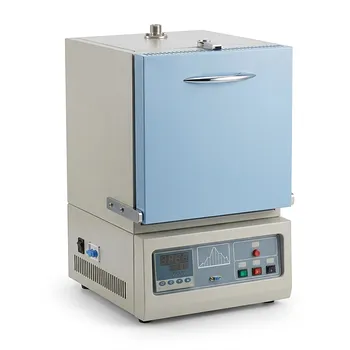
1750C Compact Muffle Furnace 1.7L Ultra High Temperature Laboratory Sintering System for Advanced Ceramics and Material Science Research
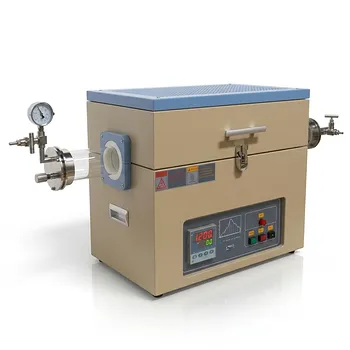
High Temperature 1200C Split Tube Furnace with Optional Quartz Tube Sizes and Vacuum Sealing Flanges for Material Science Research