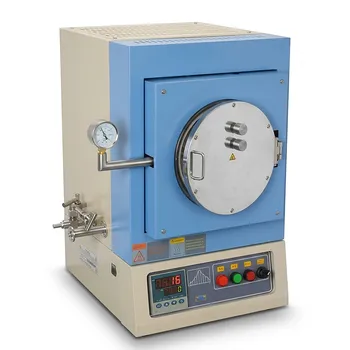
What role does a high-temperature tube furnace play in PBZC carbonization? Precision Control for Advanced Materials
Updated 3 months ago
The high-temperature tube furnace serves as a strictly controlled thermal reactor that facilitates the conversion of polybenzoxazine (PBZ) into a heteroatom-rich carbon framework. By providing a stable inert atmosphere, typically using a continuous flow of nitrogen, the furnace prevents the oxidative combustion of the polymer while allowing it to reach temperatures like 600°C for structural transformation.
Core Takeaway: A high-temperature tube furnace is essential for PBZC production because it isolates the material from oxygen, enabling controlled pyrolysis that transforms an organic polymer network into a stable, functional carbon structure without destroying the material through combustion.
The Critical Role of Atmosphere Management
Oxygen Exclusion and Inert Protection
The primary function of the tube furnace is to create a vacuum-sealed or gas-purged environment that eliminates oxygen. Without this inert atmosphere, polybenzoxazine would undergo oxidative combustion at high temperatures, turning into ash rather than carbon.
Prevention of Oxidative Loss
By maintaining a continuous flow of nitrogen or argon, the furnace ensures that the chemical reactions remain strictly anaerobic. This preserves the heteroatom-rich nature of the PBZC, ensuring that nitrogen and other functional atoms remain embedded within the emerging carbon skeleton.
Facilitating the Chemical Transformation
Thermal Decomposition and Volatile Removal
As the furnace increases the temperature, the organic polybenzoxazine network undergoes pyrolysis. This process triggers dehydration, decarboxylation, and dehydrogenation, effectively stripping away non-essential volatile components while concentrating the carbon content.
Polycondensation and Framework Building
The stable heat provided by the furnace allows for polycondensation reactions. These reactions reorganize the polymer chains into a solid, amorphous carbon carrier, establishing the foundational multi-layered carbon skeleton required for advanced material applications.
Structural Rearrangement
At specific temperature thresholds, the furnace enables the atoms within the material to rearrange. This leads to the formation of a pseudo-graphitic structure or a conductive foundation, which is vital for the material’s eventual electrical or catalytic performance.
Precision Control and Material Quality
Managing Internal Gas Pressure
The precise temperature control system of a tube furnace allows for very slow heating rates (e.g., 1 °C/min). This prevents the internal pressure from escaping gases from rising too rapidly, which would otherwise cause macro-cracks or structural failure in the carbon matrix.
Ensuring Temperature Field Uniformity
Superior sealing and thermal uniformity within the furnace tube are critical for consistent results. Uniform heating ensures that the entire batch of polybenzoxazine undergoes the same degree of thermal decomposition, resulting in a homogenous carbon product with predictable pore structures.
Understanding the Trade-offs
Energy Consumption vs. Material Quality
Achieving the high temperatures required for superior carbonization (often exceeding 800 °C to 1250 °C) requires significant energy. While higher temperatures can improve electrical conductivity and carbon purity, they may also reduce the specific surface area or collapse delicate porous structures.
Heating Rates and Production Throughput
While slow heating rates are necessary to maintain structural integrity, they significantly increase the time required for each production cycle. Balancing the need for a defect-free carbon framework with the need for industrial efficiency is a constant challenge in furnace operation.
How to Apply This to Your Project
Selecting Parameters for Your Goal
The settings you choose for your high-temperature tube furnace will dictate the final properties of your PBZC material.
- If your primary focus is high electrical conductivity: Aim for higher carbonization temperatures (900 °C+) to promote the rearrangement of carbon chains into a more ordered, conductive skeleton.
- If your primary focus is a high specific surface area: Utilize moderate temperatures (500 °C - 600 °C) and carefully controlled heating rates to prevent the collapse of complex porous structures during volatile removal.
- If your primary focus is structural integrity: Prioritize very slow ramp rates (1-2 °C/min) to allow volatiles to escape gradually without creating internal cracks or voids.
By mastering the atmosphere and thermal profile of the tube furnace, you can precisely engineer the functional characteristics of polybenzoxazine-based carbon materials.
Summary Table:
| Furnace Function | Impact on PBZC Material | Key Control Parameter |
|---|---|---|
| Atmosphere Management | Prevents combustion; preserves heteroatom-rich structure. | Inert gas flow (N2/Ar) & sealing |
| Thermal Pyrolysis | Drives volatile removal and polycondensation reactions. | Heating rate (e.g., 1 °C/min) |
| Structural Rearrangement | Creates conductive pseudo-graphitic carbon skeletons. | Peak temperature (600°C - 1250°C) |
| Thermal Uniformity | Ensures homogenous pore structure and batch consistency. | Temperature field stability |
Optimize Your PBZC Research with THERMUNITS Precision
Achieving the perfect carbon framework requires more than just heat—it requires the absolute control provided by THERMUNITS high-temperature laboratory equipment. As a leading manufacturer for material science and industrial R&D, we offer high-performance Tube, Vacuum, and Atmosphere furnaces specifically engineered for the delicate carbonization of polymers like polybenzoxazine.
Our solutions, including CVD/PECVD systems, Rotary kilns, and Hot Press furnaces, ensure superior thermal uniformity and atmosphere purity to prevent structural defects in your advanced materials.
Ready to elevate your heat treatment results? Contact our technical team today to discuss your specific project requirements and discover why leading researchers trust THERMUNITS for their thermal processing needs.
References
- Shakila Parveen Asrafali, Jaewoong Lee. High-Performance Supercapacitors Using Compact Carbon Hydrogels Derived from Polybenzoxazine. DOI: 10.3390/gels10080509
Mentioned Products
- High Temperature Dual Zone Rotating Tube Furnace 1500C Silicon Carbide Heating for Advanced Material Synthesis
- High Temperature 1500C Benchtop Muffle Furnace 3.6L Alumina Fiber Chamber Programmable Controller Sintering Annealing Carbonization Thermal Processing System
- High Temperature 1700C Vertical Tube Furnace for Powder Spherification and Material Sintering
- Compact High Temperature 1600C Tube Furnace with 50mm Alumina Tube and Vacuum Flanges for Material Sintering
- High Temperature Tube Furnace 1500C with Sliding Flanges and 50mm OD for Rapid Thermal Processing Fast Heating and Cooling
People Also Ask
- What is the function of CVD furnaces in graphene prep? Enhancing Photodetector Charge Transport
- Why use CVD and a tube furnace for Pd3P0.95/NC catalyst phosphidation? Ensure high phase purity and performance.
- CVD Tube Furnace Advantages for Pd-P Catalyst Durability: Precision Control for 40,000+ Cycles
- How does a rotary tube furnace improve the processing of granular materials? Enhance Uniformity and Reaction Kinetics
- How does a Chemical Vapor Deposition (CVD) tube furnace facilitate synchronized nitridation? Precision Nano-Engineering.

Tech Team · ThermUnits
Last updated on Jun 02, 2026
Related Products
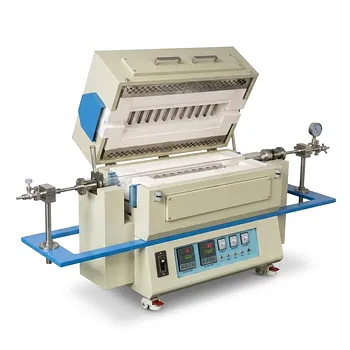
High Temperature Dual Zone Rotating Tube Furnace 1500C Silicon Carbide Heating for Advanced Material Synthesis
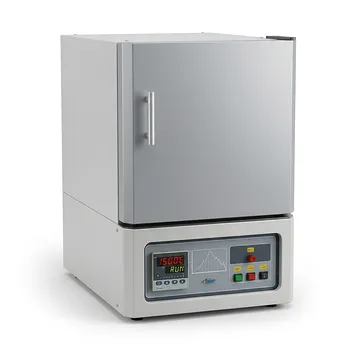
High Temperature 1500C Benchtop Muffle Furnace 3.6L Alumina Fiber Chamber Programmable Controller Sintering Annealing Carbonization Thermal Processing System

High Temperature 1700C Vertical Tube Furnace for Powder Spherification and Material Sintering

Compact High Temperature 1600C Tube Furnace with 50mm Alumina Tube and Vacuum Flanges for Material Sintering
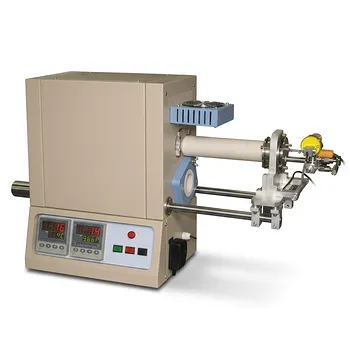
High Temperature Tube Furnace 1500C with Sliding Flanges and 50mm OD for Rapid Thermal Processing Fast Heating and Cooling
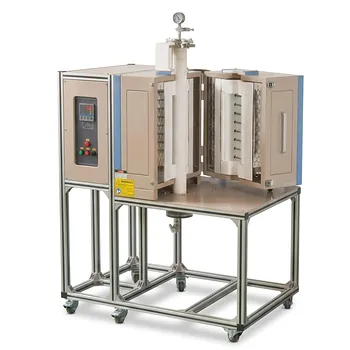
High Temperature 1700C Vertical Split Tube Furnace for Material Quenching and Single Crystal Growth

High Temperature 1700C Tube Furnace with High Vacuum Turbomolecular Pump System and Multi Channel Mass Flow Controller Gas Mixer
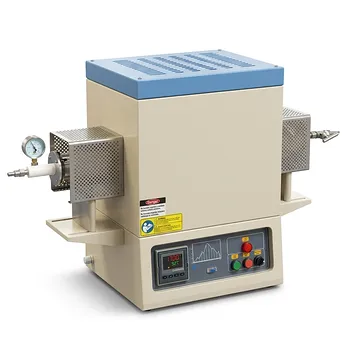
High Temperature Three Zone Tube Furnace 1700C with Alumina Tube and Water Cooled Flanges
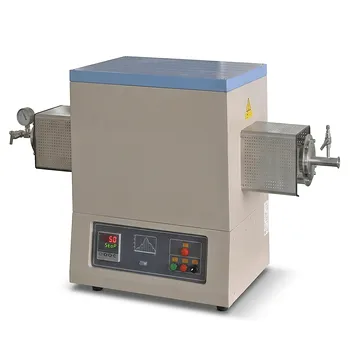
High Temperature 1700C Tube Furnace with 4 Inch OD Alumina Tube and Vacuum Sealing Flanges

1800C High Temperature Compact Vacuum Tube Furnace with 60mm OD Alumina Tube and Kanthal MoSi2 Heating Elements
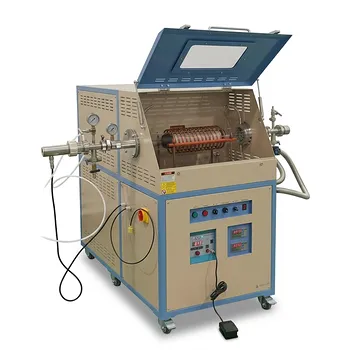
Ultra High Temperature 2300C Induction Heated Graphite Tube Furnace with Infrared Control
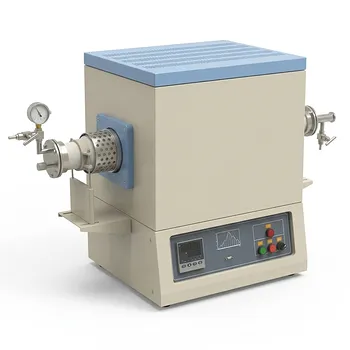
1750°C High Temperature Benchtop Vacuum Atmosphere Tube Furnace with Kanthal Super 1800 Heating Elements and 60mm Alumina Processing Tube

High Temperature 1700C Benchtop Tube Furnace with 5 Inch Heating Zone High Purity Alumina Tube and Vacuum Sealing Flanges
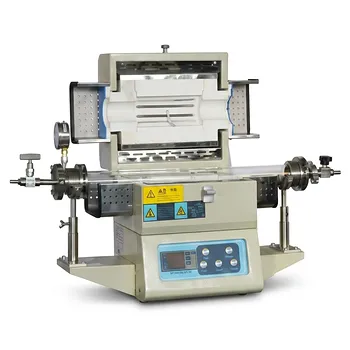
High Temperature 1200C Split Tube Furnace for CVD Research and Vacuum Atmosphere Heat Treatment
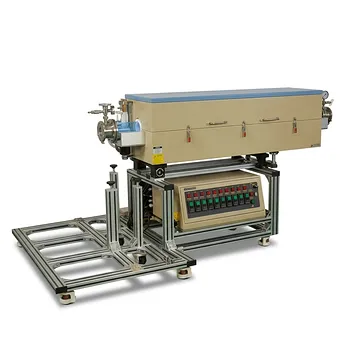
Ten Zone Multi Orientation Laboratory Tube Furnace for 1200C High Temperature Gradient Thermal Processing
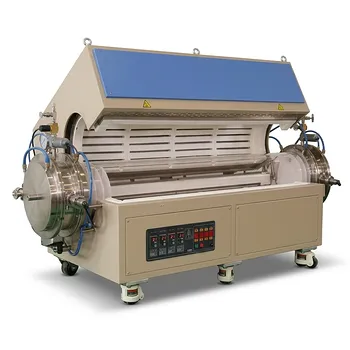
1200C Max Four Zone Split Tube Furnace with Optional Large Diameter Quartz Tubes

High Temperature Automated 5 Inch Tube Furnace for Autonomous Material Research and Advanced Laboratory R&D
1200C Max Three Zone Tube Furnace 6 Inch OD Max with Tube and Flange
High Temperature Hybrid Muffle and Tube Furnace with Vacuum Capability and PID Control