What role does a high-temperature tube furnace play in the pretreatment of HZSM-5 catalysts? Achieve Peak Activation
Updated 3 months ago
In the pretreatment of HZSM-5 catalysts, a high-temperature tube furnace serves as a high-precision thermal reactor that ensures catalytic readiness. It provides a strictly controlled environment—typically 550°C under a high-purity nitrogen stream—to remove adsorbed water and volatile residues from the zeolite pores. This process is critical for the full exposure of active acidic sites, which directly dictates the catalyst's performance in applications like polypropylene (PP) catalytic pyrolysis.
The tube furnace acts as the primary tool for thermal activation and structural refinement, ensuring that HZSM-5 transitions from an inactive, "clogged" state to a highly accessible acidic framework. By managing both temperature and atmosphere, it allows for the precise tuning of the catalyst's chemical and physical properties.
Thermal Activation and Surface Purification
Removing Adsorbed Moisture and Volatiles
The primary role of the tube furnace is to dehydrate the HZSM-5 framework and eliminate residual substances. Operating at a constant temperature of 550°C, the furnace drives off water molecules and volatile impurities that naturally accumulate within the microporous structure.
Exposing Active Acidic Sites
Catalytic activity in HZSM-5 is dependent on the accessibility of its internal acidic sites. The thermal environment provided by the furnace clears these pathways, ensuring that the "Brønsted" and "Lewis" acid sites are fully exposed to the reactants during subsequent chemical processes.
Establishing Consistent Activity
For sensitive reactions like the catalytic pyrolysis of plastics, consistency is vital. The tube furnace ensures that every batch of catalyst starts with a clean, uniform surface area, which prevents unpredictable fluctuations in reaction yields.
Advanced Structural and Chemical Modification
Oxidative Regeneration of Spent Catalysts
Beyond initial activation, the tube furnace is used for the oxidative regeneration of HZSM-5 that has been "deactivated" by carbon deposits (coke). By introducing a controlled air flow at 600°C, the furnace facilitates the combustion of these deposits, restoring the catalyst's original pore structure and active sites.
Atmospheric Control for Specialized Functionality
Unlike standard muffle furnaces, a tube furnace allows for the introduction of specific gas mixtures, such as hydrogen-argon for reduction or steam for dealumination. These treatments can adjust the ratio of Brønsted to Lewis acid sites, which is a critical factor in maintaining high aromatic selectivity and durability.
Thermal Decomposition and Precursor Fixation
During the modification of HZSM-5 (such as adding metal active components like phosphorus or lanthanum), the furnace facilitates the thermal decomposition of precursors. This ensures that active components form stable centers within the molecular sieve framework, preventing leaching or sintering during high-temperature reactions.
Understanding the Trade-offs and Limitations
Thermal Sintering Risks
While high temperatures are necessary for activation, excessive heat can lead to "sintering," where the zeolite framework begins to collapse or surface area is lost. Precise temperature control is required to stay within the 500°C to 700°C range to avoid permanent structural damage.
Atmospheric Contamination
The purity of the gas stream used in the tube furnace is a critical variable. If the nitrogen or air stream contains trace moisture or oxygen during a reduction phase, it can lead to incomplete activation or unwanted oxidation of metal-modified HZSM-5.
Heating and Cooling Gradients
Rapid temperature changes can induce mechanical stress on the zeolite crystals. Technical advisors generally recommend controlled heating and cooling ramps to maintain the structural integrity of the HZSM-5 framework over multiple cycles.
How to Apply This to Your Project
Recommended Strategies for Catalyst Preparation
- If your primary focus is Maximum Catalytic Activity: Use a nitrogen-purged tube furnace at 550°C for at least 2-4 hours to ensure the complete removal of all pore-blocking volatiles.
- If your primary focus is Catalyst Longevity: Utilize steam treatment at 700°C within the tube furnace to regulate the mesopore volume, which helps the catalyst resist deactivation in complex feedstocks.
- If your primary focus is Cost-Effective Reuse: Implement an oxidative regeneration protocol at 600°C under a controlled air flow to burn off carbon deposits without collapsing the zeolite framework.
- If your primary focus is Metal-Modified Zeolites: Use a reducing atmosphere (such as H2/Ar) in the tube furnace to activate electronic metal-support interactions, which are essential for hydrogenation or alkylation reactions.
Proper thermal pretreatment in a tube furnace is the single most important step in transforming raw ZSM-5 into a high-performance HZSM-5 catalyst capable of delivering reliable industrial results.
Summary Table:
| Pretreatment Phase | Primary Function | Typical Conditions |
|---|---|---|
| Thermal Activation | Dehydration & removal of volatiles to expose acid sites | 550°C, Nitrogen (N₂) stream |
| Oxidative Regeneration | Burning off carbon deposits (coke) to restore activity | 600°C, Controlled Air flow |
| Structural Modification | De-alumination or precursor fixation for metal-loading | 500°C - 700°C, Steam or H₂/Ar |
| Atmospheric Control | Tuning Brønsted/Lewis acid site ratios | Variable gases (Reducing/Oxidizing) |
Elevate Your Catalyst Research with THERMUNITS Precision
As a leading manufacturer of high-temperature laboratory equipment for material science and industrial R&D, THERMUNITS provides the advanced thermal solutions necessary for sensitive processes like HZSM-5 pretreatment. Our equipment ensures the precise temperature uniformity and atmospheric control required to maximize your catalytic yields.
Our comprehensive product range includes:
- Advanced Furnaces: Tube, Muffle, Vacuum, Atmosphere, Rotary, and Hot Press Furnaces.
- Specialized Systems: CVD/PECVD systems, Dental Furnaces, and Electric Rotary Kilns.
- Industrial Solutions: Vacuum Induction Melting (VIM) furnaces and high-quality Thermal Elements.
Ready to optimize your heat treatment workflow? Contact our technical experts today to find the perfect furnace solution for your laboratory or industrial application.
References
- Xiaokai Meng, Tao Jin. Catalytic Pyrolysis of Polypropylene for Cable Semiconductive Buffer Layers. DOI: 10.3390/polym16101435
Mentioned Products
- High Temperature 1700C Vertical Tube Furnace for Powder Spherification and Material Sintering
- High Temperature Tube Furnace 1500C with Sliding Flanges and 50mm OD for Rapid Thermal Processing Fast Heating and Cooling
- High Temperature 1700C Tube Furnace with High Vacuum Turbomolecular Pump System and Multi Channel Mass Flow Controller Gas Mixer
- Compact High Temperature 1600C Tube Furnace with 50mm Alumina Tube and Vacuum Flanges for Material Sintering
- High Temperature 1700C Tube Furnace with 4 Inch OD Alumina Tube and Vacuum Sealing Flanges
People Also Ask
- What role does a high-temperature vertical tube furnace play in simulating high-carbon ferromanganese slag formation?
- What functions does a vertical high-temperature tube furnace perform? Master Industrial Sintering & R&D Simulation
- What is the primary function of a high-temperature tube furnace in Cu1-N-C synthesis? Precision Thermal Control.
- High-Temp Tube Furnace Role in Converting Microbial Proteins to Iron Single-Atom Sites: Expert Synthesis Guide
- What impact does the heating rate of a tube furnace have on biochar microstructure? Optimize Your Material R&D.

Tech Team · ThermUnits
Last updated on Jun 02, 2026
Related Products

High Temperature 1700C Vertical Tube Furnace for Powder Spherification and Material Sintering
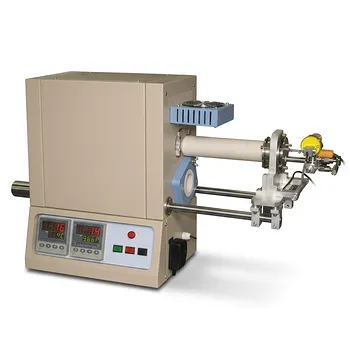
High Temperature Tube Furnace 1500C with Sliding Flanges and 50mm OD for Rapid Thermal Processing Fast Heating and Cooling
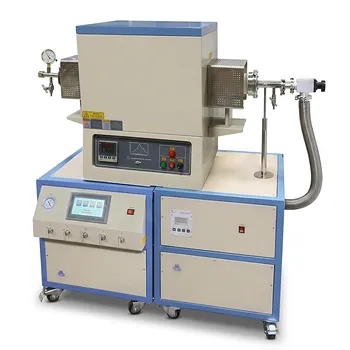
High Temperature 1700C Tube Furnace with High Vacuum Turbomolecular Pump System and Multi Channel Mass Flow Controller Gas Mixer
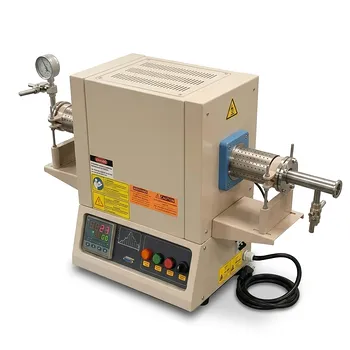
Compact High Temperature 1600C Tube Furnace with 50mm Alumina Tube and Vacuum Flanges for Material Sintering
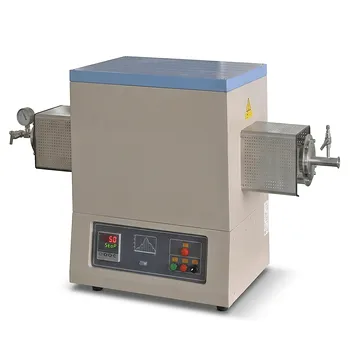
High Temperature 1700C Tube Furnace with 4 Inch OD Alumina Tube and Vacuum Sealing Flanges
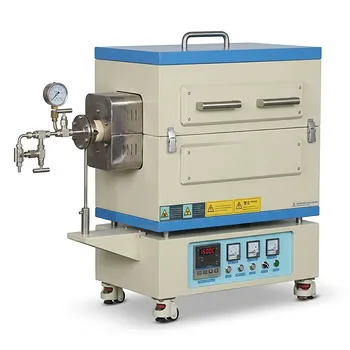
High Temperature Split Tube Furnace 1500C for Material Research Vacuum and Atmosphere Thermal Processing

1800C High Temperature Compact Vacuum Tube Furnace with 60mm OD Alumina Tube and Kanthal MoSi2 Heating Elements
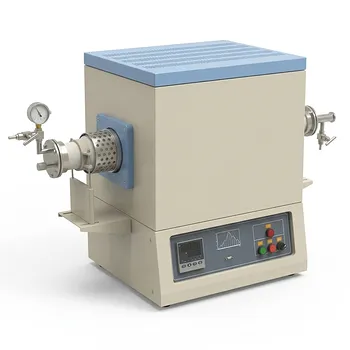
1750°C High Temperature Benchtop Vacuum Atmosphere Tube Furnace with Kanthal Super 1800 Heating Elements and 60mm Alumina Processing Tube

High Temperature Automated 5 Inch Tube Furnace for Autonomous Material Research and Advanced Laboratory R&D
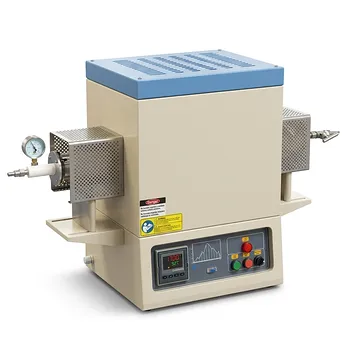
High Temperature Three Zone Tube Furnace 1700C with Alumina Tube and Water Cooled Flanges

High Temperature 1700C Benchtop Tube Furnace with 5 Inch Heating Zone High Purity Alumina Tube and Vacuum Sealing Flanges
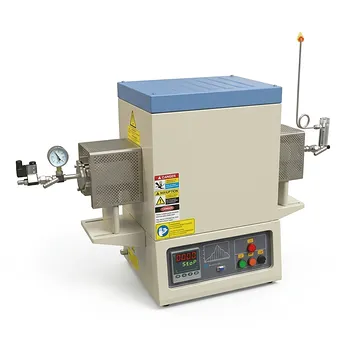
1700C Hydrogen Gas Tube Furnace with 60mm Alumina Process Tube and Integrated Hydrogen Safety Detector
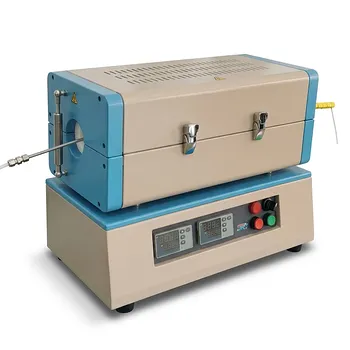
Gas Pre-Heating Tube Furnace for High Temperature Pyrolysis Reactors and Material Science Research
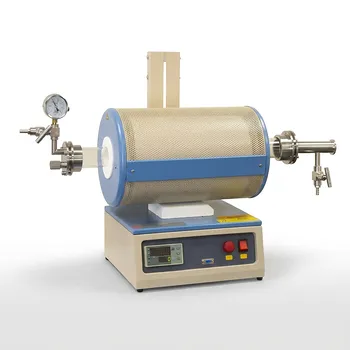
1100C Tube Furnace with Vacuum Flange and Programmable Temperature Controller for Material Science and Industrial Heat Treatment
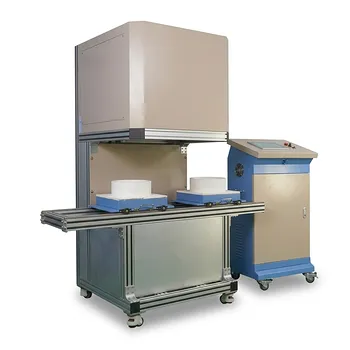
High Temperature Bottom Loading Vertical Furnace 1700C Dual Stage Sample Processing System 18L Large Capacity Thermal Treatment Equipment
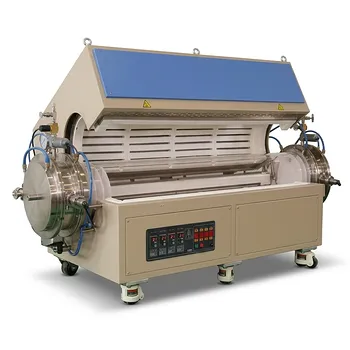
1200C Max Four Zone Split Tube Furnace with Optional Large Diameter Quartz Tubes
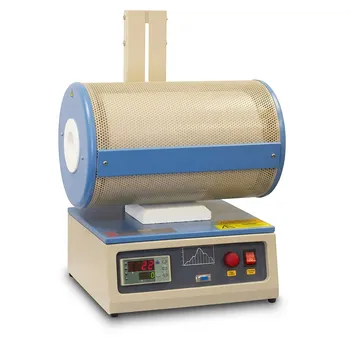
Multi Position Tube Furnace 1100C for Laboratory Material Research and Advanced Industrial Thermal Processing
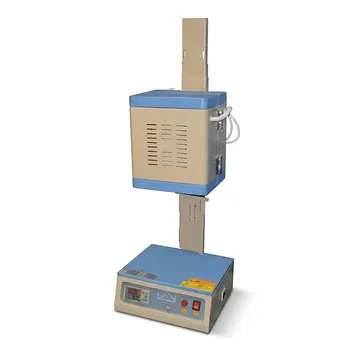
High Temperature Vertical Split Tube Furnace with PID Temperature Controller for 1 and 2 Inch Processing Tubes
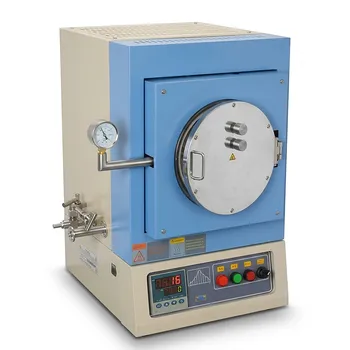
1100°C High Temperature Quartz Chamber Furnace 8 Inch OD with 7.6 Liter Capacity and Vacuum Atmosphere Capability