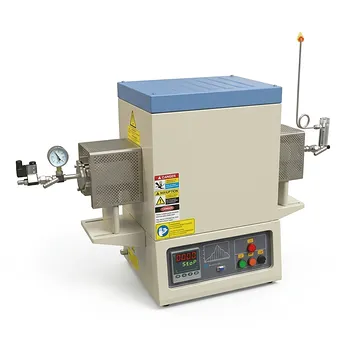
How Tube Furnaces Simulate Industrial Ceramic Pellet Production: Bridging the Lab-to-Industry R&D Gap
Updated 3 months ago
The horizontal tube furnace serves as a high-precision surrogate for industrial-scale thermal equipment, specifically mimicking the conditions of rotary kilns and sinter machines. It enables researchers to replicate the complex physicochemical transformations of ceramic pellets by providing rigorous control over temperature gradients, residence times, and atmospheric chemistry within a localized, observable environment.
The core role of a horizontal tube furnace is to bridge the gap between laboratory synthesis and industrial manufacturing by providing a stable, highly controllable environment for thermal debinding, solid-phase reactions, and mineral lattice consolidation.
Simulating the Industrial Thermal Environment
Replicating the Industrial Rotary Kiln
A horizontal tube furnace is primarily utilized to simulate the high-temperature thermal treatment environment of an industrial rotary kiln. It creates the necessary conditions for solid-phase reactions by providing precise control over internal temperatures (typically up to 1100°C) and residence times (averaging 45 minutes).
Establishing Physicochemical Conditions
By controlling air injection rates and thermal energy, the furnace establishes the environment required to decompose organic matter. This process is critical for locking heavy metals into mineral lattices, a key goal in the stabilization of industrial ceramic pellets.
Critical Processing Stages in Pellet Production
Thermal Debinding and Organic Removal
During the early stages of pellet production, the tube furnace facilitates thermal debinding of the "green body." Through staged heating programs, organic components such as resins, dispersants, and photoinitiators are slowly decomposed.
Sintering and Phase Transformation
The furnace allows for the execution of complex temperature programs that simulate industrial roasting curves (often between 1433 K and 1553 K). This enables researchers to evaluate how different raw materials affect the consolidation strength, phase transformation laws, and microstructure evolution of the final ceramic product.
The Role of Atmospheric Control
Maintaining Inert and Reducing Environments
The sealed design of the horizontal tube furnace, often utilizing sealed flanges, allows for the introduction of high-purity gases like Nitrogen or Argon. This creates a strict inert atmosphere that prevents unintended oxidation or combustion during the thermochemical conversion of organic matter.
Facilitating Specialized Chemical Reactions
Beyond simple heating, the furnace can introduce mixed reducing gases (such as Ar-CO2-CO) to simulate the thermodynamic conditions inside an industrial sinter machine. This is essential for studying phase transition kinetics and performing elemental doping modifications to the ceramic pellets.
Understanding the Trade-offs
Static vs. Dynamic Simulation
While a horizontal tube furnace provides exceptional temperature uniformity, it is often a static environment. Unlike a real rotary kiln, the materials in a standard tube furnace do not tumble, which can lead to slight differences in heat distribution compared to a moving industrial bed.
Scale and Mass Transfer Limitations
Laboratory furnaces operate on a much smaller scale, meaning the gas-to-solid contact and mass transfer rates may differ from industrial reactors. Researchers must account for these variations when translating lab-derived "residence times" to full-scale production schedules.
How to Apply This to Your Project
Making the Right Choice for Your Goal
- If your primary focus is heavy metal stabilization: Utilize the furnace to simulate specific residence times and air injection rates to ensure complete locking of metals into the mineral lattice.
- If your primary focus is preventing structural defects: Prioritize a staged heating program with precise atmosphere control to manage the decomposition of binders without causing cracks or bloating.
- If your primary focus is microstructure optimization: Focus on simulating the industrial roasting temperature curves (up to 1553 K) to evaluate phase transformations and consolidation strength.
By precisely replicating industrial thermal cycles, the horizontal tube furnace transforms laboratory-scale experiments into a definitive roadmap for large-scale ceramic pellet production.
Summary Table:
| Stage of Production | Industrial Equipment | Role of Horizontal Tube Furnace |
|---|---|---|
| Thermal Debinding | Pre-heating Kiln | Staged heating to decompose resins and organic binders |
| Sintering Phase | Sinter Machine/Roasting Kiln | High-temp (up to 1553 K) simulation of phase transformation |
| Solid-Phase Reaction | Rotary Kiln | Precise control of residence time and temperature gradients |
| Atmospheric Control | Combustion Chamber | Sealed environment for inert (N2/Ar) or reducing gas chemistry |
Scale Your Ceramic R&D with THERMUNITS Precision
Transitioning from laboratory success to industrial-scale production requires thermal equipment that delivers absolute consistency. THERMUNITS is a leading manufacturer of high-temperature laboratory equipment, providing the tools material scientists need to bridge the gap between small-scale testing and full-scale manufacturing.
Our comprehensive range of thermal processing solutions is engineered for precision and durability:
- Tube & Rotary Furnaces: Perfect for simulating industrial kiln environments.
- Muffle, Vacuum, & Atmosphere Furnaces: For versatile heat treatment under strict conditions.
- CVD/PECVD & VIM Systems: Advanced solutions for chemical vapor deposition and induction melting.
- Hot Press & Dental Furnaces: Specialized equipment for high-density sintering.
Ensure your research translates perfectly to the factory floor. Contact THERMUNITS today to discuss your specific requirements and discover how our advanced thermal technology can accelerate your R&D goals.
References
- Yijian Feng, Chi Zhang. Study on the Stability of Heavy Metals in CeramsitePrepared Using Contaminated Soil. DOI: 10.15244/pjoes/187115
Mentioned Products
- Multi Position Tube Furnace 1100C for Laboratory Material Research and Advanced Industrial Thermal Processing
- 1200°C 10-Zone Split Tube Furnace with Horizontal and Vertical Mounting for Multi-Zone Thermal Gradients and Large Diameter Material Processing
- Ten Zone Multi Orientation Laboratory Tube Furnace for 1200C High Temperature Gradient Thermal Processing
- Vertical 1700C Vacuum and Atmosphere Tube Furnace with 80mm Alumina Tube
- Split Vertical Tube Furnace with 1200C Quartz Tube and Stainless Steel Vacuum Flanges for Rapid Thermal Processing
People Also Ask
- Why use a tube furnace for oxygen annealing LaCrO3/LaMnO3? Optimize Phase Transition & Magnetic Performance.
- What key role does a laboratory high-temperature tube furnace play in the production of carbon nanofibers? Guide
- How is a laboratory high-temperature tube furnace utilized to research the products of aluminothermic reduction? Advanced Metallurgical Solutions
- What is the role of a laboratory tube furnace in the carbonization process of porous carbon foam (PCF)? Master 3D Synthesis
- What role does a laboratory tube furnace play in the pyrolysis and carbonization of biomass? Optimize Thermal Research.

Tech Team · ThermUnits
Last updated on Jun 02, 2026
Related Products
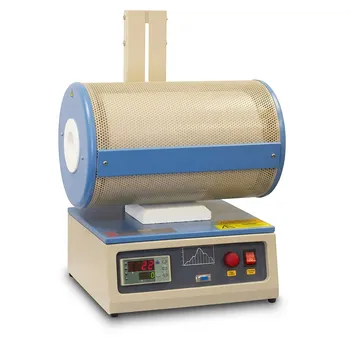
Multi Position Tube Furnace 1100C for Laboratory Material Research and Advanced Industrial Thermal Processing
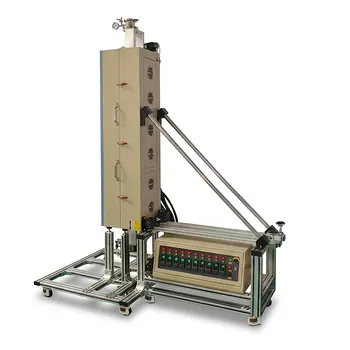
1200°C 10-Zone Split Tube Furnace with Horizontal and Vertical Mounting for Multi-Zone Thermal Gradients and Large Diameter Material Processing
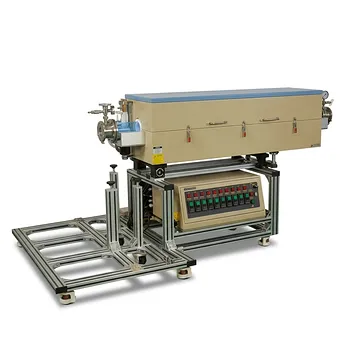
Ten Zone Multi Orientation Laboratory Tube Furnace for 1200C High Temperature Gradient Thermal Processing

Vertical 1700C Vacuum and Atmosphere Tube Furnace with 80mm Alumina Tube
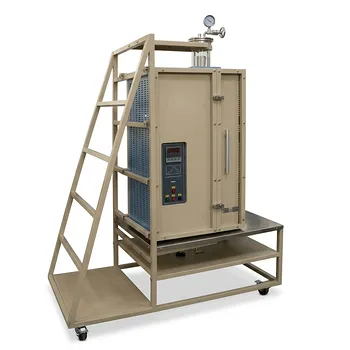
Split Vertical Tube Furnace with 1200C Quartz Tube and Stainless Steel Vacuum Flanges for Rapid Thermal Processing

High Temperature 1700C Vertical Tube Furnace for Powder Spherification and Material Sintering
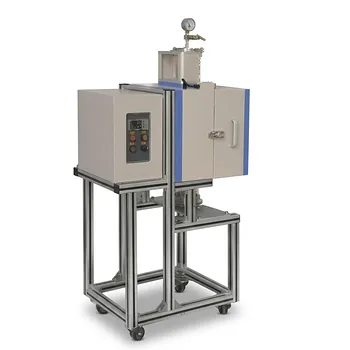
1200°C 5 Inch Vertical Quartz Tube Furnace with Stainless Steel Vacuum Flanges
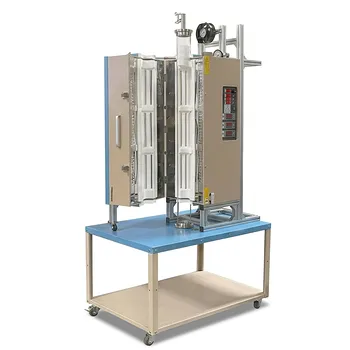
1200C Three Zone Split Vertical Tube Furnace 4 Inch Quartz Tube Stainless Steel Vacuum Flanges
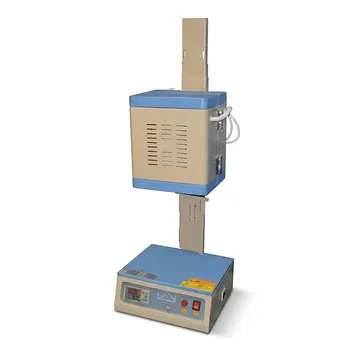
High Temperature Vertical Split Tube Furnace with PID Temperature Controller for 1 and 2 Inch Processing Tubes
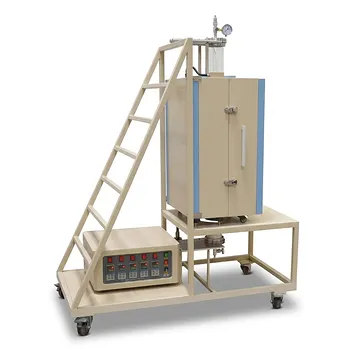
Five Zone Split Vertical Tube Furnace 1200C Max with 4 Inch Quartz Tube and Stainless Steel Vacuum Flanges
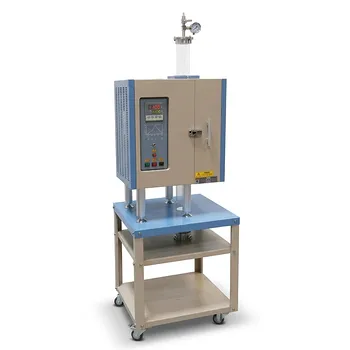
1100°C Split Vertical Tube Furnace with 80mm Quartz Tube and Stainless Steel Vacuum Flanges

Compact Vertical Split Quartz Tube Furnace with Stainless Steel Vacuum Flanges for Rapid Thermal Quenching and Controlled Atmosphere Material Processing
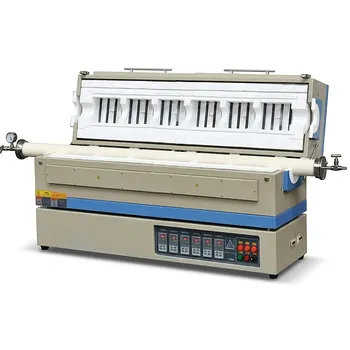
High Temperature 1700C Six Zone Split Tube Furnace with Alumina Tube and Water Cooled Flanges
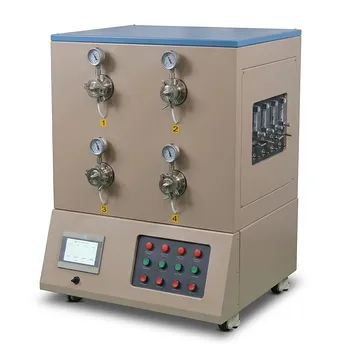
High Throughput 1200C Four Channel Tube Furnace with 3 Inch Quartz Tubes for Multi Zone Annealing and Material Research
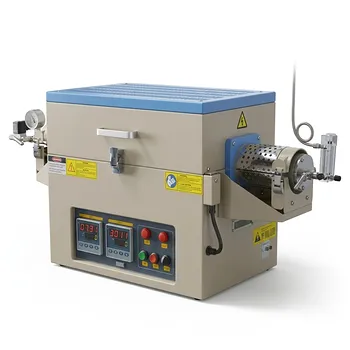
1100C Dual Zone Hydrogen Gas Tube Furnace with Quartz Tube and Integrated H2 Leak Detection System
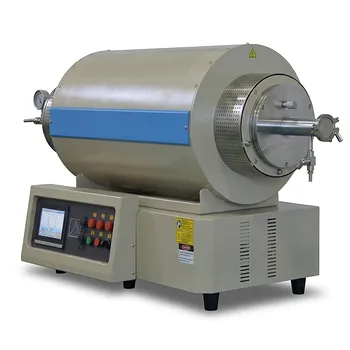
1200C Max Three Zone Tube Furnace 6 Inch OD Max with Tube and Flange
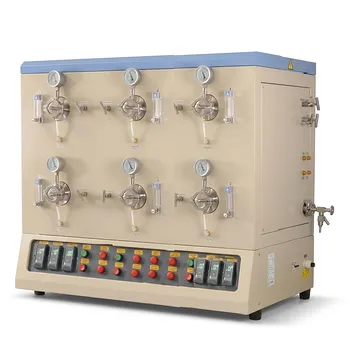
1200C High Throughput Multi Channel Tube Furnace with 50mm Quartz Tubes for Annealing and Material Phase Diagram Research
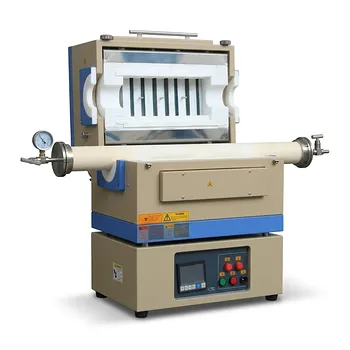
1500C Eight Zone Split Tube Furnace for Thermal Gradient Processing and Advanced Material Research

1100C Tube Furnace with Vacuum Flange and Programmable Temperature Controller for Material Science and Industrial Heat Treatment