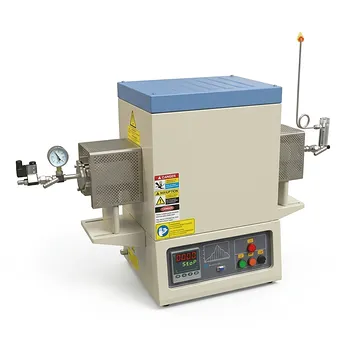
What role does a horizontal tube furnace play in the direct pyrolysis process for producing biochar from oilseed shells?
Updated 3 months ago
The horizontal tube furnace serves as the primary thermochemical reactor for converting oilseed shells into biochar by providing a strictly controlled, oxygen-free thermal environment. It enables the precise regulation of heating rates, residence times, and peak temperatures, which are the fundamental variables that determine the biochar’s final porosity, carbon content, and surface chemistry.
The horizontal tube furnace is the essential tool for managing the transition of biomass from an organic structure to a stable carbon framework. Its ability to maintain a programmable, anaerobic environment ensures that oilseed shells undergo carbonization rather than combustion, allowing for the customization of the biochar’s physical and chemical properties.
Achieving Precise Thermochemical Control
Managing Heating Rates and Residence Times
The tube furnace utilizes programmable temperature control systems to execute specific heating rates, often around 10°C/min. This slow and steady increase in temperature is vital for "slow pyrolysis," which maximizes the yield of solid biochar from oilseed shells.
By maintaining a constant residence time (or "dwell time") at the peak temperature, the furnace ensures that the chemical reactions are completed uniformly. This prevents the formation of an inconsistent product where the core of the biomass remains under-processed while the exterior is over-carbonized.
Peak Temperature Regulation
Horizontal tube furnaces typically operate between 300°C and 900°C for biochar production. The specific temperature chosen dictates the "graphitization degree," or how well-ordered the carbon atoms become within the biochar.
Higher temperatures generally lead to a higher fixed carbon content and increased surface area. Conversely, lower temperatures preserve more oxygen-containing functional groups, which can be beneficial for specific agricultural or filtration applications.
Creating an Oxygen-Deficient Environment
The Necessity of Anaerobic Conditions
Direct pyrolysis requires an oxygen-deficient or oxygen-free state to prevent the biomass from simply burning into ash. The horizontal tube furnace achieves this through a sealed design, often featuring specialized flanges that prevent air ingress.
The Role of Inert Shielding Gases
To maintain this environment, the furnace allows for the introduction of inert shielding gases, such as high-purity nitrogen. This gas displaces oxygen and carries away the "syngas" and volatile matter released during the heating process.
This controlled atmosphere is critical for the accurate study of gas release and ensures that the thermochemical degradation happens via pyrolysis rather than oxidation. Without this precision, the delicate pore structures required for high-quality biochar would be destroyed.
Driving Structural and Chemical Transformation
Devolatilization and Carbon Reorganization
As oilseed shells heat up, the furnace facilitates the thermochemical degradation of complex organic polymers: hemicellulose, cellulose, and lignin. This process, known as devolatilization, removes moisture and volatile organic compounds from the biomass.
Once these volatiles are removed, the furnace provides the energy needed for aromatization. This is where the remaining carbon elements reorganize into stable, honeycomb-like structures known as aromatic carbon frameworks.
Tailoring Surface Functional Groups
The furnace environment directly influences the surface functional groups of the biochar. By fine-tuning the temperature and atmosphere, researchers can control the acidity or alkalinity of the biochar surface.
This level of control is essential when the biochar is intended for specific uses, such as Electric Arc Furnace (EAF) steelmaking or as a component in energy storage materials. The tube furnace ensures the final product meets the exact chemical specifications required for these advanced applications.
Understanding the Trade-offs
Batch Processing vs. Continuous Throughput
The primary limitation of a horizontal tube furnace is that it is typically a batch processing tool. While it offers unparalleled precision for research and small-scale production, it cannot match the volume of industrial-scale continuous kilns.
Temperature Gradients and Sample Size
In a horizontal configuration, achieving thermal uniformity can become challenging if the sample size is too large. If the oilseed shells are packed too densely within the tube, the material in the center may not reach the target temperature as quickly as the material near the tube walls.
Gas Flow Dynamics
While the introduction of nitrogen is necessary, the flow rate of the gas can influence the cooling of the sample and the residence time of volatiles within the hot zone. Improperly managed gas flow can lead to "secondary reactions," where volatiles re-condense on the biochar, potentially altering its pore structure.
How to Apply This to Your Project
When utilizing a horizontal tube furnace for oilseed shell pyrolysis, your primary focus should dictate your operational parameters.
- If your primary focus is maximizing surface area and porosity: Utilize higher pyrolysis temperatures (above 600°C) and longer residence times to ensure complete devolatilization and the opening of micropores.
- If your primary focus is maximizing solid biochar yield: Opt for lower heating rates and moderate peak temperatures (400°C - 500°C) to favor the formation of solid carbon over liquid or gaseous byproducts.
- If your primary focus is nutrient retention or soil amendment: Use lower temperatures to preserve the organic functional groups and volatile matter that can benefit soil microbial life.
The horizontal tube furnace is the definitive tool for transforming raw agricultural waste into a high-value, engineered carbon material through meticulous thermal and atmospheric management.
Summary Table:
| Parameter | Function in Pyrolysis | Impact on Biochar |
|---|---|---|
| Peak Temperature | Regulates graphitization degree | Dictates carbon content and surface area |
| Heating Rate | Controls devolatilization speed | Determines solid biochar yield (slow pyrolysis) |
| Atmosphere | Maintains anaerobic conditions | Prevents combustion and preserves pore structure |
| Residence Time | Ensures uniform chemical reactions | Prevents under-processing or over-carbonization |
Optimize Your Pyrolysis Research with THERMUNITS
Are you looking to achieve precise, repeatable results in your material science or R&D projects? THERMUNITS is a leading manufacturer of high-temperature laboratory equipment, specializing in solutions that empower researchers to push the boundaries of thermal processing.
Whether you are producing biochar from biomass or developing advanced carbon materials, our comprehensive range of equipment—including Tube Furnaces, Vacuum and Atmosphere Furnaces, CVD/PECVD systems, and Rotary Kilns—offers the unparalleled atmospheric and thermal control your work demands.
Why choose THERMUNITS?
- Precision Engineering: Tailored heating rates and residence times.
- Versatile Solutions: From Muffle and Dental furnaces to Vacuum Induction Melting (VIM).
- Expert Support: Our team helps you select the right thermal elements for your specific applications.
Contact our technical experts today to find the ideal furnace for your laboratory and enhance your heat treatment efficiency!
References
- Shrikanta Sutradhar, Kang Kang. Comparison of Oil-Seed Shell Biomass-Based Biochar for the Removal of Anionic Dyes—Characterization and Adsorption Efficiency Studies. DOI: 10.3390/plants13060820
Mentioned Products
- Multi Position Tube Furnace 1100C for Laboratory Material Research and Advanced Industrial Thermal Processing
- 1200°C 10-Zone Split Tube Furnace with Horizontal and Vertical Mounting for Multi-Zone Thermal Gradients and Large Diameter Material Processing
- Ten Zone Multi Orientation Laboratory Tube Furnace for 1200C High Temperature Gradient Thermal Processing
- Vertical 1700C Vacuum and Atmosphere Tube Furnace with 80mm Alumina Tube
- Split Vertical Tube Furnace with 1200C Quartz Tube and Stainless Steel Vacuum Flanges for Rapid Thermal Processing
People Also Ask
- Why use a tube furnace for oxygen annealing LaCrO3/LaMnO3? Optimize Phase Transition & Magnetic Performance.
- What key role does a laboratory high-temperature tube furnace play in the production of carbon nanofibers? Guide
- How is a laboratory high-temperature tube furnace utilized to research the products of aluminothermic reduction? Advanced Metallurgical Solutions
- What is the role of a laboratory tube furnace in the carbonization process of porous carbon foam (PCF)? Master 3D Synthesis
- What role does a laboratory tube furnace play in the pyrolysis and carbonization of biomass? Optimize Thermal Research.

Tech Team · ThermUnits
Last updated on Jun 02, 2026
Related Products
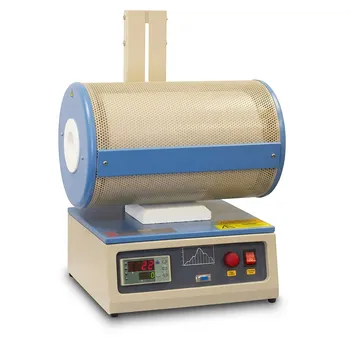
Multi Position Tube Furnace 1100C for Laboratory Material Research and Advanced Industrial Thermal Processing
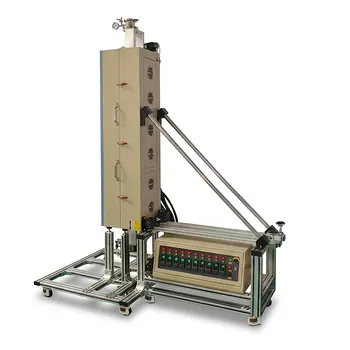
1200°C 10-Zone Split Tube Furnace with Horizontal and Vertical Mounting for Multi-Zone Thermal Gradients and Large Diameter Material Processing
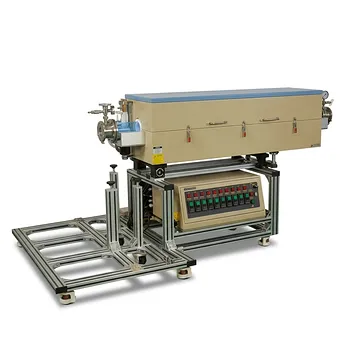
Ten Zone Multi Orientation Laboratory Tube Furnace for 1200C High Temperature Gradient Thermal Processing

Vertical 1700C Vacuum and Atmosphere Tube Furnace with 80mm Alumina Tube
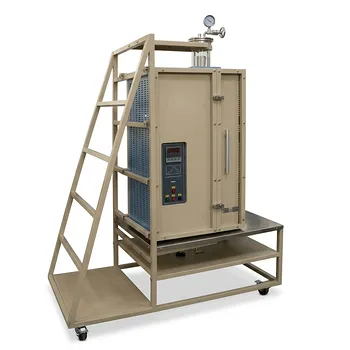
Split Vertical Tube Furnace with 1200C Quartz Tube and Stainless Steel Vacuum Flanges for Rapid Thermal Processing

High Temperature 1700C Vertical Tube Furnace for Powder Spherification and Material Sintering

1200°C 5 Inch Vertical Quartz Tube Furnace with Stainless Steel Vacuum Flanges
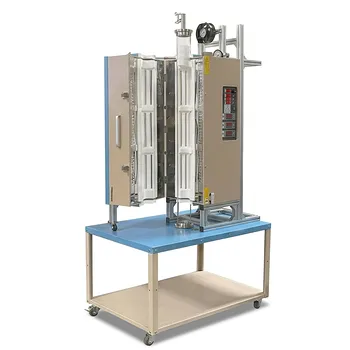
1200C Three Zone Split Vertical Tube Furnace 4 Inch Quartz Tube Stainless Steel Vacuum Flanges
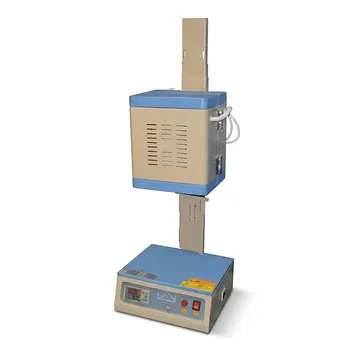
High Temperature Vertical Split Tube Furnace with PID Temperature Controller for 1 and 2 Inch Processing Tubes
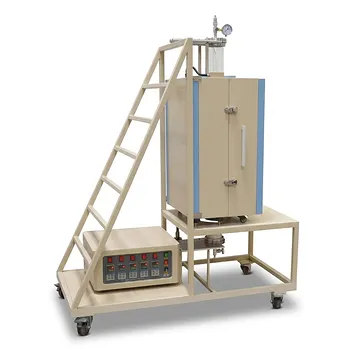
Five Zone Split Vertical Tube Furnace 1200C Max with 4 Inch Quartz Tube and Stainless Steel Vacuum Flanges
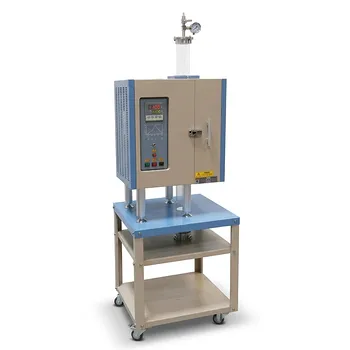
1100°C Split Vertical Tube Furnace with 80mm Quartz Tube and Stainless Steel Vacuum Flanges

Compact Vertical Split Quartz Tube Furnace with Stainless Steel Vacuum Flanges for Rapid Thermal Quenching and Controlled Atmosphere Material Processing

High Temperature 1700C Six Zone Split Tube Furnace with Alumina Tube and Water Cooled Flanges
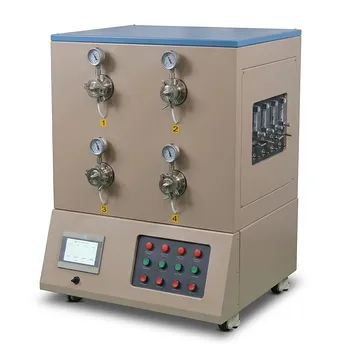
High Throughput 1200C Four Channel Tube Furnace with 3 Inch Quartz Tubes for Multi Zone Annealing and Material Research
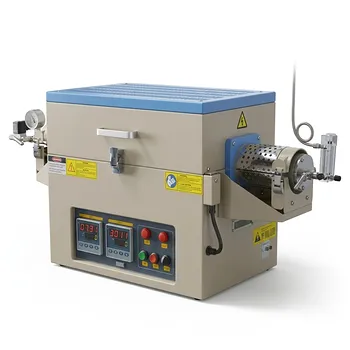
1100C Dual Zone Hydrogen Gas Tube Furnace with Quartz Tube and Integrated H2 Leak Detection System
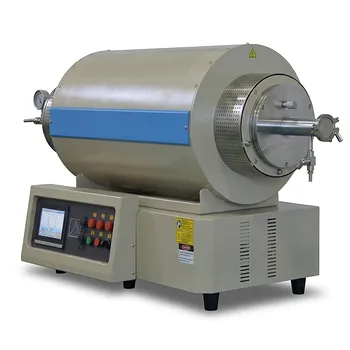
1200C Max Three Zone Tube Furnace 6 Inch OD Max with Tube and Flange
1200C High Throughput Multi Channel Tube Furnace with 50mm Quartz Tubes for Annealing and Material Phase Diagram Research
1500C Eight Zone Split Tube Furnace for Thermal Gradient Processing and Advanced Material Research

1100C Tube Furnace with Vacuum Flange and Programmable Temperature Controller for Material Science and Industrial Heat Treatment