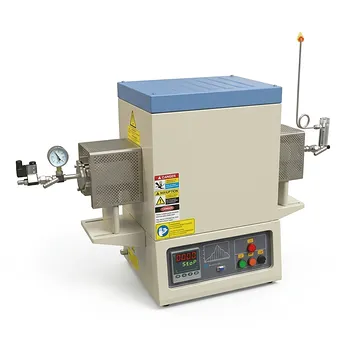
What role does a Horizontal Tube Furnace play in the pyrolysis of phenolic resin? Achieve High-Purity Carbon Yields
Updated 3 months ago
The Horizontal Tube Furnace serves as the primary reactor for the controlled thermal degradation of phenolic resin into a stable carbon form. It provides the high-temperature environment—typically maintained around 600°C—and the inert atmosphere required to strip away volatile components. This transformation, known as pyrolysis, allows the organic resin to reorganize its molecular structure into pyrolytic raw carbon without the risk of oxidation or combustion.
The Horizontal Tube Furnace is the critical facilitator of steady-state decomposition, providing a sealed, programmable thermal field that ensures phenolic resin is converted into a high-purity carbon matrix. Its role is defined by the dual management of precise temperature ramps and atmospheric integrity.
Precision Thermal Management for Decomposition
Maintaining Steady-State Decomposition
The furnace provides a highly stable thermal field that is essential for the steady-state decomposition of phenolic resin. By maintaining a constant temperature (often 600°C), the equipment ensures that the chemical bonds within the resin break down at a predictable and uniform rate.
Controlled Heating Rates and Sintering
Precise control over the heating rate, such as a ramp of 10°C per minute, allows for the gradual release of moisture and volatiles. This prevents structural defects in the resulting carbon by managing the internal pressure build-up during the dehydration and carbonization phases.
Defining the Final Carbon Structure
The sintering duration and peak temperature within the furnace determine the final characteristics of the raw carbon. This controlled environment facilitates the reorganization of carbon elements into stable graphitic or amorphous frameworks, which dictates the material's eventual strength and conductivity.
Atmospheric Integrity and Material Shielding
Preventing Oxidation via Inert Environments
The airtight design of the furnace tube and its sealed flanges are critical for maintaining a strict inert protective atmosphere using gases like high-purity nitrogen or argon. This anaerobic condition is necessary to prevent the carbon matrix from reacting with oxygen and burning away during high-temperature processing.
Facilitating the Removal of Volatiles
As the phenolic resin heats up, it undergoes dehydration and decarboxylation, releasing non-carbon elements as volatile gases. The horizontal design allows these volatiles to be swept away by the inert gas flow, preventing them from re-depositing on the carbon surface and contaminating the sample.
Support for Downstream Analysis
The furnace configuration allows for the seamless connection of condensation and absorption devices to the exhaust path. This enables researchers to collect and study the migration of pyrolysis products, such as tars and gases, providing a complete picture of the resin's transformation.
Understanding the Trade-offs and Limitations
Thermal Gradients and Sample Size
While the horizontal design offers excellent atmospheric control, it can suffer from longitudinal thermal gradients if the tube is excessively long. Users must ensure the sample is placed strictly within the "constant temperature zone" to avoid non-uniform carbonization.
Throughput and Scalability Constraints
Tube furnaces are optimized for precision and laboratory-scale research rather than high-volume production. Attempting to process large quantities of phenolic resin at once can lead to uneven heating and incomplete volatile removal, compromising the quality of the raw carbon.
Maintenance of Airtight Seals
The reliance on a strictly inert atmosphere means that any degradation of the furnace seals or gaskets can lead to total batch failure. Regular pressure testing and seal maintenance are mandatory when working with resins that are highly sensitive to oxidation at temperatures above 300°C.
Applying This to Your Project
Recommendations for Success
To achieve the best results when preparing raw carbon from phenolic resin, your approach should be dictated by your specific material goals.
- If your primary focus is High-Purity Carbon Frameworks: Utilize a slow heating ramp (5-10°C/min) and high-purity argon to ensure the complete removal of volatiles without damaging the carbon skeleton.
- If your primary focus is Analyzing Pyrolysis Byproducts: Integrate downstream condensation traps and gas chromatography to capture and identify the specific tars and gases released during the 350°C to 700°C range.
- If your primary focus is Structural Strength for Activation: Focus on the sintering duration at 600°C to ensure a fully carbonized, stable base that can withstand subsequent chemical or physical activation stages.
By mastering the thermal and atmospheric variables of the horizontal tube furnace, you ensure the transformation of phenolic resin into a predictable, high-performance carbon medium.
Summary Table:
| Key Role | Technical Feature | Benefit to Raw Carbon Production |
|---|---|---|
| Thermal Management | Stable 600°C field & 10°C/min ramp | Ensures uniform decomposition and prevents structural defects. |
| Atmospheric Integrity | Airtight seals & inert gas (N2/Ar) | Prevents carbon oxidation and combustion during high-temp processing. |
| Volatile Removal | Horizontal gas flow design | Sweeps away dehydration products to prevent sample contamination. |
| Process Analysis | Exhaust path connectivity | Allows for collection and study of pyrolysis byproducts like tars. |
| Structure Definition | Programmable sintering zones | Dictates the final strength and conductivity of the carbon matrix. |
Elevate Your Material Research with THERMUNITS Precision Thermal Solutions
Are you looking to optimize your carbonization or pyrolysis processes? As a leading manufacturer of high-temperature laboratory equipment, THERMUNITS provides the advanced technology required for demanding material science and industrial R&D applications.
Our Horizontal Tube Furnaces are engineered for unmatched thermal stability and atmospheric integrity, ensuring your phenolic resin pyrolysis results in a high-purity, predictable carbon medium. Beyond tube furnaces, we offer a comprehensive range of thermal processing solutions tailored to your specific needs, including:
- Laboratory Furnaces: Muffle, Vacuum, Atmosphere, and Rotary Furnaces.
- Advanced Systems: CVD/PECVD systems, Hot Press Furnaces, and Vacuum Induction Melting (VIM) units.
- Specialized Equipment: Dental Furnaces, Electric Rotary Kilns, and high-quality Thermal Elements.
Contact THERMUNITS Today to discuss your project requirements with our experts and discover how our high-performance equipment can drive your research innovation forward.
References
- Qiangqiang Ren, Hongmin Yang. Analysis and Joint Correlation Models on Pore Structures of Graphitized Phenolic Resin Char Under Ni-Zn-B Catalytic Effect. DOI: 10.3390/pr13010014
Mentioned Products
- Multi Position Tube Furnace 1100C for Laboratory Material Research and Advanced Industrial Thermal Processing
- 1200°C 10-Zone Split Tube Furnace with Horizontal and Vertical Mounting for Multi-Zone Thermal Gradients and Large Diameter Material Processing
- Ten Zone Multi Orientation Laboratory Tube Furnace for 1200C High Temperature Gradient Thermal Processing
- Split Vertical Tube Furnace with 1200C Quartz Tube and Stainless Steel Vacuum Flanges for Rapid Thermal Processing
- High Temperature 1700C Vertical Tube Furnace for Powder Spherification and Material Sintering
People Also Ask
- Why use a tube furnace for oxygen annealing LaCrO3/LaMnO3? Optimize Phase Transition & Magnetic Performance.
- What key role does a laboratory high-temperature tube furnace play in the production of carbon nanofibers? Guide
- How is a laboratory high-temperature tube furnace utilized to research the products of aluminothermic reduction? Advanced Metallurgical Solutions
- What is the role of a laboratory tube furnace in the carbonization process of porous carbon foam (PCF)? Master 3D Synthesis
- What role does a laboratory tube furnace play in the pyrolysis and carbonization of biomass? Optimize Thermal Research.

Tech Team · ThermUnits
Last updated on Jun 03, 2026
Related Products
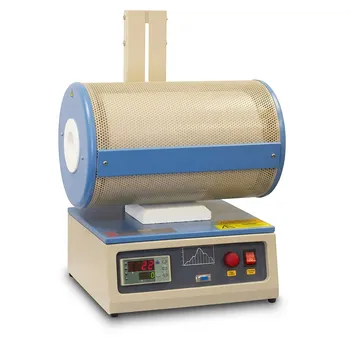
Multi Position Tube Furnace 1100C for Laboratory Material Research and Advanced Industrial Thermal Processing
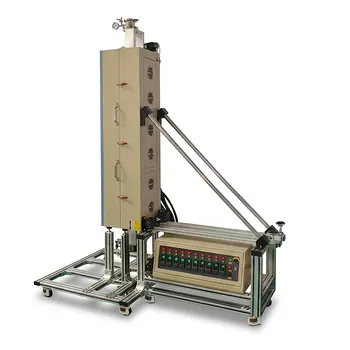
1200°C 10-Zone Split Tube Furnace with Horizontal and Vertical Mounting for Multi-Zone Thermal Gradients and Large Diameter Material Processing
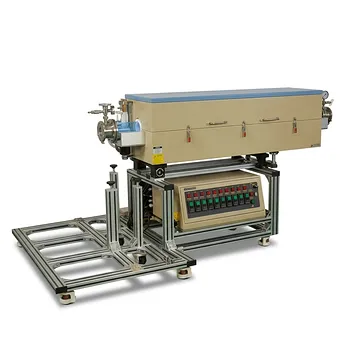
Ten Zone Multi Orientation Laboratory Tube Furnace for 1200C High Temperature Gradient Thermal Processing
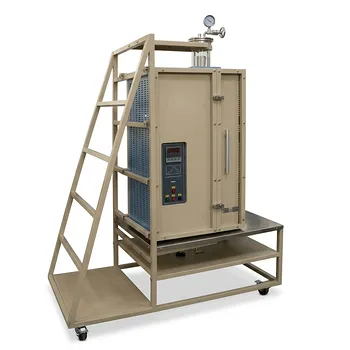
Split Vertical Tube Furnace with 1200C Quartz Tube and Stainless Steel Vacuum Flanges for Rapid Thermal Processing

High Temperature 1700C Vertical Tube Furnace for Powder Spherification and Material Sintering

Vertical 1700C Vacuum and Atmosphere Tube Furnace with 80mm Alumina Tube

1200°C 5 Inch Vertical Quartz Tube Furnace with Stainless Steel Vacuum Flanges
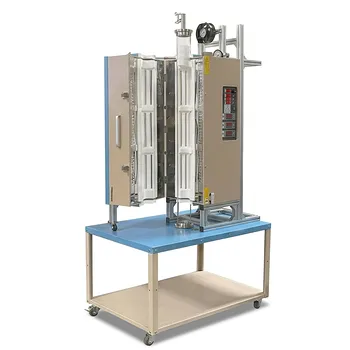
1200C Three Zone Split Vertical Tube Furnace 4 Inch Quartz Tube Stainless Steel Vacuum Flanges
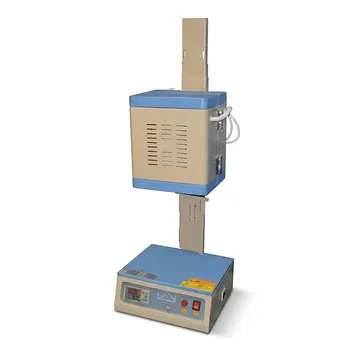
High Temperature Vertical Split Tube Furnace with PID Temperature Controller for 1 and 2 Inch Processing Tubes
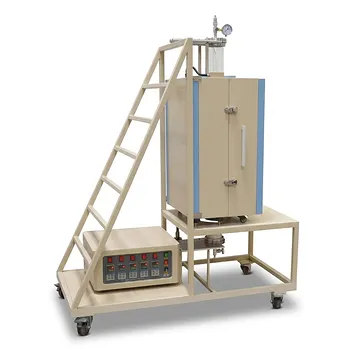
Five Zone Split Vertical Tube Furnace 1200C Max with 4 Inch Quartz Tube and Stainless Steel Vacuum Flanges
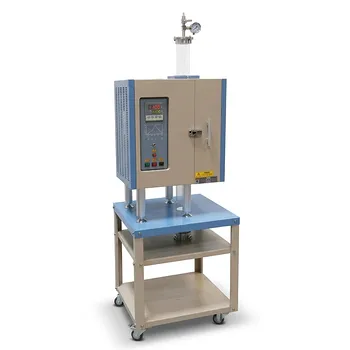
1100°C Split Vertical Tube Furnace with 80mm Quartz Tube and Stainless Steel Vacuum Flanges

Compact Vertical Split Quartz Tube Furnace with Stainless Steel Vacuum Flanges for Rapid Thermal Quenching and Controlled Atmosphere Material Processing

High Temperature 1700C Six Zone Split Tube Furnace with Alumina Tube and Water Cooled Flanges
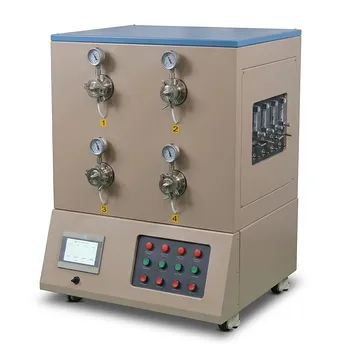
High Throughput 1200C Four Channel Tube Furnace with 3 Inch Quartz Tubes for Multi Zone Annealing and Material Research
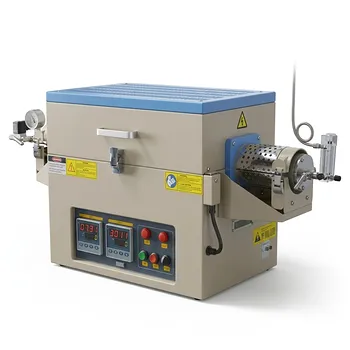
1100C Dual Zone Hydrogen Gas Tube Furnace with Quartz Tube and Integrated H2 Leak Detection System
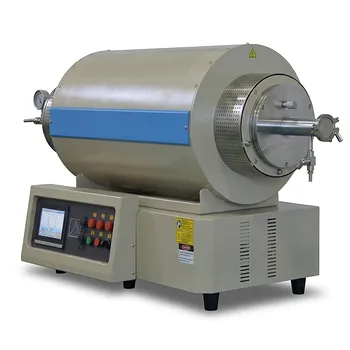
1200C Max Three Zone Tube Furnace 6 Inch OD Max with Tube and Flange
1200C High Throughput Multi Channel Tube Furnace with 50mm Quartz Tubes for Annealing and Material Phase Diagram Research
1500C Eight Zone Split Tube Furnace for Thermal Gradient Processing and Advanced Material Research

1100C Tube Furnace with Vacuum Flange and Programmable Temperature Controller for Material Science and Industrial Heat Treatment