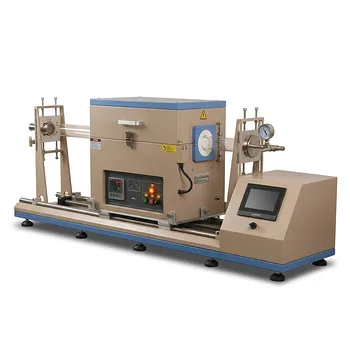
What role does a Tube Furnace play in biomass photothermal materials? Optimize Carbonization for Light Absorption
Updated 6 months ago
The tube furnace serves as the fundamental thermal reactor for converting organic biomass into high-performance photothermal materials. By providing a strictly controlled, high-temperature, and oxygen-free environment, it facilitates the pyrolysis and carbonization processes necessary to transform raw precursors like seaweed, bamboo, or sugarcane into functional biochar. This equipment is essential for engineering the material's graphitized structure, which directly dictates its ability to absorb the full solar spectrum and conduct heat efficiently.
Core Takeaway: A tube furnace is the critical infrastructure for biomass carbonization, allowing for the precise regulation of temperature and atmosphere to create graphitized, porous biochar with superior photothermal conversion properties.
The Role of Controlled Pyrolysis and Carbonization
Achieving Graphitization for Light Absorption
The primary function of the tube furnace is to facilitate carbonization, typically at temperatures between 600°C and 800°C. At these levels, the organic components of the biomass—such as cellulose and lignin—undergo chemical degradation to form a graphitized carbon structure. This specific structural arrangement is vital because it significantly enhances the material's full-spectrum absorption capacity, allowing it to capture solar energy more effectively.
Inert Atmosphere Protection
To prevent the biomass from simply burning (combustion), the tube furnace maintains an anaerobic environment using inert gases like high-purity nitrogen. This oxygen-deprived setting ensures that the biomass decomposes thermally into stable carbon skeletons rather than turning into ash. The furnace's atmosphere sealing is paramount to ensuring the purity and consistency of the resulting photothermal biochar.
Precision in Thermal Programming
Unlike standard ovens, a tube furnace allows for the precise regulation of heating rates and residence times. By programming specific temperature increases (e.g., 10 K/min), researchers can control the dehydration and degassing phases. This level of control is necessary to ensure the thorough removal of volatile components while enriching the fixed carbon content.
Engineering the Microstructure and Conductivity
Development of Complex Pore Networks
The tube furnace is instrumental in forming the porous structures required for advanced photothermal applications. As volatiles are driven off during thermal treatment, a complex network of pores is left behind, often further refined by adding activating agents. These pores increase the specific surface area, which can improve the material's interaction with light and its ability to manage water in desalination contexts.
Enhancing Thermal Conductivity
The conversion of raw biomass into a stable carbon skeleton via the tube furnace significantly boosts thermal conductivity. A well-developed carbon skeleton allows for the rapid transfer of heat throughout the material, which is essential for efficient photothermal evaporation. The furnace ensures that the resulting material has the structural integrity and high electrical conductivity needed for sophisticated energy applications.
Induction of Nano-scale Composites
When biomass is loaded with metal salts (like manganese or magnesium), the tube furnace facilitates their conversion into nano-scale oxides or metallic particles. These particles are embedded within the carbon skeleton during the single-step pyrolysis process. This creates a composite material with enhanced properties, such as improved catalytic or photothermal capabilities, that would be impossible to achieve without a uniform temperature field.
Understanding the Trade-offs
Temperature vs. Structural Integrity
While higher temperatures (above 800°C) can increase graphitization and conductivity, they may also cause the pore structure to collapse. Finding the "sweet spot" is critical, as excessive heat can reduce the surface area and limit the material's overall efficiency.
Heating Rate and Volatile Retention
A heating rate that is too fast may lead to an incomplete carbonization process or "flash pyrolysis," where the internal structure of the biomass is disrupted by rapidly escaping gases. Conversely, excessively slow heating rates can lead to a denser, less porous material, which may decrease photothermal conversion efficiency.
Batch Limitations and Scaling
Tube furnaces are generally designed for batch processing, which can limit the volume of material produced at one time. While they offer superior control for laboratory-scale development, transitioning to industrial-scale production requires balancing this precision with the throughput limitations of a tubular design.
How to Apply This to Your Project
When selecting your processing parameters in a tube furnace, consider your specific photothermal goals:
- If your primary focus is maximized light absorption: Target higher carbonization temperatures (700-800°C) to promote a more complete graphitized structure.
- If your primary focus is high specific surface area: Utilize slower heating rates and carefully managed residence times to allow for the gradual development of the pore network.
- If your primary focus is composite functionality: Ensure the furnace atmosphere is strictly controlled to facilitate the proper reduction or oxidation of loaded metal salts into nanoparticles.
The tube furnace is the indispensable tool that bridges the gap between raw organic precursors and highly engineered, light-harvesting carbon materials.
Summary Table:
| Key Feature | Role in Biomass Processing | Benefit for Photothermal Materials |
|---|---|---|
| Atmosphere Control | Provides anaerobic/inert environment | Prevents combustion; ensures stable carbon skeleton |
| Precise Temperature | Facilitates graphitization (600-800°C) | Maximizes full-spectrum solar light absorption |
| Thermal Programming | Regulated heating rates & residence time | Develops complex pore networks for water management |
| Uniform Heat Field | Induction of nano-scale composites | Enhances thermal conductivity and catalytic activity |
Elevate Your Material Science Research with THERMUNITS
Are you looking to optimize biomass carbonization or engineer advanced photothermal structures? THERMUNITS is a leading manufacturer of high-temperature laboratory equipment for material science and industrial R&D.
We offer a comprehensive range of thermal processing solutions tailored for high-performance results, including:
- Tube & Rotary Furnaces for precise biomass pyrolysis.
- Vacuum & Atmosphere Furnaces for sensitive carbonization.
- CVD/PECVD Systems for surface modification.
- Muffle & Hot Press Furnaces for versatile heat treatments.
Whether you are developing desalination biochar or energy-harvesting composites, our equipment provides the stability and control your research demands.
Contact our technical experts today to find the perfect furnace for your lab!
References
- Seyed Shahrooz Zargarian, Filippo Pierini. Advancing resource sustainability with green photothermal materials: Insights from organic waste-derived and bioderived sources. DOI: 10.1515/ntrev-2024-0100
Mentioned Products
- Vertical 1700C Vacuum and Atmosphere Tube Furnace with 80mm Alumina Tube
- Compact High Temperature 1600C Tube Furnace with 50mm Alumina Tube and Vacuum Flanges for Material Sintering
- 900°C Max Rotary Tube Furnace with 8 Inch 310S Alloy Tube and Optional Multi Zone Heating for Industrial Material Calcination
- Split Vertical Tube Furnace with 1200C Quartz Tube and Stainless Steel Vacuum Flanges for Rapid Thermal Processing
- High Temperature 1700C Tube Furnace with High Vacuum Turbomolecular Pump System and Multi Channel Mass Flow Controller Gas Mixer
People Also Ask
- How does a vertical tube furnace ensure stable experimental conditions during molten fluoride electrolysis testing? Precision Tips
- How does a vertical tube furnace facilitate thermoelectric alloy melting? Precision synthesis for material homogeneity.
- Why is a thermocouple sensor indispensable for monitoring the vertical tube furnace during gallium oxide nanowire production? Optimize VLS Growth
- What is the function of a laboratory-grade vertical tube furnace in fast pyrolysis? Optimize Composite Research.
- How is an industrial-grade vertical tube furnace utilized in smelting leaching residues? Enhance Metal Recovery Efficiency

Tech Team · ThermUnits
Last updated on Apr 14, 2026
Related Products
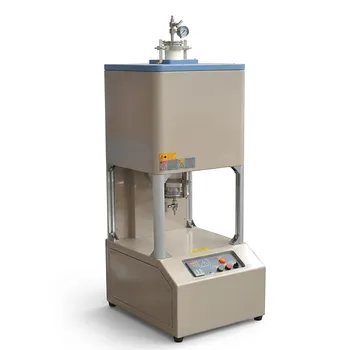
Vertical 1700C Vacuum and Atmosphere Tube Furnace with 80mm Alumina Tube
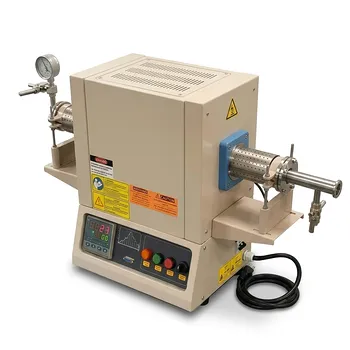
Compact High Temperature 1600C Tube Furnace with 50mm Alumina Tube and Vacuum Flanges for Material Sintering
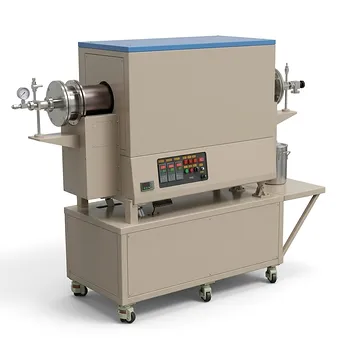
900°C Max Rotary Tube Furnace with 8 Inch 310S Alloy Tube and Optional Multi Zone Heating for Industrial Material Calcination
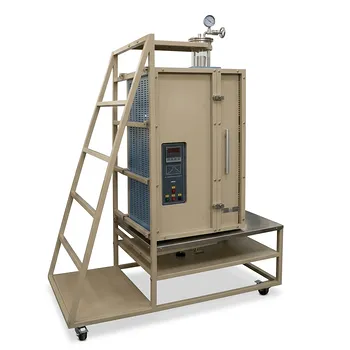
Split Vertical Tube Furnace with 1200C Quartz Tube and Stainless Steel Vacuum Flanges for Rapid Thermal Processing
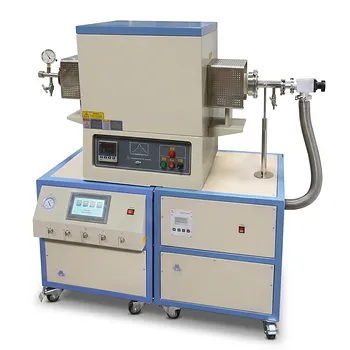
High Temperature 1700C Tube Furnace with High Vacuum Turbomolecular Pump System and Multi Channel Mass Flow Controller Gas Mixer
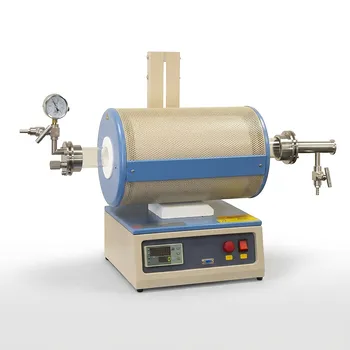
1100C Tube Furnace with Vacuum Flange and Programmable Temperature Controller for Material Science and Industrial Heat Treatment
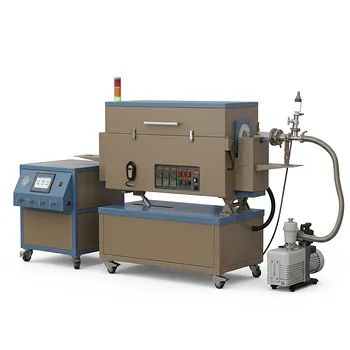
5 Inch Three Zone Rotary Tube Furnace with Integrated Gas Delivery System and 1200C Capability for Advanced Material CVD Processing
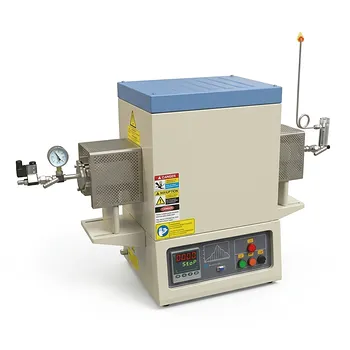
1700C Hydrogen Gas Tube Furnace with 60mm Alumina Process Tube and Integrated Hydrogen Safety Detector
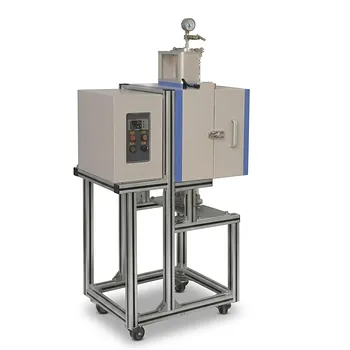
1200°C 5 Inch Vertical Quartz Tube Furnace with Stainless Steel Vacuum Flanges
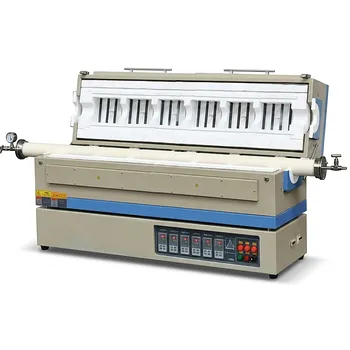
High Temperature 1700C Six Zone Split Tube Furnace with Alumina Tube and Water Cooled Flanges
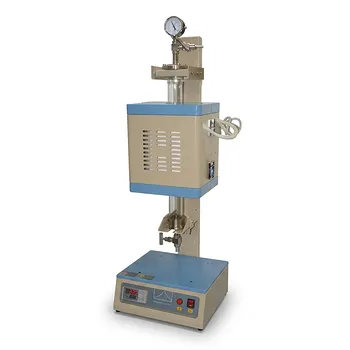
Compact Vertical Split Quartz Tube Furnace with Stainless Steel Vacuum Flanges for Rapid Thermal Quenching and Controlled Atmosphere Material Processing
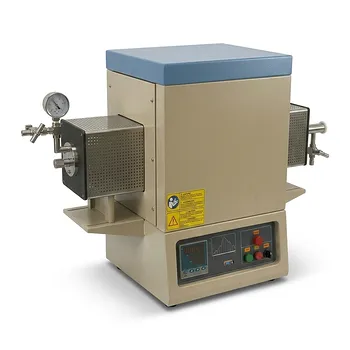
High Temperature 1700C Benchtop Tube Furnace with 5 Inch Heating Zone High Purity Alumina Tube and Vacuum Sealing Flanges
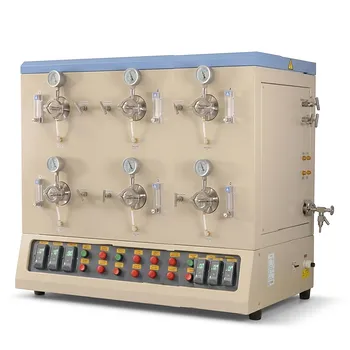
1200C High Throughput Multi Channel Tube Furnace with 50mm Quartz Tubes for Annealing and Material Phase Diagram Research
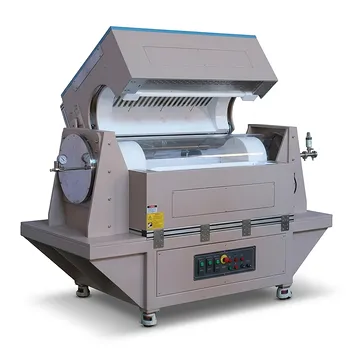
Three Zone Tube Furnace with 11 Inch or 15 Inch Quartz Tube and Hinged Flanges for Vacuum Atmosphere Heat Treatment
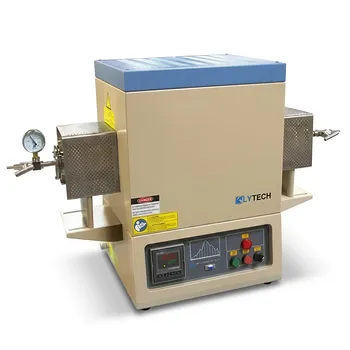
1800C High Temperature Compact Vacuum Tube Furnace with 60mm OD Alumina Tube and Kanthal MoSi2 Heating Elements
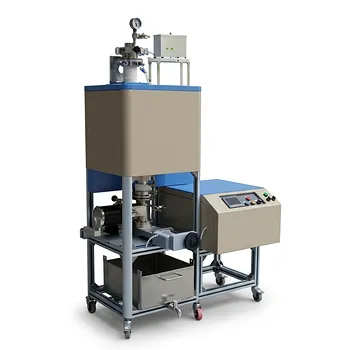
High Temperature 1700C Vertical Tube Furnace for Powder Spherification and Material Sintering
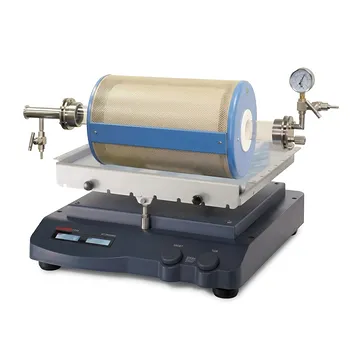
High Temperature Rocking Tube Furnace with Quartz Tube and Vacuum Flange for Materials Synthesis
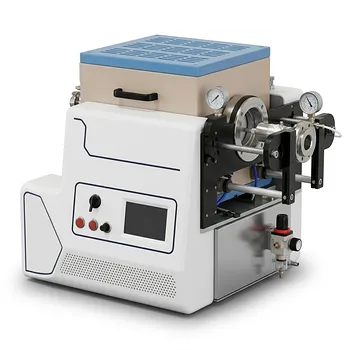
High Temperature Automated 5 Inch Tube Furnace for Autonomous Material Research and Advanced Laboratory R&D
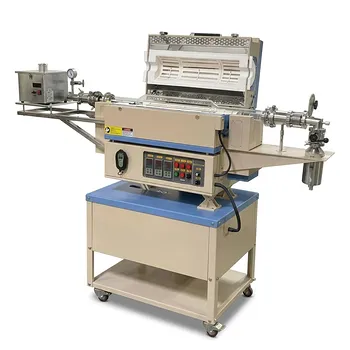
5 Inch Rotary Tube Furnace with Automatic Feeding and Receiving System 1200C Three Zone CVD Powder Processing