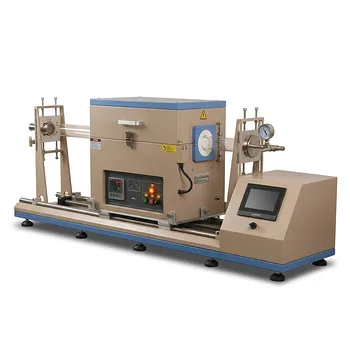
What role does a Tube Furnace play in the synthesis of NiO@Ni foam? Master Precision Thermal Oxidation for R&D
Updated 6 months ago
The tube furnace serves as the precision reaction chamber for in-situ synthesis. It provides the high-precision temperature-controlled environment required to facilitate the thermal oxidation of nickel foam in an air atmosphere. By heating the substrate to approximately 600°C at a controlled ramp rate, the furnace triggers the direct growth of NiO nano-arrays onto the nickel surface, creating a robust, binder-free heterostructure.
Core Takeaway: The tube furnace is the fundamental tool for transforming raw nickel foam into a high-surface-area NiO@Ni composite by providing a uniform thermal field that dictates the phase transformation, crystallinity, and structural integrity of the resulting nano-arrays.
The Mechanics of In-Situ Thermal Oxidation
Precision Temperature Regulation
The primary role of the tube furnace is to maintain a specific thermal profile, often heating at a rate of 5°C/min to a peak of 600°C. This level of control is vital because the rate of oxidation directly influences the density and morphology of the resulting NiO nano-arrays.
Facilitating Binder-Free Adhesion
By enabling in-situ growth, the tube furnace allows the NiO layer to emerge directly from the parent nickel substrate. This eliminates the need for external chemical binders, which often increase internal resistance and decrease the overall electrochemical performance of the material.
Optimizing Material Characteristics
Phase Transformation and Crystallinity
Thermal energy provided by the furnace facilitates the phase transformation from metallic nickel to nanostructured nickel oxide. This process ensures high crystallinity, which is essential for ensuring an optimal optoelectronic response and efficient electron transport within the material.
Ensuring Structural Uniformity
The closed environment of the tube furnace provides a highly uniform thermal field. This uniformity ensures that the NiO nano-arrays grow consistently across the entire 3D architecture of the nickel foam, preventing localized defects or uneven loading.
Removal of Volatile Impurities
As the furnace reaches high temperatures, it effectively calcines the material, driving off volatile impurities that may be present on the raw substrate. This purification step is critical for ensuring the final NiO@Ni foam exhibits the intended wide-bandgap characteristics and chemical purity.
Understanding the Trade-offs
The Risk of Over-Oxidation
While heat is necessary for growth, excessive temperatures or prolonged exposure can lead to the complete oxidation of the nickel foam. If the metallic core is entirely converted to oxide, the material loses its inherent electrical conductivity and structural flexibility.
Sensitivity to Ramp Rates
If the heating rate is too aggressive, the resulting thermal stress can cause the NiO layer to delaminate or crack. Conversely, a ramp rate that is too slow may result in a low-load nano-array that fails to meet the surface area requirements for high-performance applications.
How to Apply This to Your Synthesis
When utilizing a tube furnace for NiO@Ni foam production, your approach should vary based on your specific performance targets:
- If your primary focus is high conductivity: Limit the oxidation time or temperature to ensure a thick metallic nickel core remains intact to act as a current collector.
- If your primary focus is maximum surface area: Optimize the ramp rate and peak temperature (near 600°C) to encourage the densest possible growth of NiO nano-arrays.
- If your primary focus is material purity: Ensure the furnace is pre-cleaned and the air atmosphere is filtered to prevent the introduction of trace contaminants during the high-temperature phase.
Ultimately, the tube furnace is the decisive factor in balancing the structural stability of the nickel substrate with the functional activity of the nickel oxide layer.
Summary Table:
| Key Role | Impact on NiO@Ni Synthesis |
|---|---|
| Temperature Control | Dictates the density and morphology of NiO nano-arrays at ~600°C. |
| In-Situ Growth | Facilitates binder-free adhesion, reducing internal resistance. |
| Thermal Uniformity | Ensures consistent nano-array growth across complex 3D nickel foam. |
| Ramp Rate Management | Prevents material delamination and manages structural load. |
| Calcination | Removes volatile impurities to ensure high chemical purity. |
Elevate Your Material Science Research with THERMUNITS
Precision is the backbone of successful in-situ synthesis. As a leading manufacturer of high-temperature laboratory equipment, THERMUNITS provides the advanced thermal processing solutions required for high-performance R&D. Our high-precision Tube Furnaces are specifically designed to deliver the uniform thermal fields and rigorous ramp-rate control necessary for synthesizing superior NiO@Ni foam composites.
From industrial R&D to material science breakthroughs, we offer a comprehensive range of equipment including:
- Furnaces: Muffle, Vacuum, Atmosphere, Tube, Rotary, and Hot Press Furnaces.
- Advanced Systems: CVD/PECVD Systems, Vacuum Induction Melting (VIM) Furnaces, and Electric Rotary Kilns.
- Specialized Tools: Dental Furnaces and high-quality Thermal Elements.
Ready to optimize your thermal oxidation process? Contact us today to explore how THERMUNITS can provide the reliable, high-performance equipment your laboratory demands.
References
- Nurbolat Issatayev, Arailym Nurpeissova. Three-dimensional carbon coated and high mass-loaded NiO@Ni foam anode with high specific capacity for lithium ion batteries. DOI: 10.1039/d4ra07119k
Mentioned Products
- Vertical 1700C Vacuum and Atmosphere Tube Furnace with 80mm Alumina Tube
- Compact High Temperature 1600C Tube Furnace with 50mm Alumina Tube and Vacuum Flanges for Material Sintering
- 900°C Max Rotary Tube Furnace with 8 Inch 310S Alloy Tube and Optional Multi Zone Heating for Industrial Material Calcination
- Split Vertical Tube Furnace with 1200C Quartz Tube and Stainless Steel Vacuum Flanges for Rapid Thermal Processing
- High Temperature 1700C Tube Furnace with High Vacuum Turbomolecular Pump System and Multi Channel Mass Flow Controller Gas Mixer
People Also Ask
- How does a vertical tube furnace ensure stable experimental conditions during molten fluoride electrolysis testing? Precision Tips
- How does a vertical tube furnace facilitate thermoelectric alloy melting? Precision synthesis for material homogeneity.
- How is an industrial-grade vertical tube furnace utilized in smelting leaching residues? Enhance Metal Recovery Efficiency
- What is the function of a laboratory-grade vertical tube furnace in fast pyrolysis? Optimize Composite Research.
- Why is a thermocouple sensor indispensable for monitoring the vertical tube furnace during gallium oxide nanowire production? Optimize VLS Growth

Tech Team · ThermUnits
Last updated on Apr 14, 2026
Related Products
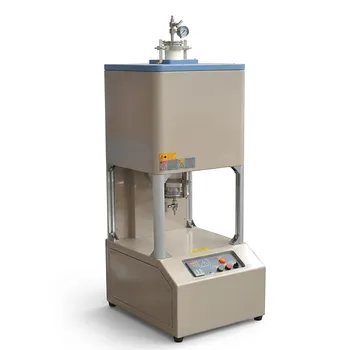
Vertical 1700C Vacuum and Atmosphere Tube Furnace with 80mm Alumina Tube
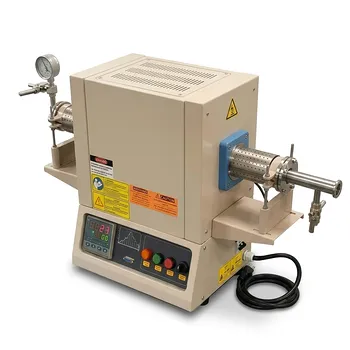
Compact High Temperature 1600C Tube Furnace with 50mm Alumina Tube and Vacuum Flanges for Material Sintering
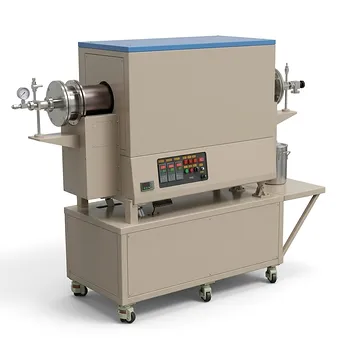
900°C Max Rotary Tube Furnace with 8 Inch 310S Alloy Tube and Optional Multi Zone Heating for Industrial Material Calcination
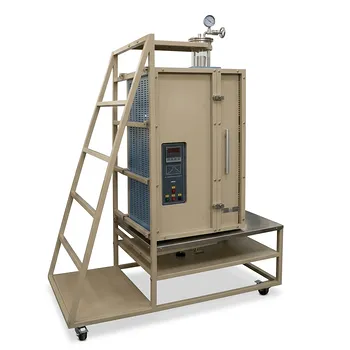
Split Vertical Tube Furnace with 1200C Quartz Tube and Stainless Steel Vacuum Flanges for Rapid Thermal Processing
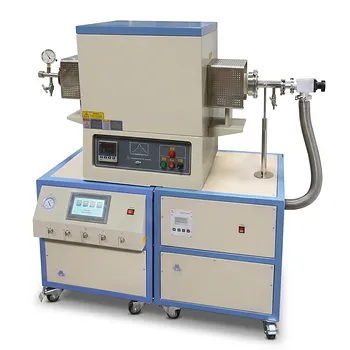
High Temperature 1700C Tube Furnace with High Vacuum Turbomolecular Pump System and Multi Channel Mass Flow Controller Gas Mixer
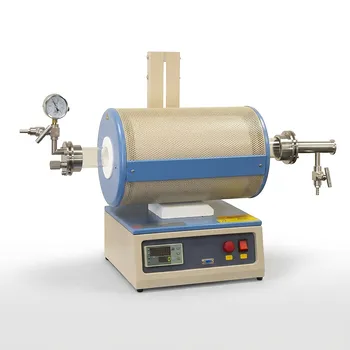
1100C Tube Furnace with Vacuum Flange and Programmable Temperature Controller for Material Science and Industrial Heat Treatment
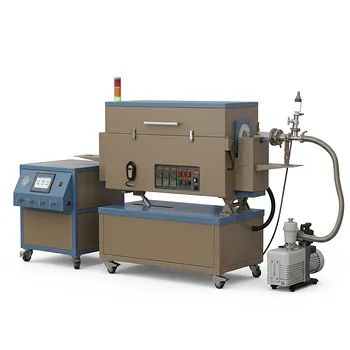
5 Inch Three Zone Rotary Tube Furnace with Integrated Gas Delivery System and 1200C Capability for Advanced Material CVD Processing
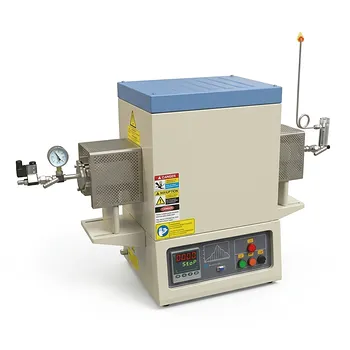
1700C Hydrogen Gas Tube Furnace with 60mm Alumina Process Tube and Integrated Hydrogen Safety Detector
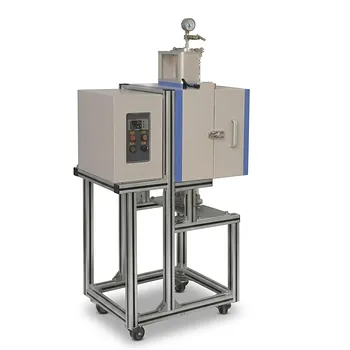
1200°C 5 Inch Vertical Quartz Tube Furnace with Stainless Steel Vacuum Flanges
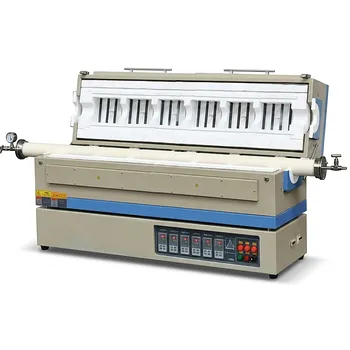
High Temperature 1700C Six Zone Split Tube Furnace with Alumina Tube and Water Cooled Flanges
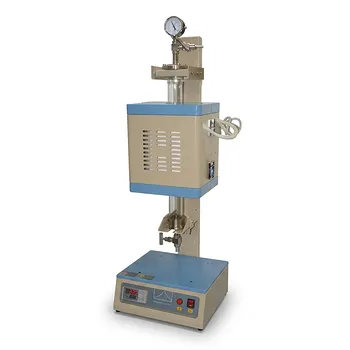
Compact Vertical Split Quartz Tube Furnace with Stainless Steel Vacuum Flanges for Rapid Thermal Quenching and Controlled Atmosphere Material Processing
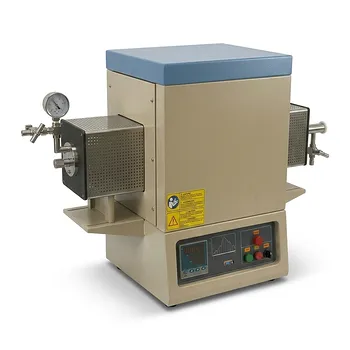
High Temperature 1700C Benchtop Tube Furnace with 5 Inch Heating Zone High Purity Alumina Tube and Vacuum Sealing Flanges
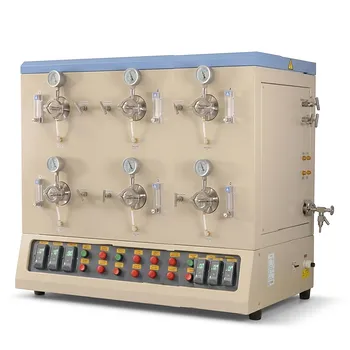
1200C High Throughput Multi Channel Tube Furnace with 50mm Quartz Tubes for Annealing and Material Phase Diagram Research
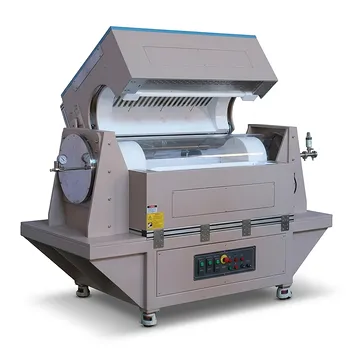
Three Zone Tube Furnace with 11 Inch or 15 Inch Quartz Tube and Hinged Flanges for Vacuum Atmosphere Heat Treatment
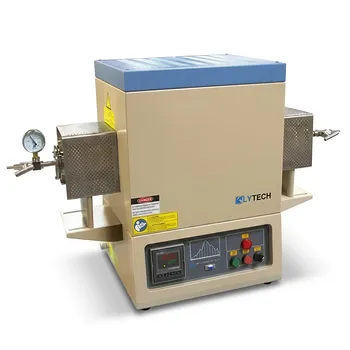
1800C High Temperature Compact Vacuum Tube Furnace with 60mm OD Alumina Tube and Kanthal MoSi2 Heating Elements
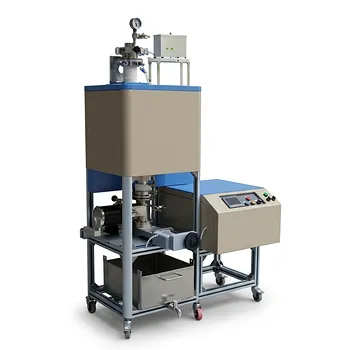
High Temperature 1700C Vertical Tube Furnace for Powder Spherification and Material Sintering
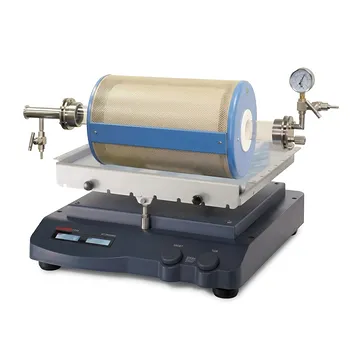
High Temperature Rocking Tube Furnace with Quartz Tube and Vacuum Flange for Materials Synthesis
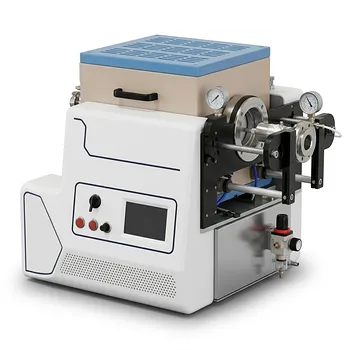
High Temperature Automated 5 Inch Tube Furnace for Autonomous Material Research and Advanced Laboratory R&D
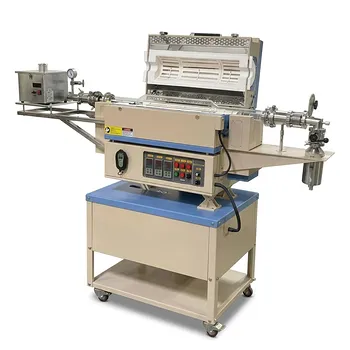
5 Inch Rotary Tube Furnace with Automatic Feeding and Receiving System 1200C Three Zone CVD Powder Processing