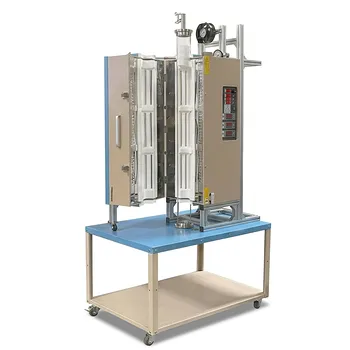
What role does a vertical furnace play in magnesium carbonate calcination? Master Kinetic Accuracy and Efficiency
Updated 3 months ago
The vertical electric heating furnace acts as the precision thermal engine of the magnesium carbonate steam calcination process. It provides a strictly controlled, isothermal environment for the fluidized bed reactor housed within its core. By maintaining this steady state, the furnace allows for the accurate measurement of decomposition rates and the subsequent calculation of reaction activation energy.
The furnace serves as a controlled environment that isolates temperature as a constant variable, rather than a fluctuating heat source. This stability is the prerequisite for building reliable reaction kinetic models that can be used to predict behavior in larger industrial applications.
The Foundation of Kinetic Accuracy
Creating a Stable Isothermal Environment
The furnace's primary function is to ensure the magnesium carbonate decomposition occurs under constant temperature conditions. This eliminates the "noise" of thermal fluctuations that typically complicate chemical analysis.
Enabling Precise Energy Calculations
Because the furnace maintains a stable heat profile, researchers can determine exactly how much energy is required to trigger the reaction. This leads to the accurate calculation of activation energy, a critical metric for process efficiency.
Supporting the Fluidized Bed Reactor
The vertical design of the furnace is specifically engineered to house the fluidized bed. This configuration allows for uniform heat distribution across the magnesium carbonate particles as they are suspended in the steam flow.
Understanding the Trade-offs
Thermal Lag and Sensitivity
While electric heating provides exceptional precision, it can be slower to respond to manual temperature adjustments than direct combustion. Operators must account for this thermal inertia when ramping the system up to the desired set point.
Scale and Uniformity Challenges
In a laboratory or pilot setting, maintaining an isothermal environment is relatively straightforward. However, as the furnace size increases for industrial throughput, ensuring a perfectly uniform temperature across the entire reactor volume becomes significantly more complex.
Energy Consumption Profiles
Electric heating offers a clean and highly controllable heat source, but it may come with higher operational costs compared to gas-fired alternatives. The choice of an electric furnace is a trade-off between the need for high-quality kinetic data and the raw energy costs of the calcination process.
How to Apply This to Your Project
When integrating a vertical electric heating furnace into your calcination workflow, your focus should shift based on your specific technical goals:
- If your primary focus is Academic Research: Utilize the isothermal stability of the furnace to isolate reaction variables and publish high-precision kinetic data.
- If your primary focus is Industrial Scale-up: Use the furnace to establish the baseline activation energy required to design larger, more energy-efficient production kilns.
- If your primary focus is Product Quality Control: Leverage the precise temperature control to ensure consistent decomposition, resulting in a more uniform magnesium oxide end-product.
Mastering the thermal environment within the vertical furnace is the first step toward achieving a highly efficient and predictable magnesium carbonate calcination process.
Summary Table:
| Feature | Role in Calcination Process | Key Benefit for R&D |
|---|---|---|
| Isothermal Environment | Maintains constant temperature | Isolates variables for accurate kinetic modeling |
| Vertical Design | Houses the fluidized bed reactor | Ensures uniform heat distribution across particles |
| Precision Control | Regulates thermal energy input | Enables exact calculation of reaction activation energy |
| Steady State Ops | Eliminates thermal fluctuations | Produces consistent, high-quality magnesium oxide |
Elevate Your Material Research with THERMUNITS
Precise thermal control is the backbone of successful material science and industrial R&D. As a leading manufacturer of high-temperature laboratory equipment, THERMUNITS specializes in providing the exact environment your magnesium carbonate calcination and other heat treatment processes require.
Whether you need specialized Tube, Rotary, or Vertical Furnaces, or advanced systems like CVD/PECVD, Vacuum Induction Melting (VIM), and Hot Press units, our solutions are engineered for durability and scientific accuracy.
Ready to optimize your calcination workflow? Contact our experts today to find the perfect thermal processing solution for your laboratory or pilot plant.
References
- Hani Ababneh, Bassam B. Dally. Steam Calcination of Magnesium Carbonate: A Kinetic Study. DOI: 10.11159/mmme24.105
Mentioned Products
- Vertical Openable Tube Furnace 0-1700c High Temperature Laboratory System for CVD and Vacuum Heat Treatment
- Electric Rotary Kiln Continuous Working Small Rotary Furnace Heating Pyrolysis Plant
- High Temperature Vertical Hybrid Furnace with Alumina Tube and SiC Heating for SOFC Coin Cell Testing and Atmosphere Processing
- High Temperature Vertical Crucible Furnace with 22L Heating Chamber and 1200C Maximum Temperature
- Vertical Hybrid High Temperature Furnace 1500C Alumina Tube SOFC Fuel Cell Testing Laboratory Heat Treatment Research Equipment
People Also Ask
- Why is a Tube Furnace typically utilized for CVD? Achieve Precision in Graphene and 2D Material Synthesis
- What role does a high-temperature vertical tube furnace play in simulating high-carbon ferromanganese slag formation?
- What functions does a vertical high-temperature tube furnace perform? Master Industrial Sintering & R&D Simulation
- How does a vertical tube furnace facilitate thermoelectric alloy melting? Precision synthesis for material homogeneity.
- How is an industrial-grade vertical tube furnace utilized in smelting leaching residues? Enhance Metal Recovery Efficiency

Tech Team · ThermUnits
Last updated on Jun 02, 2026
Related Products
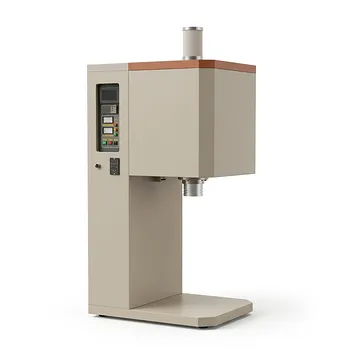
Vertical Openable Tube Furnace 0-1700c High Temperature Laboratory System for CVD and Vacuum Heat Treatment
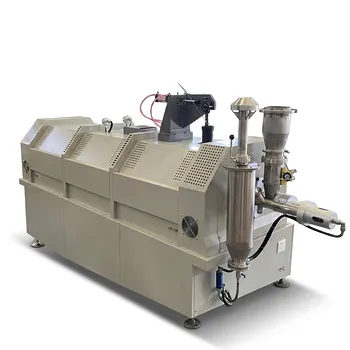
Electric Rotary Kiln Continuous Working Small Rotary Furnace Heating Pyrolysis Plant
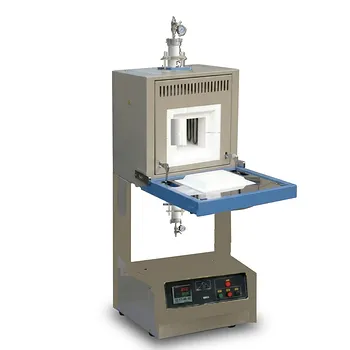
High Temperature Vertical Hybrid Furnace with Alumina Tube and SiC Heating for SOFC Coin Cell Testing and Atmosphere Processing
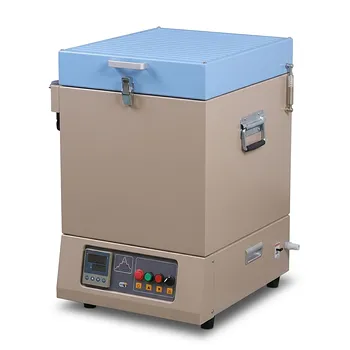
High Temperature Vertical Crucible Furnace with 22L Heating Chamber and 1200C Maximum Temperature
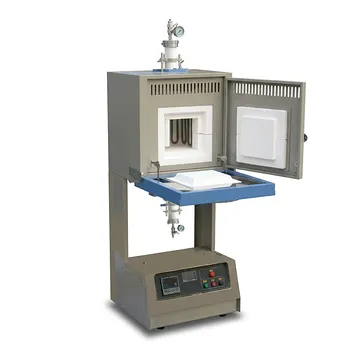
Vertical Hybrid High Temperature Furnace 1500C Alumina Tube SOFC Fuel Cell Testing Laboratory Heat Treatment Research Equipment
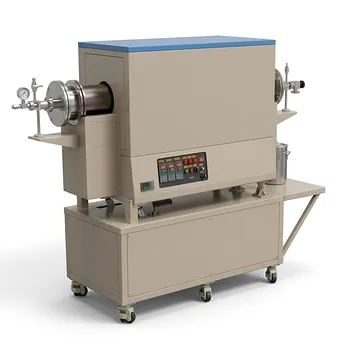
900°C Max Rotary Tube Furnace with 8 Inch 310S Alloy Tube and Optional Multi Zone Heating for Industrial Material Calcination
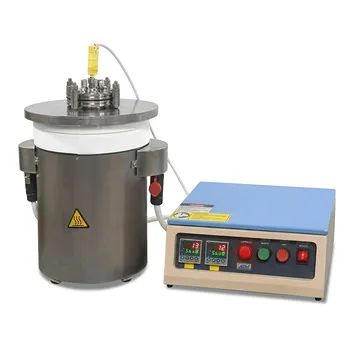
600°C Vertical Crucible Furnace with SS316 Alloy Reactor and 6 Port Vacuum Flange
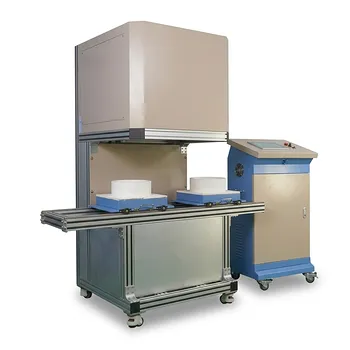
High Temperature Bottom Loading Vertical Furnace 1700C Dual Stage Sample Processing System 18L Large Capacity Thermal Treatment Equipment
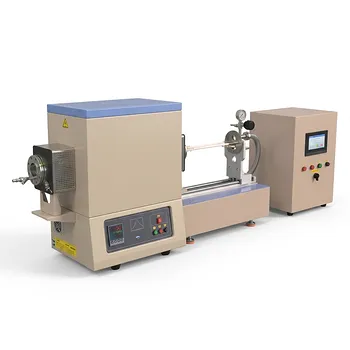
High Temperature Horizontal Electrical Assisted Sintering Furnace with 3KW Programmable Power Source for Advanced Ceramic Materials
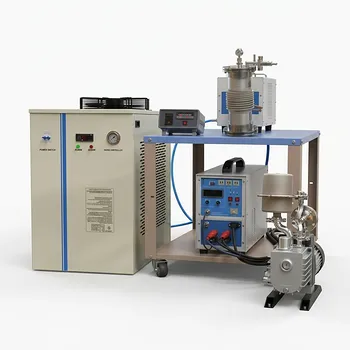
Induction Heating System with Temperature Control for High Temperature Vacuum Sintering and Melting
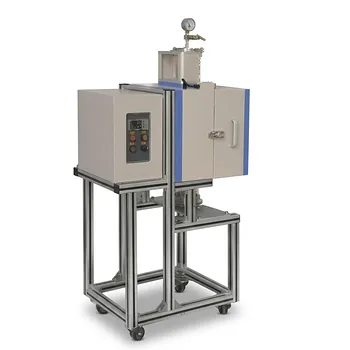
1200°C 5 Inch Vertical Quartz Tube Furnace with Stainless Steel Vacuum Flanges
1100°C Vertical Laboratory Furnace for DIY Tubular Reactors with PID Temperature Controller

Vertical 1700C Vacuum and Atmosphere Tube Furnace with 80mm Alumina Tube
1100°C Large Diameter Quartz Tube Furnace with 24 Inch Heating Zone and Water Cooled Flanges
Silicon Carbide SiC Thermal Heating Elements for Industrial Electric Furnaces
High Temperature Benchtop Muffle Furnace 1700C 10L Chamber Alumina Fiber Insulation MoSi2 Heating Elements
1200C Five Side Heating Muffle Furnace with Sliding Door 125L Volume High Temperature Heat Treatment System for Large Scale Sintering and Annealing
Five Side Heating Muffle Furnace High Purity Alumina Fiber 27L Chamber 1200C High Temperature Thermal Processing System for Sintering Annealing and Materials Research
Five Side Heating Muffle Furnace 1200C High Uniformity 64L Chamber 16x16x16 Inch Industrial Heat Treatment