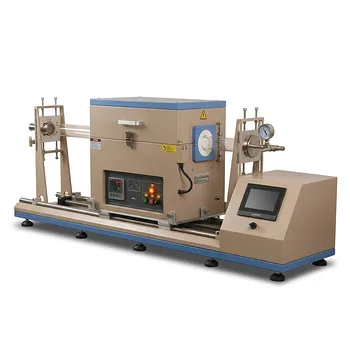
What role does high-temp pyrolysis in a tube furnace play in Cu–Fe–CN synthesis? Master Dual-Active Site Formation.
Updated 6 months ago
The high-temperature pyrolysis step is the critical transformation phase that converts raw organic-metal precursors into a functional, conductive catalyst. By maintaining a controlled thermal field (typically around 900 °C) within a tube furnace, this process induces the thermal decomposition of precursors like metal acetylacetonates and 2-methylimidazole, facilitating the reorganization of carbon and nitrogen atoms into a stable framework.
Core Takeaway: Pyrolysis in a tube furnace acts as the "chemical architect" for Cu–Fe–CN catalysts, simultaneously carbonizing the organic support and anchoring iron and copper atoms into nitrogen-coordinated sites (Fe–Nx and Cu–Nx) to create high-performance catalytic centers.
Facilitating Structural Reorganization and Doping
Carbonization of Organic Ligands
During pyrolysis, the tube furnace provides the thermal energy necessary to break the chemical bonds within organic ligands, such as 2-methylimidazole. These ligands are transformed into a porous, amorphous, or graphitic carbon substrate, which serves as the conductive backbone of the catalyst.
Nitrogen Doping of the Carbon Framework
As the organic precursors decompose, nitrogen atoms from the ligands are integrated directly into the emerging carbon lattice. This nitrogen doping is essential because it modifies the electronic structure of the carbon, making it more receptive to metal coordination and enhancing its overall catalytic potential.
Formation of Dual Active Sites
Coordination of Fe and Cu Atoms
The high-temperature environment promotes the migration of iron (Fe) and copper (Cu) atoms, allowing them to coordinate with the newly integrated nitrogen atoms. This results in the formation of Fe–Nx and Cu–Nx dual active sites, which are the primary drivers of superior oxygen reduction reaction (ORR) activity.
Ensuring Atomic Dispersion
A stable and uniform thermal field prevents the metal atoms from aggregating into large, inactive clusters or nanoparticles. The precise control offered by a tube furnace helps "anchor" these metals as highly dispersed or single-atom sites, maximizing the surface area available for chemical reactions.
The Role of the Furnace Environment
Atmosphere Control and Protection
Tube furnaces allow for the introduction of specific gases, such as nitrogen (N2), argon (Ar), or a hydrogen/argon mixture (H2/Ar). This oxygen-free environment is vital to prevent the oxidation of the carbon framework and the active metal sites, ensuring the catalyst remains chemically reduced and active.
Precision Temperature Ramping
The ability to program slow heating rates (e.g., 3 °C/min) is critical for controlled decomposition. Gradual ramping ensures that the organic-inorganic framework evolves steadily, preventing structural collapse and ensuring that active sites are perfectly encapsulated within the carbon layers.
Understanding the Trade-offs
Temperature Sensitivity
If the temperature is too low (e.g., below 600 °C), the precursors may not fully decompose, leading to poor electrical conductivity and fewer active sites. Conversely, excessively high temperatures (above 1,000 °C) can cause metal atoms to sinter into large particles or lead to the excessive loss of nitrogen, which destroys the Fe/Cu–Nx coordination.
Atmosphere Integrity
Any leak in the furnace's atmospheric sealing can introduce trace oxygen. This leads to the unintended oxidation of the metal sites into inactive oxides or the combustion of the carbon support, significantly reducing the catalyst's performance and durability.
How to Apply This to Your Project
Recommendations Based on Your Goal
- If your primary focus is maximizing ORR activity: Target a pyrolysis temperature around 900 °C to balance nitrogen retention with the formation of dual Fe–Nx and Cu–Nx active sites.
- If your primary focus is increasing electrical conductivity: Utilize higher temperatures (up to 1,000 °C) and longer dwell times to promote the growth of a more graphitic and ordered carbon framework.
- If your primary focus is achieving single-atom dispersion: Implement a very slow temperature ramp rate (2–3 °C/min) and ensure a high concentration of nitrogen-rich ligands to "trap" metal atoms during carbonization.
The high-temperature pyrolysis step is the definitive moment where the chemical identity of the Cu–Fe–CN catalyst is forged through the precise interplay of heat, time, and atmosphere.
Summary Table:
| Process Function | Description | Key Benefit |
|---|---|---|
| Carbonization | Decomposes organic ligands into carbon substrate | Provides a stable, conductive backbone |
| Nitrogen Doping | Integrates N atoms into the emerging lattice | Modifies electronic structure for coordination |
| Atomic Dispersion | Anchors Fe/Cu atoms into N-coordinated sites | Prevents metal sintering and maximizes surface area |
| Dual Site Formation | Creates Fe–Nx and Cu–Nx catalytic centers | Drives superior Oxygen Reduction Reaction (ORR) |
| Atmosphere Control | Maintains O2-free environment (N2/Ar/H2) | Prevents oxidation of active metal sites |
Elevate Your Material Research with THERMUNITS
Accelerate your material science breakthroughs with THERMUNITS, a premier manufacturer of high-temperature laboratory equipment for industrial R&D. Our precision Tube and Atmosphere furnaces are specifically engineered to provide the stable thermal fields and rigorous atmosphere control essential for synthesizing high-performance Cu–Fe–CN catalysts and single-atom sites.
Beyond catalyst development, we offer a comprehensive suite of thermal solutions, including:
- Muffle, Vacuum, and Rotary Furnaces
- Hot Press and Dental Furnaces
- CVD/PECVD Systems
- Vacuum Induction Melting (VIM) Furnaces
- Thermal Elements and Lab Heat Treatment Equipment
Ready to optimize your thermal processing? Contact our experts today to find the ideal heat treatment equipment tailored to your specific research goals and production requirements.
References
- Kun Liu, Xin Chen. Highly efficient Fe–Cu dual-site nanoparticles supported on black pearls 2000 (carbon black) as oxygen reduction reaction catalysts for Al–air batteries. DOI: 10.1039/d3ra07925b
Mentioned Products
- Vertical 1700C Vacuum and Atmosphere Tube Furnace with 80mm Alumina Tube
- Compact High Temperature 1600C Tube Furnace with 50mm Alumina Tube and Vacuum Flanges for Material Sintering
- 900°C Max Rotary Tube Furnace with 8 Inch 310S Alloy Tube and Optional Multi Zone Heating for Industrial Material Calcination
- Split Vertical Tube Furnace with 1200C Quartz Tube and Stainless Steel Vacuum Flanges for Rapid Thermal Processing
- High Temperature 1700C Tube Furnace with High Vacuum Turbomolecular Pump System and Multi Channel Mass Flow Controller Gas Mixer
People Also Ask
- How does a vertical tube furnace ensure stable experimental conditions during molten fluoride electrolysis testing? Precision Tips
- How does a vertical tube furnace facilitate thermoelectric alloy melting? Precision synthesis for material homogeneity.
- How is an industrial-grade vertical tube furnace utilized in smelting leaching residues? Enhance Metal Recovery Efficiency
- What is the function of a laboratory-grade vertical tube furnace in fast pyrolysis? Optimize Composite Research.
- Why is a thermocouple sensor indispensable for monitoring the vertical tube furnace during gallium oxide nanowire production? Optimize VLS Growth

Tech Team · ThermUnits
Last updated on Apr 14, 2026
Related Products
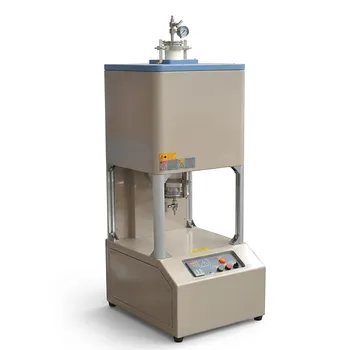
Vertical 1700C Vacuum and Atmosphere Tube Furnace with 80mm Alumina Tube
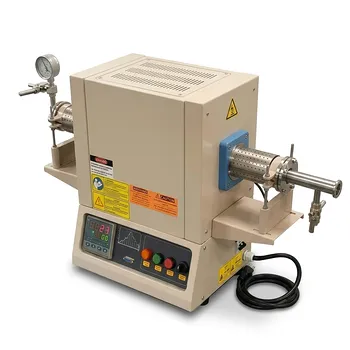
Compact High Temperature 1600C Tube Furnace with 50mm Alumina Tube and Vacuum Flanges for Material Sintering
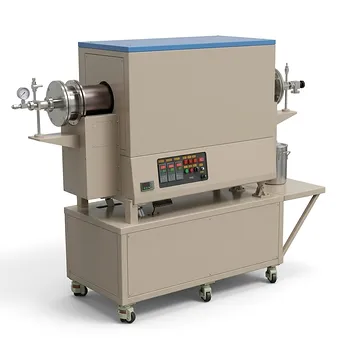
900°C Max Rotary Tube Furnace with 8 Inch 310S Alloy Tube and Optional Multi Zone Heating for Industrial Material Calcination
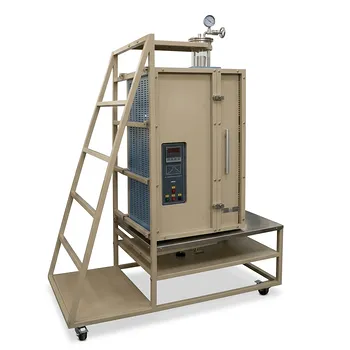
Split Vertical Tube Furnace with 1200C Quartz Tube and Stainless Steel Vacuum Flanges for Rapid Thermal Processing
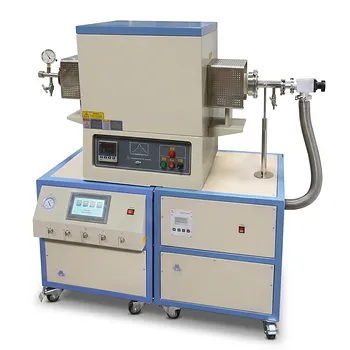
High Temperature 1700C Tube Furnace with High Vacuum Turbomolecular Pump System and Multi Channel Mass Flow Controller Gas Mixer
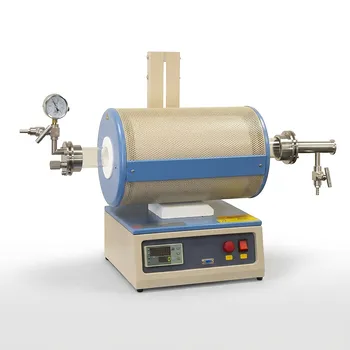
1100C Tube Furnace with Vacuum Flange and Programmable Temperature Controller for Material Science and Industrial Heat Treatment
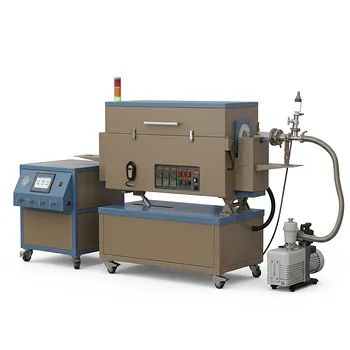
5 Inch Three Zone Rotary Tube Furnace with Integrated Gas Delivery System and 1200C Capability for Advanced Material CVD Processing
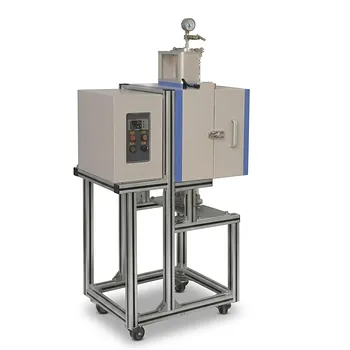
1200°C 5 Inch Vertical Quartz Tube Furnace with Stainless Steel Vacuum Flanges
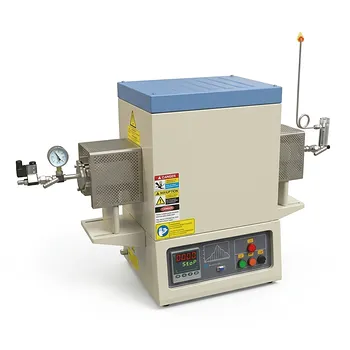
1700C Hydrogen Gas Tube Furnace with 60mm Alumina Process Tube and Integrated Hydrogen Safety Detector
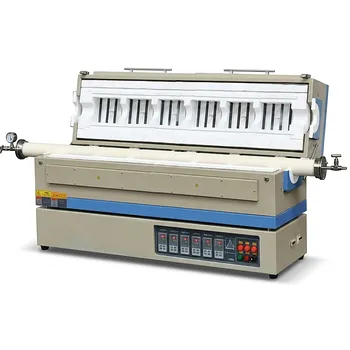
High Temperature 1700C Six Zone Split Tube Furnace with Alumina Tube and Water Cooled Flanges
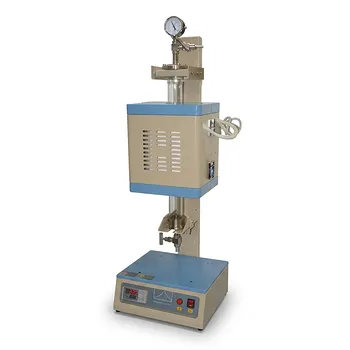
Compact Vertical Split Quartz Tube Furnace with Stainless Steel Vacuum Flanges for Rapid Thermal Quenching and Controlled Atmosphere Material Processing
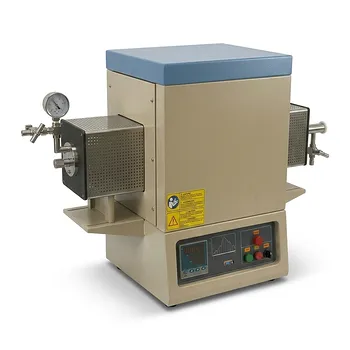
High Temperature 1700C Benchtop Tube Furnace with 5 Inch Heating Zone High Purity Alumina Tube and Vacuum Sealing Flanges
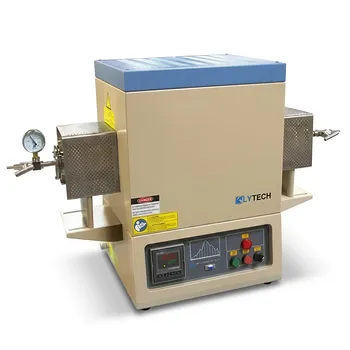
1800C High Temperature Compact Vacuum Tube Furnace with 60mm OD Alumina Tube and Kanthal MoSi2 Heating Elements
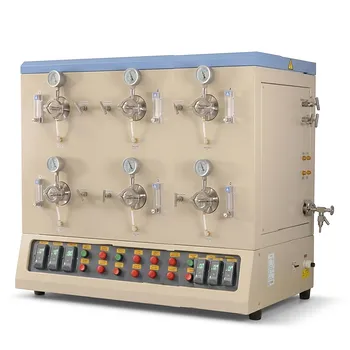
1200C High Throughput Multi Channel Tube Furnace with 50mm Quartz Tubes for Annealing and Material Phase Diagram Research
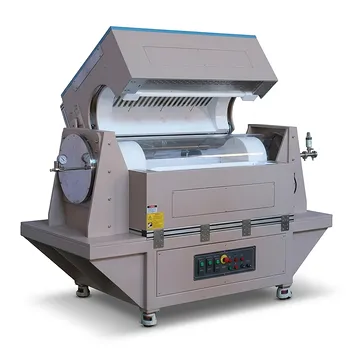
Three Zone Tube Furnace with 11 Inch or 15 Inch Quartz Tube and Hinged Flanges for Vacuum Atmosphere Heat Treatment
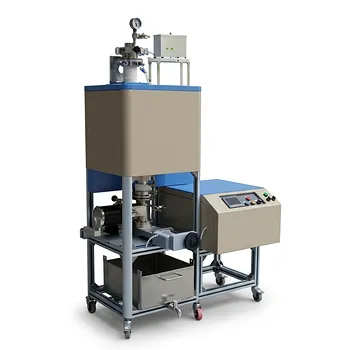
High Temperature 1700C Vertical Tube Furnace for Powder Spherification and Material Sintering
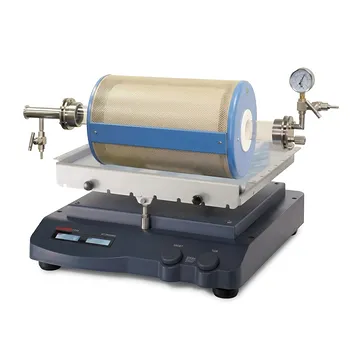
High Temperature Rocking Tube Furnace with Quartz Tube and Vacuum Flange for Materials Synthesis
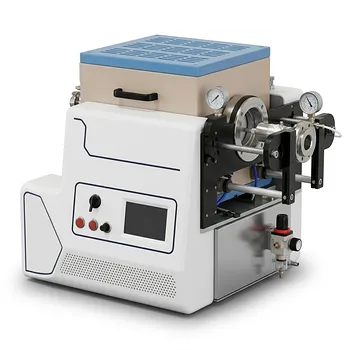
High Temperature Automated 5 Inch Tube Furnace for Autonomous Material Research and Advanced Laboratory R&D
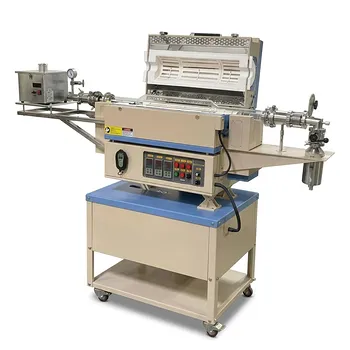
5 Inch Rotary Tube Furnace with Automatic Feeding and Receiving System 1200C Three Zone CVD Powder Processing