What roles does a tube furnace perform during the USP process for carbon synthesis? Key Functions and Optimization
Updated 3 months ago
In the context of Ultrasonic Spray Pyrolysis (USP), the tube furnace acts as the central thermal reactor that transforms liquid aerosol droplets into solid-state carbon structures. This equipment provides a precisely controlled high-temperature environment where precursors undergo a continuous sequence of physical and chemical changes, including solvent evaporation, solute precipitation, and carbonization. By maintaining a stable temperature field and specific atmospheric conditions, the furnace ensures the consistent production of carbon materials with defined morphologies and pore structures.
Core Takeaway: The tube furnace is the fundamental engine of the USP process, providing the thermal energy and atmospheric isolation required to convert precursor aerosols into functional carbon materials through rapid, sequential stages of dehydration, decomposition, and structural engineering.
Providing a Controlled Thermal Reaction Environment
High-Temperature Stability and Uniformity
The primary role of the tube furnace is to provide a stable temperature field through which the carrier gas transports aerosol droplets. This stability is critical because the rapid transition from liquid to solid requires consistent heat transfer to ensure each particle experiences the same thermal history.
Atmospheric Protection and Reactivity
The furnace chamber allows for the introduction of specific gas environments, such as inert argon or nitrogen, or reducing atmospheres like argon-hydrogen mixes. This control prevents unwanted oxidation and facilitates specific chemical reactions, such as the dehydrogenation of carbon precursors.
Facilitating Sequential Physical and Chemical Transitions
Rapid Solvent Evaporation and Solute Precipitation
As aerosol droplets enter the heated zone, the tube furnace triggers instantaneous solvent evaporation. This rapid loss of liquid causes the solute to precipitate, typically forming spherical intermediate particles that serve as the blueprint for the final carbon material.
Deep Thermal Decomposition and Carbonization
The high-temperature environment facilitates the cracking and decomposition of organic precursors, such as glucose or biomass derivatives. During this stage, volatiles are removed, and the remaining material is enriched in carbon, eventually forming a graphitized or microcrystalline framework.
Activation Etching and Pore Formation
The furnace enables simultaneous surface functionalization and pore development. By controlling the heating rate and the presence of activating agents, the furnace dictates the formation of hierarchical pore networks, which are essential for applications like adsorption and energy storage.
Controlling Material Morphology and Microstructure
Morphology Preservation and Spherical Integrity
The tube furnace influences the spherical morphology of the final product by managing the residence time of the particles in the heating zone. Proper temperature gradients ensure that the particles solidify quickly enough to maintain their shape without collapsing or fragmenting.
Precision Microstructure Engineering
By adjusting the furnace’s temperature curves, researchers can control the interlayer spacing and crystallinity of the carbon. This level of precision is vital for synthesizing materials like "soft carbon," where the internal structure must support specific functions like ion intercalation.
Understanding the Technical Trade-offs
Temperature vs. Residence Time
A higher furnace temperature can accelerate carbonization but may lead to excessive grain growth or the collapse of delicate pore structures if the residence time is too long. Conversely, insufficient temperature may result in incomplete decomposition and the presence of residual organic impurities.
Atmospheric Complexity vs. Material Purity
While using mixed atmospheres (like Ar/H2) can improve conductivity and crystallinity, it increases the complexity of the experimental setup. Failure to maintain atmospheric integrity within the tube can lead to the formation of unwanted oxides or structural defects in the carbon framework.
How to Apply This to Your Synthesis Goals
Success in USP carbon synthesis depends on aligning furnace parameters with your desired material properties.
- If your primary focus is High Porosity: Use the tube furnace to maintain a steady temperature (typically 600°C–800°C) in the presence of activating agents to maximize the etching of hierarchical pore networks.
- If your primary focus is Structural Crystallinity: Operate the furnace at higher temperatures (above 900°C) with slow heating rates to facilitate deep thermal decomposition and precise interlayer spacing.
- If your primary focus is Morphology Control: Optimize the furnace length and carrier gas flow rate to ensure the residence time allows for complete evaporation and solidification before the particles exit the heating zone.
By mastering the thermal and atmospheric variables of the tube furnace, you can precisely dictate the final physical and chemical characteristics of your synthesized carbon materials.
Summary Table:
| USP Process Stage | Tube Furnace Function | Impact on Carbon Material |
|---|---|---|
| Aerosol Entry | Rapid Solvent Evaporation | Triggers solute precipitation and initial particle shaping |
| Thermal Reaction | High-Temp Carbonization | Facilitates organic decomposition and graphitization |
| Structural Growth | Atmospheric Control | Prevents oxidation and enables hierarchical pore formation |
| Final Solidification | Residence Time Management | Preserves spherical integrity and defines crystallinity |
Elevate Your Material Research with THERMUNITS Precision Furnaces
Are you looking to master the complexities of Ultrasonic Spray Pyrolysis or advanced carbon synthesis? THERMUNITS is a leading manufacturer of high-temperature laboratory equipment specifically designed for material science and industrial R&D.
We offer a comprehensive range of thermal processing solutions tailored to your synthesis goals, including:
- High-Precision Tube & Rotary Furnaces for continuous material processing.
- Vacuum, Atmosphere, and Muffle Furnaces for diverse heat treatments.
- Advanced CVD/PECVD Systems and Vacuum Induction Melting (VIM) units.
- Specialized Equipment like Dental Furnaces and Hot Press systems.
Our equipment provides the thermal stability and atmospheric integrity essential for creating next-generation functional materials. Contact our technical team today to discuss how THERMUNITS can optimize your laboratory’s heat treatment efficiency.
References
- Xinyi Gong, Xuemei Wang. Wrinkled hierarchical porous carbon spheres with interconnected multi-cavity for ultrahigh capacitive deionization. DOI: 10.1038/s41545-024-00372-z
Mentioned Products
- High Temperature Dual Zone Rotating Tube Furnace 1500C Silicon Carbide Heating for Advanced Material Synthesis
- 1100C High Pressure Rocking Tube Furnace with 2 Inch Super Alloy Processing Tube for Material Synthesis
- 5 Inch Two Zone Rotary Tube Furnace 1100C for Powder CVD and Material Synthesis
- 1500C 3-Zone Rotary Tube Furnace 60mm with Automatic Powder Feeding and Receiving System for Continuous Material Synthesis
- Three Zone Quartz Tube Furnace with 3 Channel Gas Mixer Vacuum Pump and Anti Corrosive Vacuum Gauge
People Also Ask
- What is the function of CVD furnaces in graphene prep? Enhancing Photodetector Charge Transport
- Why use CVD and a tube furnace for Pd3P0.95/NC catalyst phosphidation? Ensure high phase purity and performance.
- CVD Tube Furnace Advantages for Pd-P Catalyst Durability: Precision Control for 40,000+ Cycles
- How does a rotary tube furnace improve the processing of granular materials? Enhance Uniformity and Reaction Kinetics
- How does a Chemical Vapor Deposition (CVD) tube furnace facilitate synchronized nitridation? Precision Nano-Engineering.

Tech Team · ThermUnits
Last updated on Jun 02, 2026
Related Products
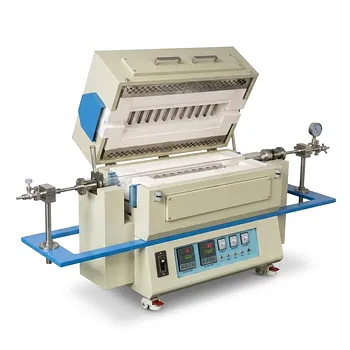
High Temperature Dual Zone Rotating Tube Furnace 1500C Silicon Carbide Heating for Advanced Material Synthesis
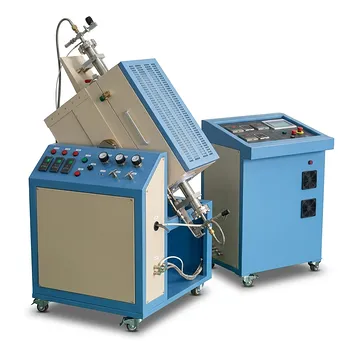
1100C High Pressure Rocking Tube Furnace with 2 Inch Super Alloy Processing Tube for Material Synthesis
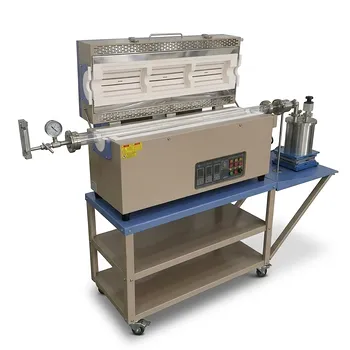
5 Inch Two Zone Rotary Tube Furnace 1100C for Powder CVD and Material Synthesis
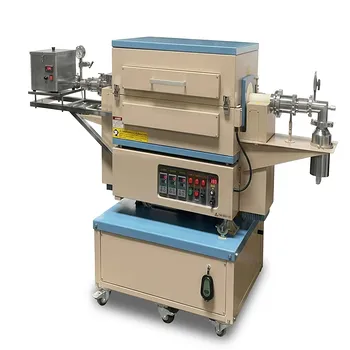
1500C 3-Zone Rotary Tube Furnace 60mm with Automatic Powder Feeding and Receiving System for Continuous Material Synthesis
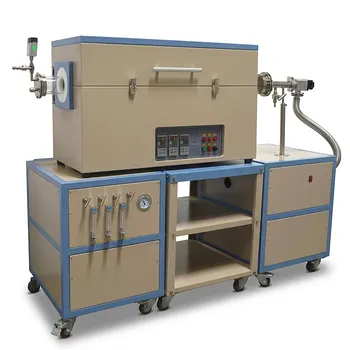
Three Zone Quartz Tube Furnace with 3 Channel Gas Mixer Vacuum Pump and Anti Corrosive Vacuum Gauge
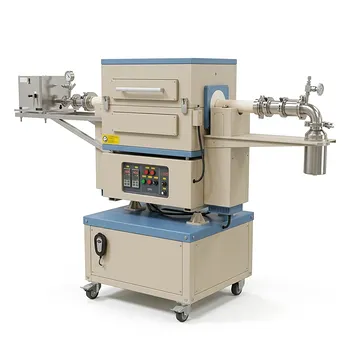
1500C Max Dual Zone Rotary Tube Furnace with 60 mm OD Alumina Tube for High Temperature Material Synthesis

High Temperature 1700C Vertical Tube Furnace for Powder Spherification and Material Sintering
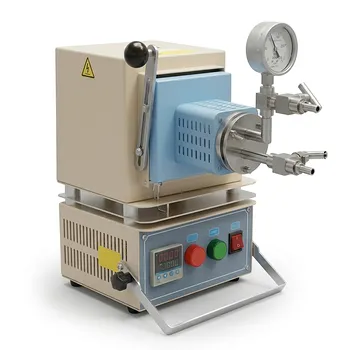
Compact Hybrid Muffle and Tube Furnace for 1000C Controlled Atmosphere Laboratory Material Sintering
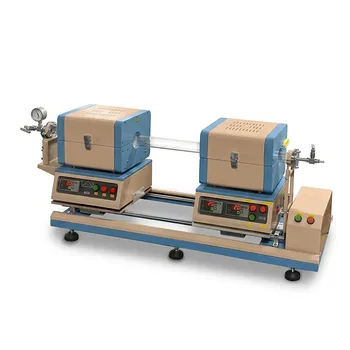
High Temperature 1200C Automatic Sliding Dual Zone Tube Furnace for 2D Transition Metal Dichalcogenides Growth and Material Sublimation Research
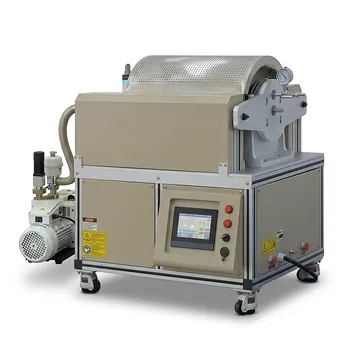
Automated 1200 C Tube Furnace for AI Material Research with 6 Inch OD and Sliding Flange

Compact High Temperature 1600C Tube Furnace with 50mm Alumina Tube and Vacuum Flanges for Material Sintering
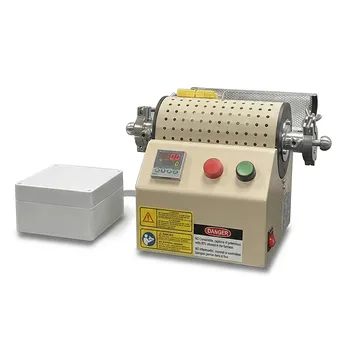
1000C Mini Tube Furnace with 20mm Quartz Tube and Vacuum Flanges for Material Science Research and Controlled Atmosphere Small Sample Processing

5 Inch Three Zone Rotary Tube Furnace with Integrated Gas Delivery System and 1200C Capability for Advanced Material CVD Processing
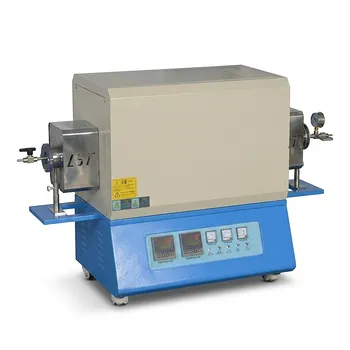
High Temperature Dual Zone Vacuum Tube Furnace for Material Research and CVD Processing
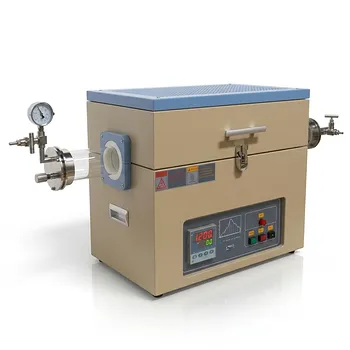
High Temperature 1200C Split Tube Furnace with Optional Quartz Tube Sizes and Vacuum Sealing Flanges for Material Science Research
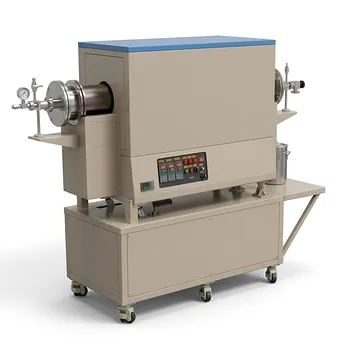
900°C Max Rotary Tube Furnace with 8 Inch 310S Alloy Tube and Optional Multi Zone Heating for Industrial Material Calcination

High Temperature Automated 5 Inch Tube Furnace for Autonomous Material Research and Advanced Laboratory R&D
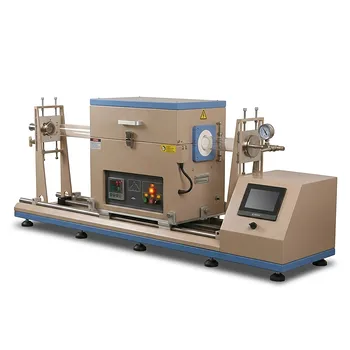
1200C Sliding Tube Furnace for Rapid Thermal Processing and CVD Graphene Growth with 100mm OD Capacity
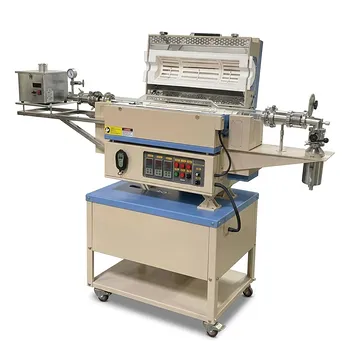
5 Inch Rotary Tube Furnace with Automatic Feeding and Receiving System 1200C Three Zone CVD Powder Processing
