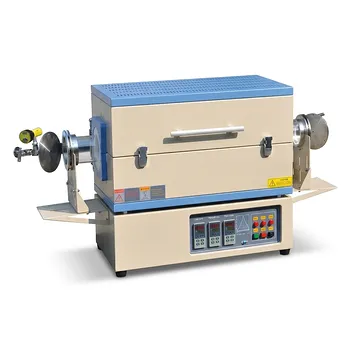
What technical advantages does a tube furnace offer for phosphate reduction? Maximize yield with hydrogen flow control.
Updated 3 months ago
The technical advantages of using a tube furnace for phosphate reduction center on its ability to maintain a dynamic, high-temperature environment with precise gas chemistry. Under extreme conditions (600°C–700°C), the integrated hydrogen flow control system allows for the removal of reaction by-products and the exact calibration of reducing gas mixtures. This precision significantly increases the yield of phosphites (P(III)) and enables the study of complex chemical cycles, such as prebiotic phosphorus transformations.
A tube furnace provides a controlled, dynamic reduction environment that far exceeds the capabilities of static systems. By combining precise thermal management with continuous gas flow, it optimizes the chemical kinetics required to maximize phosphite yields while preventing material degradation.
Optimizing Yield Through Dynamic Gas Kinetics
Continuous By-product Removal
Unlike static heating environments, a tube furnace with flow control creates a dynamic reduction atmosphere. As hydrogen reacts with the phosphate, the continuous flow of gas (such as a 5% H₂ / 95% N₂ mixture) physically sweeps away gaseous by-products.
This constant removal shifts the chemical equilibrium in favor of the reduction process. The result is a significantly higher yield of phosphites (P(III)), which is critical for researchers simulating thermal metamorphism.
Precise Atmospheric Composition
The hydrogen flow control system allows for the exact titration of reducing power. By adjusting the ratio of hydrogen to inert carrier gases like Nitrogen or Argon, operators can achieve specific valence distributions.
This level of control is essential for complex reactions where over-reduction must be avoided. It ensures that the environment remains consistently reductive but controlled, preventing the unwanted total decomposition of the phosphorus species.
Thermal Management and Structural Integrity
Isothermal Heating Zones
High-precision tube furnaces provide a stable thermal field across the length of the reaction tube. This uniformity ensures that all phosphate precursors are exposed to the exact same temperature profile, typically between 600°C and 700°C.
Consistent heating prevents localized "cold spots" that could lead to incomplete reduction. It also eliminates "hot spots" that might cause the sintering or agglomeration of particles, preserving the surface area of the resulting phosphites.
Controlled Heating and Cooling Rates
The ability to program the heating rate is vital for managing phase transitions. For example, during the pre-treatment of catalysts or precursors, a controlled ramp-up prevents the sudden release of volatiles that could disrupt the material's microstructure.
By managing the cooling phase, the furnace can also freeze specific high-temperature states into the final product. This is particularly useful for maintaining active phases, such as iron phosphide (FeP/Fe2P) or sub-nanometer metal clusters.
Enhancing Reaction Uniformity
Suppression of Turbulence
Advanced tube-in-tube designs are often used to stabilize gas flow dynamics. By minimizing turbulence, the furnace ensures that the hydrogen concentration remains uniform across the entire surface of the substrate.
This uniformity is critical for achieving consistent film quality and pixel consistency in large-area applications. It allows for a more predictable gas-solid phase reaction where the reducing agent penetrates the precursor evenly.
Prevention of Ambient Interference
The use of high-quality quartz or ceramic tubes, combined with vacuum-tight sealing, ensures a strictly controlled environment. This prevents ambient oxygen from entering the system and re-oxidizing the phosphites back into phosphates.
The integrity of the seal is what allows for the generation of oxygen vacancies and specific metallic states. Without this isolation, the precise reduction of sub-nanometer clusters would be impossible to maintain.
Understanding the Trade-offs
The Risk of Excessive Sintering
While high temperatures are necessary for reduction, they can lead to thermal growth and sintering. If the temperature is not managed with extreme precision, metal nanoparticles or carriers may agglomerate, reducing the catalytic activity of the resulting phosphite-based materials.
Gas Flow and Pressure Dynamics
High flow rates are excellent for by-product removal but can decrease the residence time of the reducing gas. Finding the balance between high vapor concentration and efficient by-product extraction is a common challenge that requires iterative calibration of the flow control system.
Material Limitations of the Tube
Quartz tubes offer excellent purity and sealing but have specific temperature and chemical limits. Exposure to certain aggressive phosphorus vapors at extreme temperatures can lead to tube etching or devitrification over long durations.
How to Apply This to Your Project
High-precision thermal processing is the key to mastering the phosphate-to-phosphite reduction process. To achieve the best results, your furnace configuration should match your specific research or production priorities.
- If your primary focus is maximizing P(III) yield: Prioritize a furnace with high-precision mass flow controllers to ensure a steady, dynamic flow that removes all reaction by-products.
- If your primary focus is material microstructure: Opt for a system with multi-zone heating and programmable temperature controllers to prevent sintering and agglomeration.
- If your primary focus is catalyst activation: Use a quartz tube with high-vacuum seals to maintain an ultra-pure environment, ensuring that sub-nanometer clusters and oxygen vacancies are accurately formed.
By leveraging the dynamic environment of a tube furnace, you can achieve a level of chemical precision and yield that is unattainable in static thermal systems.
Summary Table:
| Technical Feature | Advantage for Phosphate Reduction | Impact on Final Product |
|---|---|---|
| Dynamic Flow Control | Continuous removal of gaseous by-products | Significantly higher Phosphite (P(III)) yield |
| Precise Gas Titration | Exact H2/Inert gas ratio calibration | Prevention of over-reduction and decomposition |
| Isothermal Zones | Uniform heating across the reaction tube | Prevents sintering and particle agglomeration |
| Vacuum-Tight Sealing | Isolation from ambient oxygen/interference | Maintains oxygen vacancies and specific metallic states |
| Programmable Ramping | Controlled heating and cooling rates | Preservation of material microstructure and active phases |
Achieve Unmatched Precision in Material Synthesis with THERMUNITS
Successful phosphate-to-phosphite reduction requires more than just high temperatures—it demands a perfectly controlled, dynamic atmosphere. THERMUNITS is a leading manufacturer of high-temperature laboratory equipment designed specifically for the rigorous demands of material science and industrial R&D.
Our advanced thermal solutions, including Tube, Vacuum, Atmosphere, Rotary, and CVD/PECVD furnaces, are engineered to provide the exact gas chemistry and thermal stability your research requires. From sub-nanometer metal clusters to complex phosphorus transformations, we help you maintain structural integrity and maximize reaction yields.
Unlock the full potential of your laboratory heat treatment:
- Customizable Gas Systems: High-precision mass flow controllers for H2, Ar, and N2.
- Diverse Equipment Range: Muffle, Dental, Hot Press, and Vacuum Induction Melting (VIM) furnaces.
- Expert Technical Support: Solutions tailored to your specific chemical kinetics and precursors.
Contact our experts today to optimize your reduction process!
References
- Abu Saeed Baidya, Eva E. Stüeken. Moderate and high-temperature metamorphic conditions produced diverse phosphorous species for the origin of life. DOI: 10.1038/s43247-024-01657-4
Mentioned Products
- 1100C Hydrogen Gas Atmosphere Tube Furnace with 5 Inch Fused Quartz Tube and Integrated Safety Monitoring System
- 1100C Dual Zone Hydrogen Gas Tube Furnace with Quartz Tube and Integrated H2 Leak Detection System
- 1700C Hydrogen Gas Tube Furnace with 60mm Alumina Process Tube and Integrated Hydrogen Safety Detector
- Three Zone Hydrogen Gas Tube Furnace with 82mm Superalloy Tube and Dual Hydrogen Detectors 1200C High Temperature Material Processing System
- 1500C Compact Hydrogen Gas Tube Furnace with 2 Inch Alumina Tube and Hydrogen Detector
People Also Ask
- Why use a H2/Ar tube furnace for Pt/TiNxOy catalysts? Create SFLPs and Optimize CO2 Conversion Performance.
- Why is a hydrogen-reducing atmosphere tube furnace required for Eu2+ silicate? Essential for Precise Valence Control.
- Why use an atmosphere protection tube furnace for TiO2–TiN/S sulfur melt-diffusion? Protect Material Integrity
- What functions does an atmosphere-protected High-Temperature Tube Furnace serve for iridium? Precise Material Synthesis
- Why is an atmosphere-protected tube furnace typically selected for the homogenization treatment of Al0.25CoCrCuFeNi HEA?

Tech Team · ThermUnits
Last updated on Jun 03, 2026
Related Products
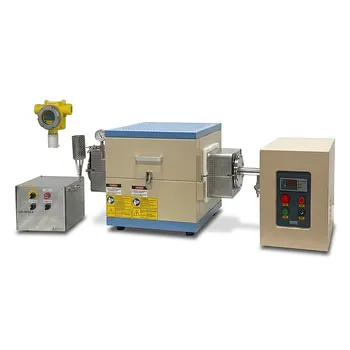
1100C Hydrogen Gas Atmosphere Tube Furnace with 5 Inch Fused Quartz Tube and Integrated Safety Monitoring System
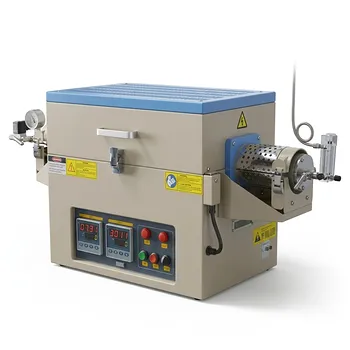
1100C Dual Zone Hydrogen Gas Tube Furnace with Quartz Tube and Integrated H2 Leak Detection System

1700C Hydrogen Gas Tube Furnace with 60mm Alumina Process Tube and Integrated Hydrogen Safety Detector
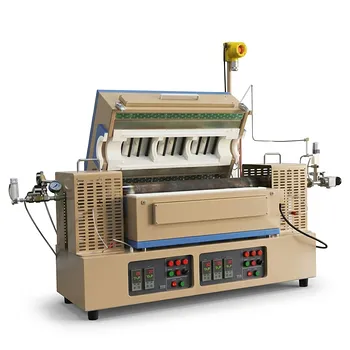
Three Zone Hydrogen Gas Tube Furnace with 82mm Superalloy Tube and Dual Hydrogen Detectors 1200C High Temperature Material Processing System
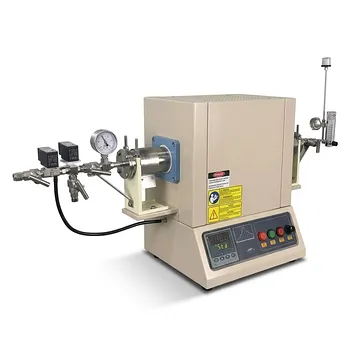
1500C Compact Hydrogen Gas Tube Furnace with 2 Inch Alumina Tube and Hydrogen Detector
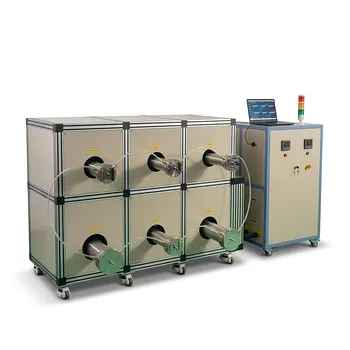
1200C Max 6 Channel High Cleanliness Hydrogen Furnace for High Throughput Annealing
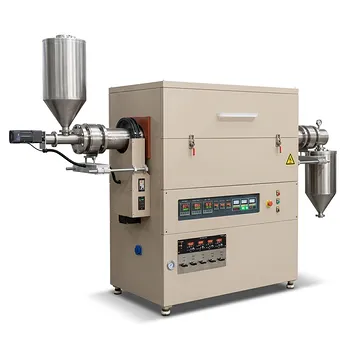
High Temperature Tilting Rotary Tube Furnace with Integrated Mass Flow Control and Multi Zone Heating
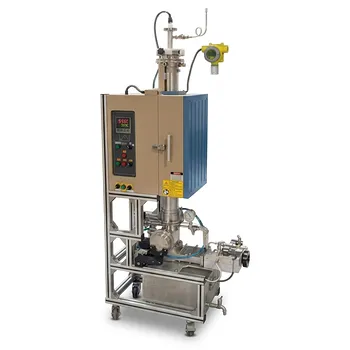
High Temperature 1000C Hydrogen Vertical Quenching Furnace with 4 Inch Stainless Steel Tube

Compact Vertical Split Quartz Tube Furnace with Stainless Steel Vacuum Flanges for Rapid Thermal Quenching and Controlled Atmosphere Material Processing
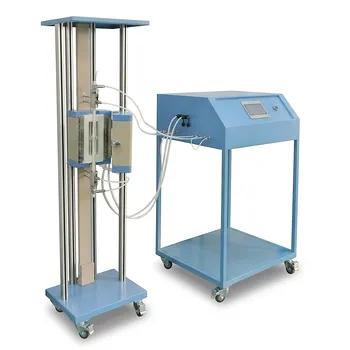
High Temperature Vertical Tube Furnace for Small Solid Oxide Fuel Cell Testing with Four Channel Gas Control
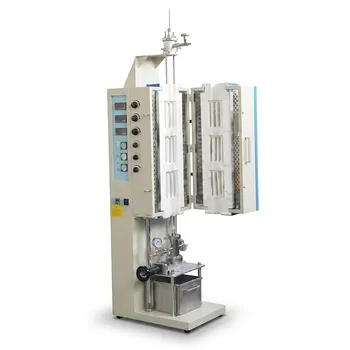
High Temperature Dual Zone Tube Furnace for Material Science Research and Professional Thermal Processing
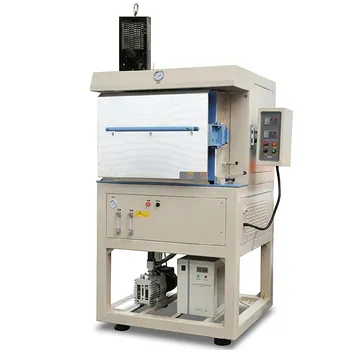
1200C Hydrogen Atmosphere Box Furnace with 5 Heated Sides and 64L Chamber
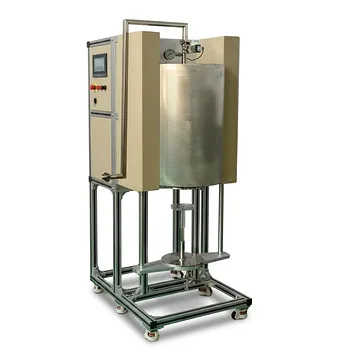
1200°C Atmosphere Controlled Automatic Bottom Loading Furnace with 6 Inch Quartz Tube
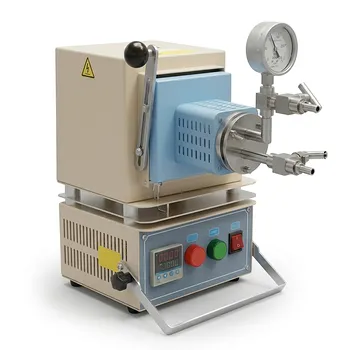
Compact Hybrid Muffle and Tube Furnace for 1000C Controlled Atmosphere Laboratory Material Sintering
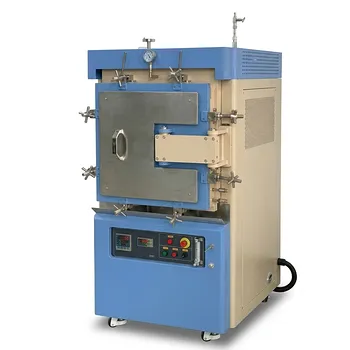
High Temperature Economic Hydrogen Gas Box Furnace 1600C Atmosphere Controlled Thermal Processing System 65L Capacity

High Temperature 1700C Six Zone Split Tube Furnace with Alumina Tube and Water Cooled Flanges
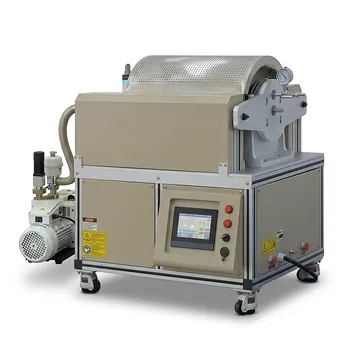
Automated 1200 C Tube Furnace for AI Material Research with 6 Inch OD and Sliding Flange
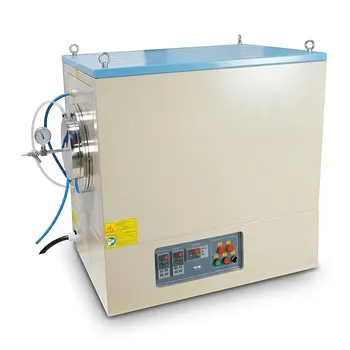
Dual Zone Tube Furnace 1100C with 11 Inch Quartz Tube and Vacuum Flanges for 8 Inch Wafer Processing

Vertical 1700C Vacuum and Atmosphere Tube Furnace with 80mm Alumina Tube