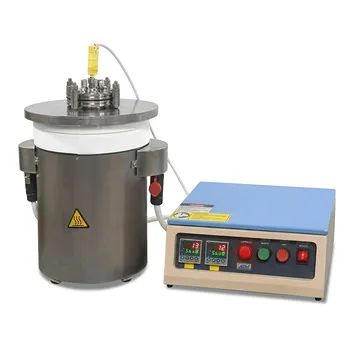
What technical conditions does a high-pressure hot press furnace provide for the diffusion bonding of SiC bicrystals?
Updated 3 months ago
High-pressure hot press furnaces facilitate Silicon Carbide (SiC) diffusion bonding by maintaining temperatures above 1000 °C and axial pressures of approximately 30 MPa for extended periods. These specific conditions provide the kinetic energy and physical contact required for atomic diffusion across the interface of two single crystals.
Core Takeaway: Successful SiC diffusion bonding relies on the simultaneous application of extreme thermal energy and mechanical pressure within a chemically inert environment to transform discrete crystals into a single bicrystal with stable grain boundaries.
The Role of Simultaneous Pressure and Temperature
Driving Atomic Diffusion
The primary function of the furnace is to provide a sustained thermal environment exceeding 1000 °C. This high temperature increases the mobility of atoms, allowing them to migrate across the contact interface.
Creating High-Integrity Interfaces
By applying an axial pressure of roughly 30 MPa, the furnace ensures intimate contact between the SiC wafers. This pressure, maintained for durations such as 20 hours, allows the wafers to bond firmly and simulate stable grain boundaries with specific orientation relationships.
Essential Material Interactions and Tooling
The Function of High-Purity Graphite Molds
High-purity graphite molds act as both carriers and pressure transmission components within the furnace. Their high mechanical strength at elevated temperatures allows for the uniform distribution of axial pressure across the brittle SiC surfaces.
Ensuring Thermal Uniformity and Stability
Graphite’s high thermal conductivity creates a uniform temperature field, which is critical for preventing wafer cracking caused by thermal stress. Additionally, graphite's chemical stability ensures it does not react with the SiC at the required bonding temperatures.
Environmental Control and Surface Integrity
Vacuum Conditions and Oxidation Prevention
A high-vacuum environment, often better than 1 × 10⁻³ Pa, is frequently employed to protect the material integrity. This vacuum prevents the oxidation of active elements and surface contaminants that would otherwise inhibit the formation of a clean bond.
Facilitating Surface Reaction Layers
In some variations of the process, vacuum conditions allow for the reduction of covalent bonds on the SiC surface. This promotes the formation of a reaction layer (such as Ti-Si-C if specific activators are present), which significantly improves the bonding quality and metallic wettability.
Understanding the Trade-offs
Process Time vs. Bond Quality
Achieving a high-quality diffusion bond is a time-intensive process, often requiring 20 hours or more of constant conditions. Attempting to shorten this duration by increasing temperature or pressure can lead to wafer cracking or undesired phase transformations.
Material Brittleness and Pressure Limits
While 30 MPa is effective for bonding, SiC is inherently brittle and sensitive to non-uniform loading. Any misalignment in the graphite mold or fluctuations in the furnace’s pressure control can result in the catastrophic failure of the bicrystal samples.
How to Apply This to Your Project
Identifying the right parameters depends on whether your goal is fundamental material research or industrial component fabrication.
- If your primary focus is Simulating Grain Boundaries: Maintain precise axial pressure and extended dwell times (20+ hours) to ensure atomic alignment and interface stability.
- If your primary focus is Preventing Material Failure: Prioritize high-purity graphite tooling and a slow thermal ramp-up to ensure a uniform temperature field and minimize internal thermal stress.
- If your primary focus is Surface Purity: Utilize a high-vacuum environment to eliminate oxygen and ensure the SiC surfaces remain chemically active for bonding.
By mastering the balance of extreme heat, mechanical force, and vacuum stability, you can effectively bridge the gap between individual crystals and high-performance bicrystal structures.
Summary Table:
| Parameter | Required Condition | Primary Function |
|---|---|---|
| Temperature | > 1000 °C | Increases atomic mobility for diffusion |
| Axial Pressure | ~ 30 MPa | Ensures intimate contact between surfaces |
| Atmosphere | Vacuum (< 1 × 10⁻³ Pa) | Prevents oxidation and surface contamination |
| Dwell Time | 20+ Hours | Allows stable grain boundary formation |
| Tooling | High-Purity Graphite | Uniform pressure distribution & thermal stability |
Elevate Your SiC Research with THERMUNITS Precision Technology
Achieving perfect atomic diffusion in Silicon Carbide requires absolute control over thermal and mechanical variables. THERMUNITS is a leading manufacturer specializing in high-performance thermal processing solutions for material science and industrial R&D.
Our advanced Hot Press Furnaces are specifically engineered to provide the stable high temperatures and precise axial pressure necessary for high-integrity SiC bicrystal bonding. Beyond hot pressing, we offer a comprehensive range of laboratory equipment, including:
- Muffle, Vacuum, and Atmosphere Furnaces
- Tube and Rotary Furnaces
- CVD/PECVD Systems
- Vacuum Induction Melting (VIM) & Dental Furnaces
Whether you are simulating grain boundaries or fabricating industrial components, THERMUNITS provides the reliability and thermal uniformity your project demands.
Ready to optimize your heat treatment process? Contact our expert engineering team today to discuss a customized solution for your laboratory.
References
- Jianqi Xi, Izabela Szlufarska. Coupling of radiation and grain boundary corrosion in SiC. DOI: 10.1038/s41529-024-00436-y
Mentioned Products
- High Temperature Vacuum Lamination Hot Press Furnace Machine for Semiconductor Wafer Bonding and Advanced Composite Thermal Processing
- High Pressure 600T Vacuum Induction Hot Press Furnace for Advanced Material Heat Treatment and Sintering
- High Temperature Ultrafast Heating Pressing Furnace 2900C Max 100kgf Rapid Thermal Processing System
- Industrial Vacuum Hot Press Furnace Machine and High Temperature Heated Vacuum Press for Advanced Material Sintering
- Industrial High Temperature Vacuum Hot Press Furnace and Heated Vacuum Press Machine for Material Science Sintering
People Also Ask
- What types of heating systems and insulation are used in Vacuum Hot Press Furnaces? Optimize Your Thermal Processing
- What is a Vacuum Hot Press Furnace and what are its primary industrial applications? Achieve Maximum Material Density
- What are the structural features of the furnace body and chamber in a Vacuum Hot Press Furnace? Master Material Density
- Why is graphite the preferred material for dies and heating elements in Vacuum Hot Press Furnaces? High-Temp Solutions
- What are the primary operational components and mechanisms of a vacuum hot press furnace? A Technical Breakdown

Tech Team · ThermUnits
Last updated on Jun 03, 2026
Related Products
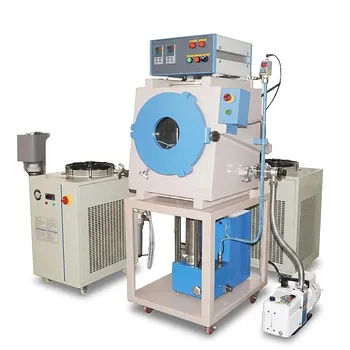
High Temperature Vacuum Lamination Hot Press Furnace Machine for Semiconductor Wafer Bonding and Advanced Composite Thermal Processing
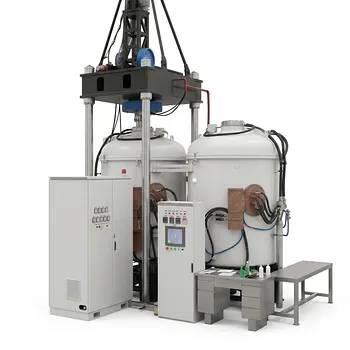
High Pressure 600T Vacuum Induction Hot Press Furnace for Advanced Material Heat Treatment and Sintering
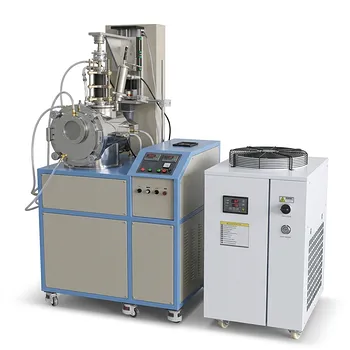
High Temperature Ultrafast Heating Pressing Furnace 2900C Max 100kgf Rapid Thermal Processing System
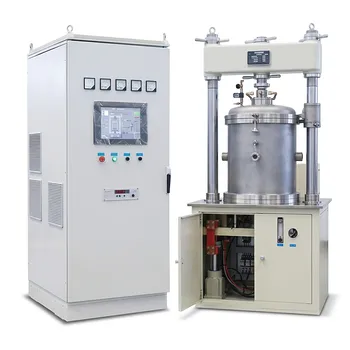
Industrial Vacuum Hot Press Furnace Machine and High Temperature Heated Vacuum Press for Advanced Material Sintering
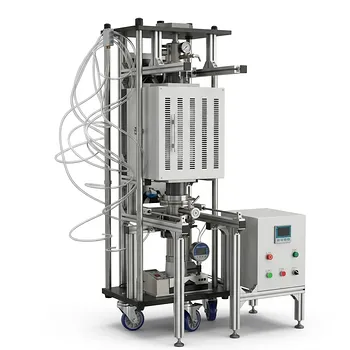
Industrial High Temperature Vacuum Hot Press Furnace and Heated Vacuum Press Machine for Material Science Sintering
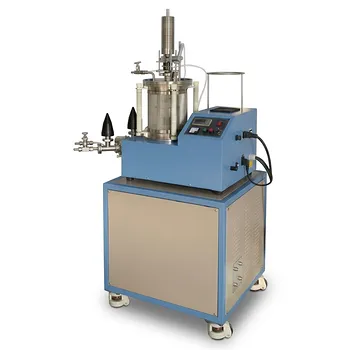
Ultrafast Thermal Pressing Furnace 2900C Max Temperature 200K per Second Heating Rate Vacuum Atmosphere Rapid Processing System
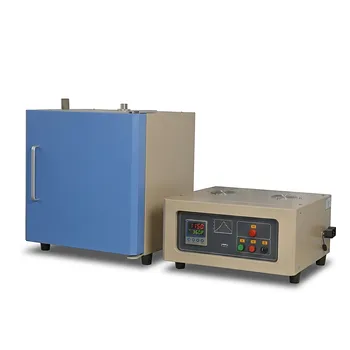
High Temperature Muffle Furnace with Alloy Chamber for Debinding and Sintering Applications
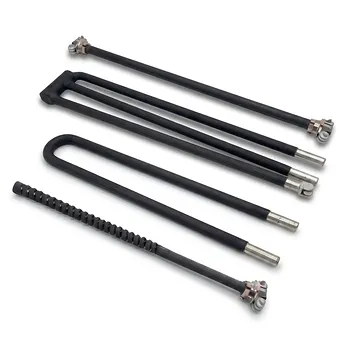
Silicon Carbide SiC Thermal Heating Elements for Industrial Electric Furnaces
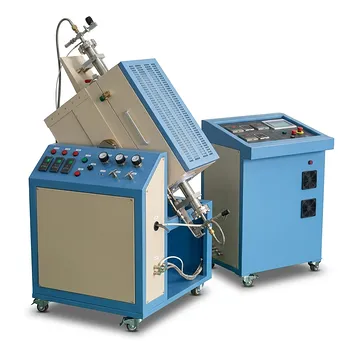
1100C High Pressure Rocking Tube Furnace with 2 Inch Super Alloy Processing Tube for Material Synthesis
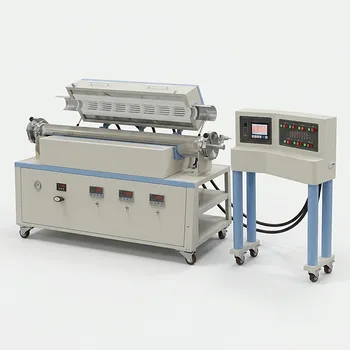
1100C Eight Zone High Pressure Super Alloy Tube Furnace with Integrated High Pressure Gas Control System
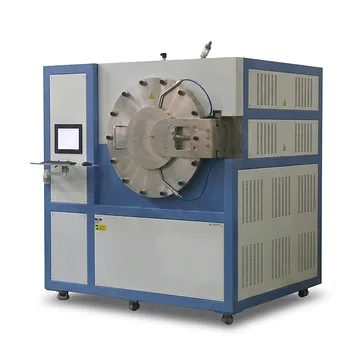
High Vacuum Pressure Chamber Furnace 800C 3.5 Bar Sintering System for Superconducting Materials

High Temperature 1700C Vertical Tube Furnace for Powder Spherification and Material Sintering
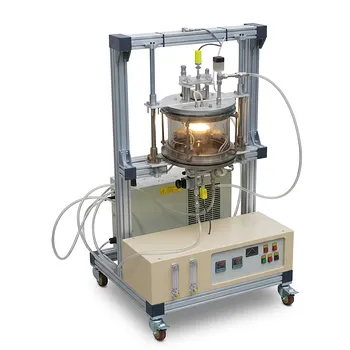
Two Zones CSS Furnace for Rapid Thermal Processing Thin Film Coating 3 Inch Diameter 650C
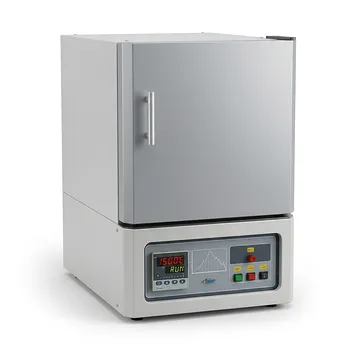
High Temperature 1500C Benchtop Muffle Furnace 3.6L Alumina Fiber Chamber Programmable Controller Sintering Annealing Carbonization Thermal Processing System
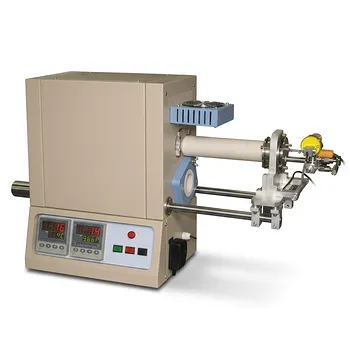
High Temperature Tube Furnace 1500C with Sliding Flanges and 50mm OD for Rapid Thermal Processing Fast Heating and Cooling
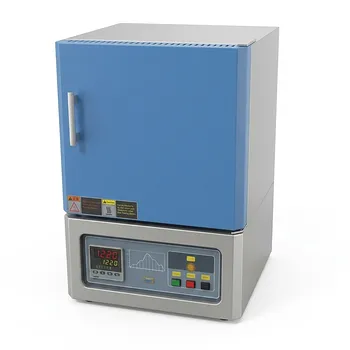
High Temperature Benchtop Muffle Furnace 1700C 10L Chamber Alumina Fiber Insulation MoSi2 Heating Elements
Large Bench Top 1700C High Temperature Muffle Furnace with 19L Chamber for Advanced Material Sintering and Annealing
2500C High Vacuum Ultrafast Heating Pellet Press with Automated 8 Sample Loading System
High Temperature Vertical Crucible Furnace with 22L Heating Chamber and 1200C Maximum Temperature