Which semiconductor materials are typically used for different operating temperature ranges in thermoelectric devices?
Updated 5 months ago
Selecting the correct thermoelectric semiconductor is determined by the material's peak "figure of merit" (ZT) within a specific temperature window. Near room temperature, Bismuth telluride ($Bi_2Te_3$) is the industry standard for cooling and power generation. Mid-range applications rely on Lead telluride ($PbTe$) or skutterudites, while Silicon-germanium ($SiGe$) alloys are the definitive choice for high-temperature environments exceeding 500°C.
The efficiency of a thermoelectric device is not universal across all temperatures; materials must be matched to their specific operating environment to ensure thermal stability and peak energy conversion.
Low-Temperature Applications (Near Room Temperature)
Bismuth Telluride ($Bi_2Te_3$) and its Alloys
Bismuth telluride is the most widely recognized material for applications operating between -100°C and 200°C. It is the primary semiconductor used in solid-state refrigeration and portable cooling devices.
By alloying it with Antimony or Selenium, engineers can create p-type and n-type branches. This allows the material to maintain high electrical conductivity while minimizing thermal conductivity.
Practical Use Cases
These materials are dominant in Peltier coolers, CPU heat sinks, and small-scale energy harvesting from human body heat. Their performance drops significantly once temperatures exceed 250°C.
Mid-Range Temperature Solutions
Lead Telluride ($PbTe$)
Lead telluride is a robust semiconductor utilized for temperatures ranging from 300°C to 600°C. It is highly effective for converting industrial waste heat into usable electricity.
While efficient, $PbTe$ requires careful encapsulation to prevent sublimation and oxidation at high temperatures. It remains a staple in automotive exhaust heat recovery research.
The Role of Skutterudites
Skutterudites are advanced materials with a unique "rattling" crystal structure that effectively blocks heat flow. They serve as a high-performance alternative to Lead telluride in the mid-range spectrum.
Their ability to be doped with various heavy atoms makes them highly tunable for specific industrial sensors. They offer a balance between mechanical strength and thermoelectric efficiency.
High-Temperature and Space Environments
Silicon-Germanium ($SiGe$) Alloys
When temperatures exceed 500°C, Silicon-germanium alloys become the primary choice. These materials are prized for their exceptional thermal stability and mechanical durability in extreme conditions.
Unlike lower-temperature materials, $SiGe$ can operate reliably up to 1000°C. This makes it the standard for high-heat environments where other semiconductors would melt or decompose.
Radioisotope Thermoelectric Generators (RTGs)
$SiGe$ is the core material used in NASA’s RTGs for deep-space missions. Because these missions last decades, the material’s resistance to structural degradation is more critical than its raw efficiency.
Understanding the Trade-offs
Toxicity and Environmental Impact
Many high-performance materials, particularly Lead telluride, contain toxic elements that complicate manufacturing and disposal. This often leads to higher regulatory hurdles and specialized handling requirements.
Material Scarcity and Cost
Tellurium is a rare metalloid, making Bismuth telluride devices susceptible to price volatility. In contrast, Silicon and Germanium are more abundant, though the processing costs for high-purity alloys remain high.
Thermal Expansion Mismatch
Operating across wide temperature gradients causes materials to expand and contract. If the semiconductor and the ceramic substrate do not have compatible expansion coefficients, the device will suffer from mechanical failure or cracking.
How to Apply This to Your Project
Matching the material to the heat source is the most critical step in thermoelectric system design.
- If your primary focus is consumer cooling or medical refrigeration: Use Bismuth telluride alloys to achieve the highest efficiency near ambient temperatures.
- If your primary focus is industrial waste heat recovery (300°C-500°C): Implement Lead telluride or Skutterudites to maximize power density from engine or furnace exhaust.
- If your primary focus is deep-space power or extreme heat (>600°C): Select Silicon-germanium for its unmatched longevity and stability in high-radiation or high-heat environments.
By aligning your material selection with the specific thermal profile of your environment, you ensure both the efficiency and the long-term reliability of your thermoelectric system.
Summary Table:
| Temperature Range | Primary Semiconductor Material | Common Applications |
|---|---|---|
| Low (-100°C to 200°C) | Bismuth Telluride ($Bi_2Te_3$) | Peltier coolers, CPU heat sinks, medical refrigeration |
| Mid (300°C to 600°C) | Lead Telluride ($PbTe$) & Skutterudites | Industrial waste heat recovery, automotive exhaust sensors |
| High (500°C to 1000°C) | Silicon-Germanium ($SiGe$) Alloys | NASA RTGs, deep-space missions, extreme heat environments |
Optimize Your Advanced Material Research with THERMUNITS
Developing high-performance thermoelectric materials requires precise thermal environments and stable processing. THERMUNITS is a leading manufacturer of high-temperature laboratory equipment specifically designed for material science and industrial R&D.
Whether you are sintering Bismuth telluride at low temperatures or processing Silicon-germanium alloys at 1000°C, our comprehensive range of thermal solutions—including Tube, Vacuum, Atmosphere, and Hot Press furnaces, as well as CVD/PECVD systems—provides the precision and reliability you need to achieve peak figure of merit (ZT) results.
Ready to elevate your lab's capabilities? Contact our technical team today to find the perfect thermal processing solution!
Mentioned Products
- Silicon Carbide SiC Thermal Heating Elements for Industrial Electric Furnaces
- Molybdenum Disilicide MoSi2 Thermal Elements Electric Furnace Heating Element High Temperature Resistance
- High Temperature Horizontal Electrical Assisted Sintering Furnace with 3KW Programmable Power Source for Advanced Ceramic Materials
- High Temperature Hydrogen Atmosphere Box Furnace 1650C Max Reducing Environment Material Synthesis System 8x8x8 Chamber
- High Temperature Benchtop Muffle Furnace 1700C 10L Chamber Alumina Fiber Insulation MoSi2 Heating Elements
People Also Ask
- Which materials are used for thermal elements in furnaces exceeding 1,500°C? Expert Guide to Extreme Heat Solutions
- How do electric thermal elements compare to combustion-based heating systems? Maximize Your Lab's Energy Efficiency
- What are the fundamental components and operating principles of electric thermal elements? A Comprehensive Guide
- What is the primary function of an industrial electric furnace in the initial stage of preparing reclaimed carbon black?
- Why is a Type C thermocouple selected for slag at 1773 K? Ensure Stability and Precision for High-Temp Analysis

Tech Team · ThermUnits
Last updated on Apr 14, 2026
Related Products
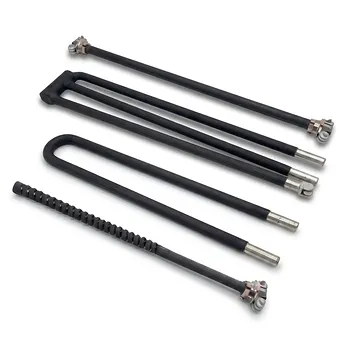
Silicon Carbide SiC Thermal Heating Elements for Industrial Electric Furnaces
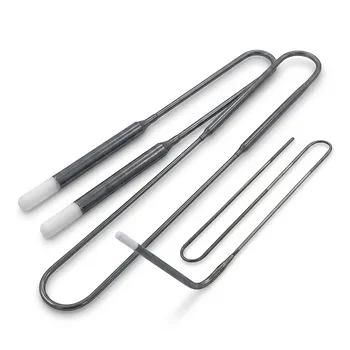
Molybdenum Disilicide MoSi2 Thermal Elements Electric Furnace Heating Element High Temperature Resistance
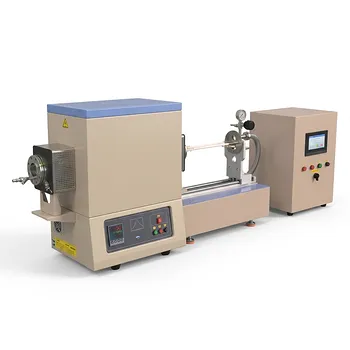
High Temperature Horizontal Electrical Assisted Sintering Furnace with 3KW Programmable Power Source for Advanced Ceramic Materials
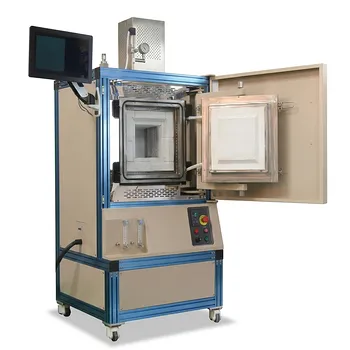
High Temperature Hydrogen Atmosphere Box Furnace 1650C Max Reducing Environment Material Synthesis System 8x8x8 Chamber
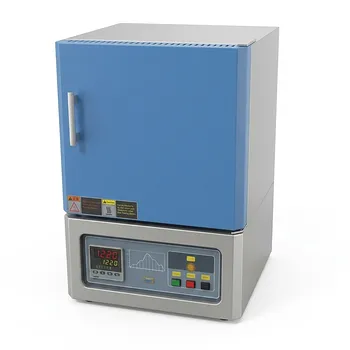
High Temperature Benchtop Muffle Furnace 1700C 10L Chamber Alumina Fiber Insulation MoSi2 Heating Elements
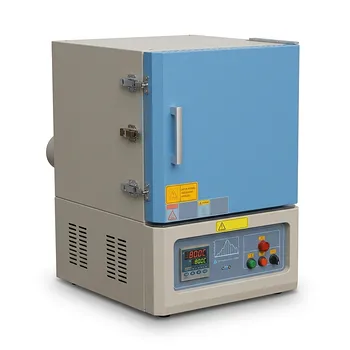
1800C Bench Top Muffle Furnace 18 Liters with Kanthal Super 1900 Heating Elements for High Purity Ceramic Sintering and Material Research
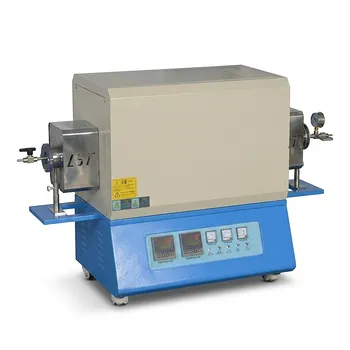
High Temperature Dual Zone Vacuum Tube Furnace for Material Research and CVD Processing
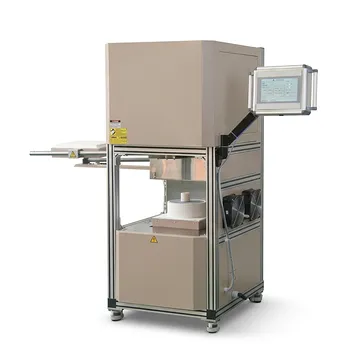
1600C High Temperature Automatic Bottom Loading Furnace for Thermal Shock Cycling and Material Fatigue Testing
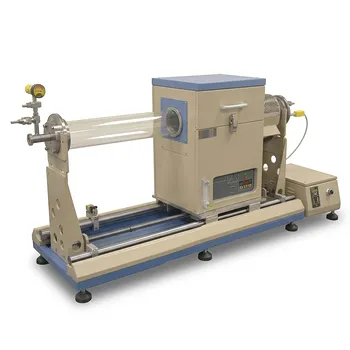
Rapid Thermal Processing Sliding Tube Furnace with 4 Inch OD Quartz Tube and 900C IR Heating
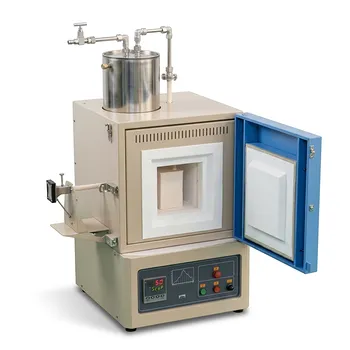
High Temperature Bench Top Muffle Furnace 1700C with Integrated Evaporating Particle Collection and 8x8x8 Alumina Fiber Chamber
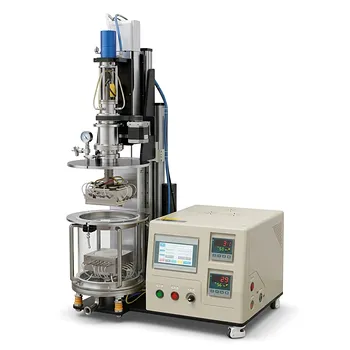
High Temperature 800C Rapid Thermal Processing Furnace with Rotating Sample Holder for Close Spaced Sublimation and Thin Film Solar Cell Research
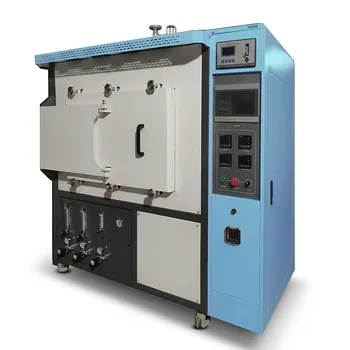
Roller Table Atmosphere Furnace 1500C High Temperature Battery Material Sintering System 112L Capacity
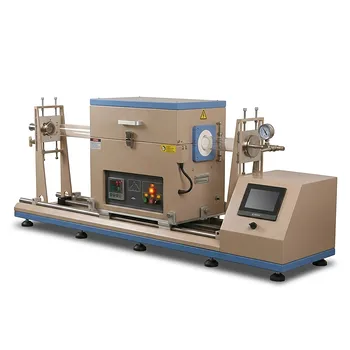
1200C Sliding Tube Furnace for Rapid Thermal Processing and CVD Graphene Growth with 100mm OD Capacity
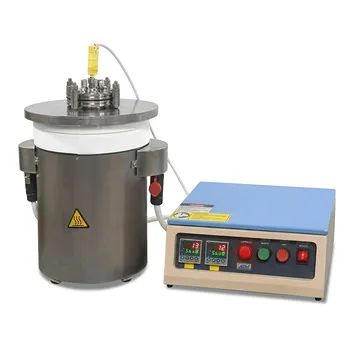
600°C Vertical Crucible Furnace with SS316 Alloy Reactor and 6 Port Vacuum Flange