Why are a tube furnace and nitrogen required for biochar pyrolysis? Master Carbonization with Precise Thermal Control
Updated 3 months ago
The production of high-quality biochar relies on the precise thermal decomposition of organic matter in the absence of oxygen. A tube furnace equipped with a quartz tube and a nitrogen atmosphere is required to prevent aerobic combustion, which would otherwise turn the biomass into ash. This specific configuration allows for the exact control of temperature, heating rates, and atmosphere necessary to maximize carbon yield and develop a stable, porous structure.
This specialized laboratory setup ensures that biomass undergoes carbonization rather than combustion. By isolating the material from oxygen and regulating heat with extreme precision, researchers can engineer the specific chemical and physical properties required for advanced biochar applications.
The Role of the Tube Furnace in Precise Thermal Control
Precision Heating and Dwell Times
A laboratory-grade tube furnace provides a strictly controlled environment where heating rates, such as 10 °C/min, can be maintained. This precision is vital because the heating rate and peak temperature (often between 600°C and 900°C) dictate the final carbon content and energy storage capacity.
Maintaining a Sealed Environment
The tube furnace acts as a sealed reactor that facilitates the introduction of shielding gases while preventing external air leaks. This airtight containment is essential for maintaining the anaerobic conditions required for true pyrolysis.
The Significance of the Quartz Tube as a Reaction Vessel
Superior Thermal Shock Resistance
High-purity quartz is used because it can withstand significant thermal shocks during the rapid heating and cooling cycles of pyrolysis. This durability ensures the reaction vessel does not crack or fail when subjected to temperatures exceeding 600°C.
Chemical Inertness and Heat Resistance
Quartz serves as a heat-resistant vessel that does not react with the biomass or the resulting biochar at high temperatures. This ensures that the chemical integrity of the carbon skeleton is preserved without contamination from the vessel itself.
The Necessity of a Nitrogen-Rich Inert Atmosphere
Prevention of Oxidative Combustion
Introducing high-purity nitrogen creates an inert protective atmosphere that effectively isolates the biomass from oxygen. Without this nitrogen flow, the biomass would undergo aerobic combustion at high temperatures, destroying the carbon yield and leaving only inorganic ash.
Development of Pore Structure
A stable, oxygen-free environment is critical for the complete development of the biochar pore structure. Nitrogen allows the material to degas and carbonize slowly, which results in a high specific surface area and optimized kinetic performance for later applications.
Maintenance of a Reducing Environment
Continuous nitrogen infusion maintains a reducing atmosphere throughout the heating and insulation stages. This controlled environment is necessary for regulating functional groups and, in some cases, converting iron salts into magnetic nanoparticles within the biochar.
Understanding the Trade-offs
Equipment Fragility and Cost
While quartz is highly resistant to thermal shock, it remains physically brittle and expensive compared to metallic alternatives. Improper handling or mechanical stress can lead to costly breakage of the primary reaction vessel.
Gas Purity Requirements
The effectiveness of the process is highly dependent on the purity of the nitrogen. Using lower-grade nitrogen with trace oxygen can lead to partial oxidation, which subtly degrades the pore structure and reduces the overall carbon yield of the final product.
How to Apply This to Your Project
Recommendations for Biochar Synthesis
Based on your specific research or production goals, consider the following technical priorities:
- If your primary focus is maximizing carbon yield: Ensure a constant, high-purity nitrogen flow from the pre-heating stage through the entire cooling phase to prevent any oxidative loss.
- If your primary focus is engineering high surface area: Use the tube furnace to strictly maintain slow heating rates and precise isothermal durations to allow the pore network to develop fully.
- If your primary focus is producing magnetic biochar: Utilize the controlled atmosphere to facilitate the reduction of iron salts into magnetic Fe3O4 nanoparticles during the carbonization process.
The combination of precise thermal regulation and a strictly inert atmosphere is the only way to transform raw biomass into a sophisticated, high-performance carbon material.
Summary Table:
| Component | Role in Pyrolysis | Main Advantage |
|---|---|---|
| Tube Furnace | Precision Thermal Control | Accurate heating rates (e.g., 10°C/min) for carbon yield |
| Quartz Tube | Inert Reaction Vessel | Superior thermal shock resistance & chemical purity |
| Nitrogen Gas | Inert Atmosphere | Prevents aerobic combustion & promotes pore development |
Elevate your material science R&D with THERMUNITS. As a premier manufacturer of high-temperature laboratory equipment, we offer a wide range of thermal solutions including Tube, Muffle, Vacuum, and Rotary furnaces, as well as CVD/PECVD systems, Dental Furnaces, and vacuum induction melting furnaces (VIM). Our advanced systems provide the airtight containment and precise atmospheric control needed for superior biochar synthesis, carbonization, and industrial R&D. Contact our experts today to find the perfect furnace for your laboratory!
References
- Xiao Zhang, Yu Wang. Study on improvement of copper sulfide acid soil properties and mechanism of metal ion fixation based on Fe-biochar composite. DOI: 10.1038/s41598-023-46913-3
Mentioned Products
- 1100°C High Temperature Quartz Chamber Furnace 8 Inch OD with 7.6 Liter Capacity and Vacuum Atmosphere Capability
- Three Zone Tube Furnace with 11 Inch or 15 Inch Quartz Tube and Hinged Flanges for Vacuum Atmosphere Heat Treatment
- Compact Vertical Split Quartz Tube Furnace with Stainless Steel Vacuum Flanges for Rapid Thermal Quenching and Controlled Atmosphere Material Processing
- 1100C Dual Zone Hydrogen Gas Tube Furnace with Quartz Tube and Integrated H2 Leak Detection System
- 1200°C 5 Inch Vertical Quartz Tube Furnace with Stainless Steel Vacuum Flanges
People Also Ask
- Why is a quartz tube furnace necessary for phosphorus-doped MoS2/GO preparation? Ensure Purity & Precise Synthesis
- Benefits of high-vacuum quartz tube furnaces with N2 for Co3O4 nanosheets: Purity and Structural Integrity.
- What conditions does a quartz tube furnace provide for AlxCoCrFeNi steam corrosion tests? Achieve Precise R&D Control.
- Why is high-temperature annealing in a quartz tube furnace done after HfO2 deposition? Unlock peak film performance.
- Why is a high-purity quartz tube used for SP-Fe3O4-C? Ensure Chemical Purity & Catalytic Stability

Tech Team · ThermUnits
Last updated on Jun 02, 2026
Related Products
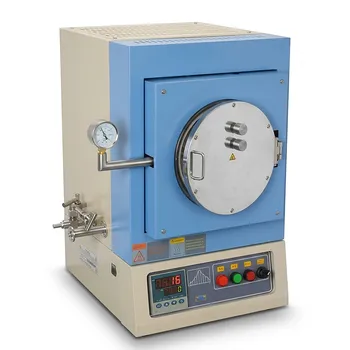
1100°C High Temperature Quartz Chamber Furnace 8 Inch OD with 7.6 Liter Capacity and Vacuum Atmosphere Capability
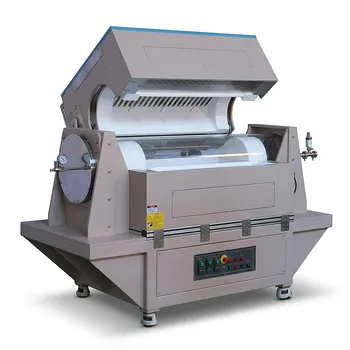
Three Zone Tube Furnace with 11 Inch or 15 Inch Quartz Tube and Hinged Flanges for Vacuum Atmosphere Heat Treatment

Compact Vertical Split Quartz Tube Furnace with Stainless Steel Vacuum Flanges for Rapid Thermal Quenching and Controlled Atmosphere Material Processing
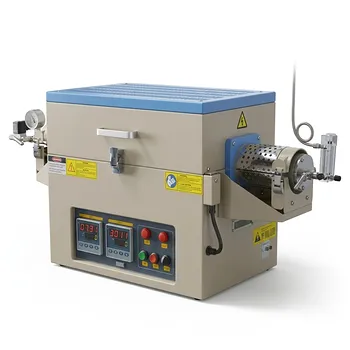
1100C Dual Zone Hydrogen Gas Tube Furnace with Quartz Tube and Integrated H2 Leak Detection System

1200°C 5 Inch Vertical Quartz Tube Furnace with Stainless Steel Vacuum Flanges
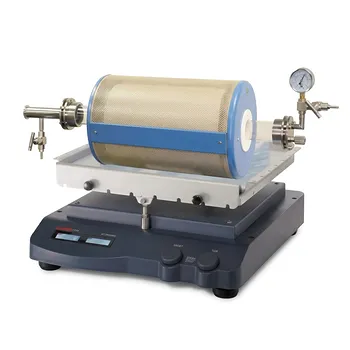
High Temperature Rocking Tube Furnace with Quartz Tube and Vacuum Flange for Materials Synthesis
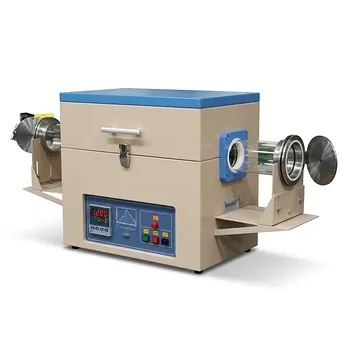
High Temperature 1200C Split Tube Furnace with Hinged Vacuum Flanges and 4 Inch Quartz Tube for Laboratory Research

High Temperature Automated 5 Inch Tube Furnace for Autonomous Material Research and Advanced Laboratory R&D
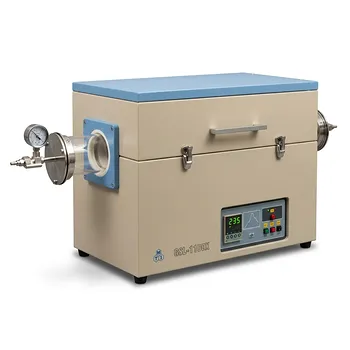
Single Zone Tube Furnace 5 Inch Quartz Tube 36 Inch Heating Zone Vacuum Flanges
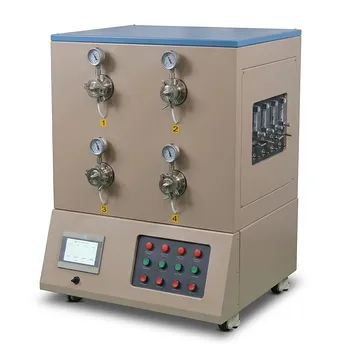
High Throughput 1200C Four Channel Tube Furnace with 3 Inch Quartz Tubes for Multi Zone Annealing and Material Research
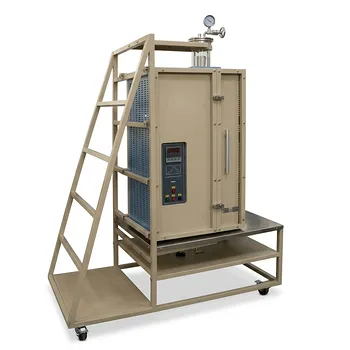
Split Vertical Tube Furnace with 1200C Quartz Tube and Stainless Steel Vacuum Flanges for Rapid Thermal Processing
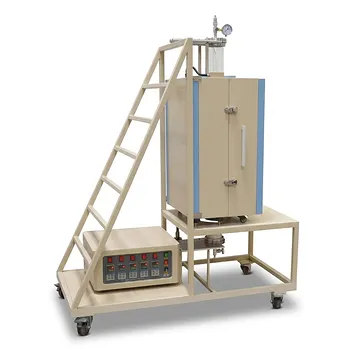
Five Zone Split Vertical Tube Furnace 1200C Max with 4 Inch Quartz Tube and Stainless Steel Vacuum Flanges
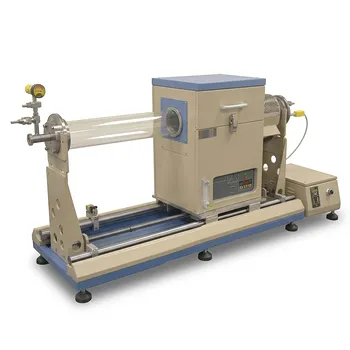
Rapid Thermal Processing Sliding Tube Furnace with 4 Inch OD Quartz Tube and 900C IR Heating

Vertical 1700C Vacuum and Atmosphere Tube Furnace with 80mm Alumina Tube
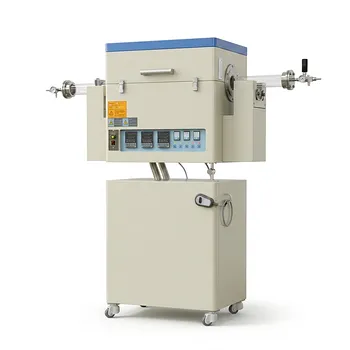
Three Temperature Zone Rotating Tube Furnace for Material Sintering and Controlled Atmospheric Heat Treatment
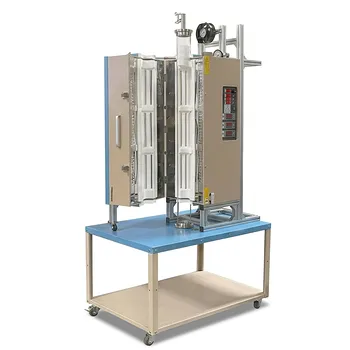
1200C Three Zone Split Vertical Tube Furnace 4 Inch Quartz Tube Stainless Steel Vacuum Flanges

High Temperature 1700C Vertical Tube Furnace for Powder Spherification and Material Sintering

1100C Tube Furnace with Vacuum Flange and Programmable Temperature Controller for Material Science and Industrial Heat Treatment
5 Inch Three Zone Rotary Tube Furnace with Integrated Gas Delivery System and 1200C Capability for Advanced Material CVD Processing
