Why are high-purity alumina crucibles selected as carriers for hot corrosion experiments conducted between 700°C and 900°C?
Updated 3 months ago
High-purity alumina crucibles are the preferred choice for hot corrosion experiments because they provide a chemically neutral environment that remains stable under extreme thermal and chemical stress. In the 700°C to 900°C range, these crucibles do not react with aggressive deposited salts, such as sulfates or chlorides, nor do they interact with the resulting corrosion products. This isolation ensures that the experimental data—including mass changes and chemical compositions—reflects only the interaction between the sample and the corrosive environment.
The core advantage of high-purity alumina is its absolute chemical inertness, which prevents the container from becoming an unintended variable in the study. By eliminating side reactions, researchers can achieve high-fidelity morphological observations and precise analytical results.
The Foundation of Chemical Inertness
Resistance to Aggressive Salts
At temperatures between 700°C and 900°C, salts like potassium chloride (KCl) and various sulfates become highly reactive. High-purity alumina (corundum) serves as a stable "bucket" that holds these salts without allowing them to leach into the container walls or react with the crucible material.
Isolation of Corrosion Products
When a metal sample undergoes hot corrosion, the resulting oxides and phases must remain pure for subsequent analysis. The alumina surface ensures that no elements from the crucible contaminate the corrosion products, allowing for accurate morphological observation and phase analysis.
Stability in Varied Atmospheres
These crucibles maintain their integrity even in reducing experimental atmospheres or high-temperature air. They do not exhibit significant mass fluctuations, which is critical for experiments that rely on measuring the precise oxidation mass gain of an alloy.
Ensuring Analytical Precision
Facilitating Composition Analysis
Because the crucible does not react with the sample or the salt, researchers can perform phase analysis (such as SFCA analysis) without interference. This ensures that the chemical signatures detected during post-test evaluations belong entirely to the sample's degradation process.
Structural Integrity and Gas Flow
The design of high-purity alumina crucibles often allows for optimal gas flow over the sample surface. This ensures that the experimental atmosphere remains consistent throughout the test duration while preventing cross-contamination between different experimental groups.
Prevention of Molten Metal Erosion
In specialized cases involving molten metals or highly corrosive slag, alumina's resistance to erosion is unmatched. It effectively holds the media at temperatures even exceeding 1350°C, ensuring the purity of the experimental environment remains intact.
Understanding the Trade-offs
Purity Levels Matter
The term "high-purity" is critical; lower-grade alumina may contain silica or other impurities that can react with alkaline salts. Using a lower-purity crucible can lead to the formation of silicates, which alters the chemistry of the salt and invalidates the corrosion rate data.
Thermal Shock Sensitivity
While alumina is chemically stable, it can be sensitive to rapid temperature fluctuations. Heating or cooling the crucibles too quickly can lead to structural cracking, potentially compromising the containment of molten salts during long-term tests.
Initial Cost vs. Data Reliability
High-purity alumina crucibles are more expensive than standard ceramic or metallic carriers. However, the cost of a failed experiment or inaccurate data far outweighs the initial investment in high-quality corundum carriers.
How to Apply This to Your Project
When selecting a carrier for high-temperature corrosion research, your choice should be dictated by the specific aggressive media and the required analytical precision.
- If your primary focus is precise mass gain measurement: Use high-purity alumina to ensure the crucible itself contributes zero weight change to the results.
- If your primary focus is molten salt chemistry (carbonates/sulfates): Alumina is essential to prevent the salt from reacting with the container and changing its corrosive potential.
- If your primary focus is phase analysis and morphology: Select high-purity corundum to avoid "inter-phase" contamination that could confuse SEM or XRD results.
Selecting high-purity alumina is the most effective way to isolate the variables of your experiment and ensure that your conclusions are based on the true behavior of the material under test.
Summary Table:
| Feature | Advantage in Hot Corrosion (700°C-900°C) | Impact on Experimental Data |
|---|---|---|
| Chemical Inertness | Does not react with aggressive sulfates or chlorides | Ensures zero side reactions & sample purity |
| Thermal Stability | Maintains integrity under high heat & varied atmospheres | Prevents mass fluctuations & weight errors |
| High Purity (Corundum) | Minimal silica or impurity content | Prevents contamination of corrosion products |
| Erosion Resistance | Resists molten salt and metal erosion | Extends crucible life & ensures isolation |
| Structural Design | Optimized for consistent gas flow over samples | Guarantees high-fidelity phase analysis |
Elevate Your Material Research with THERMUNITS
Precise high-temperature experiments demand reliable thermal solutions. THERMUNITS is a leading manufacturer of high-performance laboratory equipment designed for the rigors of material science and industrial R&D.
Whether you require Muffle, Vacuum, Atmosphere, or Tube furnaces, or advanced CVD/PECVD systems and Vacuum Induction Melting (VIM) furnaces, we provide the precision and durability your research deserves. Our comprehensive range—including Rotary, Hot Press, and Dental furnaces—is engineered to provide uniform heating and chemical isolation for the most demanding applications.
Ready to optimize your lab’s efficiency? Contact our experts today to find the perfect furnace or thermal element solution tailored to your specific research needs.
References
- Katharina Beck, Mathias C. Galetz. Hot corrosion behavior of Mo–9.0Si–8.0B. DOI: 10.1002/maco.202414347
Mentioned Products
- 600°C Vertical Crucible Furnace with SS316 Alloy Reactor and 6 Port Vacuum Flange
- 1100C High Temperature Vacuum Crucible Furnace with Quartz Chamber for Thermal Processing and Sintering
- Vertical Crucible Furnace 1000C High Temperature Laboratory Equipment 4.7 Inch Diameter Chamber SS316 Anti Corrosive Enclosure
- High Temperature Vertical Crucible Furnace with 22L Heating Chamber and 1200C Maximum Temperature
- 1100C Crucible Melting Furnace with Stirring Function for Glovebox and Air Sensitive Alloy Research
People Also Ask
- How does a high vacuum sintering furnace at 600 Celsius affect the microstructure of Al-TiC composites? Expert Analysis
- How should the choice between a Quartz crucible and an Alumina crucible be made for La2O2S? Optimize Material Purity
- Why use ceramic crucibles for coal nano-hybrid heat treatment? Ensure Purity and Thermal Stability.
- What role does a vacuum tube furnace play in palladium membrane treatment? Achieve 600°C Stability & Prevent Brittle Phases
- Why is a high-temperature furnace with precise temperature control necessary for Ag8SiS6 alloy synthesis? Ensure Safety.

Tech Team · ThermUnits
Last updated on Jun 02, 2026
Related Products
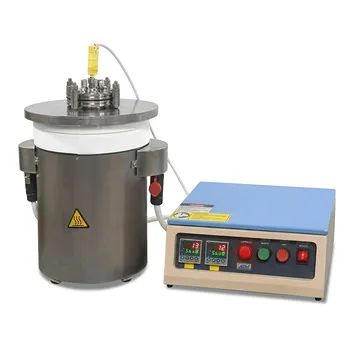
600°C Vertical Crucible Furnace with SS316 Alloy Reactor and 6 Port Vacuum Flange
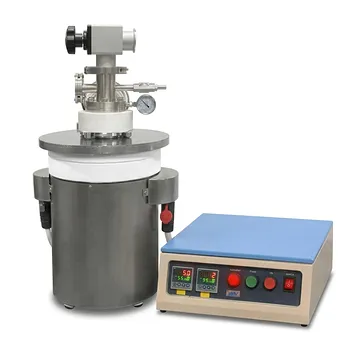
1100C High Temperature Vacuum Crucible Furnace with Quartz Chamber for Thermal Processing and Sintering
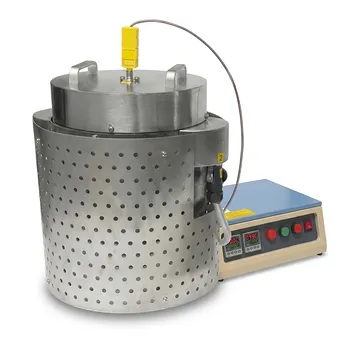
Vertical Crucible Furnace 1000C High Temperature Laboratory Equipment 4.7 Inch Diameter Chamber SS316 Anti Corrosive Enclosure
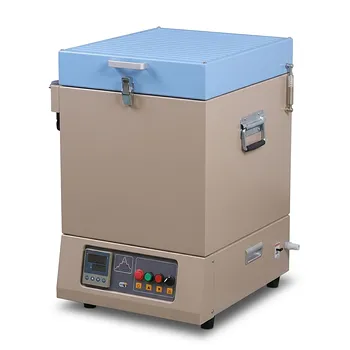
High Temperature Vertical Crucible Furnace with 22L Heating Chamber and 1200C Maximum Temperature
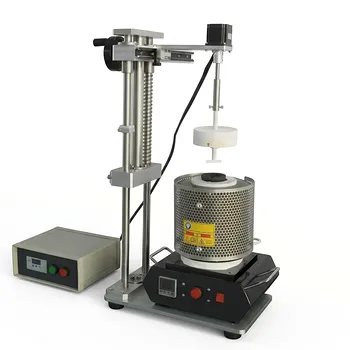
1100C Crucible Melting Furnace with Stirring Function for Glovebox and Air Sensitive Alloy Research
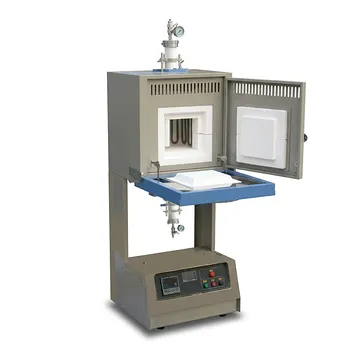
Vertical Hybrid High Temperature Furnace 1500C Alumina Tube SOFC Fuel Cell Testing Laboratory Heat Treatment Research Equipment
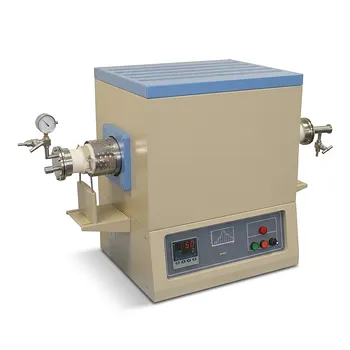
1700C High Temperature Alumina Tube Furnace with 18 Inch Heated Zone and Vacuum Sealing Flanges
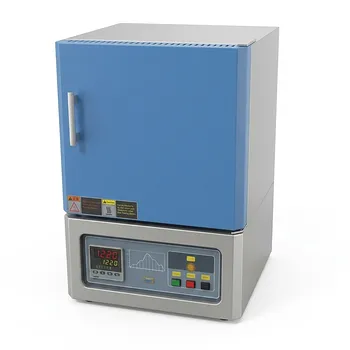
High Temperature Benchtop Muffle Furnace 1700C 10L Chamber Alumina Fiber Insulation MoSi2 Heating Elements
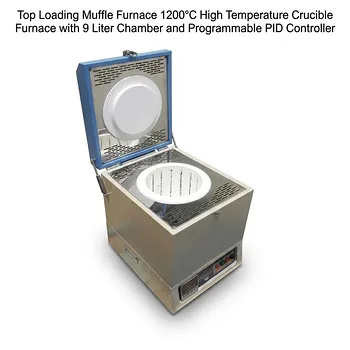
Top Loading Muffle Furnace 1200°C High Temperature Crucible Furnace with 9 Liter Chamber and Programmable PID Controller
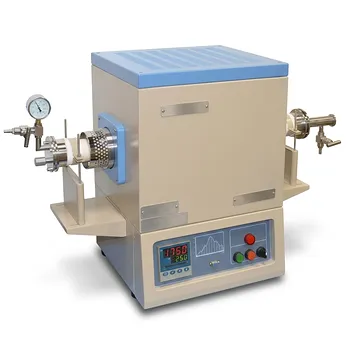
High Temperature Compact Vacuum Tube Furnace 1750C Max 60mm OD Alumina Tube

Compact High Temperature 1600C Tube Furnace with 50mm Alumina Tube and Vacuum Flanges for Material Sintering
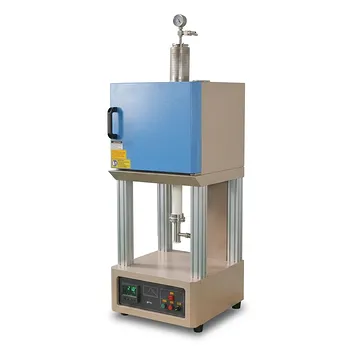
Hybrid High Temperature Tube and Box Furnace 1700C with 2 Inch Alumina Tube for Material Research

1800C High Temperature Compact Vacuum Tube Furnace with 60mm OD Alumina Tube and Kanthal MoSi2 Heating Elements
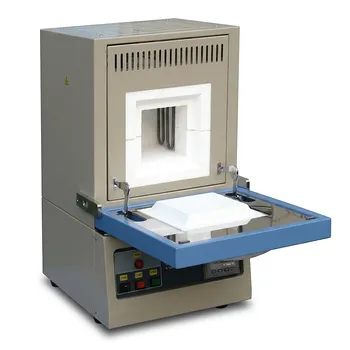
High Temperature 1800C Compact Muffle Furnace with Kanthal Super 1900 Heating Elements and 1.7L Alumina Chamber
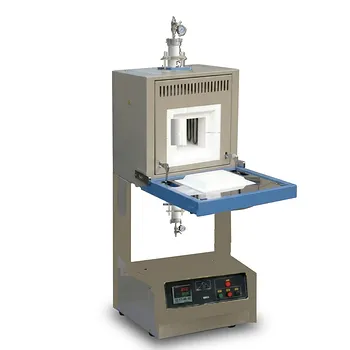
High Temperature Vertical Hybrid Furnace with Alumina Tube and SiC Heating for SOFC Coin Cell Testing and Atmosphere Processing

1750°C High Temperature Benchtop Vacuum Atmosphere Tube Furnace with Kanthal Super 1800 Heating Elements and 60mm Alumina Processing Tube
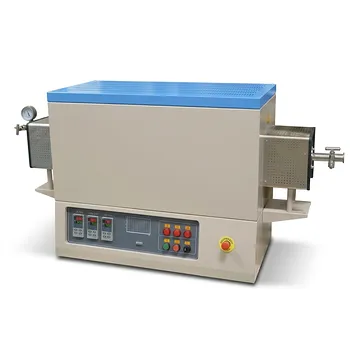
Three Zone Alumina Tube Furnace with Vacuum Flanges High Temperature 1700C Thermal Gradient CVD System
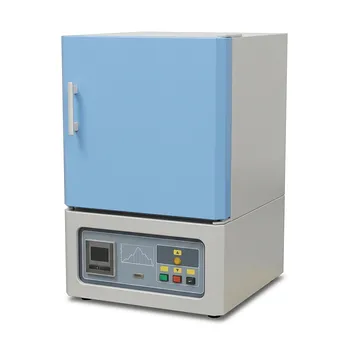
1800C Bench Top Muffle Furnace with Kanthal Super 1900 Heating Elements and 3.6L Alumina Fiber Chamber
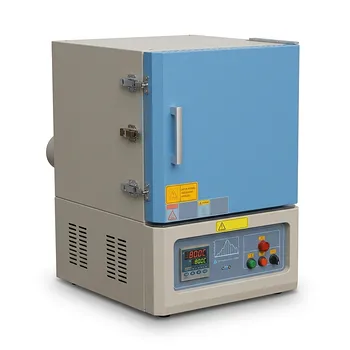
1800C Bench Top Muffle Furnace 18 Liters with Kanthal Super 1900 Heating Elements for High Purity Ceramic Sintering and Material Research