Why are high-purity alumina crucibles used as containers in the powder-pack cementation process for chromium doping? Expert Insights
Updated 3 months ago
High-purity alumina crucibles are the industry standard for chromium doping via powder-pack cementation due to their exceptional chemical inertness and structural integrity at extreme temperatures. These containers remain non-reactive at the 1050°C required for chromium diffusion, preventing the crucible material from contaminating the embedding powder. By acting as a stable physical barrier, they ensure that the resulting chromium-doped layer maintains its precise chemical composition and structural stability.
Core Takeaway: High-purity alumina crucibles provide a chemically inert and thermally stable micro-environment that is essential for the gas-phase transport of chromium. This prevents external contamination and ensures the purity of the diffusion layer during high-temperature processing.
Superior Material Stability at High Temperatures
Resistance to Thermal Degradation
Chromium diffusion is a prolonged process that typically occurs at temperatures reaching 1050°C. High-purity alumina (Al2O3) possesses a high melting point and exceptional thermal stability, allowing it to maintain its structural shape and strength without softening or failing during these extended heat cycles.
Chemical Inertness in Reactive Environments
The powder-pack cementation process involves a complex mixture of metallic chromium, halide activators, and fillers. Alumina is chosen because it does not react chemically with these aggressive precursors, ensuring that the crucible does not become a reactant itself or degrade in the presence of halides.
Maintaining the Integrity of the Diffusion Layer
Prevention of Impurity Ingress
The primary goal of using high-purity alumina is to prevent external impurities from entering the metal oxide lattice or the diffusion layer. Any reaction between the container and the powder would introduce unwanted elements, compromising the corrosion resistance and mechanical properties of the doped layer.
Creating a Controlled Micro-Environment
The crucible serves as a critical physical barrier between the reaction atmosphere and the external furnace environment. This creates a closed and controlled micro-environment, which is necessary for the gas-phase transport process to occur consistently and predictably.
Ensuring Phase Purity
By eliminating container-driven contamination, alumina crucibles allow for the accurate development of the chromium-doped layer. This ensures that the final component achieves the specific phase composition and chemical stability required for high-performance applications.
Understanding the Trade-offs
Thermal Shock Sensitivity
While alumina is highly resistant to heat, it can be sensitive to rapid temperature changes. If the crucible is cooled or heated too quickly, it may crack due to thermal shock, potentially compromising the sealed environment of the cementation process.
Cost vs. Performance
High-purity alumina is more expensive than lower-grade ceramics or metal alloys. However, the use of cheaper materials often leads to leaching of impurities (such as iron or silicon), which can invalidate the results of the chromium doping or lead to premature failure of the treated part.
How to Apply This to Your Project
When selecting a container for high-temperature diffusion or sintering processes, your choice must align with the sensitivity of your materials and the temperatures involved.
- If your primary focus is extreme purity (e.g., semiconductor or high-end metallurgy): Always opt for high-purity (99%+) alumina to eliminate the risk of trace element contamination.
- If your primary focus is process cost-efficiency at lower temperatures (below 900°C): You may evaluate lower-grade ceramics, provided they are tested for reactivity with your specific halide activators.
- If your primary focus is long-term durability under thermal cycling: Ensure your heating and cooling protocols are strictly controlled to prevent thermal shock fractures in the alumina structure.
The selection of high-purity alumina is a fundamental requirement for ensuring that the chemical and physical properties of chromium-doped layers are both precise and repeatable.
Summary Table:
| Key Feature | Benefit for Chromium Doping | Technical Reason |
|---|---|---|
| Chemical Inertness | Prevents impurity leaching | Al2O3 does not react with halide activators or chromium precursors. |
| Thermal Stability | Maintains shape at 1050°C+ | High melting point prevents softening during long diffusion cycles. |
| Physical Barrier | Creates controlled micro-environment | Isolates gas-phase transport from external furnace contaminants. |
| Phase Purity | Ensures precise layer composition | Eliminates iron or silicon contamination from the container material. |
Elevate Your Material Research with THERMUNITS
Precision in chromium doping and powder-pack cementation starts with the right thermal environment. As a leading manufacturer of high-temperature laboratory equipment, THERMUNITS provides state-of-the-art solutions for material science and industrial R&D. We offer a comprehensive range of thermal processing systems, including Muffle, Vacuum, Atmosphere, Tube, and Rotary furnaces, as well as CVD/PECVD systems, Hot Press furnaces, and Vacuum Induction Melting (VIM) furnaces.
Whether you are developing new alloys or high-performance semiconductors, our equipment ensures the chemical purity and structural integrity your projects demand. Contact our expert engineering team today to find the perfect thermal solution for your laboratory or industrial facility.
References
- Sarra DJEMMAH, H. Bouchafaa. Investigation of microstructural and electrochemical behavior of chromized-doped layers with variant magnesium concentrations. DOI: 10.1007/s12046-024-02573-1
Mentioned Products
- 600°C Vertical Crucible Furnace with SS316 Alloy Reactor and 6 Port Vacuum Flange
- 1100C High Temperature Vacuum Crucible Furnace with Quartz Chamber for Thermal Processing and Sintering
- Vertical Crucible Furnace 1000C High Temperature Laboratory Equipment 4.7 Inch Diameter Chamber SS316 Anti Corrosive Enclosure
- High Temperature Vertical Crucible Furnace with 22L Heating Chamber and 1200C Maximum Temperature
- 1100C Crucible Melting Furnace with Stirring Function for Glovebox and Air Sensitive Alloy Research
People Also Ask
- How does a high vacuum sintering furnace at 600 Celsius affect the microstructure of Al-TiC composites? Expert Analysis
- How should the choice between a Quartz crucible and an Alumina crucible be made for La2O2S? Optimize Material Purity
- Why use ceramic crucibles for coal nano-hybrid heat treatment? Ensure Purity and Thermal Stability.
- What role does a vacuum tube furnace play in palladium membrane treatment? Achieve 600°C Stability & Prevent Brittle Phases
- Why is a high-temperature furnace with precise temperature control necessary for Ag8SiS6 alloy synthesis? Ensure Safety.

Tech Team · ThermUnits
Last updated on Jun 02, 2026
Related Products
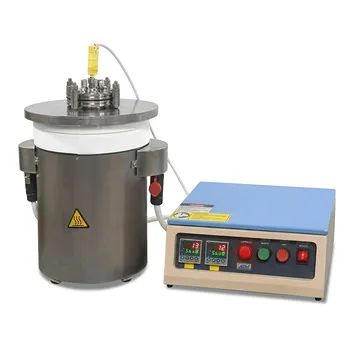
600°C Vertical Crucible Furnace with SS316 Alloy Reactor and 6 Port Vacuum Flange
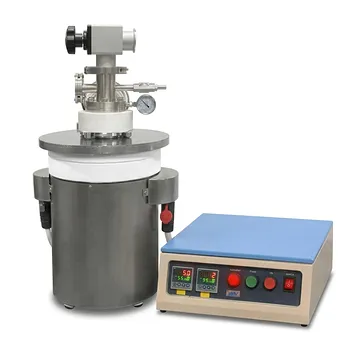
1100C High Temperature Vacuum Crucible Furnace with Quartz Chamber for Thermal Processing and Sintering
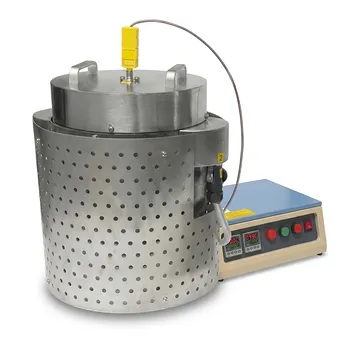
Vertical Crucible Furnace 1000C High Temperature Laboratory Equipment 4.7 Inch Diameter Chamber SS316 Anti Corrosive Enclosure
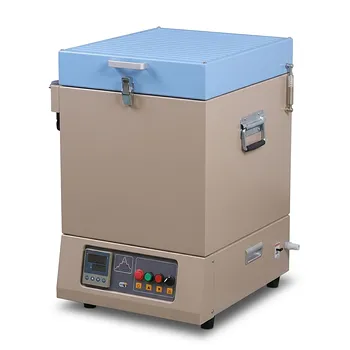
High Temperature Vertical Crucible Furnace with 22L Heating Chamber and 1200C Maximum Temperature
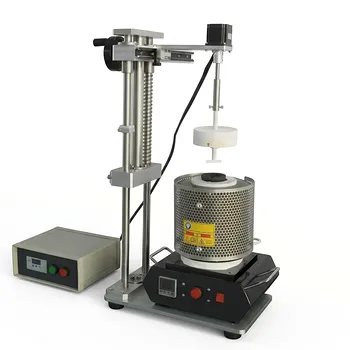
1100C Crucible Melting Furnace with Stirring Function for Glovebox and Air Sensitive Alloy Research
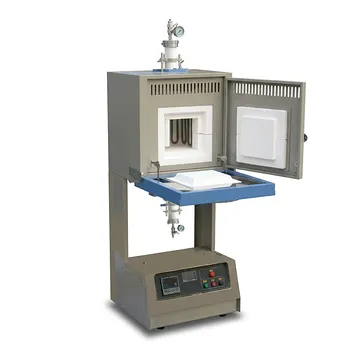
Vertical Hybrid High Temperature Furnace 1500C Alumina Tube SOFC Fuel Cell Testing Laboratory Heat Treatment Research Equipment

1700C High Temperature Alumina Tube Furnace with 18 Inch Heated Zone and Vacuum Sealing Flanges
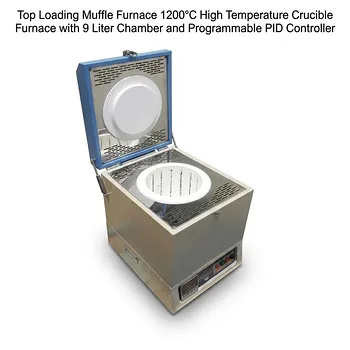
Top Loading Muffle Furnace 1200°C High Temperature Crucible Furnace with 9 Liter Chamber and Programmable PID Controller
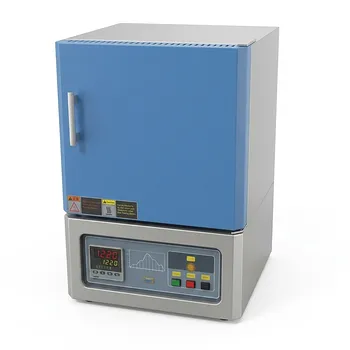
High Temperature Benchtop Muffle Furnace 1700C 10L Chamber Alumina Fiber Insulation MoSi2 Heating Elements
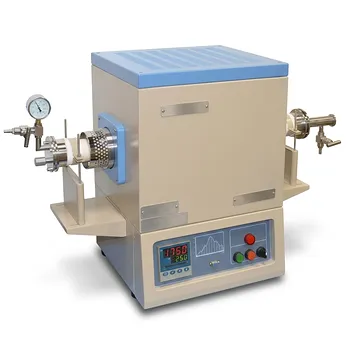
High Temperature Compact Vacuum Tube Furnace 1750C Max 60mm OD Alumina Tube

Compact High Temperature 1600C Tube Furnace with 50mm Alumina Tube and Vacuum Flanges for Material Sintering

1800C High Temperature Compact Vacuum Tube Furnace with 60mm OD Alumina Tube and Kanthal MoSi2 Heating Elements
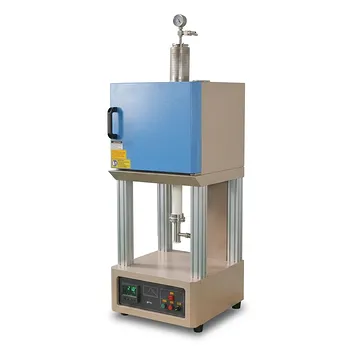
Hybrid High Temperature Tube and Box Furnace 1700C with 2 Inch Alumina Tube for Material Research
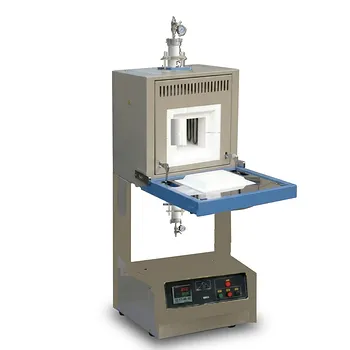
High Temperature Vertical Hybrid Furnace with Alumina Tube and SiC Heating for SOFC Coin Cell Testing and Atmosphere Processing
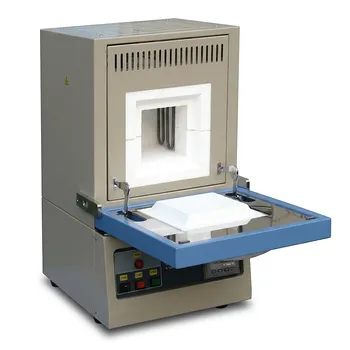
High Temperature 1800C Compact Muffle Furnace with Kanthal Super 1900 Heating Elements and 1.7L Alumina Chamber

1750°C High Temperature Benchtop Vacuum Atmosphere Tube Furnace with Kanthal Super 1800 Heating Elements and 60mm Alumina Processing Tube
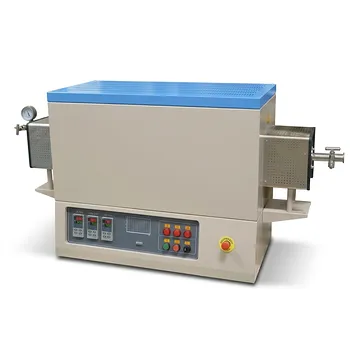
Three Zone Alumina Tube Furnace with Vacuum Flanges High Temperature 1700C Thermal Gradient CVD System
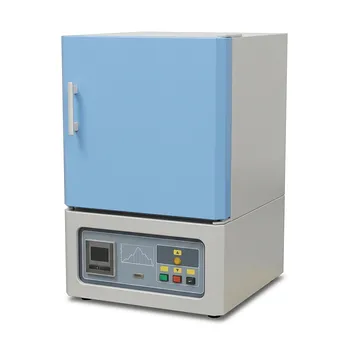
1800C Bench Top Muffle Furnace with Kanthal Super 1900 Heating Elements and 3.6L Alumina Fiber Chamber
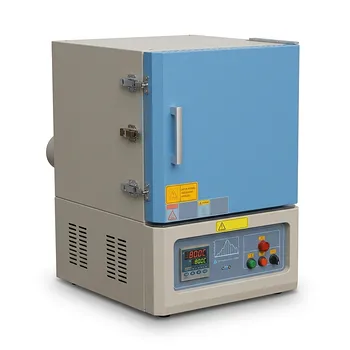
1800C Bench Top Muffle Furnace 18 Liters with Kanthal Super 1900 Heating Elements for High Purity Ceramic Sintering and Material Research