Why are high-purity alumina crucibles utilized for SnO2 nanowire growth? Ensuring chemical purity and stability.
Updated 6 months ago
High-purity alumina crucibles are the industry standard for $SnO_2$ nanowire growth because they offer a unique combination of extreme thermal stability and chemical inertness at 950 °C. These crucibles provide a "clean-room" environment at the micro-scale, preventing the migration of foreign elements into the $SnO_2$ lattice. This preservation of purity is essential for ensuring the nanowires maintain the precise electrical properties required for high-sensitivity gas detection.
Core Takeaway: Utilizing high-purity alumina ($Al_2O_3$) ensures that the growth environment remains chemically neutral, preventing crucible-derived contaminants from degrading the crystalline structure or gas-sensing performance of the resulting tin oxide nanowires.
Maintaining Material Integrity at Extreme Temperatures
Superior Thermal Stability and Stress Resistance
The vapor-phase growth of $SnO_2$ nanowires typically occurs at temperatures around 950 °C, a range that causes many materials to soften or degrade. High-purity alumina maintains its structural rigidity at these temperatures, successfully withstanding the extreme thermal stress of the synthesis process. This stability prevents the crucible from cracking during the rapid heating and cooling cycles necessary for consistent manufacturing.
Resistance to Atmospheric Fluctuations
At 950 °C, many container materials can exhibit mass fluctuations due to oxidation or evaporation in an air environment. Alumina remains stable and does not show significant mass changes, ensuring that the growth environment remains constant throughout the duration of the synthesis. This reliability allows researchers to focus on the growth kinetics of the $SnO_2$ without the variable of a degrading container.
Preventing Lattice Contamination
Blocking the Infiltration of Impurity Elements
High-purity alumina acts as a barrier that prevents external metallic or non-metallic impurities from leaching into the experimental system. If lower-grade materials were used, elements from the crucible could penetrate the nanowire lattice during the high-heat phase. By remaining chemically inert, alumina ensures that the $SnO_2$ nanowires achieve the high phase purity required for advanced research.
Preserving Electrical and Gas-Sensing Performance
The performance of $SnO_2$ as a gas sensor depends entirely on its crystalline integrity and the specific electronic state of its surface. Even trace amounts of impurities from a crucible can alter the bandgap or introduce unwanted active sites, leading to inconsistent electrical readings. Using alumina ensures that the synthesized nanowires provide a predictable and repeatable response to target gases.
Understanding the Trade-offs
Brittleness and Thermal Shock
While alumina is thermally stable, it is a ceramic and inherently brittle. If heated or cooled too unevenly, it can succumb to thermal shock, leading to catastrophic failure of the crucible. Users must manage ramp rates carefully to balance the need for speed with the material's physical limitations.
Cost vs. Purity Requirements
High-purity alumina (typically 99% or higher) is significantly more expensive than standard industrial-grade alumina or quartz. While quartz is an alternative for some lower-temperature applications, it lacks the same level of chemical resistance against aggressive metal vapors and oxides at 950 °C. The higher cost of alumina is a necessary investment for applications where the final material's electrical signature is critical.
How to Apply This to Your Project
Recommendations for Material Selection
- If your primary focus is gas-sensing sensitivity: Always prioritize 99.9% high-purity alumina to prevent "doping" the nanowires with impurities that shift the electronic baseline.
- If your primary focus is high-volume, lower-temp synthesis: Consider quartz crucibles if temperatures remain below 1000 °C and the reactants are not aggressive, as this can reduce operational costs.
- If your primary focus is research involving molten oxides: Use alumina specifically for its erosion resistance, as it prevents the crucible material from dissolving into the melt and ruining the diffusion data.
Choosing the correct crucible material is not merely about containment, but about actively protecting the delicate chemical and electrical identity of your synthesized nanomaterials.
Summary Table:
| Feature | Benefit | Importance for SnO2 Nanowires |
|---|---|---|
| Thermal Stability | Resists deformation at 950°C | Prevents structural failure during synthesis |
| Chemical Inertness | No migration of foreign elements | Prevents SnO2 lattice contamination |
| Atmospheric Resistance | Minimal mass fluctuations | Ensures a constant and predictable growth environment |
| High Phase Purity | Micro-scale "clean-room" effect | Critical for preserving high-sensitivity gas detection |
Elevate Your Material Research with THERMUNITS
Precise heat treatment is the cornerstone of advanced material science. THERMUNITS is a leading manufacturer of high-temperature laboratory equipment, providing the tools you need for reliable $SnO_2$ nanowire synthesis and cutting-edge industrial R&D.
Our comprehensive range of thermal processing solutions includes:
- Furnaces: Muffle, Vacuum, Atmosphere, Tube, Rotary, and Hot Press Furnaces.
- Advanced Systems: CVD/PECVD systems and Vacuum Induction Melting (VIM) furnaces.
- Specialized Equipment: Dental Furnaces, Electric Rotary Kilns, and high-quality Thermal Elements.
Whether you are conducting fundamental research or scaling production, we bring unparalleled expertise and precision to your laboratory. Contact us today to discuss your specific thermal processing requirements and discover how THERMUNITS can optimize your results.
References
- Gen Li, Zhicheng Cai. Selective CO2 Detection at Room Temperature with Polyaniline/SnO2 Nanowire Composites. DOI: 10.3390/coatings14121590
Mentioned Products
- High Temperature 1700C Benchtop Tube Furnace with 5 Inch Heating Zone High Purity Alumina Tube and Vacuum Sealing Flanges
- 600°C Vertical Crucible Furnace with SS316 Alloy Reactor and 6 Port Vacuum Flange
- 1100C High Temperature Vacuum Crucible Furnace with Quartz Chamber for Thermal Processing and Sintering
- High Temperature Vertical Crucible Furnace with 22L Heating Chamber and 1200C Maximum Temperature
- Vertical Crucible Furnace 1000C High Temperature Laboratory Equipment 4.7 Inch Diameter Chamber SS316 Anti Corrosive Enclosure
People Also Ask
- How are high-temperature tube furnaces utilized to repair etching damage? Precision Lattice Restoration Solutions
- What is the function of a high-temperature tube furnace in the synthesis of g-C3N4? Optimize Thermal Polycondensation
- What impact does the heating rate of a tube furnace have on biochar microstructure? Optimize Your Material R&D.
- What is the role of a high-temperature tube furnace in the calcination process of ZnO/In2O3 nanocomposites?
- Conditions for nZVI Synthesis in Tube Furnaces? Learn to Optimize Thermal and Atmospheric Control for High Purity.

Tech Team · ThermUnits
Last updated on Apr 14, 2026
Related Products
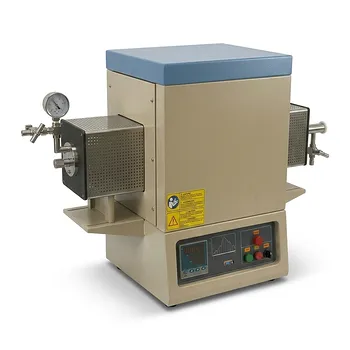
High Temperature 1700C Benchtop Tube Furnace with 5 Inch Heating Zone High Purity Alumina Tube and Vacuum Sealing Flanges
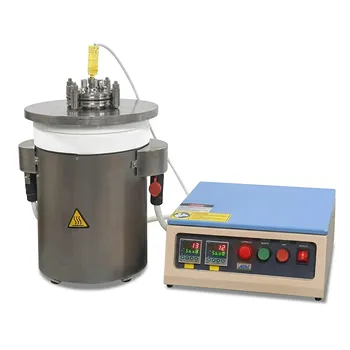
600°C Vertical Crucible Furnace with SS316 Alloy Reactor and 6 Port Vacuum Flange
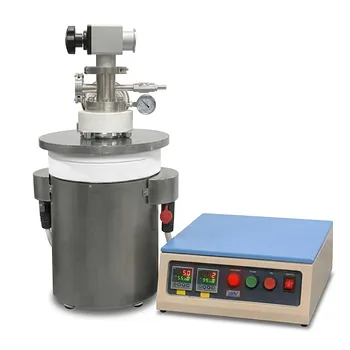
1100C High Temperature Vacuum Crucible Furnace with Quartz Chamber for Thermal Processing and Sintering
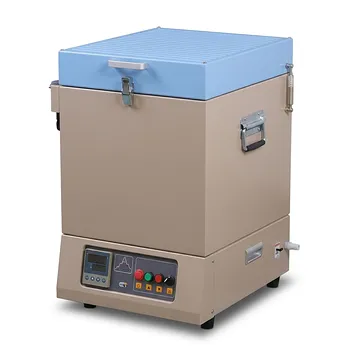
High Temperature Vertical Crucible Furnace with 22L Heating Chamber and 1200C Maximum Temperature
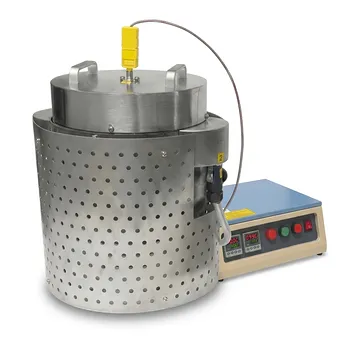
Vertical Crucible Furnace 1000C High Temperature Laboratory Equipment 4.7 Inch Diameter Chamber SS316 Anti Corrosive Enclosure
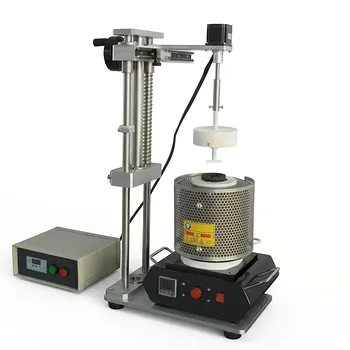
1100C Crucible Melting Furnace with Stirring Function for Glovebox and Air Sensitive Alloy Research
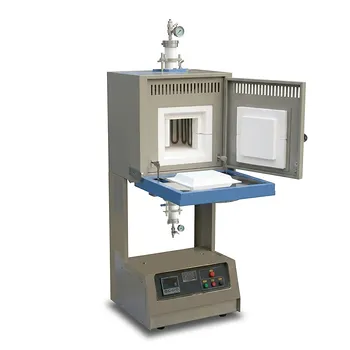
Vertical Hybrid High Temperature Furnace 1500C Alumina Tube SOFC Fuel Cell Testing Laboratory Heat Treatment Research Equipment
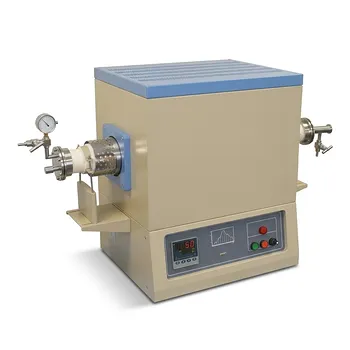
1700C High Temperature Alumina Tube Furnace with 18 Inch Heated Zone and Vacuum Sealing Flanges
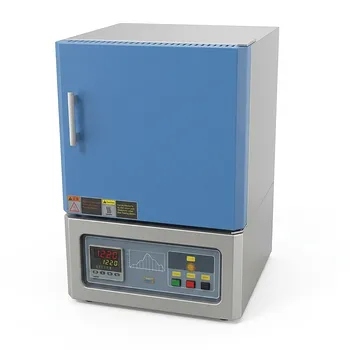
High Temperature Benchtop Muffle Furnace 1700C 10L Chamber Alumina Fiber Insulation MoSi2 Heating Elements
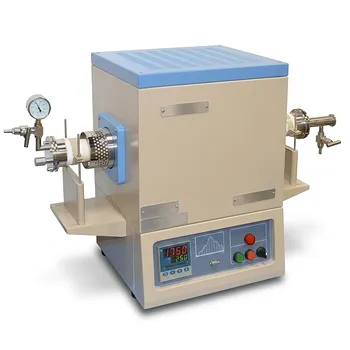
High Temperature Compact Vacuum Tube Furnace 1750C Max 60mm OD Alumina Tube
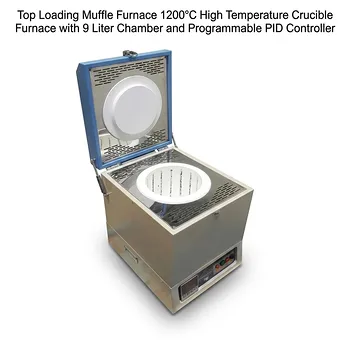
Top Loading Muffle Furnace 1200°C High Temperature Crucible Furnace with 9 Liter Chamber and Programmable PID Controller
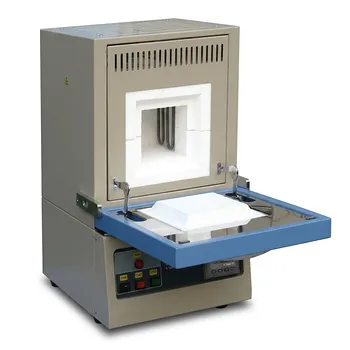
High Temperature 1800C Compact Muffle Furnace with Kanthal Super 1900 Heating Elements and 1.7L Alumina Chamber
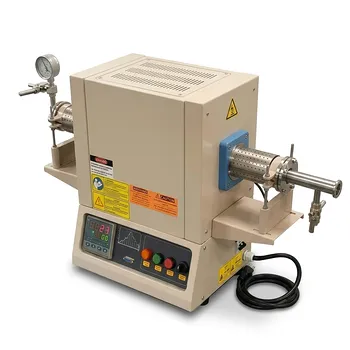
Compact High Temperature 1600C Tube Furnace with 50mm Alumina Tube and Vacuum Flanges for Material Sintering
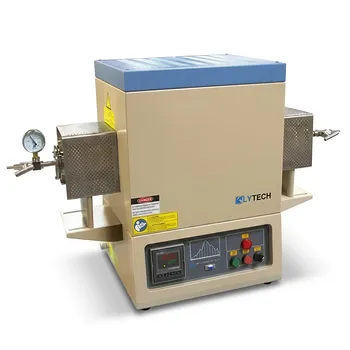
1800C High Temperature Compact Vacuum Tube Furnace with 60mm OD Alumina Tube and Kanthal MoSi2 Heating Elements
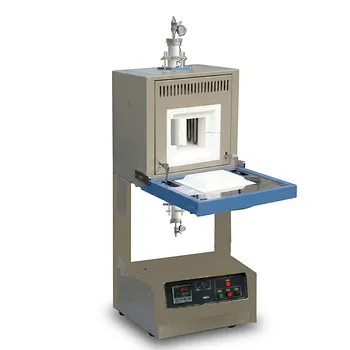
High Temperature Vertical Hybrid Furnace with Alumina Tube and SiC Heating for SOFC Coin Cell Testing and Atmosphere Processing
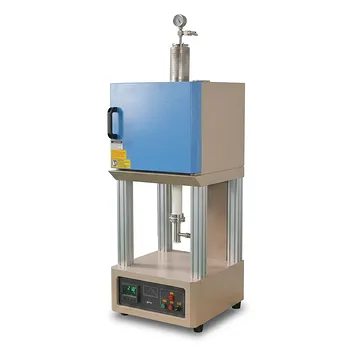
Hybrid High Temperature Tube and Box Furnace 1700C with 2 Inch Alumina Tube for Material Research
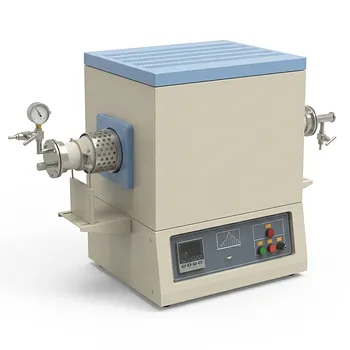
1750°C High Temperature Benchtop Vacuum Atmosphere Tube Furnace with Kanthal Super 1800 Heating Elements and 60mm Alumina Processing Tube
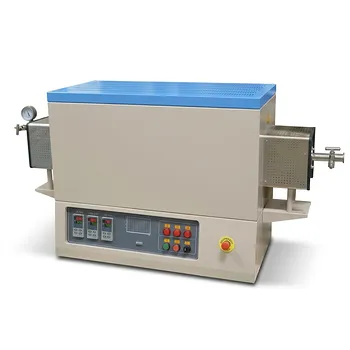
Three Zone Alumina Tube Furnace with Vacuum Flanges High Temperature 1700C Thermal Gradient CVD System
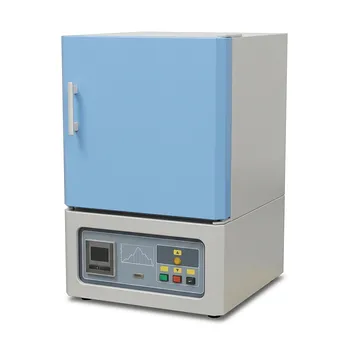
1800C Bench Top Muffle Furnace with Kanthal Super 1900 Heating Elements and 3.6L Alumina Fiber Chamber