Why are high-purity vacuum-sealed quartz tubes required for the synthesis of CuInP2S6 materials? Achieve Phase Purity
Updated 3 months ago
High-purity vacuum-sealed quartz tubes are essential for CuInP2S6 synthesis because they provide a chemically inert, pressurized environment that prevents oxidation and maintains precise chemical stoichiometry. By isolating the reaction from atmospheric oxygen and moisture, these tubes ensure the stability of the material's unique ferroelectric-ionic properties during the prolonged high-temperature heating required for crystal growth.
The use of vacuum-sealed quartz is not merely a container choice, but a critical control mechanism. It prevents the loss of volatile elements while blocking external contaminants, ensuring the final material reaches its theoretical phase purity and performance.
Preventing Oxidation and Atmospheric Contamination
Eliminating Oxygen and Moisture
CuInP2S6 belongs to a class of materials highly sensitive to oxygen and water vapor at elevated temperatures. High-vacuum sealing, typically reaching levels better than $10^{-3}$ Pa, completely excludes these elements to prevent the formation of unwanted oxides.
Preserving Intrinsic Material Properties
The ferroelectric and ionic transport properties of CuInP2S6 are easily degraded by even trace impurities. Maintaining a pristine environment ensures that the resulting crystal achieves high phase purity and the intended electronic characteristics without defect-induced interference.
Maintaining Precise Chemical Stoichiometry
Managing High Vapor Pressure Volatiles
Sulfur (S) and phosphorus (P) exhibit extremely high vapor pressures at the high temperatures (often exceeding 800°C) required for solid-state reactions. A sealed tube creates a closed system that reaches a vapor pressure equilibrium, preventing these volatile components from escaping the reaction zone.
Ensuring Long-Duration Stability
Synthesis of high-quality CuInP2S6 often requires reaction periods exceeding 200 hours. The hermetic seal of the quartz tube maintains the exact ratio of raw materials throughout this duration, which is vital for the stability of the final material's crystalline structure.
The Technical Advantages of High-Purity Quartz
Thermal and Chemical Resilience
Quartz is selected for its exceptional chemical stability and ability to withstand intense heat without reacting with the phosphorus sulfides. This ensures that the vessel itself does not introduce non-target impurities into the sample during the synthesis process.
Facilitating Crystal Growth Observation
The transparency of high-purity quartz allows researchers to monitor the Chemical Vapor Transport (CVT) or melting process in real-time. This visibility is helpful for adjusting temperature gradients or identifying the onset of crystal nucleation.
Understanding the Trade-offs and Risks
Internal Pressure and Explosion Risks
While the sealed environment is necessary to contain volatile elements, it also creates significant internal pressure at high temperatures. If the stoichiometric calculations are incorrect or the heating rate is too aggressive, the quartz tube can rupture, resulting in sample loss and equipment damage.
The Necessity of High-Vacuum Quality
A weak vacuum is often worse than no vacuum, as residual oxygen can lead to partial oxidation that is difficult to detect but ruins material performance. Achieving a vacuum level of $10^{-3}$ Pa or better is a technical requirement that demands specialized pumping equipment and precise sealing techniques.
How to Apply This to Your Synthesis Protocol
Recommendations for Success
- If your primary focus is Phase Purity: Ensure your vacuum system reaches at least $10^{-3}$ Pa and use 99.999% pure raw materials to prevent secondary phase formation.
- If your primary focus is Stoichiometric Accuracy: Precisely calculate the internal volume of the quartz tube to manage the vapor-liquid-solid equilibrium of volatile sulfur and phosphorus.
- If your primary focus is Large Crystal Growth: Utilize the transparency of the quartz to carefully monitor the temperature gradient during the Chemical Vapor Transport (CVT) phase.
By mastering the transition from raw elements to a vacuum-encapsulated environment, you secure the fundamental conditions necessary for high-performance ferroelectric material synthesis.
Summary Table:
| Key Feature | Advantage for CuInP2S6 Synthesis |
|---|---|
| Vacuum Sealing | Eliminates oxygen and moisture to prevent oxidation of sensitive sulfides. |
| Pressure Control | Contains volatile S and P elements to maintain exact stoichiometry at 800°C+. |
| Chemical Inertness | Prevents vessel-to-sample contamination during long-duration (200h+) heating. |
| Optical Transparency | Allows real-time monitoring of Chemical Vapor Transport (CVT) and nucleation. |
Elevate Your Material Research with THERMUNITS
Optimize your synthesis protocols with THERMUNITS, a leading manufacturer of high-temperature laboratory equipment for material science. Whether you are developing complex ferroelectrics like CuInP2S6 or conducting advanced industrial R&D, our comprehensive range of thermal solutions—including Muffle, Vacuum, Tube, Rotary, and Hot Press furnaces, CVD/PECVD systems, and Vacuum Induction Melting (VIM) furnaces—is engineered for precision and reliability.
Don't let equipment limitations compromise your phase purity. Contact us today to learn how our advanced heat treatment equipment and thermal elements can drive your laboratory's success.
References
- Xingan Jiang, Weiyou Yang. Dual-role ion dynamics in ferroionic CuInP2S6: revealing the transition from ferroelectric to ionic switching mechanisms. DOI: 10.1038/s41467-024-55160-7
Mentioned Products
- Three Zone Quartz Tube Furnace with 3 Channel Gas Mixer Vacuum Pump and Anti Corrosive Vacuum Gauge
- Compact Vertical Split Quartz Tube Furnace with Stainless Steel Vacuum Flanges for Rapid Thermal Quenching and Controlled Atmosphere Material Processing
- 1000C Mini Tube Furnace with 20mm Quartz Tube and Vacuum Flanges for Material Science Research and Controlled Atmosphere Small Sample Processing
- High Temperature 1200C Split Tube Furnace with Hinged Vacuum Flanges and 4 Inch Quartz Tube for Laboratory Research
- 1200°C 5 Inch Vertical Quartz Tube Furnace with Stainless Steel Vacuum Flanges
People Also Ask
- What role does an industrial-grade three-zone tube furnace play in VOx@VACNT synthesis? Precision Phase-State Control
- What is the primary function of a three-zone tube furnace in the synthesis process of corn-derived carbon nanotubes?
- Why Use a Three-Zone vs. Single-Zone Furnace for Fe-Ni-Cu Diffusion? Key Benefits for Lab Accuracy
- What advantages does a three-zone tube furnace offer for nanoparticle synthesis? Unlock Superior Thermal Precision.
- What is the core function of an industrial-grade three-zone tube furnace in MgCO3 layer formation?

Tech Team · ThermUnits
Last updated on Jun 03, 2026
Related Products
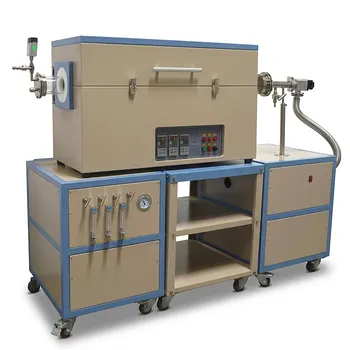
Three Zone Quartz Tube Furnace with 3 Channel Gas Mixer Vacuum Pump and Anti Corrosive Vacuum Gauge

Compact Vertical Split Quartz Tube Furnace with Stainless Steel Vacuum Flanges for Rapid Thermal Quenching and Controlled Atmosphere Material Processing
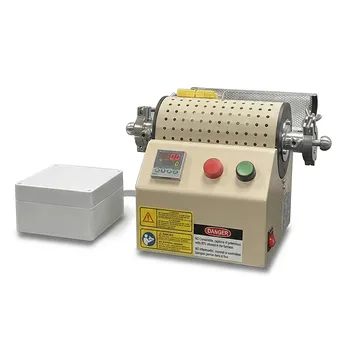
1000C Mini Tube Furnace with 20mm Quartz Tube and Vacuum Flanges for Material Science Research and Controlled Atmosphere Small Sample Processing
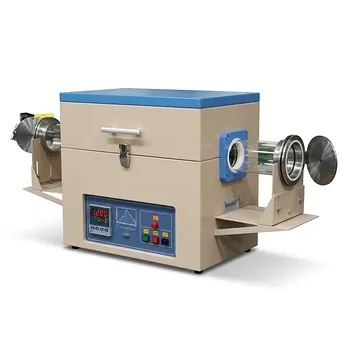
High Temperature 1200C Split Tube Furnace with Hinged Vacuum Flanges and 4 Inch Quartz Tube for Laboratory Research

1200°C 5 Inch Vertical Quartz Tube Furnace with Stainless Steel Vacuum Flanges
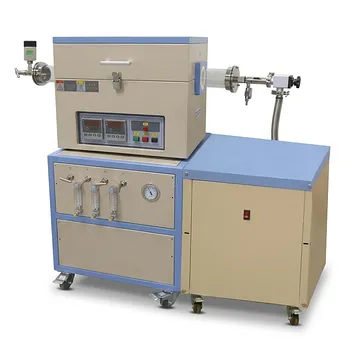
Dual Zone Quartz Tube Furnace with 80mm Diameter 1200C Max Temperature 3 Channel Gas Mixer and Vacuum Pump System

High Temperature Automated 5 Inch Tube Furnace for Autonomous Material Research and Advanced Laboratory R&D
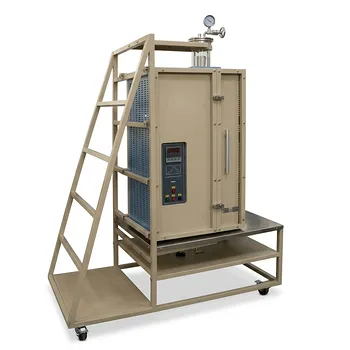
Split Vertical Tube Furnace with 1200C Quartz Tube and Stainless Steel Vacuum Flanges for Rapid Thermal Processing
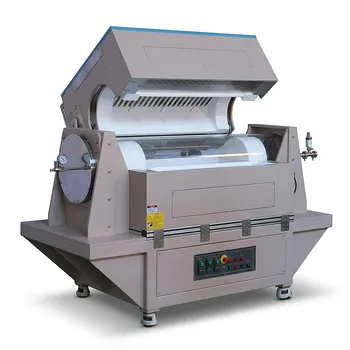
Three Zone Tube Furnace with 11 Inch or 15 Inch Quartz Tube and Hinged Flanges for Vacuum Atmosphere Heat Treatment
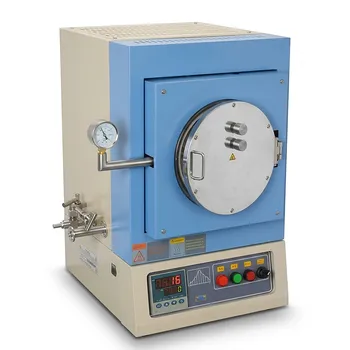
1100°C High Temperature Quartz Chamber Furnace 8 Inch OD with 7.6 Liter Capacity and Vacuum Atmosphere Capability
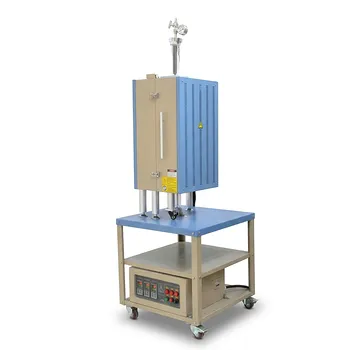
1200C Three Zone Vertical Tube Furnace with 2 Inch Quartz Tube and Vacuum Flanges
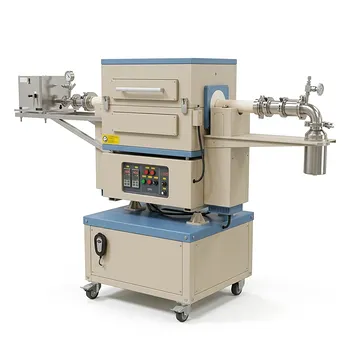
1500C Max Dual Zone Rotary Tube Furnace with 60 mm OD Alumina Tube for High Temperature Material Synthesis
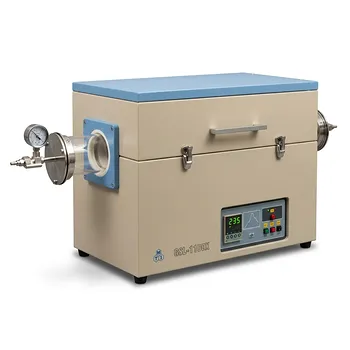
Single Zone Tube Furnace 5 Inch Quartz Tube 36 Inch Heating Zone Vacuum Flanges

High Temperature 1700C Vertical Tube Furnace for Powder Spherification and Material Sintering

High Temperature 1700C Benchtop Tube Furnace with 5 Inch Heating Zone High Purity Alumina Tube and Vacuum Sealing Flanges
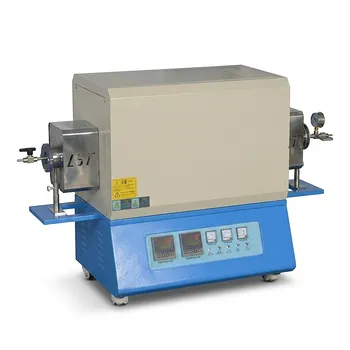
High Temperature Dual Zone Vacuum Tube Furnace for Material Research and CVD Processing
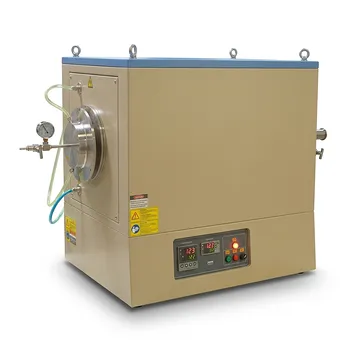
1100°C Large Diameter Quartz Tube Furnace with 24 Inch Heating Zone and Water Cooled Flanges
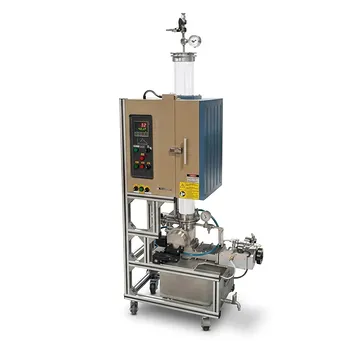
1200C High Temperature Atmosphere Controlled Vertical Quenching Tube Furnace with 4 Inch Quartz Tube