Why is a constant high-purity nitrogen flow required for catalyst pyrolysis? Ensure High-Purity Synthesis & Yield
Updated 3 months ago
Maintaining a strictly inert atmosphere is the fundamental requirement for catalyst pyrolysis. A constant flow of high-purity nitrogen ($N_2$) prevents the oxidative combustion of carbon sources and the unwanted oxidation of metal species at high temperatures. By displacing oxygen, the nitrogen flow ensures that the thermal energy drives specific chemical transformations—such as the formation of graphene shells or zero-valent metals—rather than the destructive "ashing" of the precursor materials.
Core Takeaway: Constant nitrogen flow acts as both a chemical shield and a transport medium, preventing the loss of active materials through combustion while simultaneously purging volatile by-products to maintain reaction equilibrium and protect the furnace hardware.
Preserving Chemical Integrity and Metal Activity
Prevention of Metal Oxidation
High-temperature environments naturally accelerate the oxidation of metallic components. In catalyst synthesis, the goal is often to produce active zero-valent species, such as metallic nickel (Ni) or iron (Fe). A continuous $N_2$ purge ensures these metals remain in their reduced, active state rather than converting into inactive metal oxides.
Facilitating Specific Structural Transformations
The presence of an inert atmosphere dictates the final form of the carbon matrix. Under nitrogen, carbon sources are encouraged to transform into protective graphene shells or stable biochar structures. This structural control is essential for enhancing the electrical conductivity and long-term chemical stability of the resulting catalyst.
Enabling Thermodynamic Precision
Certain advanced synthesis techniques, such as the thermodynamic anchoring of single atoms onto a matrix, require the total exclusion of oxygen. Nitrogen flow allows for the clean decomposition of organic frameworks and the vaporization of templates (like zinc) without interference from atmospheric gases. This precision is what allows a catalyst to achieve "single-atom" characteristics.
Mechanical and Process Functions of Gas Flow
Removal of Volatile By-products
Pyrolysis is a complex process that generates various volatile organic compounds (VOCs), tars, and gases. A constant flow of nitrogen mechanically sweeps these by-products out of the furnace chamber. If left inside, these volatiles could re-deposit on the catalyst, clogging its pore structure or interfering with the reaction equilibrium.
Protection of the Equipment
The gases released during thermochemical cracking can be corrosive or may condense on the cooler parts of the furnace tube. A continuous nitrogen shield carries these potentially harmful vapors toward the exhaust system. This prevents corrosion of the furnace internals and extends the operational lifespan of the quartz or ceramic tubes.
Maintenance of Anaerobic Conditions
Even a small leak or residual air pocket can lead to "ashing," where the carbon material burns completely away. Constant pressure from a flowing gas source ensures that the furnace interior remains at a slightly higher pressure than the outside air. This positive pressure prevents oxygen from diffusing back into the system during the high-temperature cycle.
Understanding the Trade-offs and Pitfalls
The Risk of Insufficient Purity
Using low-grade nitrogen can introduce trace amounts of oxygen or moisture into the system. At temperatures exceeding 800°C, even parts-per-million levels of oxygen can significantly degrade the pore structure of activated carbons or oxidize sensitive metal sites. High-purity nitrogen (99.99% or higher) is typically required to ensure "pure" thermochemical cracking.
Balancing Flow Rates
While flow is necessary, an excessively high flow rate can lead to thermal instability. Rapid gas movement can strip heat away from the sample zone, leading to temperature gradients that result in non-uniform catalyst batches. Conversely, a flow rate that is too low may fail to adequately remove corrosive volatiles.
Impact on Product Yield
In biomass pyrolysis, the nitrogen flow rate directly influences the residence time of vapors. A flow that is too fast may carry away heavy hydrocarbons that could otherwise contribute to the solid biochar yield. Finding the "sweet spot" in flow velocity is critical for maximizing the recovery of the desired solid product.
How to Apply This to Your Project
Recommendations for Implementation
- If your primary focus is high-order carbon structures (like graphene): Maintain a steady, moderate flow to ensure oxygen is entirely excluded while allowing enough residence time for carbon atoms to rearrange into stable hexagonal lattices.
- If your primary focus is producing zero-valent metal catalysts: Prioritize the highest purity nitrogen available and begin the purge long before the furnace starts heating to ensure every trace of oxygen is displaced.
- If your primary focus is preserving complex pore structures: Ensure your flow rate is high enough to aggressively remove volatile "tars" that would otherwise condense and block the microscopic pores of your catalyst.
Precise control over the nitrogen environment transforms a simple heating process into a sophisticated chemical synthesis tool.
Summary Table:
| Function | Key Benefit | Impact on Catalyst |
|---|---|---|
| Chemical Shielding | Prevents Oxidation | Preserves active zero-valent metals & graphene shells. |
| By-product Removal | Purges Volatiles | Prevents pore clogging and maintains reaction equilibrium. |
| Positive Pressure | Prevents O2 Ingress | Ensures anaerobic conditions and protects furnace tubes. |
| Process Stability | Thermal Uniformity | Balances heat distribution when flow rates are optimized. |
Elevate Your Research with THERMUNITS Precision Heating
Achieving the perfect catalyst requires absolute control over your thermal environment. THERMUNITS is a leading manufacturer of high-temperature laboratory equipment specifically designed for material science and industrial R&D. Whether you are performing sensitive catalyst pyrolysis or complex chemical vapor deposition, our equipment provides the stability and atmosphere control you need.
Our Comprehensive Thermal Solutions Include:
- Tube & Atmosphere Furnaces: Optimized for precise gas flow management.
- CVD/PECVD Systems: For advanced carbon and metal synthesis.
- Vacuum & Rotary Kilns: Versatile solutions for diverse material processing.
- Specialized Equipment: Muffle, Hot Press, Dental, and Vacuum Induction Melting (VIM) furnaces.
Don't let atmospheric contamination compromise your yield. Let our experts help you configure the ideal furnace system for your specific requirements.
Contact THERMUNITS Today for a Professional Consultation
References
- Siyi Mi, Jianguo Liu. Selective hydrogenation of vanillin over a graphene-encapsulated nitrogen-doped bimetallic magnetic Ni/Fe@NDC nano-catalyst. DOI: 10.1039/d4ra02729a
Mentioned Products
- Vertical 1700C Vacuum and Atmosphere Tube Furnace with 80mm Alumina Tube
- Compact High Temperature 1600C Tube Furnace with 50mm Alumina Tube and Vacuum Flanges for Material Sintering
- 900°C Max Rotary Tube Furnace with 8 Inch 310S Alloy Tube and Optional Multi Zone Heating for Industrial Material Calcination
- Split Vertical Tube Furnace with 1200C Quartz Tube and Stainless Steel Vacuum Flanges for Rapid Thermal Processing
- High Temperature 1700C Tube Furnace with High Vacuum Turbomolecular Pump System and Multi Channel Mass Flow Controller Gas Mixer
People Also Ask
- How is an industrial-grade vertical tube furnace utilized in smelting leaching residues? Enhance Metal Recovery Efficiency
- What is the function of a laboratory-grade vertical tube furnace in fast pyrolysis? Optimize Composite Research.
- How does a vertical tube furnace facilitate thermoelectric alloy melting? Precision synthesis for material homogeneity.
- Why is a thermocouple sensor indispensable for monitoring the vertical tube furnace during gallium oxide nanowire production? Optimize VLS Growth
- What are the advantages of using a vertical tube furnace for crucible experiments simulating steel-slag interactions?

Tech Team · ThermUnits
Last updated on Jun 02, 2026
Related Products
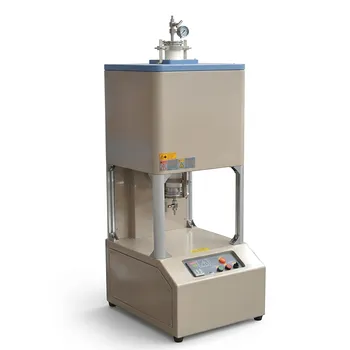
Vertical 1700C Vacuum and Atmosphere Tube Furnace with 80mm Alumina Tube
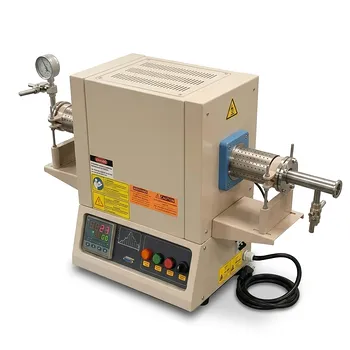
Compact High Temperature 1600C Tube Furnace with 50mm Alumina Tube and Vacuum Flanges for Material Sintering
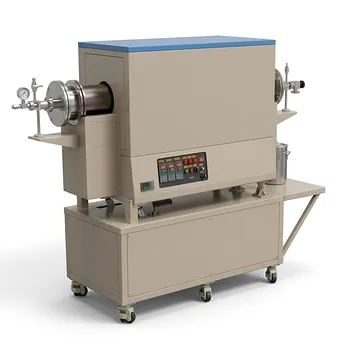
900°C Max Rotary Tube Furnace with 8 Inch 310S Alloy Tube and Optional Multi Zone Heating for Industrial Material Calcination
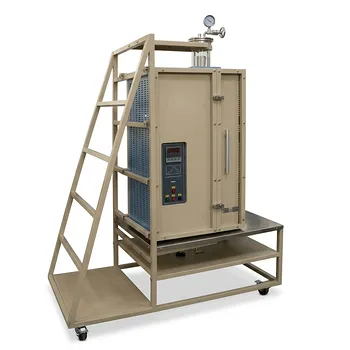
Split Vertical Tube Furnace with 1200C Quartz Tube and Stainless Steel Vacuum Flanges for Rapid Thermal Processing
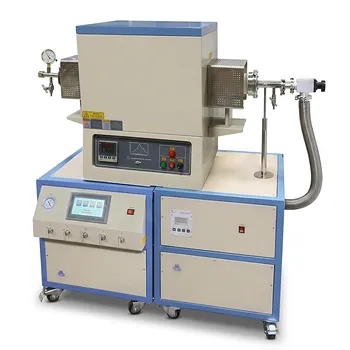
High Temperature 1700C Tube Furnace with High Vacuum Turbomolecular Pump System and Multi Channel Mass Flow Controller Gas Mixer
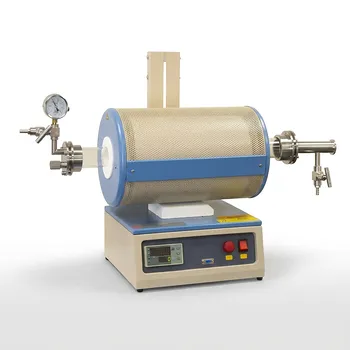
1100C Tube Furnace with Vacuum Flange and Programmable Temperature Controller for Material Science and Industrial Heat Treatment
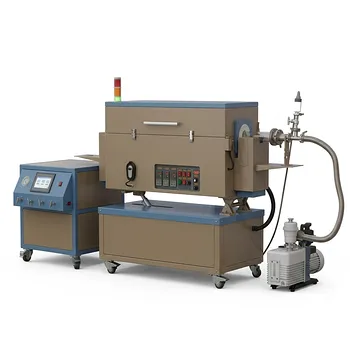
5 Inch Three Zone Rotary Tube Furnace with Integrated Gas Delivery System and 1200C Capability for Advanced Material CVD Processing
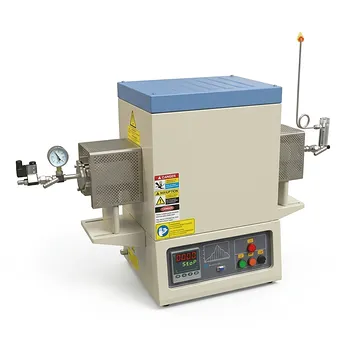
1700C Hydrogen Gas Tube Furnace with 60mm Alumina Process Tube and Integrated Hydrogen Safety Detector
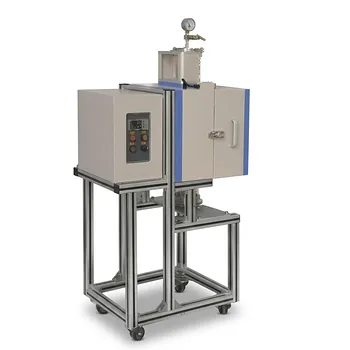
1200°C 5 Inch Vertical Quartz Tube Furnace with Stainless Steel Vacuum Flanges
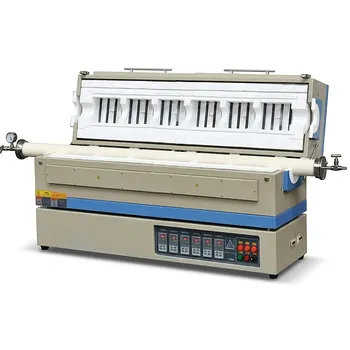
High Temperature 1700C Six Zone Split Tube Furnace with Alumina Tube and Water Cooled Flanges
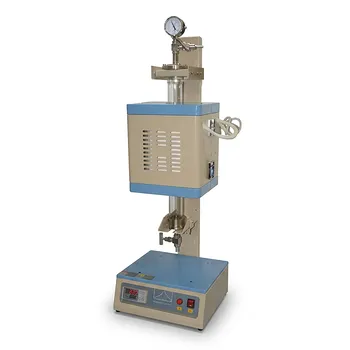
Compact Vertical Split Quartz Tube Furnace with Stainless Steel Vacuum Flanges for Rapid Thermal Quenching and Controlled Atmosphere Material Processing

High Temperature 1700C Benchtop Tube Furnace with 5 Inch Heating Zone High Purity Alumina Tube and Vacuum Sealing Flanges
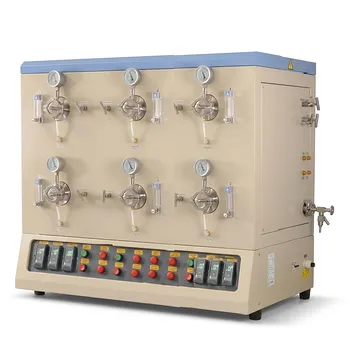
1200C High Throughput Multi Channel Tube Furnace with 50mm Quartz Tubes for Annealing and Material Phase Diagram Research
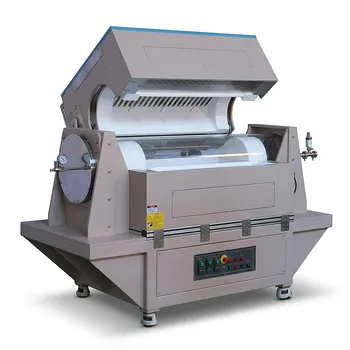
Three Zone Tube Furnace with 11 Inch or 15 Inch Quartz Tube and Hinged Flanges for Vacuum Atmosphere Heat Treatment

1800C High Temperature Compact Vacuum Tube Furnace with 60mm OD Alumina Tube and Kanthal MoSi2 Heating Elements

High Temperature 1700C Vertical Tube Furnace for Powder Spherification and Material Sintering
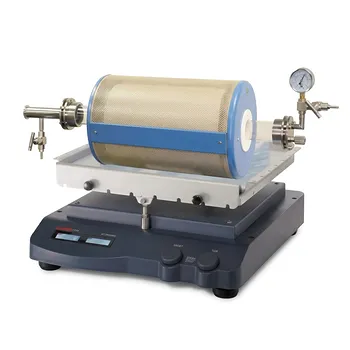
High Temperature Rocking Tube Furnace with Quartz Tube and Vacuum Flange for Materials Synthesis

High Temperature Automated 5 Inch Tube Furnace for Autonomous Material Research and Advanced Laboratory R&D
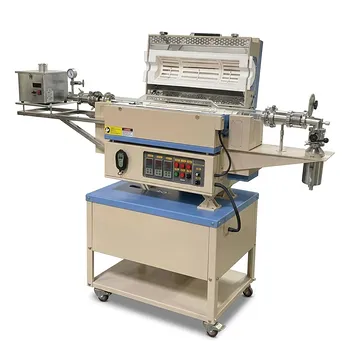
5 Inch Rotary Tube Furnace with Automatic Feeding and Receiving System 1200C Three Zone CVD Powder Processing