Why is a high-purity alumina crucible required during the high-temperature sintering of CSSO:Ce,Cr,Li phosphors? Guide
Updated 3 months ago
High-purity alumina crucibles are essential for CSSO:Ce,Cr,Li phosphor synthesis because they provide an inert, high-temperature environment that prevents chemical contamination. These crucibles withstand the extreme 1450 °C sintering temperatures without reacting with the phosphor precursors, ensuring the final material maintains its chemical purity. This is critical for preventing fluorescence quenching, where impurities introduced by a lower-quality container would destroy the phosphor's ability to emit light.
Core Takeaway: A high-purity alumina crucible acts as a chemically neutral reaction vessel that maintains structural integrity at 1450 °C. Its primary purpose is to isolate the phosphor from metallic impurities and container reactions that would otherwise degrade its luminescent efficiency.
Maintaining Chemical Purity in Host Lattices
Preventing Metallic Ion Infiltration
During high-temperature sintering, even trace amounts of impurities from a container can migrate into the phosphor. These foreign ions can enter the crystal lattice of the CSSO (Calcium Strontium Silicate Oxide), disrupting the carefully tuned environment required for the Ce (Cerium), Cr (Chromium), and Li (Lithium) dopants.
Chemical Inertness Against Reactive Raw Materials
The synthesis of phosphors often involves reactive precursors like calcium oxide or fluxes. High-purity alumina (Al2O3) is exceptionally chemically inert, meaning it does not react with these alkaline components or sulfides, even when they are in a highly reactive state at temperatures exceeding 1000 °C.
Ensuring Accurate Phase Formation
By acting as a neutral carrier, the crucible ensures that the chemical reaction follows the intended path. This allows for the precise formation of the desired phase—such as the complex silicate structure of CSSO—without interference from elements that might leach from a lower-grade ceramic container.
Structural Integrity at Extreme Temperatures
Withstanding the 1450 °C Threshold
The sintering process for CSSO:Ce,Cr,Li requires a constant temperature of 1450 °C for three hours. High-purity alumina is one of the few materials that can provide stable physical support at this level without softening, deforming, or losing its protective properties.
Resistance to Thermal Erosion
Lower-purity materials often contain silica or other binders that can melt or become volatile at 1450 °C. High-purity alumina resists this thermal erosion, ensuring that no part of the crucible walls becomes integrated into the phosphor powder during the long-duration heating cycle.
Durability During Rapid Thermal Cycles
High-purity alumina is engineered to handle rapid heating and cooling cycles without cracking. This mechanical resilience is vital for protecting the sample from exposure to the furnace environment should the container fail structurally.
Optimizing Luminescent Performance
Eliminating Fluorescence Quenching
The most critical threat to phosphor quality is fluorescence quenching, where impurities create "trap" sites that dissipate energy as heat instead of light. High-purity alumina prevents the introduction of external metallic impurities that are the primary cause of this phenomenon.
Stabilizing Dopant Oxidation States
The luminescence of Ce and Cr depends heavily on their specific oxidation states within the lattice. An inert alumina environment ensures that no uncontrolled reduction or oxidation occurs due to chemical interactions with the crucible wall, keeping the luminescence properties stable.
Maximizing Quantum Efficiency
By ensuring that the only elements present in the reaction are those explicitly added by the researcher (Ce, Cr, and Li), the crucible allows the phosphor to reach its maximum theoretical quantum efficiency. This results in a brighter, more reliable material for technical applications.
Understanding the Trade-offs
The Cost of Purity
High-purity alumina crucibles (typically 99.9% or higher) are significantly more expensive than standard lab-grade porcelain or lower-purity alumina. However, using lower-grade materials often results in "poisoned" samples that lack the necessary optical properties, leading to higher costs in the long run through failed experiments.
Porosity vs. Contamination
While high-purity crucibles are dense and minimize infiltration, they are not entirely immune to all chemical species. For certain specialized fluxes, even alumina may show slight wear over many uses, which could eventually lead to trace contamination if the crucible is not regularly inspected and replaced.
Sensitivity to Thermal Shock
Despite their strength, very high-purity ceramics can be more brittle than those with added binders. Users must strictly follow heating and cooling rate protocols to prevent catastrophic failure of the vessel due to thermal stress.
How to Apply This to Your Project
Selecting the Right Grade for Your Goal
- If your primary focus is Maximum Luminescent Intensity: Use 99.9% high-purity alumina to eliminate any risk of fluorescence quenching from metallic impurities.
- If your primary focus is Long-Term Sintering (6+ hours): Prioritize dense, recrystallized alumina to prevent the penetration of reactive fluxes into the crucible walls.
- If your primary focus is Cost-Effective Screening: You may use a lower-grade alumina for initial temperature tests, but recognize that the optical data will likely be compromised.
High-purity alumina remains the definitive standard for phosphor synthesis because it ensures that the light you see is a result of your chemistry, not your container's contamination.
Summary Table:
| Feature | Benefit for CSSO Synthesis | Technical Detail |
|---|---|---|
| Chemical Inertness | Prevents metallic ion infiltration | Does not react with alkaline precursors |
| Thermal Stability | Withstands constant 1450 °C | No softening or deformation for 3+ hours |
| Erosion Resistance | Maintains chemical purity | Prevents silica or binder migration into samples |
| Optical Integrity | Eliminates fluorescence quenching | Maximizes quantum efficiency and brightness |
Achieve Precision in Phosphor Synthesis with THERMUNITS
High-purity results depend on more than just high-quality crucibles—they require the perfect thermal environment. THERMUNITS is a leading manufacturer of high-temperature laboratory equipment for material science and industrial R&D.
We provide the cutting-edge tools necessary for complex sintering and heat treatment processes, offering a comprehensive range of solutions including Muffle, Vacuum, Atmosphere, Tube, and Rotary Furnaces, as well as CVD/PECVD systems, Hot Press furnaces, and Thermal Elements.
Enhance your laboratory's efficiency and material purity—Contact our experts today to find the ideal thermal processing solution for your research!
References
- Ping Sui, Yuansheng Wang. A Ca<sub>3</sub>Sc<sub>2</sub>Si<sub>3</sub>O<sub>12</sub>:Ce<sup>3+</sup>,Cr<sup>3+</sup>,Li<sup>+</sup> phosphor-in-glass film for high-power laser-driven near-infrared lighting. DOI: 10.1039/d4tc03017f
Mentioned Products
- Compact 1100C Muffle Furnace with Programmable Temperature Control and High Purity Alumina Insulation for Material Research
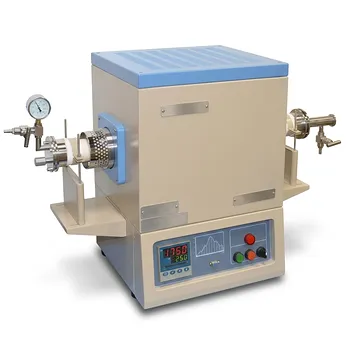
- Compact High Temperature 1600C Tube Furnace with 50mm Alumina Tube and Vacuum Flanges for Material Sintering
- 1100C High Temperature Vacuum Crucible Furnace with Quartz Chamber for Thermal Processing and Sintering
- 1800C Bench Top Muffle Furnace 18 Liters with Kanthal Super 1900 Heating Elements for High Purity Ceramic Sintering and Material Research
- 1700C Compact Hybrid Furnace with Dual Layer Box Sintering and Controlled Atmosphere Alumina Tubes
People Also Ask
- Why is 1100°C in situ annealing required after LZO and DTO deposition? Achieve High-Quality Thin Film Synthesis
- What are the advantages of using high-purity alumina boats in 1100 °C carbonization? Ensure Purity and Stability.
- What technical capabilities must a high-temperature furnace possess for 1100°C HEA annealing? Precision & Stability.
- Why are high-purity alumina (Al2O3) substrates selected as carriers? Optimal Stability for Vanadium Oxide Reduction
- Why are high-purity alumina crucibles preferred as sample containers in high-temperature sintering experiments? Key Facts

Tech Team · ThermUnits
Last updated on Jun 02, 2026
Related Products
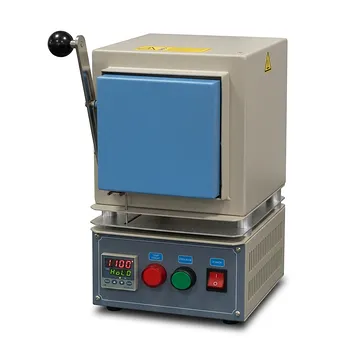
Compact 1100C Muffle Furnace with Programmable Temperature Control and High Purity Alumina Insulation for Material Research

Compact High Temperature 1600C Tube Furnace with 50mm Alumina Tube and Vacuum Flanges for Material Sintering
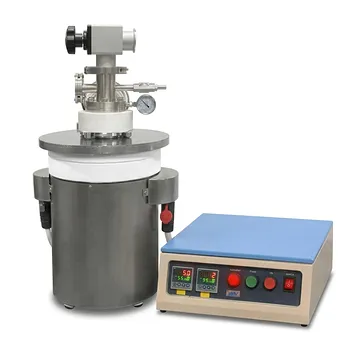
1100C High Temperature Vacuum Crucible Furnace with Quartz Chamber for Thermal Processing and Sintering
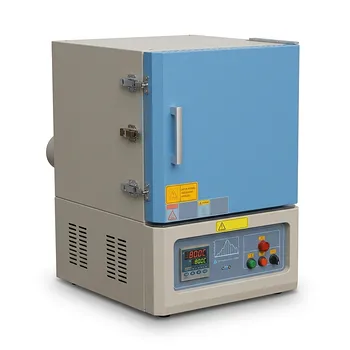
1800C Bench Top Muffle Furnace 18 Liters with Kanthal Super 1900 Heating Elements for High Purity Ceramic Sintering and Material Research
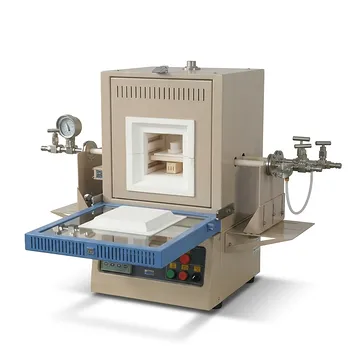
1700C Compact Hybrid Furnace with Dual Layer Box Sintering and Controlled Atmosphere Alumina Tubes
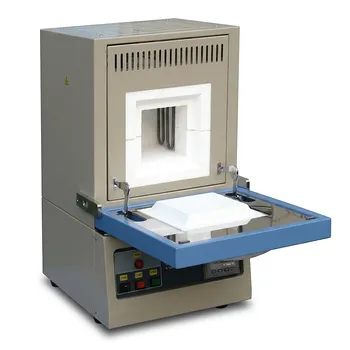
High Temperature 1800C Compact Muffle Furnace with Kanthal Super 1900 Heating Elements and 1.7L Alumina Chamber
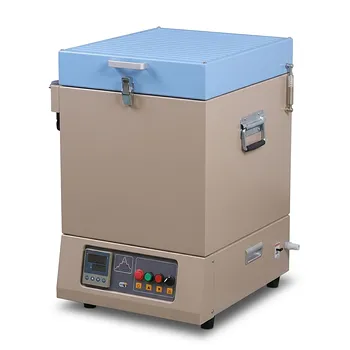
High Temperature Vertical Crucible Furnace with 22L Heating Chamber and 1200C Maximum Temperature
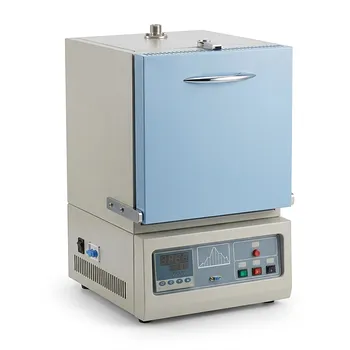
1750C Compact Muffle Furnace 1.7L Ultra High Temperature Laboratory Sintering System for Advanced Ceramics and Material Science Research
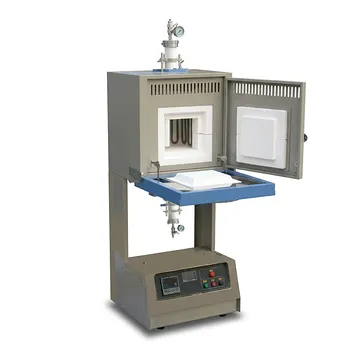
Vertical Hybrid High Temperature Furnace 1500C Alumina Tube SOFC Fuel Cell Testing Laboratory Heat Treatment Research Equipment
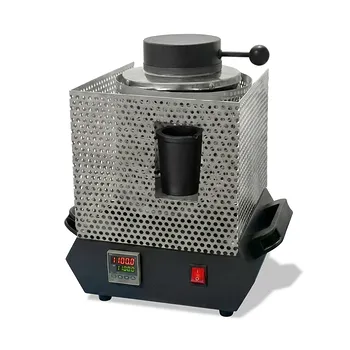
Compact Crucible Melting Furnace 1100C Programmable Temperature Controller Metal Sintering Equipment
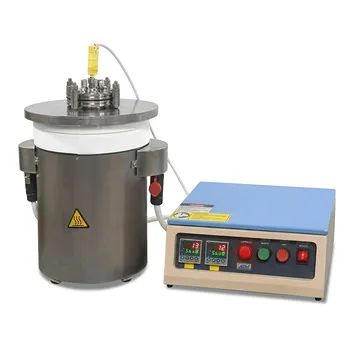
600°C Vertical Crucible Furnace with SS316 Alloy Reactor and 6 Port Vacuum Flange
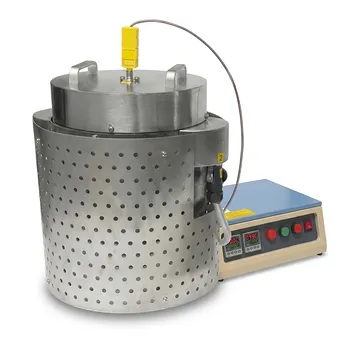
Vertical Crucible Furnace 1000C High Temperature Laboratory Equipment 4.7 Inch Diameter Chamber SS316 Anti Corrosive Enclosure

High Temperature 1700C Vertical Tube Furnace for Powder Spherification and Material Sintering
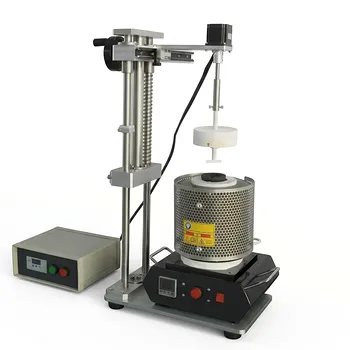
1100C Crucible Melting Furnace with Stirring Function for Glovebox and Air Sensitive Alloy Research
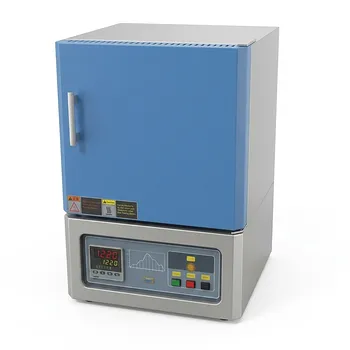
High Temperature Benchtop Muffle Furnace 1700C 10L Chamber Alumina Fiber Insulation MoSi2 Heating Elements
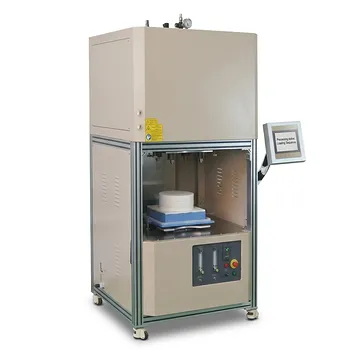
High Temperature Vertical Atmosphere Controlled Furnace with Automatic Bottom Loading and 1700°C Capacity for Advanced Material Research
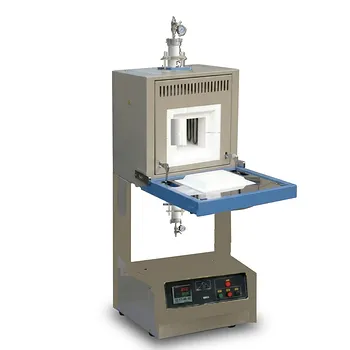
High Temperature Vertical Hybrid Furnace with Alumina Tube and SiC Heating for SOFC Coin Cell Testing and Atmosphere Processing
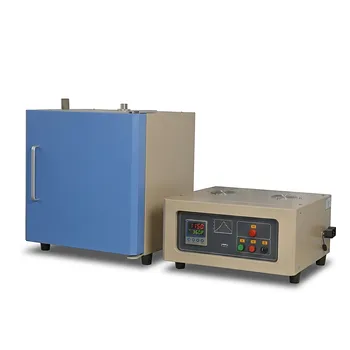
High Temperature Muffle Furnace with Alloy Chamber for Debinding and Sintering Applications
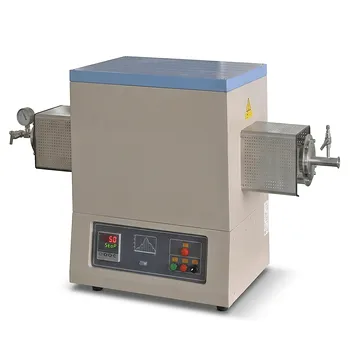
High Temperature 1700C Tube Furnace with 4 Inch OD Alumina Tube and Vacuum Sealing Flanges