Why is a high-purity alumina crucible required for MAX phase synthesis? Ensure High Phase Purity & Chemical Inertness
Updated 3 months ago
High-purity alumina crucibles are essential for the synthesis of Chromium Aluminum Carbon MAX phases because they provide the critical combination of high-temperature resistance and chemical inertness. During the 900°C annealing process, these crucibles remain structurally stable and do not react with the precursor gel or reactants, effectively preventing the introduction of metal impurities that would compromise the phase purity of the final powder.
The use of high-purity alumina ensures that the synthesized MAX phase maintains its exact chemical composition and structural integrity. By acting as an inert vessel, it isolates the reaction from external contaminants and prevents the crucible material itself from leaching into the sample during high-heat cycles.
Superior Thermal and Chemical Stability
Resistance to High-Temperature Environments
The solid-state synthesis of Chromium Aluminum Carbon MAX phases requires sustained heating, often reaching an annealing temperature of 900°C. High-purity alumina is capable of withstanding extreme environments—frequently rated up to 1450°C or higher—without losing structural integrity or softening.
Preservation of Chemical Inertness
At high temperatures, many container materials become reactive, leading to unwanted side reactions with the precursor materials. Alumina’s excellent chemical inertness ensures it remains passive, providing a stable support for the precursor gel without altering the intended chemical transformation.
Ensuring Material Purity and Stoichiometry
Prevention of Metallic Contamination
Maintaining the high phase purity of the MAX phase powder is the primary goal of using high-purity containers. Any introduction of impurity elements from the crucible would degrade the performance of the material and invalidate compositional characterization.
Guaranteeing Stoichiometric Accuracy
For MAX phases to form correctly, the ratio of Chromium, Aluminum, and Carbon must remain precise. The alumina crucible prevents the loss of reactants to the container walls and ensures that no impurity ions leach into the material, thereby maintaining the stoichiometric accuracy of the precursor.
Impact on Research and Performance
Experimental Repeatability
Using a standardized, non-reactive material like high-purity alumina is vital for experimental repeatability. It ensures that the results of the synthesis are a product of the precursors and thermal profile rather than random contamination from the reaction vessel.
Optimizing Material Performance
The purity of the synthesized powder directly influences its final properties, such as electrical conductivity or catalytic activity. By eliminating contamination, researchers can accurately evaluate the performance characteristics and physical morphology of the Chromium Aluminum Carbon MAX phase.
Understanding the Trade-offs
Sensitivity to Thermal Shock
While alumina is highly resistant to heat, it is susceptible to thermal shock. Rapid heating or cooling cycles can cause the crucible to crack, potentially ruining the sample and the vessel.
Quality and Cost Considerations
Not all alumina is equal; lower-grade alumina may contain silica or other oxides that become reactive at high temperatures. While high-purity crucibles (99% Al₂O₃ or higher) are more expensive, they are a non-negotiable requirement to avoid the "poisoning" of the MAX phase during synthesis.
How to Apply This to Your Synthesis
To ensure the highest quality results when synthesizing MAX phase materials, consider these recommendations based on your specific requirements:
- If your primary focus is phase purity: Always utilize a crucible with at least 99.9% alumina content to eliminate the risk of trace metal contamination.
- If your primary focus is crucible longevity: Implement slow heating and cooling ramps (typically 5-10°C per minute) to prevent cracking due to thermal expansion stress.
- If your primary focus is cost-efficiency: Reserve high-purity alumina specifically for the final sintering or annealing stages where the material is most vulnerable to contamination.
Selecting high-purity alumina is a fundamental requirement for isolating the complex chemical reactions necessary to produce high-performance Chromium Aluminum Carbon MAX phases.
Summary Table:
| Feature | Benefit for MAX Phase Synthesis |
|---|---|
| 99.9% Alumina Content | Prevents metallic contamination and ensures stoichiometric accuracy. |
| High Thermal Stability | Withstands 900°C+ annealing without structural softening or degradation. |
| Chemical Inertness | Remains passive during high-heat cycles, avoiding reactions with precursor gels. |
| Phase Purity Support | Guarantees that the final powder maintains exact chemical composition. |
Elevate Your Material Research with THERMUNITS
Precision in MAX phase synthesis requires more than just high-quality crucibles; it demands a reliable thermal environment. THERMUNITS is a leading manufacturer of high-temperature laboratory equipment for material science and industrial R&D.
We offer a comprehensive range of thermal processing solutions tailored for your success, including:
- Muffle, Vacuum, and Atmosphere Furnaces
- Tube, Rotary, and Hot Press Systems
- Advanced CVD/PECVD and Vacuum Induction Melting (VIM) Units
- High-Purity Thermal Elements and Lab Heat Treatment Equipment
Ensure your synthesis results are repeatable and contamination-free. Contact us today to find the perfect furnace for your application!
References
- Muhammad Shahbaz, Muhammad Zahid. Synthesis and characterization of chromium aluminum carbide MAX phases (CrxAlCx-1) for potential biomedical applications. DOI: 10.3389/fchem.2024.1413253
Mentioned Products
- High Temperature 1700C Benchtop Tube Furnace with 5 Inch Heating Zone High Purity Alumina Tube and Vacuum Sealing Flanges
- 600°C Vertical Crucible Furnace with SS316 Alloy Reactor and 6 Port Vacuum Flange
- 1100C High Temperature Vacuum Crucible Furnace with Quartz Chamber for Thermal Processing and Sintering
- High Temperature Vertical Crucible Furnace with 22L Heating Chamber and 1200C Maximum Temperature
- Vertical Crucible Furnace 1000C High Temperature Laboratory Equipment 4.7 Inch Diameter Chamber SS316 Anti Corrosive Enclosure
People Also Ask
- How are high-temperature tube furnaces utilized to repair etching damage? Precision Lattice Restoration Solutions
- What is the function of a high-temperature tube furnace in the synthesis of g-C3N4? Optimize Thermal Polycondensation
- What impact does the heating rate of a tube furnace have on biochar microstructure? Optimize Your Material R&D.
- What is the role of a high-temperature tube furnace in the calcination process of ZnO/In2O3 nanocomposites?
- Conditions for nZVI Synthesis in Tube Furnaces? Learn to Optimize Thermal and Atmospheric Control for High Purity.

Tech Team · ThermUnits
Last updated on Jun 02, 2026
Related Products

High Temperature 1700C Benchtop Tube Furnace with 5 Inch Heating Zone High Purity Alumina Tube and Vacuum Sealing Flanges
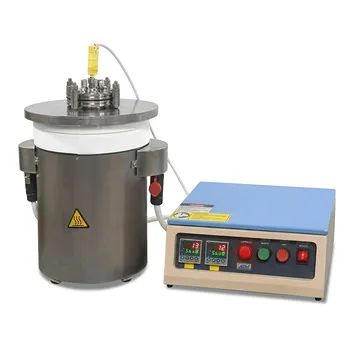
600°C Vertical Crucible Furnace with SS316 Alloy Reactor and 6 Port Vacuum Flange
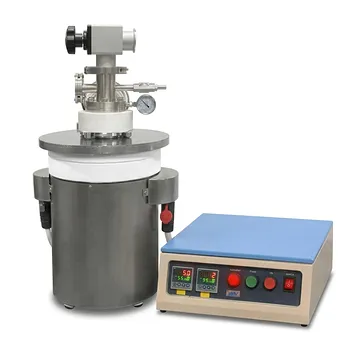
1100C High Temperature Vacuum Crucible Furnace with Quartz Chamber for Thermal Processing and Sintering
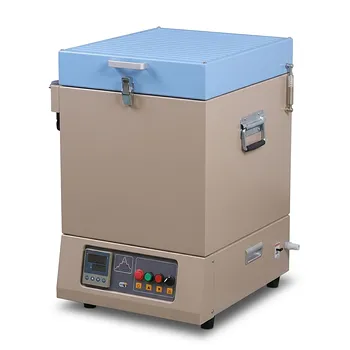
High Temperature Vertical Crucible Furnace with 22L Heating Chamber and 1200C Maximum Temperature
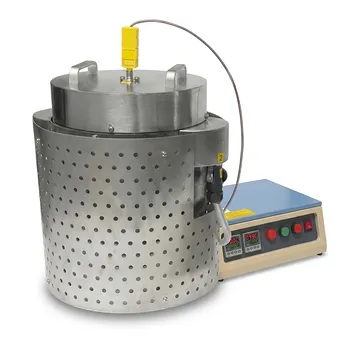
Vertical Crucible Furnace 1000C High Temperature Laboratory Equipment 4.7 Inch Diameter Chamber SS316 Anti Corrosive Enclosure
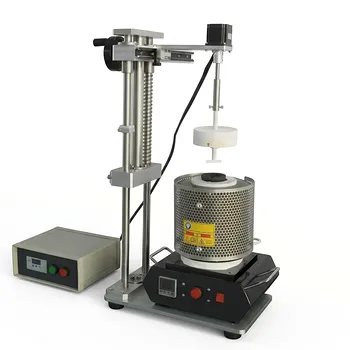
1100C Crucible Melting Furnace with Stirring Function for Glovebox and Air Sensitive Alloy Research
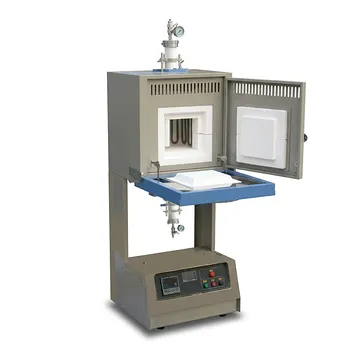
Vertical Hybrid High Temperature Furnace 1500C Alumina Tube SOFC Fuel Cell Testing Laboratory Heat Treatment Research Equipment
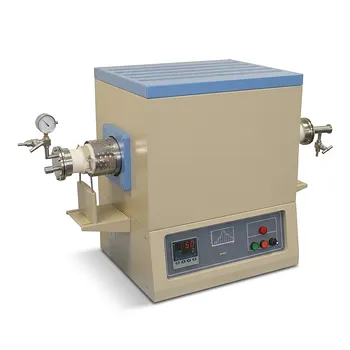
1700C High Temperature Alumina Tube Furnace with 18 Inch Heated Zone and Vacuum Sealing Flanges
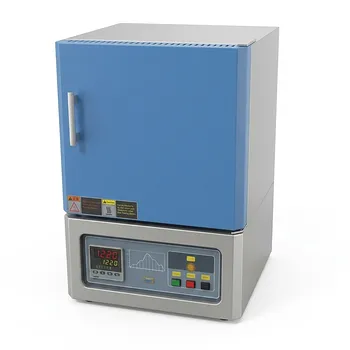
High Temperature Benchtop Muffle Furnace 1700C 10L Chamber Alumina Fiber Insulation MoSi2 Heating Elements
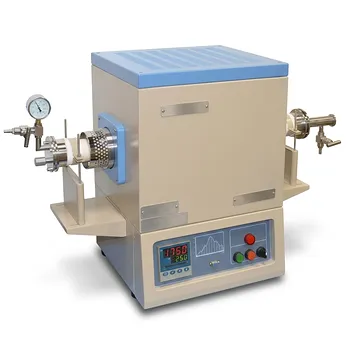
High Temperature Compact Vacuum Tube Furnace 1750C Max 60mm OD Alumina Tube
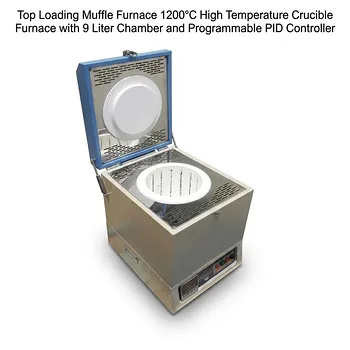
Top Loading Muffle Furnace 1200°C High Temperature Crucible Furnace with 9 Liter Chamber and Programmable PID Controller
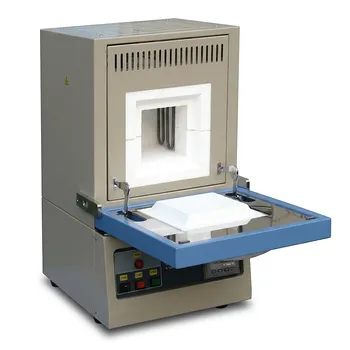
High Temperature 1800C Compact Muffle Furnace with Kanthal Super 1900 Heating Elements and 1.7L Alumina Chamber

Compact High Temperature 1600C Tube Furnace with 50mm Alumina Tube and Vacuum Flanges for Material Sintering

1800C High Temperature Compact Vacuum Tube Furnace with 60mm OD Alumina Tube and Kanthal MoSi2 Heating Elements
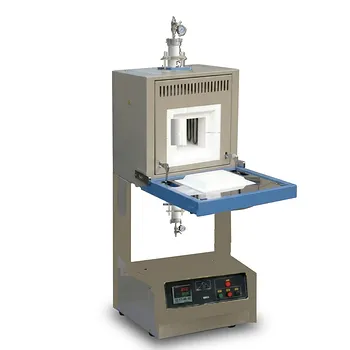
High Temperature Vertical Hybrid Furnace with Alumina Tube and SiC Heating for SOFC Coin Cell Testing and Atmosphere Processing
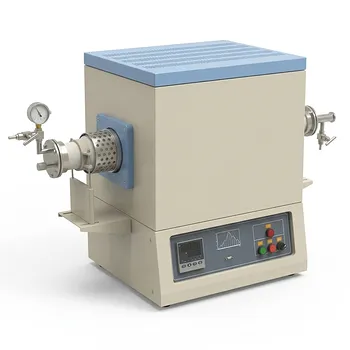
1750°C High Temperature Benchtop Vacuum Atmosphere Tube Furnace with Kanthal Super 1800 Heating Elements and 60mm Alumina Processing Tube
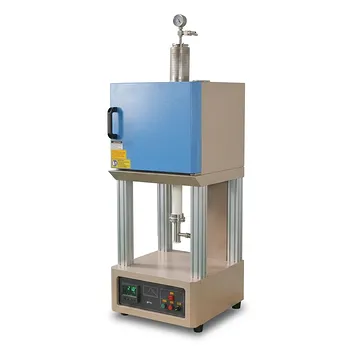
Hybrid High Temperature Tube and Box Furnace 1700C with 2 Inch Alumina Tube for Material Research
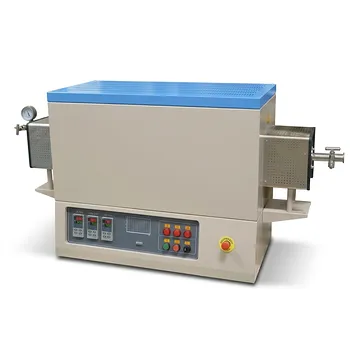
Three Zone Alumina Tube Furnace with Vacuum Flanges High Temperature 1700C Thermal Gradient CVD System
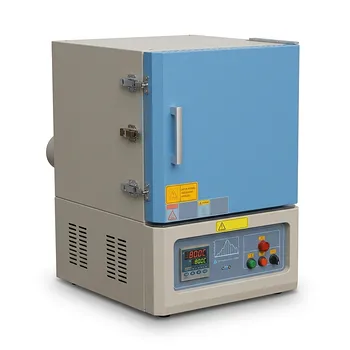
1800C Bench Top Muffle Furnace 18 Liters with Kanthal Super 1900 Heating Elements for High Purity Ceramic Sintering and Material Research