Why is a high-purity alumina sagger required during the high-temperature oxidation of nickel electrodes? Ensure Pure Results
Updated 3 months ago
High-purity alumina saggers are indispensable because they provide a chemically neutral and thermally stable environment during extreme heat cycles. At temperatures reaching 1000°C, these containers do not react with nickel or its resulting oxides, effectively preventing the migration of impurities into the electrode material. This ensures the integrity of the oxidation process, maintaining the high purity and repeatability required for high-performance electronic components.
Core Takeaway: High-purity alumina is used because its exceptional chemical inertness and thermal stability prevent cross-contamination and unwanted reactions, ensuring that the nickel electrode's properties are dictated solely by the intended oxidation process rather than interference from the container.
The Role of Chemical Inertness in Nickel Processing
Preventing Solid-State Reactions
At high temperatures, many materials become chemically active and can bond with the specimens they hold. High-purity alumina (Al2O3) remains inert, meaning it does not participate in solid-state reactions with nickel or the oxide scales that form on the electrode surface.
Maintaining Metal Purity
Lower-grade containers can leach elements like silicon or iron into the nickel during the oxidation phase. High-purity alumina acts as a barrier against this infiltration, ensuring the final nickel electrode remains free of metallic impurities that could compromise its conductivity or structural integrity.
Protecting Dielectric and Electronic Properties
For specialized materials like nickel-cobalt spinels, even trace contamination can ruin the dielectric constant and loss indicators. Using high-purity saggers ensures that the final electronic materials meet strict performance benchmarks without interference from container-sourced contaminants.
Thermal Stability and Structural Integrity
Resistance to Deformation and Softening
Standard materials may soften or sag when held at temperatures near 1000°C for extended periods. High-purity alumina maintains its structural shape and does not undergo significant deformation, providing a consistent support surface for the nickel electrodes.
Thermal Shock Resistance
The manufacturing process often involves rapid temperature changes which can cause inferior ceramics to crack. High-purity alumina is selected for its ability to withstand high-temperature thermal shock, ensuring the sagger remains intact throughout multiple heating and cooling cycles.
Eliminating Mass Fluctuations
In precise manufacturing or laboratory settings, the container must not gain or lose mass through evaporation or gas absorption. Alumina’s stability ensures that any mass increase recorded is strictly due to the nickel reacting with the oxygen in the atmosphere, not the container itself.
Understanding the Trade-offs
The Cost of High Purity
While high-purity alumina (typically 99% or higher) offers the best performance, it is significantly more expensive than standard refractory materials. This requires a balance between the purity requirements of the final electrode and the operational budget of the production line.
Brittleness and Handling Requirements
Despite its thermal strength, alumina is a ceramic and is inherently brittle. It requires careful handling and specific heating ramps to avoid mechanical failure, which can add complexity to the automated stages of the manufacturing process.
Strategic Implementation for Your Goal
How to Apply This to Your Project
- If your primary focus is material purity: Prioritize saggers with an alumina content of 99.5% or higher to eliminate the risk of silicon or iron migration into the nickel.
- If your primary focus is process repeatability: Use high-density alumina saggers to prevent the nickel oxides from penetrating the crucible walls, which allows the sagger to be reused without contaminating subsequent batches.
- If your primary focus is accurate data collection: Ensure the alumina sagger is pre-fired to a temperature higher than your oxidation treatment to eliminate any residual moisture or volatile organic compounds.
By selecting high-purity alumina, you ensure that the chemical evolution of your nickel electrodes remains entirely under your control.
Summary Table:
| Key Feature | High-Purity Alumina (≥99%) | Impact on Nickel Processing |
|---|---|---|
| Chemical Inertness | Non-reactive with Ni and NiO | Prevents cross-contamination and leaching |
| Thermal Stability | Resists deformation at 1000°C+ | Provides consistent support for electrodes |
| Thermal Shock | High resistance to rapid cycles | Ensures sagger longevity and process safety |
| Purity Barrier | Minimal trace elements (Si, Fe) | Protects dielectric and electronic properties |
Elevate Your Material Research with THERMUNITS
Precise thermal processing is the backbone of high-performance electronic components. THERMUNITS is a leading manufacturer of high-temperature laboratory equipment for material science and industrial R&D. We provide the advanced tools necessary to ensure your nickel electrodes and specialized materials meet the highest purity standards.
Our comprehensive range of thermal solutions includes:
- Furnaces: Muffle, Vacuum, Atmosphere, Tube, Rotary, and Hot Press furnaces.
- Advanced Systems: CVD/PECVD systems, Vacuum Induction Melting (VIM) furnaces, and Electric Rotary Kilns.
- Specialized Equipment: Dental Furnaces, Thermal Elements, and diverse laboratory heat treatment solutions.
Ready to eliminate contamination and optimize your heat treatment workflow? Contact our experts today to find the perfect equipment tailored to your specific R&D or industrial requirements!
References
- Guanzhi Wang, Michael C. Tucker. Simple processing via thermal treatment and catalyst infiltration to enhance nickel electrode performance for liquid alkaline water electrolyzers. DOI: 10.1016/j.ijhydene.2024.06.246
Mentioned Products
- Vertical Hybrid High Temperature Furnace 1500C Alumina Tube SOFC Fuel Cell Testing Laboratory Heat Treatment Research Equipment
- High Temperature 1700C 4 Channel Tube Furnace 1 Inch Alumina Tube for Hi-Throughput Annealing
- 1700C High Temperature Alumina Tube Furnace with 18 Inch Heated Zone and Vacuum Sealing Flanges
- High Temperature Compact Vacuum Tube Furnace 1750C Max 60mm OD Alumina Tube
- High Temperature Benchtop Muffle Furnace 1700C 10L Chamber Alumina Fiber Insulation MoSi2 Heating Elements
People Also Ask
- What role does a laboratory furnace play in polyester-based porous carbon activation? Optimize Pore Engineering & R&D
- How does a high-temperature solution furnace affect the evolution of strengthening phases in Fe-Co-Mo alloys? Expert Guide
- Which materials are used for thermal elements in furnaces exceeding 1,500°C? Expert Guide to Extreme Heat Solutions
- How does final coking temperature influence carbon structure? Optimize Thermal Precision for High-Performance Materials
- Why is a high-purity nitrogen atmosphere required during carbonization of OMC? Protect Your Material Integrity

Tech Team · ThermUnits
Last updated on Jun 03, 2026
Related Products
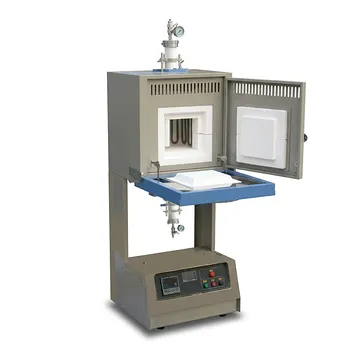
Vertical Hybrid High Temperature Furnace 1500C Alumina Tube SOFC Fuel Cell Testing Laboratory Heat Treatment Research Equipment
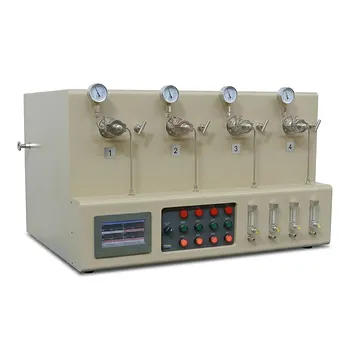
High Temperature 1700C 4 Channel Tube Furnace 1 Inch Alumina Tube for Hi-Throughput Annealing
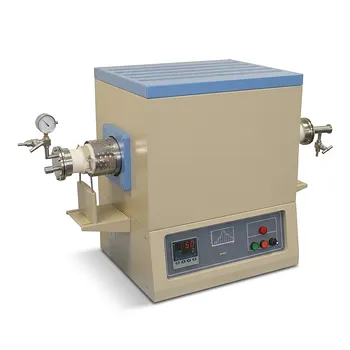
1700C High Temperature Alumina Tube Furnace with 18 Inch Heated Zone and Vacuum Sealing Flanges
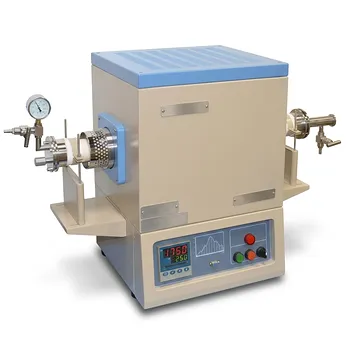
High Temperature Compact Vacuum Tube Furnace 1750C Max 60mm OD Alumina Tube
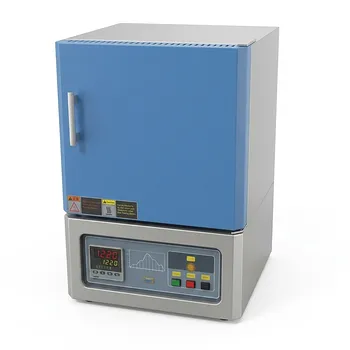
High Temperature Benchtop Muffle Furnace 1700C 10L Chamber Alumina Fiber Insulation MoSi2 Heating Elements

Compact High Temperature 1600C Tube Furnace with 50mm Alumina Tube and Vacuum Flanges for Material Sintering
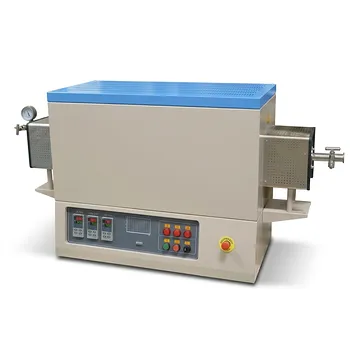
Three Zone Alumina Tube Furnace with Vacuum Flanges High Temperature 1700C Thermal Gradient CVD System
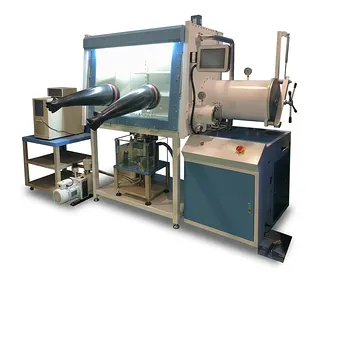
High Temperature Induction Melting System with Integrated Ultra High Purity Glove Box for Metallic Alloy Processing

1750°C High Temperature Benchtop Vacuum Atmosphere Tube Furnace with Kanthal Super 1800 Heating Elements and 60mm Alumina Processing Tube
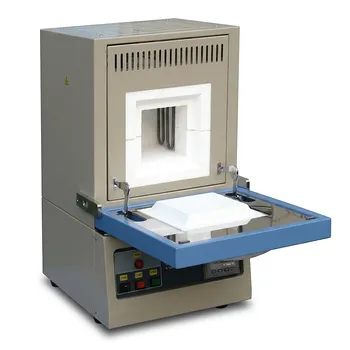
High Temperature 1800C Compact Muffle Furnace with Kanthal Super 1900 Heating Elements and 1.7L Alumina Chamber

1800C High Temperature Compact Vacuum Tube Furnace with 60mm OD Alumina Tube and Kanthal MoSi2 Heating Elements
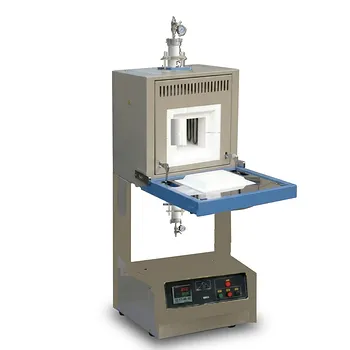
High Temperature Vertical Hybrid Furnace with Alumina Tube and SiC Heating for SOFC Coin Cell Testing and Atmosphere Processing
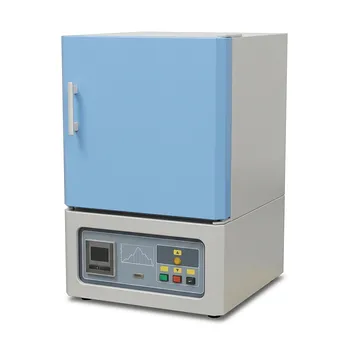
1800C Bench Top Muffle Furnace with Kanthal Super 1900 Heating Elements and 3.6L Alumina Fiber Chamber
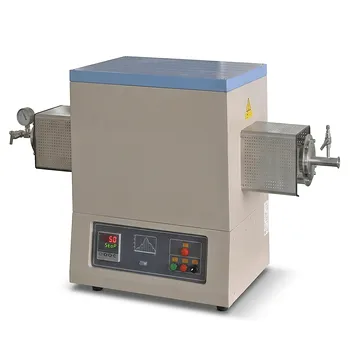
High Temperature 1700C Tube Furnace with 4 Inch OD Alumina Tube and Vacuum Sealing Flanges

High Temperature 1700C Six Zone Split Tube Furnace with Alumina Tube and Water Cooled Flanges
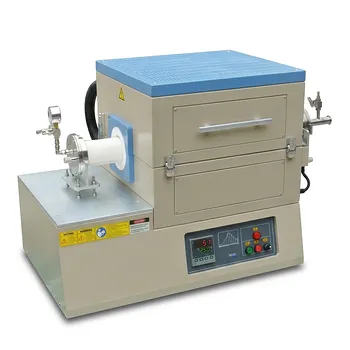
High Temperature 1700C Split Tube Furnace with Vacuum Flanges Valves and 60mm Alumina Tube
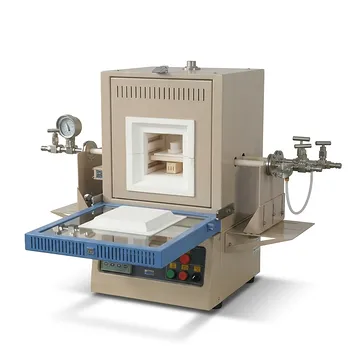
1700C Compact Hybrid Furnace with Dual Layer Box Sintering and Controlled Atmosphere Alumina Tubes