Why is a high-temperature tube furnace with inert atmosphere needed for single-atom nanozymes? Essential Synthesis Guide
Updated 3 months ago
A high-temperature tube furnace with inert atmosphere protection is the fundamental environment for "thermal anchoring" and carbonization. It provides the intense thermal energy (typically 850°C to 900°C) required to decompose precursors and embed individual metal atoms into a stable carbon lattice. Without inert gas protection, the carbon carrier would undergo oxidative ablation, burning away before the catalyst can form.
The furnace serves a dual purpose: it acts as a high-energy reactor to drive the chemical bonding of atoms into specific coordination sites and as a vacuum-sealed shield that prevents the oxygen-driven destruction of the support material.
The Mechanics of Thermal Anchoring and Carbonization
Enabling High-Temperature Phase Transformations
The synthesis of single-atom nanozymes (SANs) requires temperatures high enough to trigger the carbonization of organic precursors. At temperatures such as 850°C, the polymer or organic framework decomposes, leaving behind a conductive carbon skeleton. This energy is also necessary for metal atoms to overcome activation energy barriers, allowing them to migrate and settle into stable defect sites within the support.
Facilitating Atomic Coordination
The furnace environment allows metal atoms to form specific coordination geometries, such as Cu-N3 or Cu-N4. These specific configurations are critical because they dictate the final catalytic performance and "enzymatic" activity of the material. By maintaining a stable thermal environment, the equipment ensures these atoms are thermally anchored rather than allowing them to cluster into inactive bulk particles.
Structural Engineering of the Carrier
The tube furnace allows for the creation of sophisticated architectures, such as lotus-root-like multi-channel structures or hollow shells. As precursors like PMMA decompose and escape as gas, the controlled heat leaves behind pores and channels. These structures increase the available surface area and storage space, which are essential for high-performance sensing and catalysis.
The Vital Role of Inert Atmosphere Protection
Preventing Oxidative Ablation
At temperatures exceeding 400°C, carbon materials will react with oxygen and undergo oxidative combustion. The continuous introduction of high-purity inert gases, such as Argon (Ar) or Nitrogen (N2), excludes oxygen from the system. This protection ensures that the carbon carrier remains intact to provide a structural foundation for the metal atoms.
Maintaining Electronic Valence States
Inert or reducing atmospheres (such as H2/Ar mixtures) prevent the oxidation of transition metals, phosphides, or sulfides. If oxygen is present, it can introduce impurities that alter the electronic valence states of the active sites. By maintaining a strictly oxygen-free environment, the furnace preserves the intended chemical state of the catalyst, ensuring maximum electrocatalytic performance.
Controlling Atomic Aggregation
A controlled atmosphere, combined with precise heating rates, prevents metal atoms from migrating together to form nanoparticles or clusters. In a reducing atmosphere, the environment can be tuned to keep metals in their single-atom state. This is the "gold standard" for nanozymes, as it maximizes atom utilization and creates highly uniform active sites.
Understanding the Trade-offs and Challenges
The Risk of Gas Purity and Flow
Even trace amounts of oxygen in the inert gas supply can lead to surface oxidation or the degradation of the carbon skeleton. High-purity gas (99.999%) is often required, which increases operational costs. Furthermore, improper gas flow rates can lead to uneven temperature gradients within the tube, resulting in inconsistent batches of material.
Balancing Temperature and Stability
While higher temperatures are better for carbonization and conductivity, they also increase the risk of atomic sintering (the merging of atoms). If the temperature is too high or the holding time is too long, the single atoms may lose their coordination and aggregate into clusters. Finding the "sweet spot" between high-degree carbonization and atomic isolation is a complex optimization task.
How to Apply This to Your Synthesis Project
Choosing the Right Parameters for Your Goal
To achieve the best results in your nanozyme synthesis, tailor your furnace settings to the specific chemistry of your precursor and target metal.
- If your primary focus is maximizing conductivity: Prioritize higher carbonization temperatures (above 800°C) and longer holding times under high-purity argon.
- If your primary focus is preventing metal aggregation: Utilize a slower heating rate (e.g., 2°C/min) and consider a hydrogen/argon (H2/Ar) reducing atmosphere to stabilize the metal species.
- If your primary focus is creating porous structures: Use multi-stage temperature programming to allow volatile components to escape slowly before the final high-temperature anchoring stage.
By mastering the balance between thermal energy and atmospheric protection, you can transform bulk precursors into highly efficient, single-atom catalysts with precision and consistency.
Summary Table:
Key Roles of Inert Atmosphere Tube Furnaces in Nanozyme Synthesis
| Feature | Mechanism | Synthesis Benefit |
|---|---|---|
| Thermal Anchoring | High heat (850°C-900°C) | Embeds metal atoms into stable carbon lattices without clustering. |
| Inert Protection | Argon/Nitrogen flow | Prevents carbon carrier ablation and maintains metal valence states. |
| Atomic Isolation | Controlled cooling/heating | Prevents metal sintering, maximizing catalytic atom utilization. |
| Pore Engineering | Gas release control | Creates lotus-root-like porous structures for higher surface area. |
Elevate Your R&D Precision with THERMUNITS High-Temperature Solutions
Successful single-atom nanozyme synthesis requires more than just heat; it requires absolute environmental control. THERMUNITS is a leading manufacturer of high-precision laboratory equipment designed specifically for the rigorous demands of material science and industrial R&D.
Our thermal processing solutions, including Tube, Atmosphere, Vacuum, and CVD/PECVD furnaces, are engineered to provide the stable thermal energy and high-purity atmosphere protection needed for perfect atomic coordination and carbonization. Whether you are working on electrocatalysis or advanced sensing materials, our equipment ensures:
- Uniform Temperature Distribution: Eliminate inconsistent batches.
- Advanced Gas Management: Maintain high-purity environments for oxygen-sensitive materials.
- Scalable Solutions: From laboratory Dental and Muffle furnaces to industrial Rotary kilns and Vacuum Induction Melting (VIM) systems.
Don't let equipment limitations hinder your breakthrough. Contact THERMUNITS today to discuss your specific heat treatment requirements and discover how our advanced furnaces can optimize your synthesis outcomes!
References
- Jiabin Wu, Yadong Li. Enhancing radiation-resistance and peroxidase-like activity of single-atom copper nanozyme via local coordination manipulation. DOI: 10.1038/s41467-024-50416-8
Mentioned Products
- 800C High Magnetic Field Compatible Tube Furnace 100mm ID 190mm OD Inert Atmosphere Research System
- 1200C Hybrid Muffle and Tube Furnace for Material Research with Dual Atmosphere Control Quartz Tubes
- Bottom Loaded Inert Gas Atmosphere Box Furnace 1400C Maximum Temperature 125L High Capacity Laboratory Heat Treatment System
- 1400C Bottom Loaded Inert Gas Atmosphere Box Furnace with 125L Capacity and Precision Hydraulic Lift
- Bottom Loaded Inert Gas Atmosphere Box Furnace 1700C 1300C 216L Large Capacity Industrial Thermal Processing System
People Also Ask
- What is the operational mechanism of copper foil acting as an oxygen trap? Enhancing Material Synthesis Purity
- What are the advantages of a tube furnace for catalyst calcination? Optimize phase purity and particle dispersion.
- What is the role of a high-precision tube furnace in magnetite catalyst preparation? Master phase-controlled reduction.
- Why is a nitrogen-equipped tube furnace essential for Nitrogen-doped Carbon? Maximize yield and doping precision.
- Why use a tube atmosphere furnace with nitrogen for MDBC carbonization? Ensure High Yield & Material Integrity

Tech Team · ThermUnits
Last updated on Jun 03, 2026
Related Products
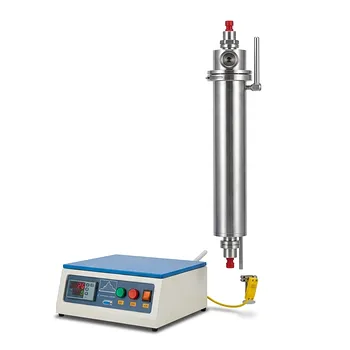
800C High Magnetic Field Compatible Tube Furnace 100mm ID 190mm OD Inert Atmosphere Research System
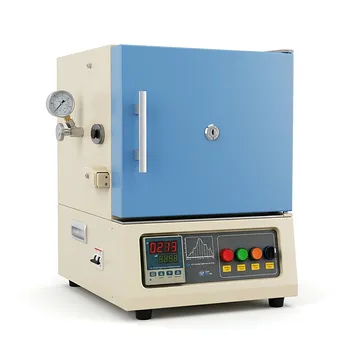
1200C Hybrid Muffle and Tube Furnace for Material Research with Dual Atmosphere Control Quartz Tubes
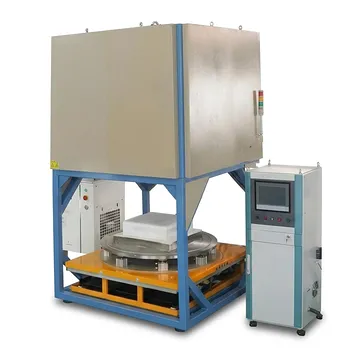
Bottom Loaded Inert Gas Atmosphere Box Furnace 1400C Maximum Temperature 125L High Capacity Laboratory Heat Treatment System
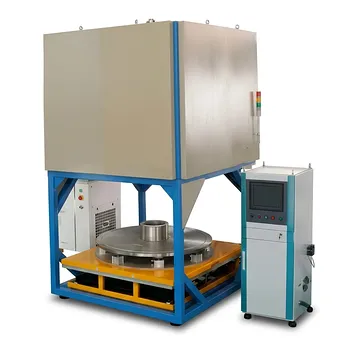
1400C Bottom Loaded Inert Gas Atmosphere Box Furnace with 125L Capacity and Precision Hydraulic Lift
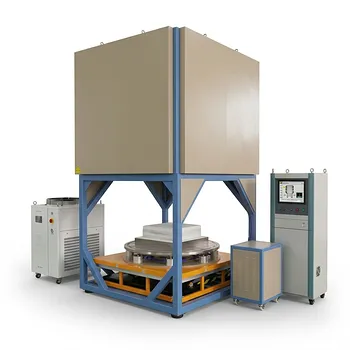
Bottom Loaded Inert Gas Atmosphere Box Furnace 1700C 1300C 216L Large Capacity Industrial Thermal Processing System
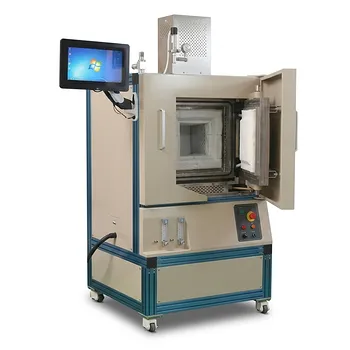
High Temperature Oxygen and Inert Atmosphere Controlled Furnace 8 Liter 1700C Sintering System for Advanced Materials RD
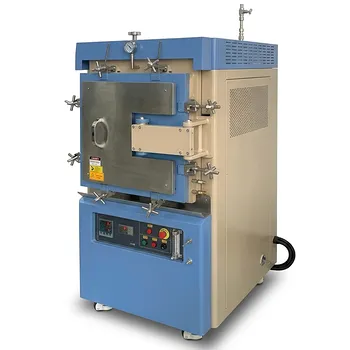
Atmosphere Controlled Muffle Furnace 1700C Maximum Temperature 80L High Capacity Vacuum Inert Gas Box Furnace

Compact Vertical Split Quartz Tube Furnace with Stainless Steel Vacuum Flanges for Rapid Thermal Quenching and Controlled Atmosphere Material Processing
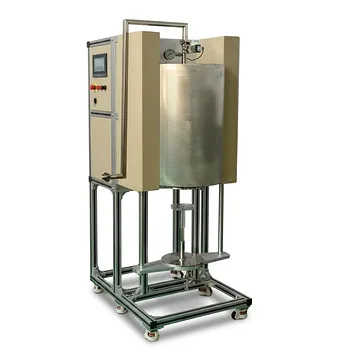
1200°C Atmosphere Controlled Automatic Bottom Loading Furnace with 6 Inch Quartz Tube

Vertical 1700C Vacuum and Atmosphere Tube Furnace with 80mm Alumina Tube
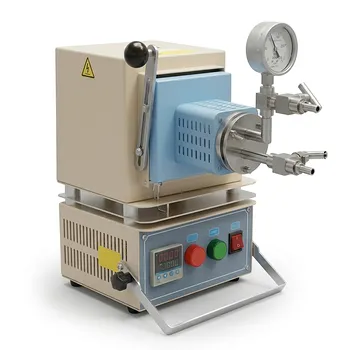
Compact Hybrid Muffle and Tube Furnace for 1000C Controlled Atmosphere Laboratory Material Sintering
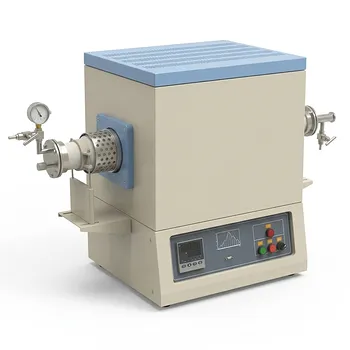
1750°C High Temperature Benchtop Vacuum Atmosphere Tube Furnace with Kanthal Super 1800 Heating Elements and 60mm Alumina Processing Tube
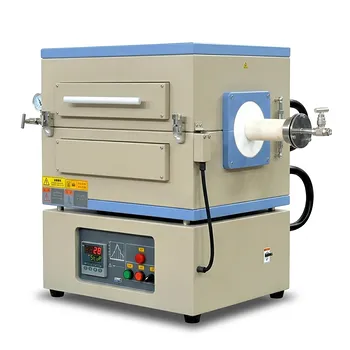
1500°C Split Tube Furnace with Alumina Tube and Vacuum Sealing Flanges for Material Research
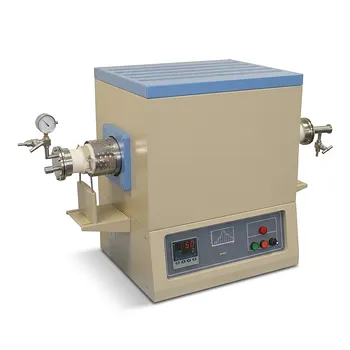
1700C High Temperature Alumina Tube Furnace with 18 Inch Heated Zone and Vacuum Sealing Flanges
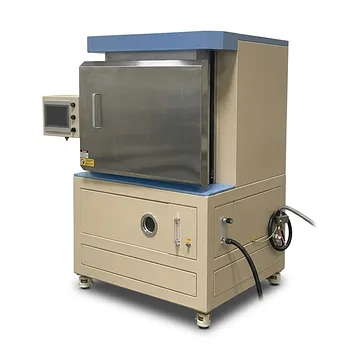
1650C High Temperature Atmosphere Controlled Box Furnace with 65L Chamber for Advanced Material Sintering and Industrial Heat Treatment
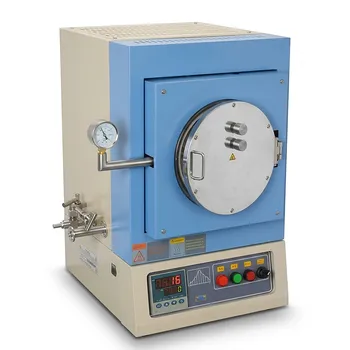
1100°C High Temperature Quartz Chamber Furnace 8 Inch OD with 7.6 Liter Capacity and Vacuum Atmosphere Capability
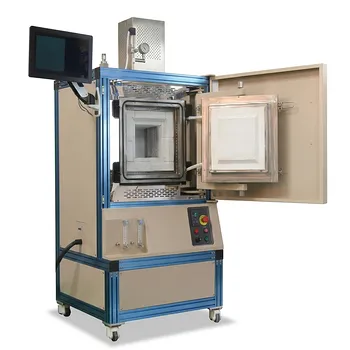
High Temperature Hydrogen Atmosphere Box Furnace 1650C Max Reducing Environment Material Synthesis System 8x8x8 Chamber

High Temperature 1700C Vertical Tube Furnace for Powder Spherification and Material Sintering

Compact High Temperature 1600C Tube Furnace with 50mm Alumina Tube and Vacuum Flanges for Material Sintering
