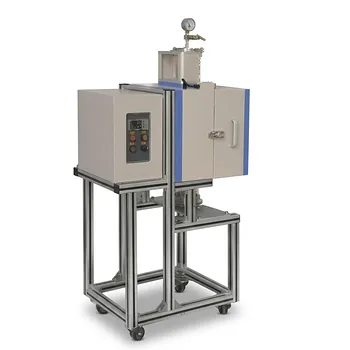
Why is a nitrogen-equipped tube furnace essential for Nitrogen-doped Carbon? Maximize yield and doping precision.
Updated 3 months ago
The essential role of a nitrogen-equipped tube furnace is to provide a strictly controlled, oxygen-free environment that prevents the oxidative combustion of carbon while enabling the precise chemical integration of nitrogen atoms. By maintaining an inert atmosphere at temperatures typically between 700°C and 900°C, the furnace ensures high carbon yield, preserves delicate nanostructures, and facilitates the development of specific electronic properties required for high-performance materials.
Core Takeaway: A nitrogen atmosphere tube furnace is a dual-purpose tool that acts as both a protective shield against material loss and a chemical reactor that enables deep carbonization, in-situ nitrogen doping, and the removal of interfering byproducts.
Preventing Oxidative Loss and Material Combustion
The Critical Role of Oxygen Exclusion
At the high temperatures required for calcination (ranging from 400°C to 1000°C), carbon materials react violently with even trace amounts of oxygen. Without a protective nitrogen atmosphere, the carbon precursor would undergo non-selective oxidation or direct combustion, turning into CO2 gas and resulting in zero yield.
Preserving Structural Integrity
The tube furnace allows for the synthesis of complex morphologies, such as one-dimensional hollow tubes or two-dimensional nanosheets. The inert environment prevents "thermal erosion," ensuring these delicate structures do not collapse or burn away during the heating cycle.
Maximizing Carbon Yield
By displacing air with high-purity nitrogen, the furnace ensures that the maximum amount of the organic precursor is converted into stable carbon. This is particularly vital when working with biomass or expensive synthetic precursors where high carbon yield is a primary performance metric.
Facilitating Chemical Synthesis and Nitrogen Doping
In-situ Nitrogen Integration
The high-temperature environment within the tube facilitates the thermal rearrangement of atoms, allowing nitrogen from the source to be successfully integrated into the carbon framework. This process forms essential functional groups, such as quaternary nitrogen (N-Q), which are critical for the material's final chemical activity.
Enhancing Electrical Conductivity
The precise thermal control provided by the furnace promotes graphitization, the process of arranging carbon atoms into a more ordered, crystalline structure. This structural refinement significantly enhances the electrical conductivity of nitrogen-doped hard carbon electrodes used in batteries and supercapacitors.
Optimizing Porosity and Active Sites
A nitrogen atmosphere allows for the development of active defect sites and specific pore structures. This porosity is essential for applications like adsorption and catalysis, where a high surface area is needed for molecular interactions.
Managing the Chemical Environment
Removal of Volatile Byproducts
During carbonization, materials release byproduct gases such as CO, CO2, and other volatiles. The continuous flow of nitrogen acts as a sweep gas, efficiently removing these components to prevent excessive carbon deposition that could clog pores or alter the material's surface chemistry.
Maintaining Stable Chemical Potential
By constantly flushing the reaction zone, the tube furnace ensures that the gas-phase reactions occur within a stable chemical potential environment. This stability is necessary for uniform nitrogen doping and consistent material quality across different production batches.
Carrier Gas Functionality
In some processes, the nitrogen flow serves as a carrier gas that transports sublimated vapors, such as phosphorus or sulfur, over the sample. This ensures a homogeneous chemical vapor reaction, allowing for the creation of multi-doped carbon materials with uniform morphology.
Understanding the Trade-offs
Nitrogen Purity vs. Cost
While "industrial grade" nitrogen is cheaper, high-performance carbon synthesis often requires high-purity nitrogen (99.99% or higher). Trace oxygen in lower-grade nitrogen can still cause pitting or surface oxidation, which may degrade the electrochemical performance of the final product.
Flow Rate Equilibrium
Maintaining the correct nitrogen flow rate is a delicate balance. If the flow is too low, byproduct gases can accumulate and interfere with the doping process; if it is too high, it may cause temperature fluctuations across the sample or lead to the unnecessary waste of gas.
Temperature Uniformity Limits
Despite the precision of tube furnaces, the "cold ends" of the tube can lead to temperature gradients. If the sample is too large or improperly placed, different sections may experience different degrees of graphitization, leading to inconsistent material properties.
How to Apply This to Your Project
Recommendations for Material Optimization
- If your primary focus is maximum electrical conductivity: Prioritize higher calcination temperatures (800°C–900°C) within the nitrogen atmosphere to maximize the degree of graphitization.
- If your primary focus is high surface area and porosity: Ensure a high nitrogen flow rate to effectively remove volatile byproducts and prevent pore blockages during the pyrolysis phase.
- If your primary focus is preserving delicate nanostructures: Use a slower heating ramp rate within the inert atmosphere to allow for gradual structural rearrangement without thermal shock.
- If your primary focus is high nitrogen content: Focus on the 600°C–700°C temperature range where nitrogen integration is often most efficient before thermal leaching occurs at higher temperatures.
The strategic use of a nitrogen-equipped tube furnace transforms a simple heating process into a sophisticated chemical synthesis environment, ensuring the structural and functional integrity of advanced carbon materials.
Summary Table:
| Feature | Benefit for Carbon Materials | Key Parameter |
|---|---|---|
| Oxygen Exclusion | Prevents combustion and oxidative material loss | <100 ppm O2 |
| In-situ Doping | Facilitates chemical integration of Nitrogen atoms | 700°C - 900°C |
| Flow Control | Efficiently removes volatile chemical byproducts | Stable Gas Flow |
| Thermal Precision | Enhances graphitization and electrical conductivity | 400°C - 1000°C |
| Structural Support | Preserves delicate nanostructures and morphology | Slow Ramp Rate |
Elevate Your Material Research with THERMUNITS
High-performance nitrogen-doped carbon synthesis requires absolute atmospheric control and thermal precision. THERMUNITS is a leading manufacturer of high-temperature laboratory equipment for material science and industrial R&D. We empower researchers with the tools needed to achieve high-yield, high-purity results in every experiment.
Our comprehensive range of thermal processing solutions includes:
- Tube & Atmosphere Furnaces (Ideal for Nitrogen-doping and Calcination)
- Muffle, Vacuum, Rotary, and Hot Press Furnaces
- Advanced CVD/PECVD Systems
- Dental Furnaces & Electric Rotary Kilns
- Vacuum Induction Melting Furnaces (VIM)
- Thermal Elements and custom heat treatment equipment
Ready to optimize your lab’s efficiency and material quality?
Contact our technical experts today to discuss your specific high-temperature requirements!
References
- Wenxiu Gao, Yongcun Zou. Nitrogen-doped carbon material NCM-<i>T</i> heterogeneously catalyzed liquid-phase hydrogenation of nitrobenzene to aniline. DOI: 10.1039/d4ra00078a
Mentioned Products
- Vertical 1700C Vacuum and Atmosphere Tube Furnace with 80mm Alumina Tube
- 800C High Magnetic Field Compatible Tube Furnace 100mm ID 190mm OD Inert Atmosphere Research System
- Compact Vertical Split Quartz Tube Furnace with Stainless Steel Vacuum Flanges for Rapid Thermal Quenching and Controlled Atmosphere Material Processing
- Three Zone Tube Furnace with 11 Inch or 15 Inch Quartz Tube and Hinged Flanges for Vacuum Atmosphere Heat Treatment
- 1700C High Temperature Alumina Tube Furnace with 18 Inch Heated Zone and Vacuum Sealing Flanges
People Also Ask
- How is an industrial-grade vertical tube furnace utilized in smelting leaching residues? Enhance Metal Recovery Efficiency
- What is the function of a laboratory-grade vertical tube furnace in fast pyrolysis? Optimize Composite Research.
- How does a vertical tube furnace facilitate thermoelectric alloy melting? Precision synthesis for material homogeneity.
- Why is a thermocouple sensor indispensable for monitoring the vertical tube furnace during gallium oxide nanowire production? Optimize VLS Growth
- What are the advantages of using a vertical tube furnace for crucible experiments simulating steel-slag interactions?

Tech Team · ThermUnits
Last updated on Jun 03, 2026
Related Products
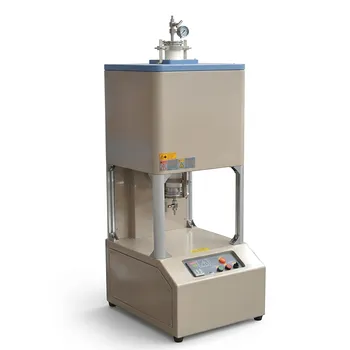
Vertical 1700C Vacuum and Atmosphere Tube Furnace with 80mm Alumina Tube
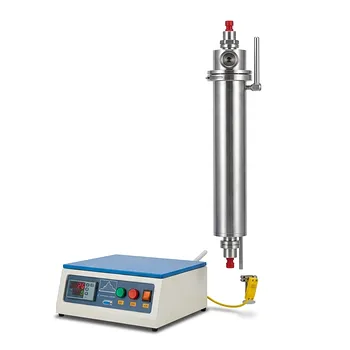
800C High Magnetic Field Compatible Tube Furnace 100mm ID 190mm OD Inert Atmosphere Research System
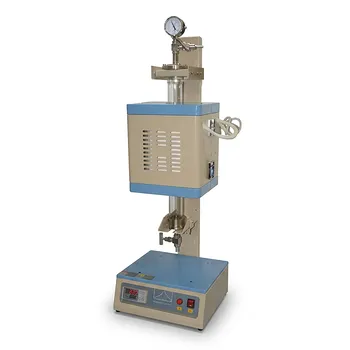
Compact Vertical Split Quartz Tube Furnace with Stainless Steel Vacuum Flanges for Rapid Thermal Quenching and Controlled Atmosphere Material Processing
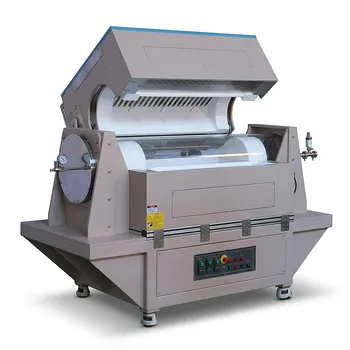
Three Zone Tube Furnace with 11 Inch or 15 Inch Quartz Tube and Hinged Flanges for Vacuum Atmosphere Heat Treatment
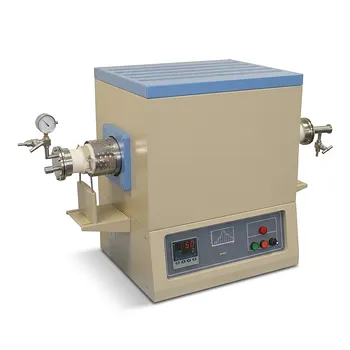
1700C High Temperature Alumina Tube Furnace with 18 Inch Heated Zone and Vacuum Sealing Flanges
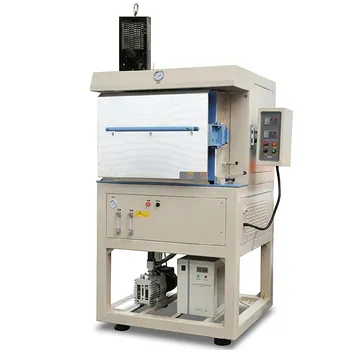
1200C Hydrogen Atmosphere Box Furnace with 5 Heated Sides and 64L Chamber
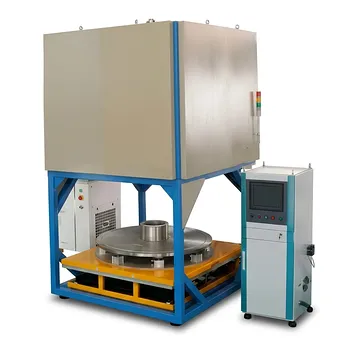
1400C Bottom Loaded Inert Gas Atmosphere Box Furnace with 125L Capacity and Precision Hydraulic Lift
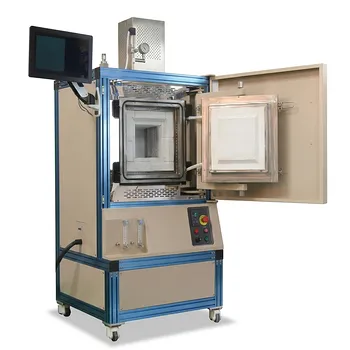
High Temperature Hydrogen Atmosphere Box Furnace 1650C Max Reducing Environment Material Synthesis System 8x8x8 Chamber
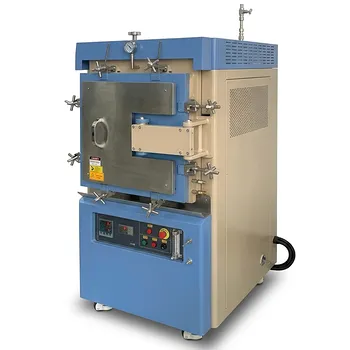
Atmosphere Controlled Muffle Furnace 1700C Maximum Temperature 80L High Capacity Vacuum Inert Gas Box Furnace
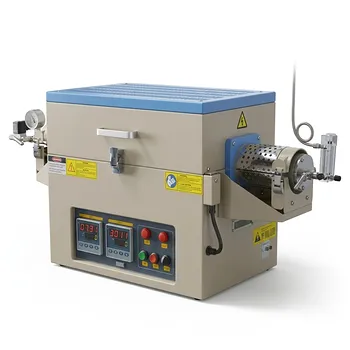
1100C Dual Zone Hydrogen Gas Tube Furnace with Quartz Tube and Integrated H2 Leak Detection System
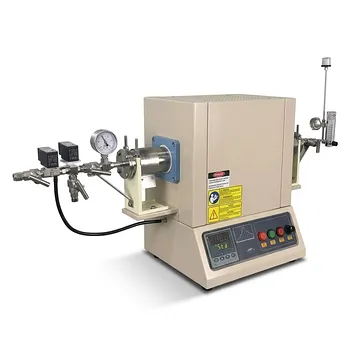
1500C Compact Hydrogen Gas Tube Furnace with 2 Inch Alumina Tube and Hydrogen Detector
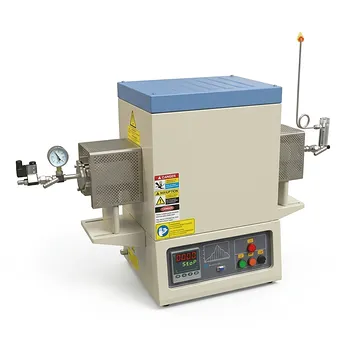
1700C Hydrogen Gas Tube Furnace with 60mm Alumina Process Tube and Integrated Hydrogen Safety Detector
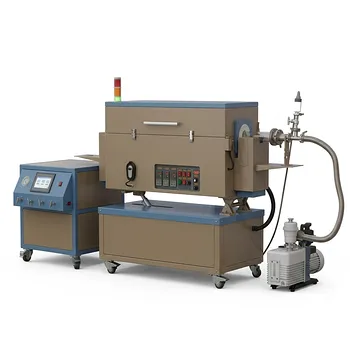
5 Inch Three Zone Rotary Tube Furnace with Integrated Gas Delivery System and 1200C Capability for Advanced Material CVD Processing

High Temperature 1700C Vertical Tube Furnace for Powder Spherification and Material Sintering
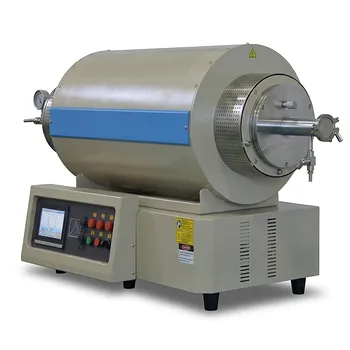
1200C Max Three Zone Tube Furnace 6 Inch OD Max with Tube and Flange
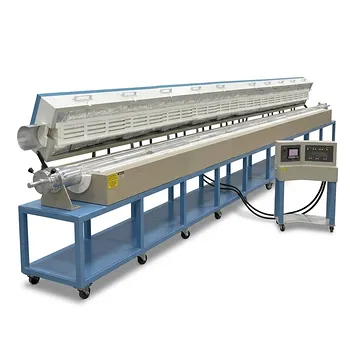
12 Zone Ultra Long Split Tube Furnace with 20 Foot Quartz Tube and 1100C Max Temperature
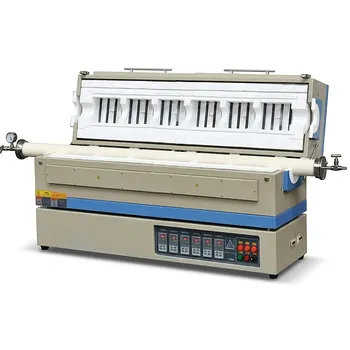
High Temperature 1700C Six Zone Split Tube Furnace with Alumina Tube and Water Cooled Flanges
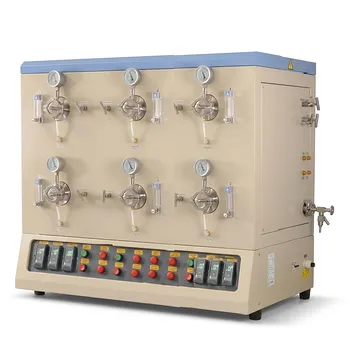
1200C High Throughput Multi Channel Tube Furnace with 50mm Quartz Tubes for Annealing and Material Phase Diagram Research

High Temperature Automated 5 Inch Tube Furnace for Autonomous Material Research and Advanced Laboratory R&D