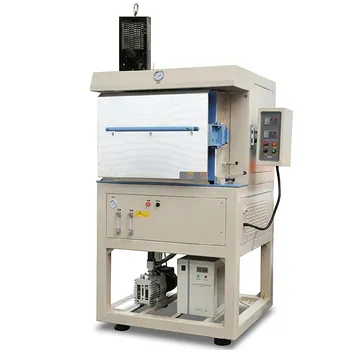
Why use a tube atmosphere furnace with nitrogen for MDBC carbonization? Ensure High Yield & Material Integrity
Updated 3 months ago
The carbonization of Magnetic Bamboo Charcoal (MDBC) requires a tube atmosphere furnace with nitrogen gas to facilitate controlled pyrolysis while preventing oxidative combustion. This specific setup ensures that the bamboo precursors undergo a thermal breakdown in an oxygen-free environment, which is essential for preserving the material's structural integrity, maximizing carbon yield, and developing the specific functional groups required for magnetic properties.
Using an atmosphere-controlled tube furnace with high-purity nitrogen transforms a simple heating process into a precise chemical synthesis. This environment isolates the bamboo from oxygen, allowing for the formation of a sophisticated carbon skeleton and the retention of critical active sites that would otherwise be lost to ash through aerobic burning.
Preventing Oxidative Destruction
The Elimination of Aerobic Combustion
At temperatures between 400°C and 1000°C, bamboo will naturally ignite and turn to ash if oxygen is present. Nitrogen acts as an inert protective shield, displacing oxygen to ensure the material undergoes pyrolysis (thermal decomposition) rather than combustion.
Preservation of Delicate Microstructures
MDBC often relies on intricate one-dimensional hollow tubes and two-dimensional nanosheet structures for its performance. Without the protection of a nitrogen atmosphere, these delicate features are susceptible to thermal erosion and oxidative ablation, which can destroy the material's surface morphology.
Importance of the Pre-Carbonization Purge
Before the heating cycle begins, nitrogen is used to purge the furnace chamber to exhaust all residual air. Even trace amounts of oxygen left in the tube can cause the oxidative loss of lignin fibers, significantly reducing the final carbon conversion efficiency.
Structural Evolution and Chemical Integrity
Developing the Carbon Skeleton
The absence of oxygen allows the biomass molecular structures to undergo orderly dehydration and rearrangement. This controlled environment is what enables the bamboo to transform into a stable carbon skeleton while maintaining its physical shape and structural porosity.
Optimization of Functional Groups
A tube furnace allows for the formation of specific oxygen-containing functional groups and active defect sites. These chemical markers are vital for the magnetic loading process and the overall reactivity of the charcoal in its final application.
Enhancing Conductivity through Graphitization
High-temperature treatment in an inert environment promotes the graphitization of the carbon structure. This thermal rearrangement of atoms, specifically between 700°C and 900°C, significantly improves the electrical conductivity and kinetic performance of the resulting material.
The Technical Necessity of the Tube Design
Precise Thermal Field Management
Unlike standard muffle furnaces, a tube furnace provides a highly uniform thermal field and precise temperature ramping. This consistency is critical for achieving a uniform degree of carbonization across the entire sample of bamboo.
Controlled Gas Dynamics
The tube architecture allows for a continuous and steady flow of nitrogen, which effectively sweeps away volatile byproducts released during pyrolysis. This prevents secondary reactions between the volatiles and the solid carbon, which could otherwise clog pores or alter the carbon's chemistry.
Understanding the Trade-offs and Pitfalls
Gas Purity and Flow Rates
Using low-purity nitrogen can introduce "stealth" oxygen into the system, leading to partial oxidation that weakens the carbon structure. Similarly, if the flow rate is too low, stagnant pockets of air or volatile gases may remain; if it is too high, it may cause excessive cooling or physical disturbance of the material.
Sealing and Atmospheric Integrity
The effectiveness of a tube furnace is entirely dependent on the integrity of its seals. A minor leak in the vacuum flanges or O-rings can allow atmospheric oxygen to enter under high-temperature conditions, leading to "white ash" formation and the total loss of the batch.
Making the Right Choice for Your Goal
How to Apply This to Your Project
To ensure the successful synthesis of Magnetic Bamboo Charcoal, your operational parameters must align with your desired material properties:
- If your primary focus is maximizing carbon yield: Ensure a rigorous nitrogen purge of at least 30 minutes prior to heating to eliminate all trace oxygen.
- If your primary focus is high surface area and porosity: Maintain a steady, moderate nitrogen flow rate to effectively remove volatile byproducts without disrupting pore formation.
- If your primary focus is electrical conductivity or graphitization: Utilize the upper temperature limits (800°C–1000°C) of the tube furnace while ensuring the inert atmosphere remains strictly oxygen-free.
Success in creating high-quality Magnetic Bamboo Charcoal depends on the synergy between precise temperature control and the absolute exclusion of oxygen through consistent nitrogen flow.
Summary Table:
| Key Feature | Role in MDBC Carbonization | Primary Benefit |
|---|---|---|
| Nitrogen Atmosphere | Displaces oxygen and prevents combustion | Maximizes carbon yield and avoids ash formation |
| Tube Design | Provides a highly uniform thermal field | Ensures consistent carbonization across samples |
| Controlled Flow | Effectively sweeps away volatile byproducts | Maintains high surface area and structural porosity |
| Inert Environment | Facilitates graphitization at 700°C–900°C | Enhances electrical conductivity and kinetics |
| Sealing Integrity | Prevents atmospheric oxygen ingress | Protects delicate one-dimensional microstructures |
Elevate Your Material Research with THERMUNITS
Are you looking to optimize the carbonization of Magnetic Bamboo Charcoal or other advanced materials? THERMUNITS is a leading manufacturer of high-precision laboratory and industrial thermal processing equipment. We empower researchers and R&D professionals with the tools needed for consistent, high-performance results.
Our extensive product range includes:
- Furnaces: Tube, Atmosphere, Vacuum, Muffle, Rotary, and Hot Press furnaces.
- Advanced Systems: CVD/PECVD systems, Vacuum Induction Melting (VIM) furnaces, and Electric Rotary Kilns.
- Specialized Equipment: Dental Furnaces and high-quality Thermal Elements.
Whether you need precise gas dynamics for carbonization or uniform thermal fields for synthesis, our engineering expertise ensures your project’s success.
Ready to upgrade your laboratory’s capabilities? Contact us today to find the perfect thermal solution for your needs.
References
- Cheng Li, Hanyin Li. Performance and mechanism of a novel bamboo-based magnetic biochar composite for efficient removal of norfloxacin. DOI: 10.1007/s42114-024-01142-8
Mentioned Products
- High Magnetic Field Compatible Tube Furnace for 1100C Material Research with Controlled Atmosphere and Water Cooled Non Magnetic Case
- 800C High Magnetic Field Compatible Tube Furnace 100mm ID 190mm OD Inert Atmosphere Research System
- Compact Hybrid Muffle and Tube Furnace for 1000C Controlled Atmosphere Laboratory Material Sintering
- 1000C Mini Tube Furnace with 20mm Quartz Tube and Vacuum Flanges for Material Science Research and Controlled Atmosphere Small Sample Processing
- 1200C Hybrid Muffle and Tube Furnace for Material Research with Dual Atmosphere Control Quartz Tubes
People Also Ask
- What are the advantages of 1100°C tube furnaces for ORR catalysts? Boost Conductivity and Structural Stability.
- Why is a tube furnace necessary for Ag33/TiO2 calcination? Control Atmosphere for Superior Catalytic Performance
- How does a high-temperature tube furnace influence TiC nanoparticle crystal structure? Control Phase Purity & Growth
- What is the role of a high-precision tube furnace in magnetite catalyst preparation? Master phase-controlled reduction.
- What role does a high-temperature tube furnace play in the pyrolysis of MLPB? Key for Precision Biochar Synthesis

Tech Team · ThermUnits
Last updated on Jun 02, 2026
Related Products
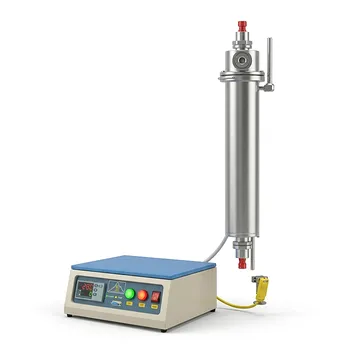
High Magnetic Field Compatible Tube Furnace for 1100C Material Research with Controlled Atmosphere and Water Cooled Non Magnetic Case
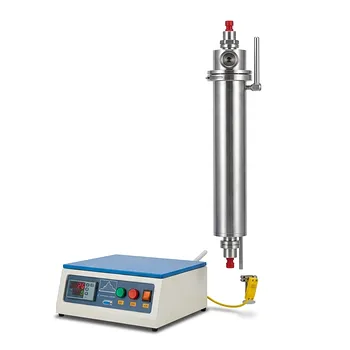
800C High Magnetic Field Compatible Tube Furnace 100mm ID 190mm OD Inert Atmosphere Research System
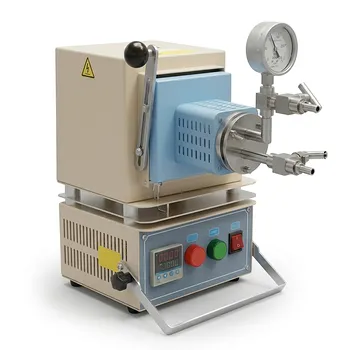
Compact Hybrid Muffle and Tube Furnace for 1000C Controlled Atmosphere Laboratory Material Sintering
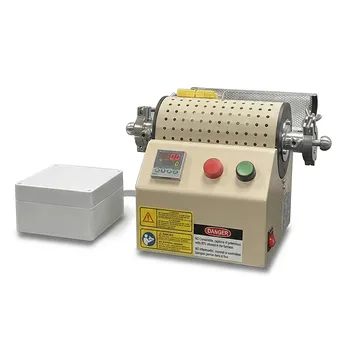
1000C Mini Tube Furnace with 20mm Quartz Tube and Vacuum Flanges for Material Science Research and Controlled Atmosphere Small Sample Processing
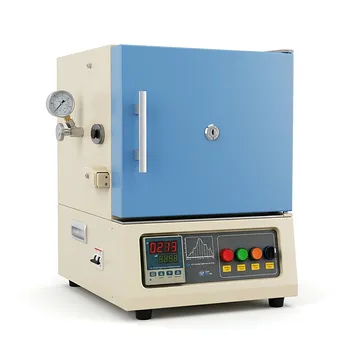
1200C Hybrid Muffle and Tube Furnace for Material Research with Dual Atmosphere Control Quartz Tubes
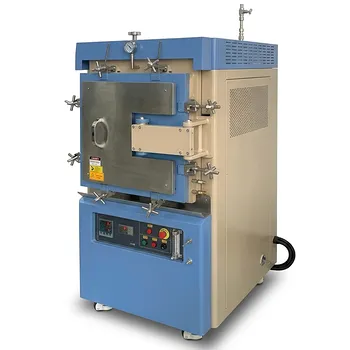
Atmosphere Controlled Muffle Furnace 1700C Maximum Temperature 80L High Capacity Vacuum Inert Gas Box Furnace
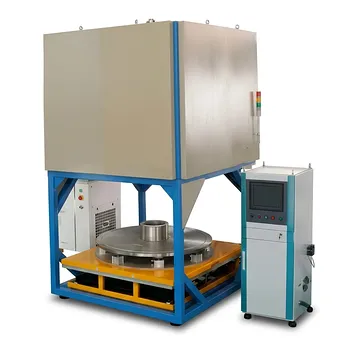
1400C Bottom Loaded Inert Gas Atmosphere Box Furnace with 125L Capacity and Precision Hydraulic Lift

Compact Vertical Split Quartz Tube Furnace with Stainless Steel Vacuum Flanges for Rapid Thermal Quenching and Controlled Atmosphere Material Processing
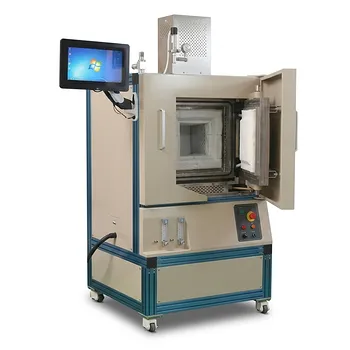
High Temperature Oxygen and Inert Atmosphere Controlled Furnace 8 Liter 1700C Sintering System for Advanced Materials RD
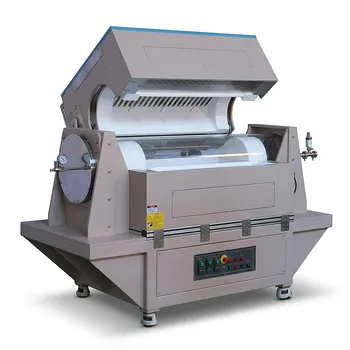
Three Zone Tube Furnace with 11 Inch or 15 Inch Quartz Tube and Hinged Flanges for Vacuum Atmosphere Heat Treatment

High Temperature 1700C Vertical Tube Furnace for Powder Spherification and Material Sintering

Vertical 1700C Vacuum and Atmosphere Tube Furnace with 80mm Alumina Tube
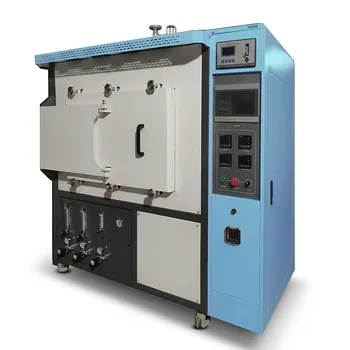
Roller Table Atmosphere Furnace 1500C High Temperature Battery Material Sintering System 112L Capacity
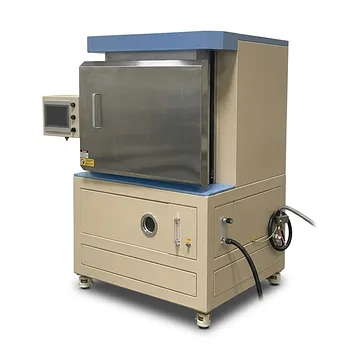
1650C High Temperature Atmosphere Controlled Box Furnace with 65L Chamber for Advanced Material Sintering and Industrial Heat Treatment

High Temperature 1700C Tube Furnace with High Vacuum Turbomolecular Pump System and Multi Channel Mass Flow Controller Gas Mixer
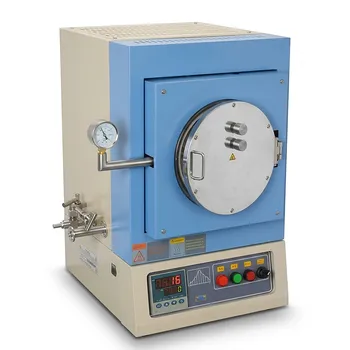
1100°C High Temperature Quartz Chamber Furnace 8 Inch OD with 7.6 Liter Capacity and Vacuum Atmosphere Capability
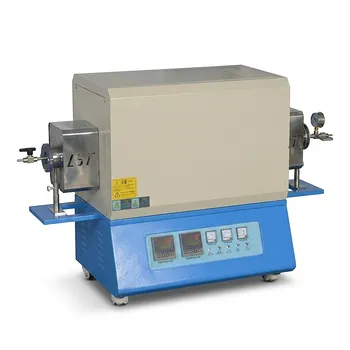
High Temperature Dual Zone Vacuum Tube Furnace for Material Research and CVD Processing

1200C High Throughput Multi Channel Tube Furnace with 50mm Quartz Tubes for Annealing and Material Phase Diagram Research

High Temperature Automated 5 Inch Tube Furnace for Autonomous Material Research and Advanced Laboratory R&D