Why is a high-temperature tube furnace essential for the sintering of BiSbTe? Key to Achieving High-Performance zT
Updated 3 months ago
The high-temperature tube furnace is the critical infrastructure for BiSbTe sintering because it provides the precise thermal stability and atmospheric isolation required to facilitate solid-state reactions. By maintaining specific temperatures (typically around 450 °C) and enabling an inert or reducing environment, the furnace allows bismuth, antimony, and tellurium particles to diffuse into a continuous, conductive network without the risk of performance-degrading oxidation.
Core Takeaway: A high-temperature tube furnace transforms BiSbTe from a loose powder into a high-performance thermoelectric material by balancing precise heat distribution for grain growth with a strictly controlled atmosphere to prevent chemical contamination.
The Dual Role of Atmosphere and Vacuum Control
Preventing Deleterious Oxidation
BiSbTe materials are highly sensitive to oxygen and moisture at elevated temperatures. The tube furnace allows for the introduction of forming gases, such as a hydrogen-nitrogen mixture, which actively reduces any existing oxides. This protection ensures the material maintains its structural integrity and prevents the formation of non-conductive layers between grains.
Facilitating Specific Chemical Environments
Unlike open-air furnaces, tube furnaces can be evacuated to create a high-vacuum or pressurized with specific inert gases. This control is essential for managing tellurium (Te) vapor pressure, which is highly volatile. By adjusting the internal atmosphere, researchers can suppress the formation of tellurium vacancies, which are primary drivers of unwanted carrier concentration shifts.
Engineering the Microstructure for High zT Values
Promoting Liquid-Phase Sintering
The furnace provides a stable thermal field that promotes liquid-phase sintering, often induced by adding excess tellurium. This process allows the material to reach high densification even under pressure-less conditions. Achieving a dense, pinhole-free structure is vital for reducing ohmic losses and maximizing the material's power factor.
Balancing Recrystallization and Grain Growth
High-temperature environments facilitate recrystallization, which heals lattice defects and improves crystallinity. The tube furnace’s ability to maintain a steady temperature over long durations allows for controlled grain growth. Optimizing grain size is a key strategy for balancing electrical conductivity against the Seebeck coefficient, the two pillars of thermoelectric efficiency.
Impact on Thermoelectric Performance Metrics
Optimizing the Seebeck Coefficient
The thermal uniformity provided by the tube furnace directly influences the distribution of elements within the BiSbTe matrix. Even minor temperature fluctuations can cause elemental segregation, leading to inconsistent Seebeck coefficients across the sample. A stable furnace environment ensures the chemical homogeneity required for predictable and high-quality performance.
Enhancing Electrical Conductivity
By promoting tight metallurgical bonds between powder particles, the furnace reduces charge carrier scattering at grain boundaries. The resulting continuous conductive network is essential for achieving the low resistivity required for thermoelectric cooling and power generation. This "synthesis of connectivity" is only possible through the sustained, high-energy environment of a dedicated sintering furnace.
Understanding the Trade-offs and Constraints
The Risk of Over-Sintering
While high temperatures drive densification, excessive heat or overly long durations can lead to uncontrolled grain growth. Large grains can decrease the material’s ability to scatter phonons, which inadvertently increases thermal conductivity and lowers the overall figure of merit (zT). Finding the "sweet spot" requires rigorous calibration of the furnace’s heating ramps and soak times.
Maintaining Temperature Uniformity
In a tube furnace, the "hot zone" must be large enough to accommodate the sample without significant thermal gradients. If one end of the BiSbTe sample is significantly hotter than the other, the resulting material will have anisotropic properties. This lack of uniformity can lead to mechanical failure or inconsistent performance in the final thermoelectric module.
How to Optimize Your Sintering Process
Selecting the right parameters for your tube furnace depends heavily on your specific material goals and the intended application of the BiSbTe alloy.
- If your primary focus is maximizing the zT value: Prioritize atmosphere purity using forming gas (H2/N2) to suppress defects and promote liquid-phase sintering through precise temperature ramps.
- If your primary focus is industrial scalability: Focus on the furnace's "hot zone" uniformity to ensure that large batches of material achieve consistent crystallinity and Seebeck coefficients.
- If your primary focus is mechanical durability: Utilize longer sintering durations at slightly lower temperatures to encourage a dense, well-bonded grain structure that resists fracturing.
Ultimately, the high-temperature tube furnace serves as the definitive tool for mastering the delicate balance between the chemical purity and the physical density of BiSbTe thermoelectric materials.
Summary Table:
| Feature | Function in Sintering | Impact on BiSbTe Performance |
|---|---|---|
| Atmosphere Control | Prevents oxidation & manages Te vapor pressure | Maintains chemical purity and carrier concentration |
| Thermal Stability | Enables uniform grain growth & recrystallization | Optimizes the Seebeck coefficient and conductivity |
| Sintering Environment | Facilitates liquid-phase sintering | Increases material density and reduces ohmic losses |
Elevate Your Advanced Material R&D with THERMUNITS
Precision is the foundation of high-performance thermoelectric materials. THERMUNITS is a leading manufacturer of high-temperature laboratory equipment, providing the critical thermal stability required for material science and industrial R&D. We offer a comprehensive suite of solutions, including Tube, Vacuum, Atmosphere, Muffle, and Rotary furnaces, as well as CVD/PECVD systems and Hot Press furnaces, designed to help you master BiSbTe sintering and beyond.
Don't let thermal instability compromise your zT values. Contact our technical experts today to discover how THERMUNITS can provide the professional heat treatment equipment your lab deserves!
References
- Kaidong Song, Yanliang Zhang. Machine learning-assisted 3D printing of thermoelectric materials of ultrahigh performances at room temperature. DOI: 10.1039/d4ta03062a
Mentioned Products
- High Temperature 1700C Vertical Tube Furnace for Powder Spherification and Material Sintering
- Compact High Temperature 1600C Tube Furnace with 50mm Alumina Tube and Vacuum Flanges for Material Sintering
- High Temperature Three Temperature Zone Tube Furnace for Advanced Material Science Sintering and Chemical Vapor Deposition Applications
- 1100C High Temperature Vacuum Crucible Furnace with Quartz Chamber for Thermal Processing and Sintering
- High Temperature 1700C Vertical Split Tube Furnace for Material Quenching and Single Crystal Growth
People Also Ask
- What role does a high-temperature vertical tube furnace play in simulating high-carbon ferromanganese slag formation?
- What functions does a vertical high-temperature tube furnace perform? Master Industrial Sintering & R&D Simulation
- What is the primary function of a high-temperature tube furnace in Cu1-N-C synthesis? Precision Thermal Control.
- High-Temp Tube Furnace Role in Converting Microbial Proteins to Iron Single-Atom Sites: Expert Synthesis Guide
- What impact does the heating rate of a tube furnace have on biochar microstructure? Optimize Your Material R&D.

Tech Team · ThermUnits
Last updated on Jun 03, 2026
Related Products

High Temperature 1700C Vertical Tube Furnace for Powder Spherification and Material Sintering

Compact High Temperature 1600C Tube Furnace with 50mm Alumina Tube and Vacuum Flanges for Material Sintering
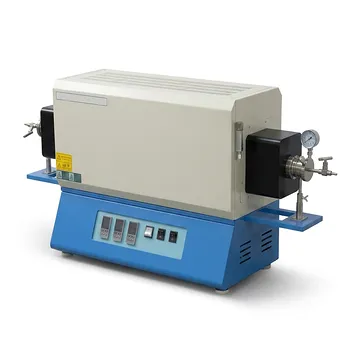
High Temperature Three Temperature Zone Tube Furnace for Advanced Material Science Sintering and Chemical Vapor Deposition Applications
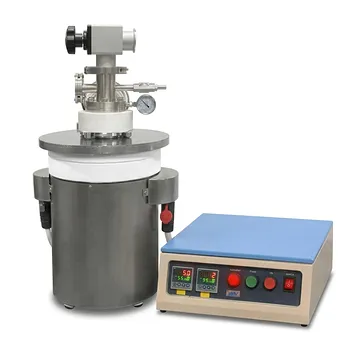
1100C High Temperature Vacuum Crucible Furnace with Quartz Chamber for Thermal Processing and Sintering
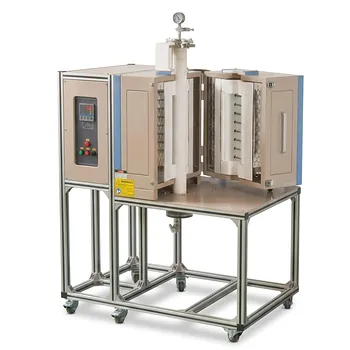
High Temperature 1700C Vertical Split Tube Furnace for Material Quenching and Single Crystal Growth
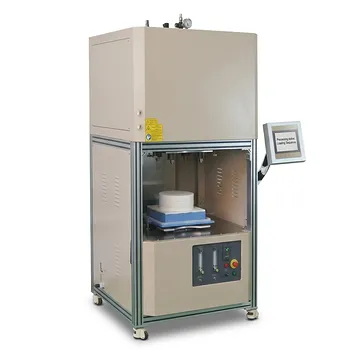
High Temperature Vertical Atmosphere Controlled Furnace with Automatic Bottom Loading and 1700°C Capacity for Advanced Material Research
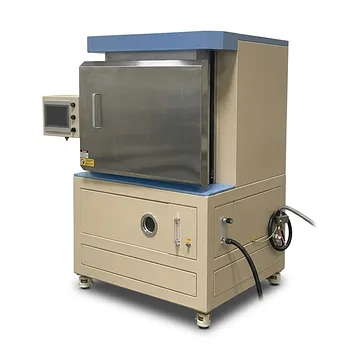
1650C High Temperature Atmosphere Controlled Box Furnace with 65L Chamber for Advanced Material Sintering and Industrial Heat Treatment
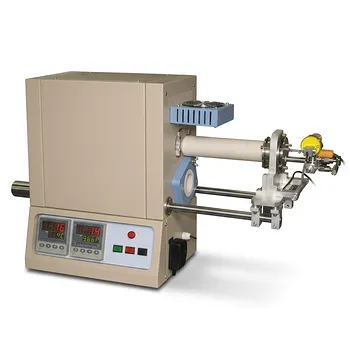
High Temperature Tube Furnace 1500C with Sliding Flanges and 50mm OD for Rapid Thermal Processing Fast Heating and Cooling
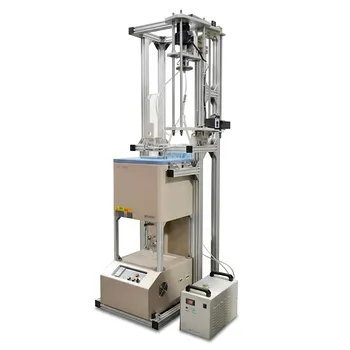
500C Vacuum Vertical Tube Furnace 84mm OD Sample Rotation Lifting System
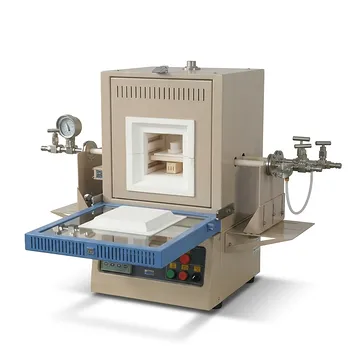
1700C Compact Hybrid Furnace with Dual Layer Box Sintering and Controlled Atmosphere Alumina Tubes
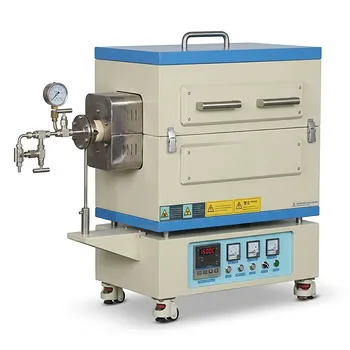
High Temperature Split Tube Furnace 1500C for Material Research Vacuum and Atmosphere Thermal Processing
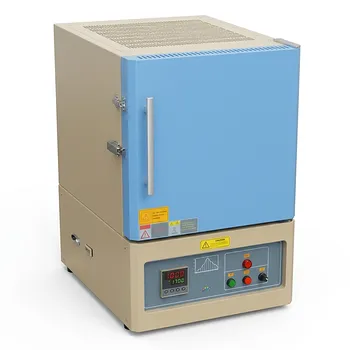
Large Bench Top 1700C High Temperature Muffle Furnace with 19L Chamber for Advanced Material Sintering and Annealing
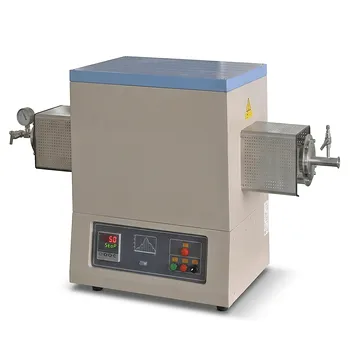
High Temperature 1700C Tube Furnace with 4 Inch OD Alumina Tube and Vacuum Sealing Flanges
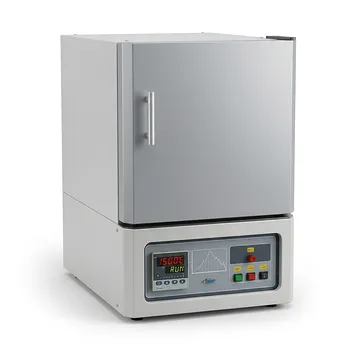
High Temperature 1500C Benchtop Muffle Furnace 3.6L Alumina Fiber Chamber Programmable Controller Sintering Annealing Carbonization Thermal Processing System

1750°C High Temperature Benchtop Vacuum Atmosphere Tube Furnace with Kanthal Super 1800 Heating Elements and 60mm Alumina Processing Tube

1800C High Temperature Compact Vacuum Tube Furnace with 60mm OD Alumina Tube and Kanthal MoSi2 Heating Elements
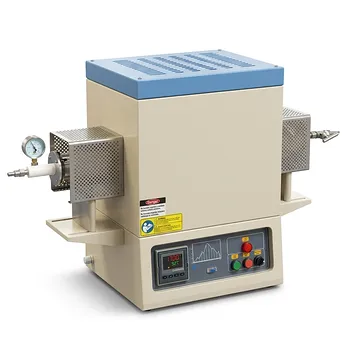
High Temperature Three Zone Tube Furnace 1700C with Alumina Tube and Water Cooled Flanges

High Temperature 1700C Benchtop Tube Furnace with 5 Inch Heating Zone High Purity Alumina Tube and Vacuum Sealing Flanges
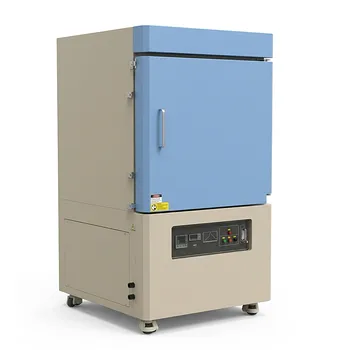
Industrial Large Box Furnace 1700C 216L High Temp Muffle Sintering System