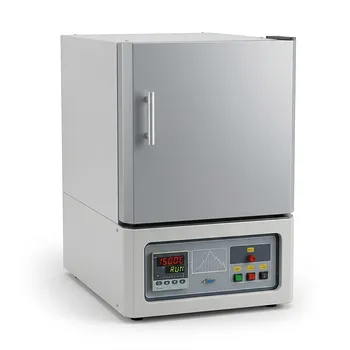
Why is a high-temperature tube furnace used for the annealing treatment of HEA NPs? Optimize Stability & Integrity
Updated 6 months ago
High-temperature tube furnaces are used for the annealing of high-entropy alloy nanoparticles (HEA NPs) primarily to verify their thermal stability and ensure they maintain a consistent, single-phase structure. This heat treatment allows researchers to confirm that the material will not undergo dealloying or phase separation when subjected to extreme operating conditions.
The central purpose of using a tube furnace for HEA NP annealing is to validate the reliability of the synthesis process by demonstrating that the nanoparticles can withstand prolonged high-temperature exposure without losing their structural integrity or chemical uniformity.
Verifying Thermal Stability and Structural Integrity
Confirmation of Single-Phase Structures
Annealing HEA NPs at temperatures such as 900 °C allows researchers to observe the material's behavior under thermal stress. The furnace provides the environment necessary to verify that nanoparticles, especially those synthesized via plasma processes, maintain a stable single-phase FCC (face-centered cubic) structure.
Prevention of Dealloying and Phase Separation
A high-temperature environment is essential to test whether the various elements within the high-entropy alloy remain homogeneously mixed. If the material is unstable, the heat would trigger phase separation; the tube furnace confirms that the alloy remains intact, proving its structural reliability.
Long-Term Heat Treatment Validation
Unlike rapid synthesis methods, the tube furnace enables long-term exposure to heat. This duration is critical for assessing how the nanoparticles might perform over their intended lifecycle in industrial or high-heat applications.
Precision Control of the Thermal Environment
Protective Atmospheric Management
HEA NPs are highly susceptible to oxidation at elevated temperatures, which can destroy their unique properties. Tube furnaces allow for the introduction of argon protective atmospheres or reducing gases like hydrogen to eliminate residual oxygen and prevent contamination.
Accurate Temperature Gradients
The equipment provides a precisely controllable temperature field, which is vital for achieving consistent results across a batch of nanoparticles. This accuracy ensures that the thermal energy provided is sufficient to trigger desired transitions without reaching levels that might cause unwanted melting or vaporization of specific elements.
Transition from Research to Production
Tube furnaces serve as a bridge between laboratory-scale synthesis and industrial application. By simulating the thermal conditions of industrial processing, they help researchers refine the physicochemical properties of HEA NPs for large-scale use.
Optimization of Material Properties
Enhancement of Crystalline Quality
High-temperature annealing promotes the densification of nanoparticles and helps eliminate quenching defects. This process can significantly improve the crystalline quality, which in turn enhances the final product's performance indicators, such as strength or catalytic activity.
Stress Relief and Recrystallization
During synthesis or mechanical processing, nanoparticles can accumulate residual stresses. The controlled heat of a tube furnace facilitates recrystallization, transforming deformed grains into fine, equiaxed grains, which restores toughness and prevents cracking in the material.
Removal of Surface Impurities
In specific alloy treatments, high heat can be used to remove unwanted components, such as surface hydroxyl groups or organic ligands. In some specialized cases, the furnace can even be used to evaporate specific low-boiling-point metals to create a more porous and refined structure.
Understanding the Trade-offs
Risk of Grain Growth and Sintering
While high temperatures improve crystallinity, excessive heat can lead to grain coarsening or unwanted sintering. If the temperature is not strictly monitored, the nanoparticles may merge into larger clusters, effectively losing the high surface area that makes nanomaterials valuable.
Atmosphere Purity and Leakage
The effectiveness of the annealing process is entirely dependent on the purity of the gas environment. Any leak in the tube furnace or impurity in the argon supply can lead to the formation of oxides, which acts as a "poison" to the high-entropy alloy's performance.
Heating and Cooling Rate Sensitivities
The rate at which the furnace reaches its target temperature, and how quickly it cools down, can induce thermal shock. If the cooling rate is not controlled, it may introduce new internal stresses or cause the alloy to settle into a meta-stable phase rather than the desired equilibrium state.
How to Apply This to Your Project
When utilizing a high-temperature tube furnace for the treatment of HEA NPs, your specific goals should dictate your furnace parameters.
- If your primary focus is validating material reliability: Perform long-term annealing at 900 °C under an argon atmosphere to ensure no phase separation occurs.
- If your primary focus is improving mechanical toughness: Use temperatures between 800 °C and 1000 °C to eliminate residual stresses and promote the formation of fine equiaxed grains.
- If your primary focus is maximizing crystalline purity: Target higher temperatures, such as 1100 °C, to eliminate quenching defects and reduce surface impurities, while carefully monitoring for grain growth.
Properly executed annealing in a tube furnace transforms raw synthesized HEA NPs into stable, high-performance materials ready for rigorous technical applications.
Summary Table:
| Feature of Annealing | Key Benefit for HEA NPs | Critical Control Factor |
|---|---|---|
| Thermal Stability | Verifies single-phase structure and prevents dealloying | Long-term temperature consistency |
| Atmosphere Control | Prevents oxidation via Argon or Hydrogen protective gas | Gas purity and tube sealing |
| Crystallinity | Eliminates quenching defects and promotes densification | Precise heating and cooling rates |
| Stress Relief | Facilitates recrystallization to restore material toughness | Accurate temperature gradients |
Elevate Your Material Research with THERMUNITS
As a leading manufacturer of high-temperature laboratory equipment for material science, THERMUNITS provides the precision and reliability required for advanced HEA NP research. Our comprehensive range of thermal solutions—including Tube Furnaces, Vacuum and Atmosphere Furnaces, CVD/PECVD systems, and Vacuum Induction Melting (VIM) equipment—is designed to help industrial R&D teams achieve perfect phase stability and structural integrity.
Ready to optimize your heat treatment process? Contact our experts today to find the ideal furnace solution for your specific laboratory or production needs.
References
- Keun Su Kim, Yu Zou. Continuous synthesis of high-entropy alloy nanoparticles by in-flight alloying of elemental metals. DOI: 10.1038/s41467-024-45731-z
Mentioned Products
- High Temperature 1700C 4 Channel Tube Furnace 1 Inch Alumina Tube for Hi-Throughput Annealing
- High Temperature 1500C Four Channel Tube Furnace with Alumina Tubes for High Throughput Annealing and Phase Diagram Research
- 1200C High Temperature 5 Inch Sliding Tube Furnace for Rapid Thermal Processing RTP and Wafer Annealing
- High Temperature 1800C Atmosphere Tube Furnace for CVD Research and Vacuum Sintering Precision Heat Treatment
- 1500C Three Zone Vertical Pyrolysis Furnace for Nanoparticle Synthesis and Advanced Oxide Coating
People Also Ask
- Why use a tube furnace for oxygen annealing LaCrO3/LaMnO3? Optimize Phase Transition & Magnetic Performance.
- What key role does a laboratory high-temperature tube furnace play in the production of carbon nanofibers? Guide
- How is a laboratory high-temperature tube furnace utilized to research the products of aluminothermic reduction? Advanced Metallurgical Solutions
- What critical conditions does an industrial high-temperature tube furnace provide for annealing (GaAl)2O3 thin films?
- What role does a high-temperature tube furnace play in the annealing modification of Miscanthus Biochar fillers? Boost graphitization.

Tech Team · ThermUnits
Last updated on Apr 14, 2026
Related Products
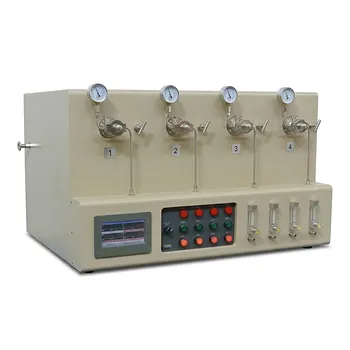
High Temperature 1700C 4 Channel Tube Furnace 1 Inch Alumina Tube for Hi-Throughput Annealing
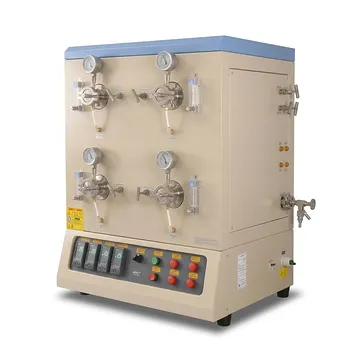
High Temperature 1500C Four Channel Tube Furnace with Alumina Tubes for High Throughput Annealing and Phase Diagram Research
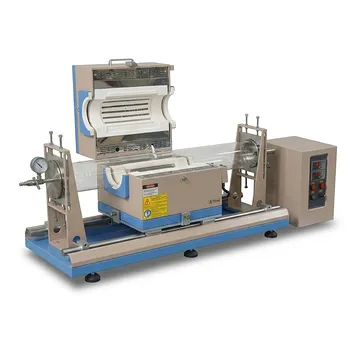
1200C High Temperature 5 Inch Sliding Tube Furnace for Rapid Thermal Processing RTP and Wafer Annealing
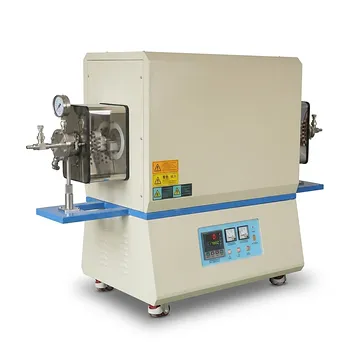
High Temperature 1800C Atmosphere Tube Furnace for CVD Research and Vacuum Sintering Precision Heat Treatment
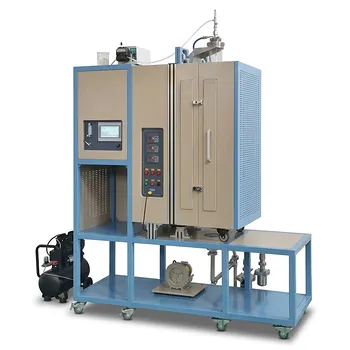
1500C Three Zone Vertical Pyrolysis Furnace for Nanoparticle Synthesis and Advanced Oxide Coating
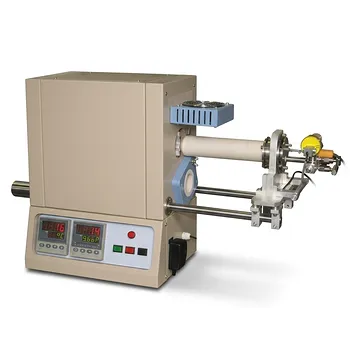
High Temperature Tube Furnace 1500C with Sliding Flanges and 50mm OD for Rapid Thermal Processing Fast Heating and Cooling
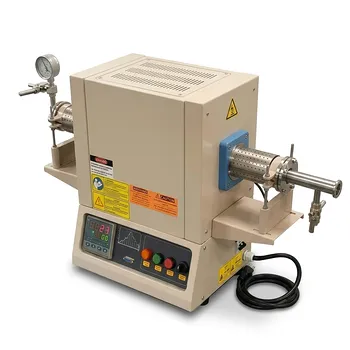
Compact High Temperature 1600C Tube Furnace with 50mm Alumina Tube and Vacuum Flanges for Material Sintering
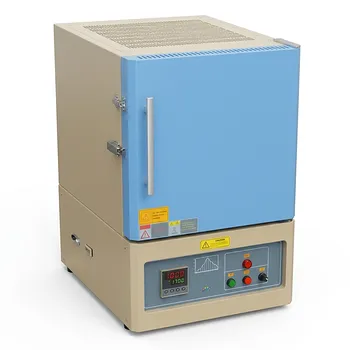
Large Bench Top 1700C High Temperature Muffle Furnace with 19L Chamber for Advanced Material Sintering and Annealing
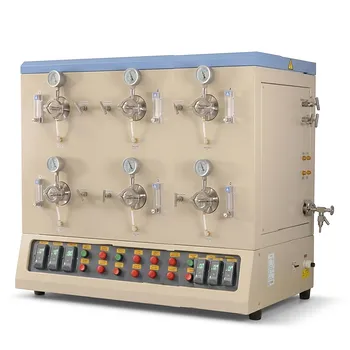
1200C High Throughput Multi Channel Tube Furnace with 50mm Quartz Tubes for Annealing and Material Phase Diagram Research
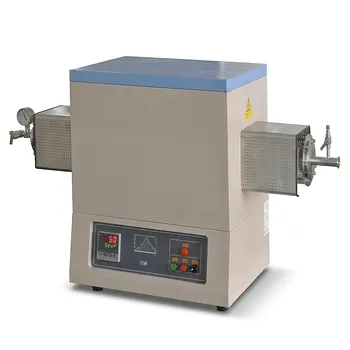
High Temperature 1700C Tube Furnace with 4 Inch OD Alumina Tube and Vacuum Sealing Flanges
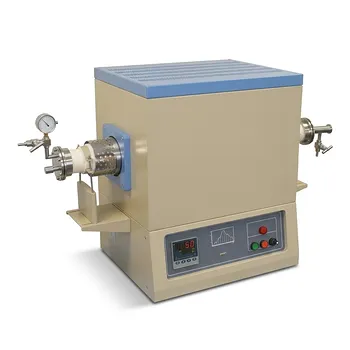
1700C High Temperature Alumina Tube Furnace with 18 Inch Heated Zone and Vacuum Sealing Flanges
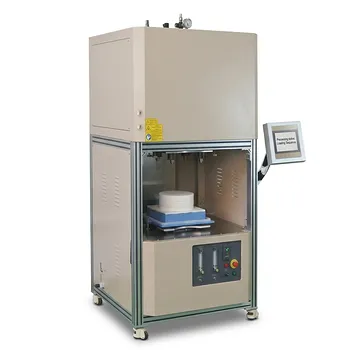
High Temperature Vertical Atmosphere Controlled Furnace with Automatic Bottom Loading and 1700°C Capacity for Advanced Material Research
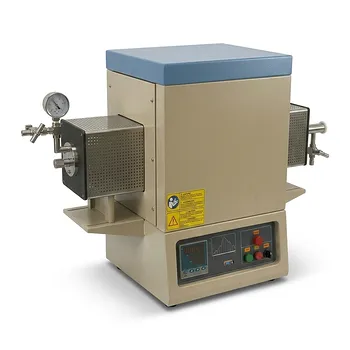
High Temperature 1700C Benchtop Tube Furnace with 5 Inch Heating Zone High Purity Alumina Tube and Vacuum Sealing Flanges
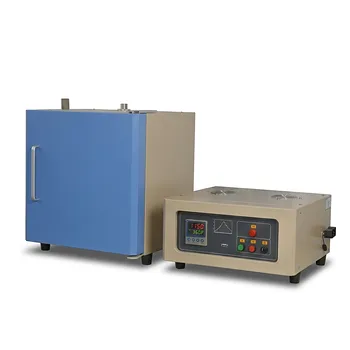
High Temperature Muffle Furnace with Alloy Chamber for Debinding and Sintering Applications
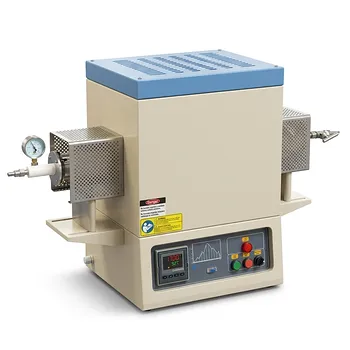
High Temperature Three Zone Tube Furnace 1700C with Alumina Tube and Water Cooled Flanges
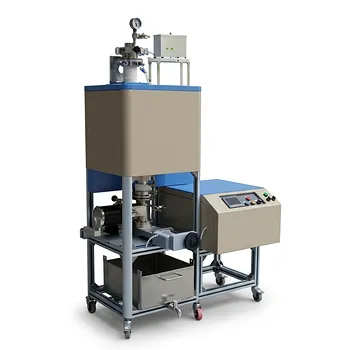
High Temperature 1700C Vertical Tube Furnace for Powder Spherification and Material Sintering
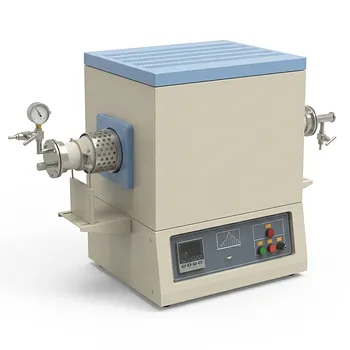
1750°C High Temperature Benchtop Vacuum Atmosphere Tube Furnace with Kanthal Super 1800 Heating Elements and 60mm Alumina Processing Tube
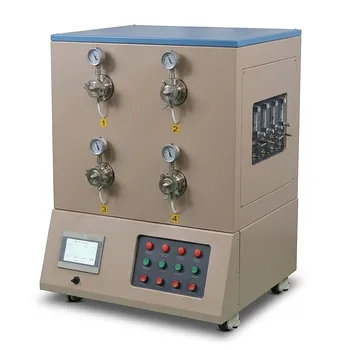
High Throughput 1200C Four Channel Tube Furnace with 3 Inch Quartz Tubes for Multi Zone Annealing and Material Research
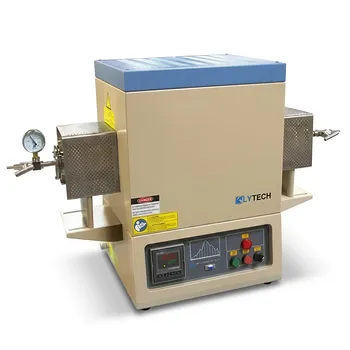
1800C High Temperature Compact Vacuum Tube Furnace with 60mm OD Alumina Tube and Kanthal MoSi2 Heating Elements