Why is a laboratory tube atmosphere furnace required for Ru/In2O3-ZrO2 catalyst reduction? Optimize Precision Results
Updated 3 months ago
A laboratory tube atmosphere furnace is essential for the reduction of Ru/In2O3-ZrO2 catalysts because it provides the strictly controlled chemical environment and thermal precision necessary to convert ruthenium salt precursors into active metallic nanoparticles. Specifically, it facilitates the reduction process at 523 K within a 5% H2/Ar gas mixture, ensuring the catalyst achieves the correct initial oxidation state and optimal particle dispersion.
The primary role of the tube atmosphere furnace is to manage the transition of ruthenium from an inactive salt to a highly dispersed metallic state while preventing the thermal degradation of the catalyst's structure. By isolating the reaction from ambient air and providing a steady flow of reducing gas, the furnace ensures the catalyst becomes active and stable for its intended chemical applications.
The Mechanism of Catalytic Activation
Transformation of Ruthenium Precursors
During the impregnation process, ruthenium is typically deposited on the In2O3-ZrO2 support as a salt. The tube furnace provides the thermal energy required to break these chemical bonds and reduce the ruthenium ions into metallic ruthenium (Ru0) nanoparticles.
Regulation of Oxidation States
The furnace allows for the precise adjustment of the metal's initial oxidation state. By controlling the ratio of hydrogen to inert gas, researchers can ensure that the ruthenium is fully reduced to its active metallic form without over-reducing or damaging the underlying In2O3-ZrO2 support structure.
Development of Active Sites
The controlled environment promotes the formation of uniform nanoparticles across the support surface. This high degree of dispersion maximizes the number of available active sites, which is the primary factor determining the overall efficiency and reactivity of the catalyst.
Maintaining Structural Integrity and Dispersion
Prevention of Particle Sintering
One of the greatest risks during catalyst preparation is sintering, where small metal particles migrate and merge into larger, less effective clumps. The high-precision temperature control of a tube furnace prevents the temperature from spiking, thereby maintaining the high surface area of the ruthenium particles.
Consistent Heating Profiles
Unlike standard ovens, a tube furnace provides a steady heating ramp and compensation. This consistency ensures that every part of the catalyst sample undergoes the same reduction treatment, leading to a homogenous product with predictable performance characteristics.
Atmosphere Isolation and Purity
The sealed nature of the tube furnace is critical for maintaining the partial pressure of the reducing gas. It prevents the introduction of oxygen or moisture, which could cause unwanted side reactions or re-oxidation of the ruthenium during the cooling phase.
Understanding the Trade-offs and Risks
Consequences of Temperature Deviation
If the temperature falls below the required 523 K, the ruthenium salts may not fully reduce, leaving the catalyst inactive. Conversely, exceeding the target temperature significantly increases the kinetic energy of the particles, leading to rapid agglomeration and a loss of catalytic surface area.
Challenges with Gas Flow Dynamics
Achieving the correct reduction requires a delicate balance of gas flow. If the flow rate of the 5% H2/Ar mixture is too low, the byproduct gases from the reduction process may not be removed efficiently, potentially poisoning the catalyst or slowing the reaction.
Equipment Limitations
While tube furnaces offer superior control, they are limited by the volume of material they can process at once. For researchers, this means a trade-off between the high-quality, small-batch precision of a laboratory furnace and the throughput requirements of larger-scale industrial production.
How to Optimize Your Reduction Process
Choosing the right parameters for your atmosphere furnace depends on your specific research objectives and the sensitivity of your support material.
- If your primary focus is maximizing catalytic activity: Prioritize strict adherence to the 523 K temperature setting and ensure a high-purity H2/Ar mixture to maximize the dispersion of metallic Ru nanoparticles.
- If your primary focus is catalyst longevity and stability: Focus on a controlled cooling rate within the inert atmosphere to prevent thermal shock and ensure the ruthenium particles are firmly anchored to the In2O3-ZrO2 support.
- If your primary focus is reproducibility across batches: Utilize the programmable ramp functions of the furnace to ensure that the heating profile is identical for every reduction cycle.
The precision offered by a tube atmosphere furnace is the deciding factor in whether a catalyst achieves its theoretical performance or fails due to poor metal dispersion.
Summary Table:
| Key Parameter | Requirement | Benefit to Catalyst |
|---|---|---|
| Temperature | Precise 523 K | Prevents sintering; ensures complete Ru salt reduction |
| Atmosphere | 5% H2/Ar Mixture | Regulates oxidation states; prevents re-oxidation |
| Heating Profile | Programmable Ramps | Ensures uniform nanoparticle dispersion across batches |
| Environment | Sealed Tube Design | Isolates reaction from moisture and ambient oxygen |
Elevate Your Catalyst Research with THERMUNITS Precision
As a leading manufacturer of high-temperature laboratory equipment for material science, THERMUNITS understands that the success of your catalyst performance depends on thermal precision. Whether you are performing reduction treatments for Ru/In2O3-ZrO2 or complex chemical vapor deposition, our equipment provides the stable, gas-tight environment required for optimal nanoparticle dispersion.
Our comprehensive range of thermal processing solutions includes:
- Muffle, Vacuum, Atmosphere, Tube, and Rotary Furnaces
- CVD/PECVD Systems & Hot Press Furnaces
- Vacuum Induction Melting (VIM) & Dental Furnaces
- Electric Rotary Kilns & High-Quality Thermal Elements
Don't let temperature fluctuations or atmosphere leaks compromise your R&D results. Let our experts help you select the ideal furnace for your specific application.
Contact THERMUNITS today to request a quote or consultation!
References
- Chengshuang Zhou, Matteo Cargnello. Steam‐Assisted Selective CO<sub>2</sub> Hydrogenation to Ethanol over Ru−In Catalysts. DOI: 10.1002/anie.202406761
Mentioned Products
- Compact Hybrid Muffle and Tube Furnace for 1000C Controlled Atmosphere Laboratory Material Sintering
- 1000C Mini Tube Furnace with 20mm Quartz Tube and Vacuum Flanges for Material Science Research and Controlled Atmosphere Small Sample Processing
- 1700C High Temperature Alumina Tube Furnace with 18 Inch Heated Zone and Vacuum Sealing Flanges
- 1200C Hybrid Muffle and Tube Furnace for Material Research with Dual Atmosphere Control Quartz Tubes
- Bottom Loaded Inert Gas Atmosphere Box Furnace 1400C Maximum Temperature 125L High Capacity Laboratory Heat Treatment System
People Also Ask
- Why is an atmosphere-controlled tube furnace required for the pre-sulfidation of NiMo/gamma-Al2O3 catalysts?
- Why is an atmosphere-controlled tube furnace required for 800 °C CNF annealing? Essential for Oxidative Protection.
- Why is an atmosphere-controlled tube furnace required for [email protected]/C preparation? Key for Purity & Structure
- Why is an atmosphere-controlled tube furnace required for single-atom sensor calcination? Ensure Atomic Dispersion.
- What is the function of a controlled atmosphere tube furnace in LiGa alloying? Achieving High-Purity Thermal Synthesis

Tech Team · ThermUnits
Last updated on Jun 02, 2026
Related Products
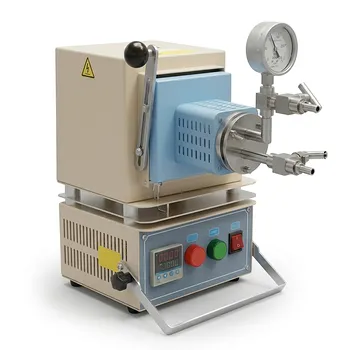
Compact Hybrid Muffle and Tube Furnace for 1000C Controlled Atmosphere Laboratory Material Sintering
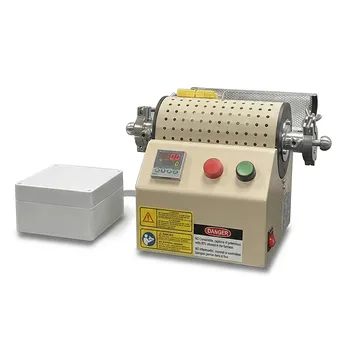
1000C Mini Tube Furnace with 20mm Quartz Tube and Vacuum Flanges for Material Science Research and Controlled Atmosphere Small Sample Processing
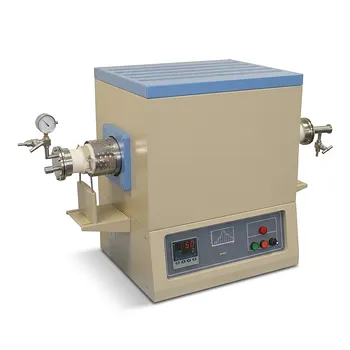
1700C High Temperature Alumina Tube Furnace with 18 Inch Heated Zone and Vacuum Sealing Flanges
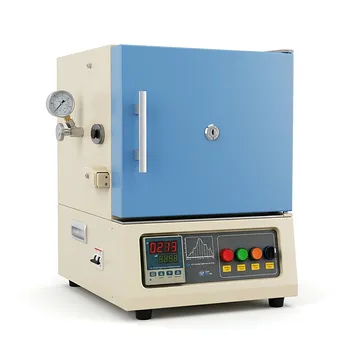
1200C Hybrid Muffle and Tube Furnace for Material Research with Dual Atmosphere Control Quartz Tubes
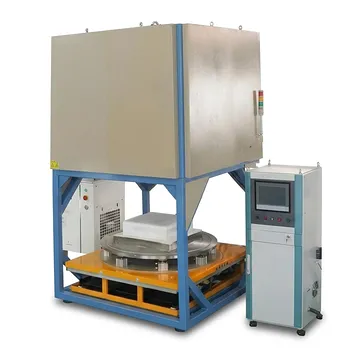
Bottom Loaded Inert Gas Atmosphere Box Furnace 1400C Maximum Temperature 125L High Capacity Laboratory Heat Treatment System

Compact Vertical Split Quartz Tube Furnace with Stainless Steel Vacuum Flanges for Rapid Thermal Quenching and Controlled Atmosphere Material Processing

Vertical 1700C Vacuum and Atmosphere Tube Furnace with 80mm Alumina Tube
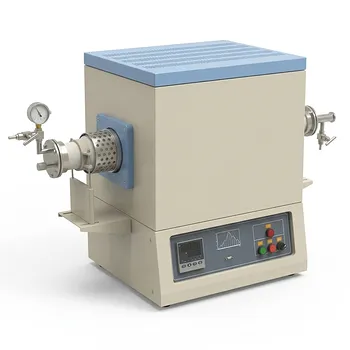
1750°C High Temperature Benchtop Vacuum Atmosphere Tube Furnace with Kanthal Super 1800 Heating Elements and 60mm Alumina Processing Tube
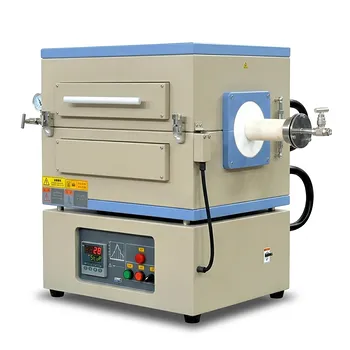
1500°C Split Tube Furnace with Alumina Tube and Vacuum Sealing Flanges for Material Research
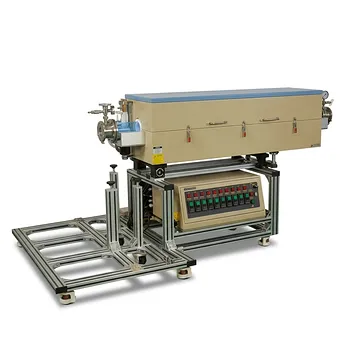
Ten Zone Multi Orientation Laboratory Tube Furnace for 1200C High Temperature Gradient Thermal Processing
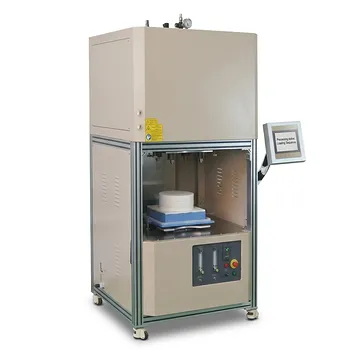
High Temperature Vertical Atmosphere Controlled Furnace with Automatic Bottom Loading and 1700°C Capacity for Advanced Material Research

High Temperature Automated 5 Inch Tube Furnace for Autonomous Material Research and Advanced Laboratory R&D
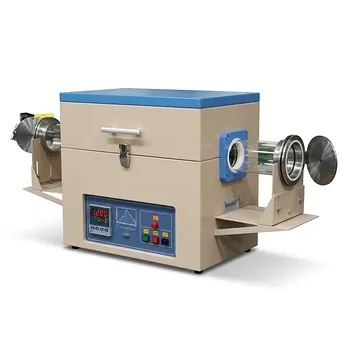
High Temperature 1200C Split Tube Furnace with Hinged Vacuum Flanges and 4 Inch Quartz Tube for Laboratory Research
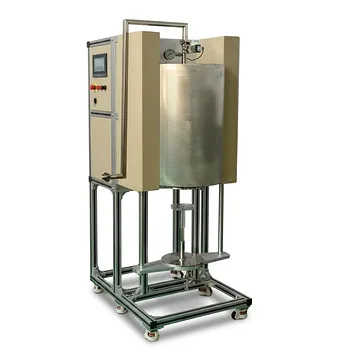
1200°C Atmosphere Controlled Automatic Bottom Loading Furnace with 6 Inch Quartz Tube
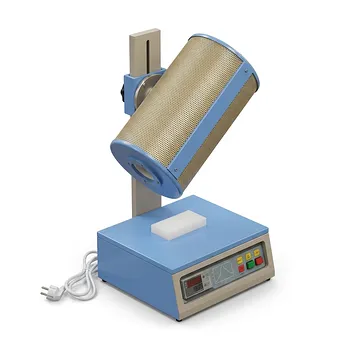
1100°C Vertical Laboratory Furnace for DIY Tubular Reactors with PID Temperature Controller

1800C High Temperature Compact Vacuum Tube Furnace with 60mm OD Alumina Tube and Kanthal MoSi2 Heating Elements
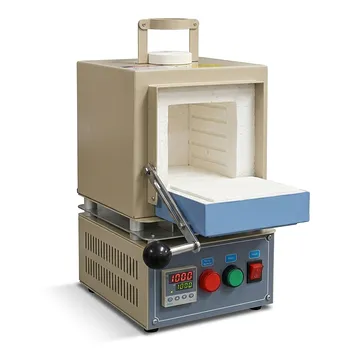
Compact 1000C Muffle Furnace with Programmable Controller and 2 Inch Top Port for Vacuum and Atmosphere Material Research
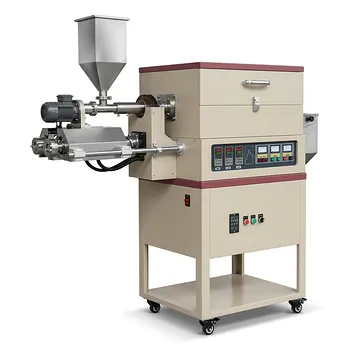
Laboratory Tilting Rotary Tubular Furnaces for Material Science and Industrial Heat Treatment
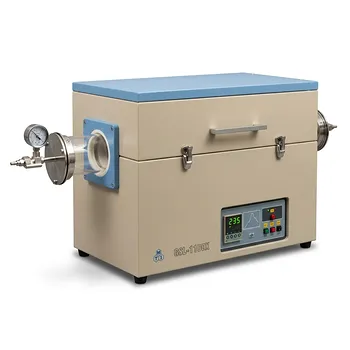
Single Zone Tube Furnace 5 Inch Quartz Tube 36 Inch Heating Zone Vacuum Flanges