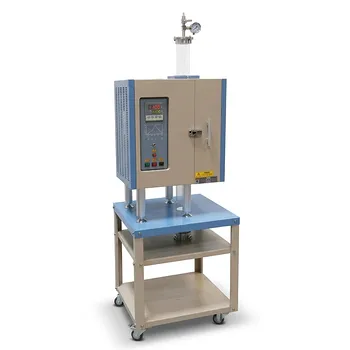
Why use a micro-flow quartz tube reactor for ethylene epoxidation kinetics? Ensure chemical inertness for pure data.
Updated 3 months ago
The choice of a micro-flow quartz tube reactor is driven by the necessity for absolute chemical neutrality during volatile catalytic assessments. In the specific temperature range of 170°C to 220°C, quartz remains chemically inert and does not catalyze reactions between ethylene and oxygen. This ensures that the resulting kinetic data is a pure reflection of the catalyst's performance rather than an artifact of the reactor environment.
To achieve high-precision kinetic modeling in ethylene epoxidation, the reactor vessel must function as a "blank canvas." Quartz is utilized because its chemical stability eliminates background interference, allowing researchers to isolate and measure the intrinsic activity of the Ag/alpha-Al2O3 catalyst.
The Role of Chemical Inertness in Kinetic Measurements
Avoiding Wall-Catalyzed Side Reactions
In kinetic studies, every molecule of product must be traceable to the catalyst surface. If the reactor walls were active, they would participate in the reaction, leading to false readings of ethylene conversion and product selectivity.
Operating Within the Specific Temperature Envelope
Ethylene epoxidation typically occurs between 170°C and 220°C. Within this thermal window, quartz exhibits exceptional stability, ensuring that the material does not degrade or become reactive under oxidative conditions.
Ensuring Data Integrity and Precision
Eliminating Background Interference
Background interference occurs when the reactor material itself facilitates a reaction. By using a quartz micro-flow tube, researchers effectively "zero out" the reactor's contribution, ensuring that the oxygen-ethylene interaction is managed entirely by the silver catalyst.
Capturing Intrinsic Catalyst Performance
The primary goal of steady-state kinetic testing is to understand the intrinsic performance of the Ag/alpha-Al2O3 catalyst. A quartz environment ensures that variables like reaction rate and activation energy are calculated based solely on the catalyst’s properties.
Understanding the Trade-offs
Mechanical Fragility vs. Chemical Purity
While quartz provides superior chemical inertness compared to stainless steel, it is significantly more fragile. Researchers must handle these reactors with extreme care to avoid fractures caused by mechanical stress or improper mounting.
Limitations in High-Pressure Environments
Quartz tubes are ideal for micro-flow, near-atmospheric testing but may fail under the high-pressure conditions often found in industrial pilot plants. For high-pressure kinetic studies, specialized coatings or high-strength alloys might be required, though these often introduce new catalytic interference risks.
How to Apply This to Your Research Project
Before selecting your reactor hardware, evaluate the specific demands of your catalytic system and the temperature range required for accurate data collection.
- If your primary focus is absolute kinetic accuracy: Utilize a quartz tube reactor to ensure the walls do not contribute to the reaction rate or skew selectivity data.
- If your primary focus is industrial high-pressure simulation: Consider a metal reactor with an inert internal lining or coating to balance mechanical strength with chemical neutrality.
- If your primary focus is testing Ag/alpha-Al2O3 catalysts: Stick to the quartz micro-flow setup within the 170°C to 220°C range to maintain consistency with established scientific benchmarks.
By prioritizing chemical inertness in your reactor choice, you ensure that your kinetic models are built on the genuine behavior of the catalyst alone.
Summary Table:
| Feature | Quartz Tube Reactor Benefit | Significance in Kinetic Testing |
|---|---|---|
| Chemical Inertness | Negligible background reactivity at 170°C–220°C | Eliminates wall-catalyzed side reactions for pure data. |
| Thermal Stability | Maintains integrity within epoxidation windows | Ensures consistent performance under oxidative conditions. |
| Data Precision | Functions as a "blank canvas" environment | Isolate the intrinsic activity of Ag/alpha-Al2O3 catalysts. |
| Transparency | Simplifies visual monitoring of catalyst bed | Helps in identifying physical changes during steady-state runs. |
Maximize Your Research Precision with THERMUNITS
At THERMUNITS, we understand that high-precision material science and industrial R&D require uncompromising thermal environments. As a leading manufacturer of high-temperature laboratory equipment, we provide the specialized tools you need to isolate intrinsic catalyst performance and achieve repeatable results.
Our comprehensive range of thermal processing solutions includes:
- Advanced Furnaces: Muffle, Vacuum, Atmosphere, Tube, Rotary, and Hot Press furnaces.
- Specialized Systems: CVD/PECVD systems, Dental Furnaces, and Electric Rotary Kilns.
- Industrial R&D Tools: Vacuum Induction Melting (VIM) furnaces and high-quality Thermal Elements.
Whether you are conducting steady-state kinetic testing or scaling up industrial heat treatments, THERMUNITS delivers the reliability and chemical neutrality your project demands.
Ready to elevate your laboratory’s capabilities? Contact our experts today to find the perfect furnace solution for your specific research needs!
References
- Adhika Setiawan, Srinivas Rangarajan. Expanding the Reaction Network of Ethylene Epoxidation on Partially Oxidized Silver Catalysts. DOI: 10.1021/acscatal.4c04521
Mentioned Products
- 1000C Mini Tube Furnace with 20mm Quartz Tube and Vacuum Flanges for Material Science Research and Controlled Atmosphere Small Sample Processing
- Compact Vertical Split Quartz Tube Furnace with Stainless Steel Vacuum Flanges for Rapid Thermal Quenching and Controlled Atmosphere Material Processing
- Rapid Thermal Processing Sliding Tube Furnace with 4 Inch OD Quartz Tube and 900C IR Heating
- Three Zone Quartz Tube Furnace with 3 Channel Gas Mixer Vacuum Pump and Anti Corrosive Vacuum Gauge
- 1100°C Large Diameter Quartz Tube Furnace with 24 Inch Heating Zone and Water Cooled Flanges
People Also Ask
- Why is a Tube Furnace typically utilized for CVD? Achieve Precision in Graphene and 2D Material Synthesis
- Why is a tube furnace required for pre-oxidation? Enhance Ti(Nb)-Si-C coating adhesion and substrate durability.
- How does the precision temperature control system of a laboratory tube furnace affect the structural evolution of SiCN(Ni)/BN ceramics?
- How does a lab tube furnace facilitate RuAl thermal stability assessment? Advanced Research for Microelectronics
- What role does a laboratory tube furnace play during the carbonization stage of seaweed-residue carbon aerogel materials?

Tech Team · ThermUnits
Last updated on Jun 02, 2026
Related Products
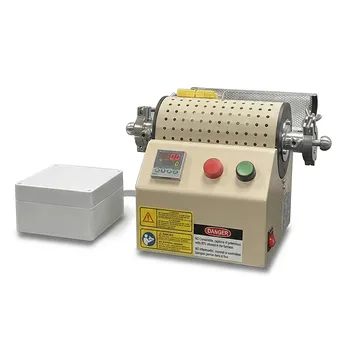
1000C Mini Tube Furnace with 20mm Quartz Tube and Vacuum Flanges for Material Science Research and Controlled Atmosphere Small Sample Processing

Compact Vertical Split Quartz Tube Furnace with Stainless Steel Vacuum Flanges for Rapid Thermal Quenching and Controlled Atmosphere Material Processing
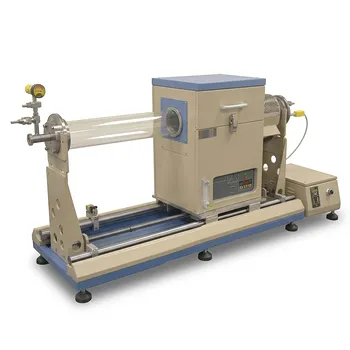
Rapid Thermal Processing Sliding Tube Furnace with 4 Inch OD Quartz Tube and 900C IR Heating
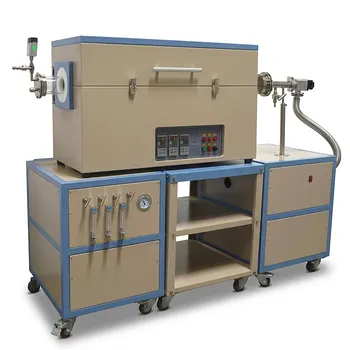
Three Zone Quartz Tube Furnace with 3 Channel Gas Mixer Vacuum Pump and Anti Corrosive Vacuum Gauge
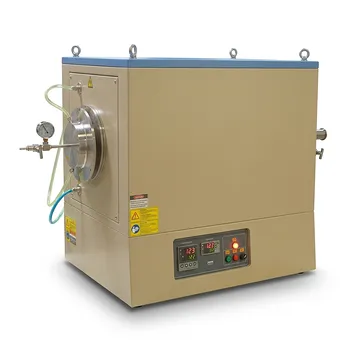
1100°C Large Diameter Quartz Tube Furnace with 24 Inch Heating Zone and Water Cooled Flanges

High Temperature Automated 5 Inch Tube Furnace for Autonomous Material Research and Advanced Laboratory R&D

1200°C 5 Inch Vertical Quartz Tube Furnace with Stainless Steel Vacuum Flanges
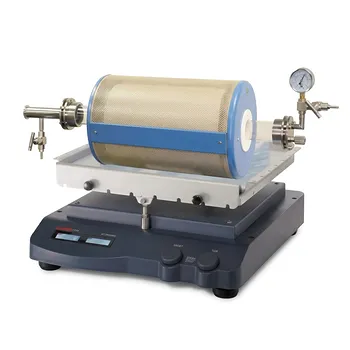
High Temperature Rocking Tube Furnace with Quartz Tube and Vacuum Flange for Materials Synthesis
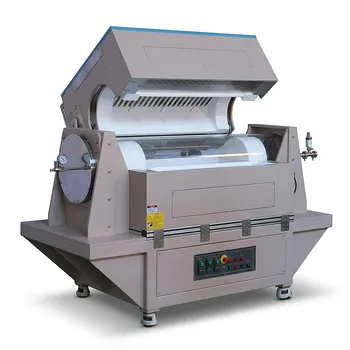
Three Zone Tube Furnace with 11 Inch or 15 Inch Quartz Tube and Hinged Flanges for Vacuum Atmosphere Heat Treatment
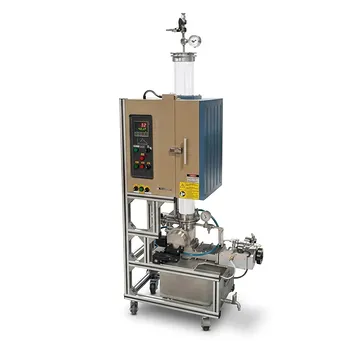
1200C High Temperature Atmosphere Controlled Vertical Quenching Tube Furnace with 4 Inch Quartz Tube
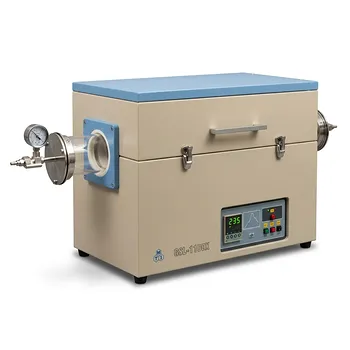
Single Zone Tube Furnace 5 Inch Quartz Tube 36 Inch Heating Zone Vacuum Flanges
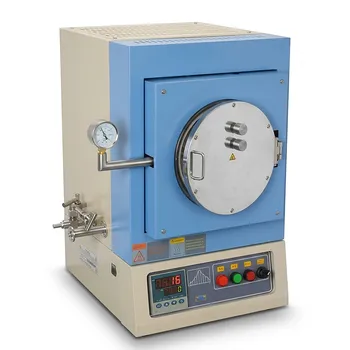
1100°C High Temperature Quartz Chamber Furnace 8 Inch OD with 7.6 Liter Capacity and Vacuum Atmosphere Capability
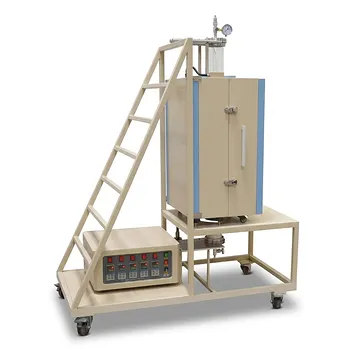
Five Zone Split Vertical Tube Furnace 1200C Max with 4 Inch Quartz Tube and Stainless Steel Vacuum Flanges
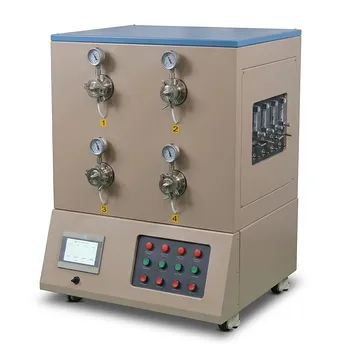
High Throughput 1200C Four Channel Tube Furnace with 3 Inch Quartz Tubes for Multi Zone Annealing and Material Research
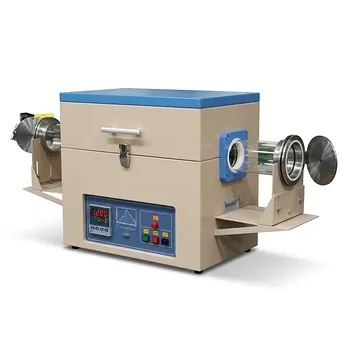
High Temperature 1200C Split Tube Furnace with Hinged Vacuum Flanges and 4 Inch Quartz Tube for Laboratory Research
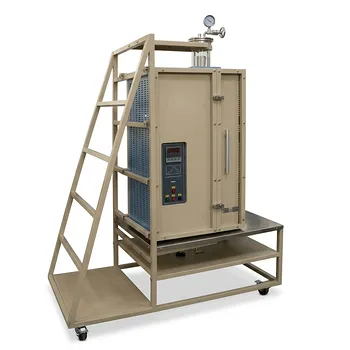
Split Vertical Tube Furnace with 1200C Quartz Tube and Stainless Steel Vacuum Flanges for Rapid Thermal Processing
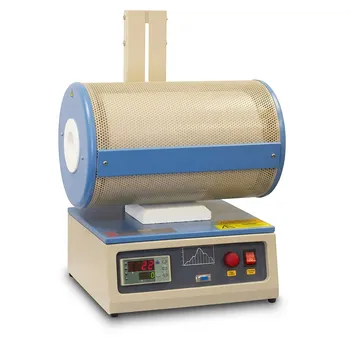
Multi Position Tube Furnace 1100C for Laboratory Material Research and Advanced Industrial Thermal Processing
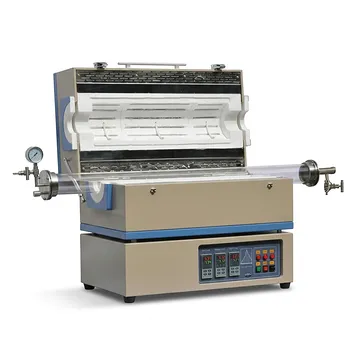
24 Inch Three Zone Split Tube Furnace with Optional Quartz Tube and Vacuum Flange System for High Temperature Material Synthesis
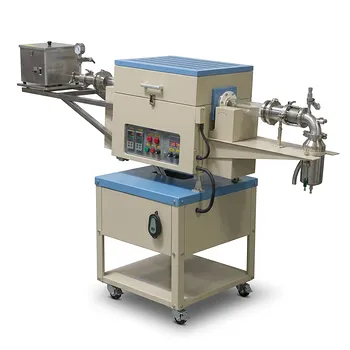
Two Zone Rotary CVD Furnace with Automatic Feeding and Receiving System for Powder Processing