Why is a precision heating furnace required for the melt-diffusion of SP-Fe3O4-C/S? Optimize Battery Cathode Synthesis
Updated 5 months ago
Precision temperature control is the critical factor in the melt-diffusion synthesis of SP-Fe3O4-C/S composite cathode materials. By maintaining a constant 155 °C for 12 hours, a precision furnace ensures that liquid sulfur achieves the optimal viscosity to infiltrate the three-dimensionally connected mesoporous channels of the carbon host via capillary action.
Core Takeaway: High-precision thermal stability is required to ensure the deep filling and uniform distribution of sulfur within the host matrix, which is essential for maximizing active material utilization and mitigating the mechanical stress of volume expansion during battery cycling.
The Mechanism of Capillary Infiltration
Leveraging the Melting Point of Sulfur
The target temperature of 155 °C is strategically chosen because it is slightly above the melting point of sulfur. At this specific thermal state, sulfur transitions into a liquid with a viscosity suitable for migration into microscopic voids.
Utilization of 3D Mesoporous Channels
The SP-Fe3O4-C structure features a unique three-dimensionally connected network. Constant heat allows capillary forces to pull the liquid sulfur deep into these mesoporous channels, ensuring the active material is not merely coating the surface but is embedded within the skeleton.
Homogeneous Distribution of Active Material
Precision control prevents localized temperature gradients that could lead to uneven sulfur loading. A uniform distribution is vital for consistent electrochemical performance across the entire cathode structure.
Structural Integrity and Battery Longevity
Suppressing Volume Expansion
Sulfur undergoes significant volume expansion during charge-discharge cycles in a lithium-sulfur battery. By ensuring sulfur is sequestered deep within the carbon pores through precise melt-diffusion, the carbon host can effectively buffer these mechanical stresses.
Improving Active Sulfur Utilization
When sulfur is trapped within the conductive carbon matrix, the electrical contact is maximized. This leads to higher active sulfur utilization, meaning more of the material contributes to the battery's capacity rather than remaining electrochemically inactive.
Regulating Microscopic Phase Transitions
Similar to how precision furnaces guide crystal growth and phase transitions in other materials, stable heat in this process ensures that the sulfur-carbon composite reaches a stable state. This prevents the formation of isolated sulfur clusters that could degrade performance.
Understanding the Trade-offs and Pitfalls
Risks of Temperature Fluctuations
If the temperature drops below the melting point, the diffusion process halts, leading to shallow pore filling. Conversely, excessive heat can change the viscosity of sulfur or lead to unwanted vaporization, resulting in a loss of active material.
Impact of Long-Duration Thermal Stress
The 12-hour holding period is a long duration that demands high equipment reliability. Minor fluctuations over this period, even if they seem small, can cause inconsistent diffusion rates and internal stresses similar to those seen in lithium niobate wafer warping.
The Problem of Particle Coarsening
Lack of precision can lead to the excessive coarsening of the sulfur particles or the Fe3O4 components. If the particles grow too large or unevenly, the kinetic pathways for lithium ions are disrupted, significantly reducing the battery's rate capability.
Applying Precision Control to Your Research Goals
Recommendations for Process Optimization
- If your primary focus is maximizing energy density: Prioritize a furnace with ±0.5 °C stability to ensure every available mesopore is filled with sulfur.
- If your primary focus is cycle life: Focus on the cooling curve control of your furnace to prevent the formation of brittle phases or internal porosity during solidification.
- If your primary focus is scalable production: Ensure your heating environment provides a stable thermal field across the entire chamber to maintain batch-to-batch consistency.
Precise thermal management is the bridge between theoretical material design and the realization of high-performance, durable energy storage systems.
Summary Table:
| Process Parameter | Requirement | Role in Synthesis |
|---|---|---|
| Target Temperature | 155 °C | Achieves optimal sulfur viscosity for capillary action |
| Holding Duration | 12 Hours | Ensures deep infiltration into 3D mesoporous channels |
| Thermal Stability | High Precision | Prevents sulfur vaporization and localized gradients |
| Critical Mechanism | Melt-Diffusion | Sequesters sulfur to buffer volume expansion during cycling |
| Key Outcome | Homogeneity | Maximizes active material utilization and battery life |
Elevate Your Battery Research with THERMUNITS Precision Furnaces
Achieving the perfect melt-diffusion for SP-Fe3O4-C/S composites requires more than just heat—it requires unwavering thermal stability. THERMUNITS is a leading manufacturer of high-temperature laboratory equipment, providing the precision needed to maximize active material utilization and ensure structural integrity in advanced material science and industrial R&D.
Whether you require Muffle, Vacuum, Atmosphere, Tube, Rotary, or Hot Press furnaces, our solutions are engineered for excellence. From CVD/PECVD systems and Dental Furnaces to Vacuum Induction Melting (VIM) furnaces, we provide the comprehensive thermal processing tools necessary to eliminate fluctuations and achieve consistent, high-performance results.
Ready to optimize your laboratory's heat treatment process?
Contact our experts today to find the ideal thermal solution for your research goals.
References
- Han Zhang, Yiyong Mai. Fe3O4-doped mesoporous carbon cathode with a plumber’s nightmare structure for high-performance Li-S batteries. DOI: 10.1038/s41467-024-49826-5
Mentioned Products
- Three Temperature Zone Fast Heating Furnace 1500C Laboratory High Precision Thermal Processing System
- High Temperature Mini Induction Heating Furnace 1600C Laboratory Material Melting System
- Induction Heating System with Temperature Control for High Temperature Vacuum Sintering and Melting
- High Temperature Dual Zone Tube Furnace for Material Science Research and Professional Thermal Processing
- 1500°C Atmosphere Controlled Rapid Heating Furnace for Material Science and Battery Powder Sintering
People Also Ask
- What functions does a 3-zone tube furnace provide for graphene-coated alumina fibers? Expert CVD Heat Treatment Guide
- What role does a laboratory furnace play in polyester-based porous carbon activation? Optimize Pore Engineering & R&D
- How is a laboratory tube heating furnace applied during the evaluation of denitration catalysts? Essential Guide
- How Lab Furnaces Simulate Industrial Conditions for CPCM Stability: Optimize Your Thermal Cycling R&D
- What is the function of a high-temperature laboratory furnace in the synthesis of Crystalline Carbon Nitride (PTI)?

Tech Team · ThermUnits
Last updated on Apr 14, 2026
Related Products
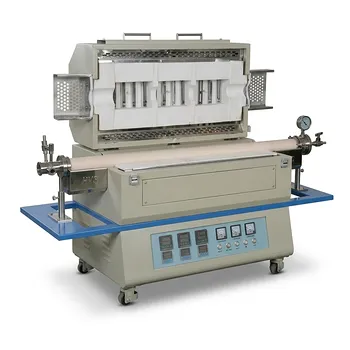
Three Temperature Zone Fast Heating Furnace 1500C Laboratory High Precision Thermal Processing System
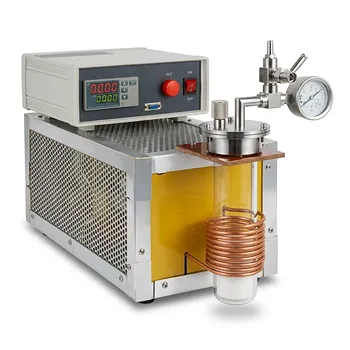
High Temperature Mini Induction Heating Furnace 1600C Laboratory Material Melting System
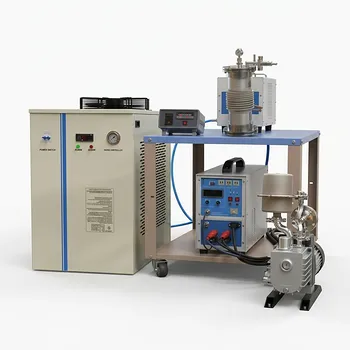
Induction Heating System with Temperature Control for High Temperature Vacuum Sintering and Melting
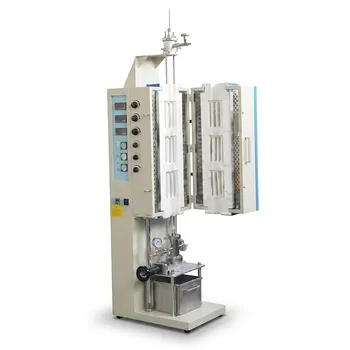
High Temperature Dual Zone Tube Furnace for Material Science Research and Professional Thermal Processing
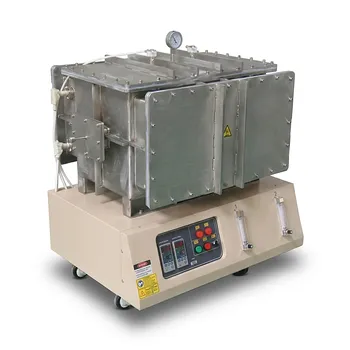
1500°C Atmosphere Controlled Rapid Heating Furnace for Material Science and Battery Powder Sintering
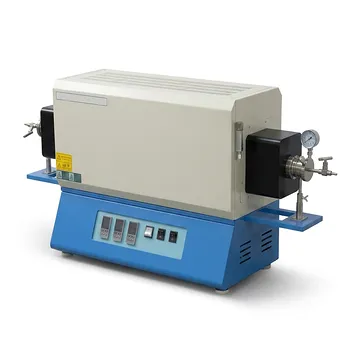
High Temperature Three Temperature Zone Tube Furnace for Advanced Material Science Sintering and Chemical Vapor Deposition Applications

High Temperature Tube Furnace 1500C with Sliding Flanges and 50mm OD for Rapid Thermal Processing Fast Heating and Cooling
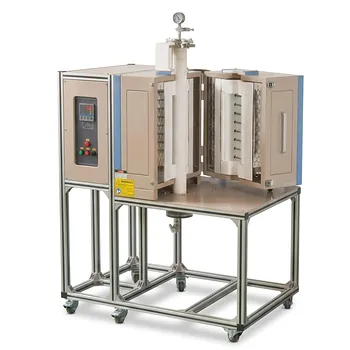
High Temperature 1700C Vertical Split Tube Furnace for Material Quenching and Single Crystal Growth
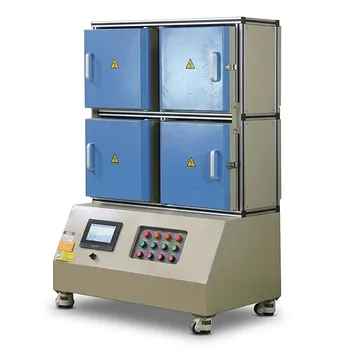
High Throughput Four Channel Box Furnace 1500C Max Independent Temperature Control Material Research Sintering System

High Temperature 1700C Vertical Tube Furnace for Powder Spherification and Material Sintering

High Temperature 1700C Tube Furnace with High Vacuum Turbomolecular Pump System and Multi Channel Mass Flow Controller Gas Mixer
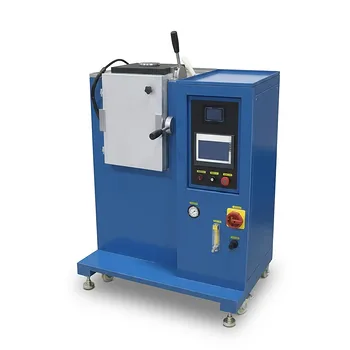
High Throughput Induction Melting and Casting Furnace for Superalloy Research 1700C Atmosphere Controlled Multi Sample System
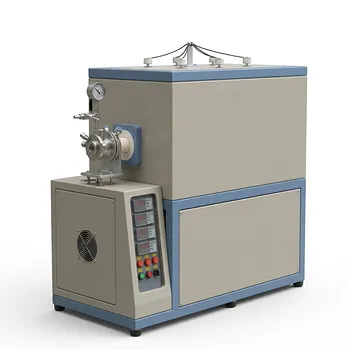
High Temperature 1700C Three Zone Tube Furnace with Alumina Tube 50mm 60mm 80mm OD for Material Research and Industrial Heat Treatment

High Temperature 1700C Benchtop Tube Furnace with 5 Inch Heating Zone High Purity Alumina Tube and Vacuum Sealing Flanges
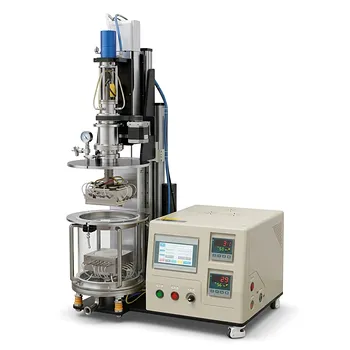
High Temperature 800C Rapid Thermal Processing Furnace with Rotating Sample Holder for Close Spaced Sublimation and Thin Film Solar Cell Research
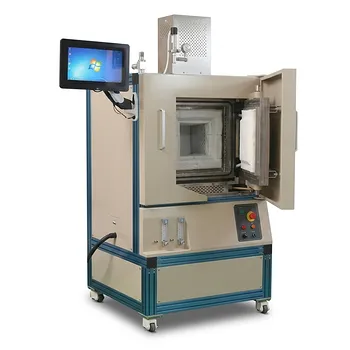
High Temperature Oxygen and Inert Atmosphere Controlled Furnace 8 Liter 1700C Sintering System for Advanced Materials RD
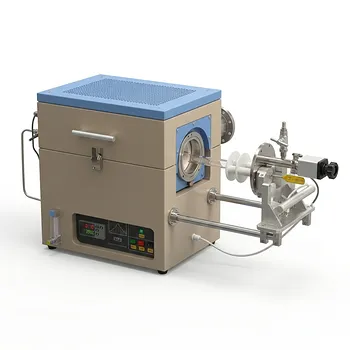
Compact Atmosphere Controlled Rapid Thermal Processing RTP Furnace with 4 Inch ID Quartz Tube 1100C
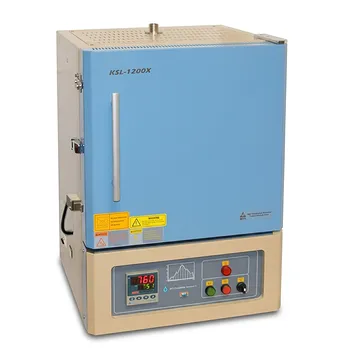
High Temperature 1200C Muffle Furnace 27L Volume 12x12x12 Chamber with Programmable PID Controller for Laboratory Material Science
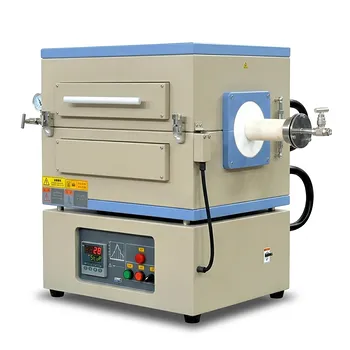
1500°C Split Tube Furnace with Alumina Tube and Vacuum Sealing Flanges for Material Research